
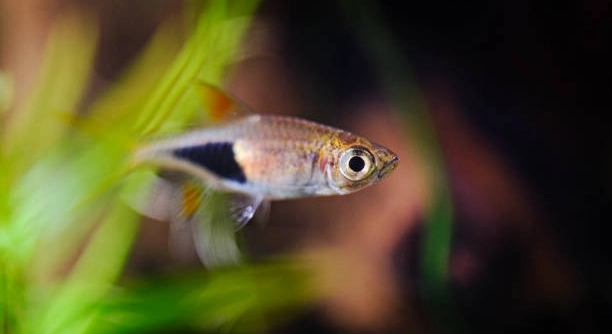
Rasboras are small, peaceful fish popular in many home aquariums. They usually swim calmly and socialize well with other fish. However, sometimes they can act out of character and show unexpected aggression.
Rasbora aggression often arises due to stress factors such as overcrowding, poor water quality, or lack of hiding spaces. Changes in their environment can trigger territorial behavior, leading to sudden aggressive actions toward tank mates or each other.
Learning about these causes can help you maintain a peaceful tank environment. Understanding what influences their behavior will make caring for rasboras easier and more enjoyable.
Common Causes of Rasbora Aggression
Aggression in rasboras often begins with environmental changes. Overcrowding is a frequent issue that causes stress among these small fish. When there are too many fish in one tank, rasboras compete for space and resources, which can lead to fights. Water quality also plays a big role. Poor conditions, like high ammonia or nitrite levels, affect their health and behavior. Lack of proper hiding spots makes them feel vulnerable, pushing them to act defensively. Sometimes, sudden changes like new fish additions or rearranging the tank can upset their balance. Rasboras may also become aggressive during breeding season when they protect their territory. Recognizing these factors early helps prevent serious conflicts. Ensuring a clean tank, enough space, and some plants or decorations for hiding can calm them down. Keeping an eye on their behavior after any change is important to catch aggression before it escalates.
Stress from overcrowding, poor water, and lack of hiding spaces mainly triggers aggression in rasboras.
Controlling these factors creates a healthier, more peaceful environment. Adding plants and maintaining water quality can reduce stress and aggression. Watching how rasboras respond to changes helps keep the tank calm and balanced.
How Tank Setup Affects Behavior
Tank size and layout directly influence rasbora behavior.
A well-planned tank gives rasboras enough room to swim freely and hide when they need to. If the tank is too small, they get stressed quickly. Decorations like plants, rocks, and caves break up the space, giving them places to retreat. This reduces territorial fights and helps shy fish feel safe. Lighting also matters; too bright lights can make them nervous, while softer lighting calms them down. Temperature and water flow need to match their natural habitat as well. A stable environment without sudden changes keeps them relaxed. When introducing new tank mates, compatibility is key. Aggressive or much larger fish can scare rasboras, causing defensive aggression. Choosing peaceful companions and arranging the tank thoughtfully minimizes tension and helps rasboras stay calm and social.
Proper tank setup is essential to keep rasboras peaceful and stress-free. A balanced environment supports their natural behavior and reduces aggression over time.
Signs of Aggression in Rasboras
Aggression in rasboras shows through certain behaviors. They may chase or nip at each other, especially the fins. Hiding fish or torn fins are clear signs. Increased chasing during feeding times can also signal tension. Watching these signs helps catch problems early.
Nipping and chasing are common behaviors when rasboras feel threatened. This aggression can start as quick bursts but may become constant if not addressed. Sometimes, dominant fish will bully weaker ones to claim space or food. You might see rapid swimming or flared fins as well. These signs point to stress or discomfort in the tank. If aggression lasts too long, fish can get injured or weakened, which affects their health. Noticing these behaviors early allows for changes to calm the group.
Aggressive behavior may also cause fish to isolate themselves or hide excessively. Some rasboras lose their bright colors when stressed, making them look dull. It’s important to observe your fish regularly and separate any injured ones to avoid further harm. Adjusting tank conditions or group size often helps reduce aggression.
Preventing Aggression Through Proper Care
Maintaining stable water conditions is essential to reduce aggression. Consistent temperature, pH, and clean water keep rasboras calm.
Feeding a balanced diet prevents competition over food and reduces stress. Feeding small amounts several times a day works better than one large feeding. Keeping the right number of fish avoids overcrowding and territorial disputes. Regular water changes and filter maintenance support a healthy environment. Adding plants or decorations provides hiding spots and breaks line of sight, lessening fights. If aggression continues, separating aggressive individuals or rearranging the tank layout can help reset territories. Paying attention to these care details makes a big difference in rasbora behavior and keeps your aquarium peaceful.
Breeding Season and Aggression
Breeding season can increase aggression in rasboras. Males become more territorial and protective of their chosen spots. This behavior can lead to more chasing and fin nipping during this time.
During breeding, males may display brighter colors and guard specific areas. They defend these spaces from other fish, which can upset the tank’s peace. Female rasboras may also show some aggression when selecting mates or protecting eggs.
Introducing New Fish
New fish introductions can trigger aggression among rasboras. Sudden changes in the group disrupt established social order. It’s best to add new fish slowly and observe their interactions carefully. Quarantining new arrivals helps prevent disease and stress.
Tank Mates and Aggression
Choosing calm, peaceful tank mates reduces stress and aggression in rasboras. Avoid aggressive or overly active fish that may provoke fights. Compatible companions create a more harmonious environment.
Stress and Its Effects
Stress weakens rasboras’ immune systems and increases aggression. Managing stress through proper care helps keep aggression low and fish healthy.
FAQ
Why are my rasboras suddenly aggressive?
Rasboras often become aggressive due to stress from their environment. Common reasons include overcrowding, poor water quality, or lack of hiding places. Changes like new tank mates or rearranging decorations can also upset their balance. Aggression may increase during breeding season when males guard territories.
How can I reduce aggression in my rasbora tank?
Improving tank conditions helps reduce aggression. Make sure the tank is not overcrowded and keep water clean with regular changes. Adding plants and decorations gives rasboras places to hide and feel safe. Feeding small amounts several times a day can reduce competition over food.
Is aggression normal during breeding?
Yes, it is normal. Male rasboras become territorial to protect their spawning sites. This can cause increased chasing and fin nipping. Providing enough space and hiding spots can help lower aggression during this time.
What tank size is best for rasboras?
A tank of at least 20 gallons is ideal for a small school of rasboras. This size gives them enough room to swim freely and establish territories without overcrowding, which helps keep aggression low.
Can aggressive rasboras be separated?
Yes, if one or two fish are too aggressive, separating them temporarily can help calm the group. You can also rearrange the tank layout to break established territories, which may reduce aggression once the fish settle.
How many rasboras should be kept together?
Keeping rasboras in groups of six or more is best. They are schooling fish and feel safer in numbers. Too few can make them stressed and more likely to fight. A larger group spreads out aggressive behavior so it’s less intense.
What water parameters do rasboras prefer?
Rasboras thrive in water with a temperature between 72–78°F (22–26°C), a pH of 6.5 to 7.5, and soft to moderately hard water. Stable and clean water reduces stress and aggression.
Can tank mates cause aggression in rasboras?
Yes, aggressive or territorial tank mates can provoke rasboras. It’s best to choose peaceful fish of similar size. Avoid larger or more active species that may intimidate or harass rasboras.
What signs show that aggression is harming my rasboras?
Look for torn or missing fins, constant chasing, or fish hiding too much. Stress can cause dull colors and weak immune systems. Injured fish may become more prone to illness and need immediate attention.
How often should I feed rasboras to avoid aggression?
Feeding small amounts two to three times a day is ideal. This prevents competition and reduces stress around feeding time. Uneaten food should be removed quickly to keep water clean.
What plants help reduce rasbora aggression?
Dense plants like Java fern, Anubias, or floating plants give rasboras places to hide and break line of sight. This reduces territorial disputes and creates a more peaceful environment.
How do I introduce new fish to prevent aggression?
Quarantine new fish for at least two weeks before adding them to the main tank. Introduce them slowly and monitor interactions closely. Rearranging decorations during introductions can help reset territorial boundaries.
Can poor water quality cause sudden aggression?
Yes, poor water conditions like high ammonia, nitrites, or nitrates cause stress and can trigger aggression. Regular testing and water changes keep conditions stable and fish calm.
Are rasboras aggressive by nature?
Rasboras are generally peaceful schooling fish. Aggression usually happens because of stress, environmental changes, or breeding behavior, not because they are naturally aggressive.
What should I do if aggression continues despite changes?
If aggression persists, consider consulting an aquarium expert or veterinarian. You may need to adjust the tank size, group composition, or even separate aggressive individuals permanently to protect all fish.
Rasboras are usually peaceful fish that add calm beauty to a home aquarium. When they suddenly show aggression, it can be confusing and worrying. Understanding the reasons behind this behavior helps manage the situation better. Stress from overcrowding, poor water quality, or lack of hiding places often causes them to act aggressively. Changes in their environment, such as adding new fish or rearranging the tank, can also make them feel unsettled. Even during breeding season, aggression can increase as males protect their territory. Knowing these common causes makes it easier to recognize when something is wrong and take action early.
Keeping rasboras happy and peaceful involves paying close attention to their living conditions. A well-maintained tank with clean water, enough space, and plenty of plants or decorations for hiding goes a long way in reducing stress and aggression. Feeding them regularly with small portions also helps prevent fights over food. If aggression does happen, it’s important to act quickly by adjusting the tank setup or separating the aggressive fish if needed. Observing their behavior regularly and making small changes can prevent bigger problems. Creating a balanced and calm environment supports their natural peaceful nature and improves their overall health.
Rasboras can thrive when cared for properly, and aggressive behavior doesn’t have to be a permanent issue. It may take some trial and error to find what works best in each tank, but patience and care pay off. Keeping an eye on water quality, tank mates, and group size makes a big difference. By understanding their needs and behavior, you can help your rasboras stay calm and healthy. This makes your aquarium more enjoyable to watch and easier to manage. With good care, rasboras will remain the peaceful, charming fish that many people enjoy keeping.

Hello,
If you enjoy the content that we create, please consider saying a "Thank You!" by leaving a tip.
Every little bit helps us continue crafting quality advice that supports the health, happiness, and well-being of pets around the world, for pets of all shapes, sizes, and species.
We really appreciate the kindness and support that you show us!