
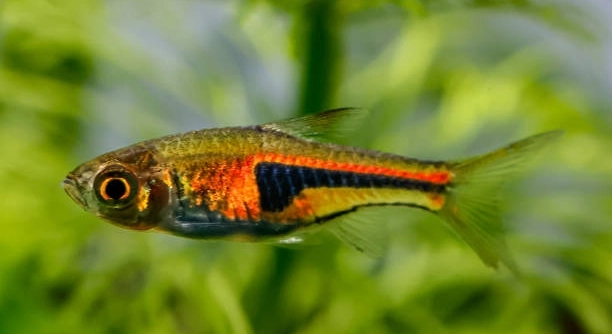
Many aquarium owners notice their rasboras often gather near the heater. This behavior can seem puzzling at first. Understanding why they do this helps create a better environment for these small, colorful fish in home tanks.
Rasboras tend to stay close to the heater because they seek warmer water temperatures. Being tropical fish, they thrive in a stable, warm environment. The heater provides a localized area of consistent heat, which supports their metabolism and comfort.
Knowing why rasboras prefer this spot can improve tank care. Recognizing their needs helps maintain a healthy and balanced aquarium environment for these delicate fish.
Why Rasboras Prefer Warmer Water
Rasboras are tropical fish that naturally live in warm, slow-moving waters. In an aquarium, they rely on the heater to provide a steady temperature similar to their natural habitat. When the water is too cold, their metabolism slows down, making them less active and more vulnerable to illness. Staying near the heater allows them to maintain their energy levels and stay healthy. It also helps with digestion and overall immune function. If the tank temperature fluctuates too much, rasboras may gather around the heater to find a comfortable spot. This behavior is normal but indicates the importance of maintaining a consistent temperature between 74 and 82 degrees Fahrenheit. Proper heating supports their natural behaviors and contributes to a peaceful tank environment where they can swim and thrive.
Maintaining stable warmth is essential for their wellbeing and natural activity.
Rasboras’ preference for warmer water near the heater reflects their tropical origins. When tank temperatures drop or vary, they instinctively seek warmth. This behavior also signals to aquarium keepers that the heating system is vital and should be monitored carefully. Ensuring a reliable heater prevents stress and helps the fish avoid cold spots that can lead to health problems. Additionally, distributing heat evenly in the tank helps rasboras spread out and explore, promoting a balanced community. Being aware of these needs makes it easier to create a safe and comfortable home for your fish.
Signs Your Tank Temperature Needs Adjustment
If your rasboras are constantly crowded near the heater, it could mean the rest of the tank is too cold.
Uneven or low temperatures may cause lethargy, loss of appetite, or faded colors. Observing your fish’s behavior can guide necessary adjustments. Use a reliable aquarium thermometer to check water temperature regularly and ensure it remains within the recommended range. Position the heater to allow even heat distribution throughout the tank. Avoid sudden temperature changes during water changes or maintenance, as these can stress your fish. When temperature is kept steady, rasboras will swim freely and display more natural behaviors. Consistent warmth supports their health and helps prevent common tropical fish diseases linked to cold stress.
Adjusting the tank temperature carefully benefits the entire aquatic environment and keeps your rasboras active and vibrant.
How Heater Placement Affects Rasbora Behavior
The location of the heater in the tank influences where rasboras spend most of their time.
If the heater is near one side, the temperature can be uneven, causing fish to cluster around the warmer area. This limits their swimming space and can stress shy or less dominant fish. Proper placement allows for better water circulation and temperature distribution. Ideally, place the heater near a filter outlet to help spread warm water evenly. This encourages rasboras to explore the whole tank rather than staying in one spot.
Uneven heat can lead to unhealthy conditions. If the heater is too close to decorations or tank walls, heat pockets may form. These hot spots create areas too warm for fish comfort. Regularly checking and adjusting heater placement prevents these issues. Good circulation and heat spread keep rasboras more comfortable and active throughout the tank.
Monitoring Temperature for Rasbora Health
Using an aquarium thermometer is crucial for monitoring tank temperature. Consistent readings help avoid dangerous fluctuations.
Temperature swings can weaken rasboras’ immune systems and increase vulnerability to diseases. Regular checks allow timely corrections to heating issues before they affect fish health. Some keepers use dual thermometers at different tank spots to ensure even warmth. Temperature control helps maintain stable metabolic rates for these sensitive fish.
In addition to temperature, water quality must also be monitored. Clean water and stable conditions work together to support healthy rasboras. Heating systems should be regularly inspected for proper function. Combining good temperature monitoring with maintenance keeps the environment safe and encourages long-term wellbeing for rasboras.
Adjusting Heater Settings for Seasonal Changes
Seasonal shifts can affect your tank’s temperature even with a heater.
Lower room temperatures in winter may require raising the heater setting to maintain warmth.
Avoiding Overheating in Your Tank
Keeping the heater at too high a temperature risks overheating the water. This can stress rasboras, causing erratic swimming and potential health issues. It is important to set the heater within the recommended range and use a thermostat if possible.
Regular monitoring helps prevent temperature spikes, ensuring a safe environment. Avoid placing the heater where it may overheat localized areas. Proper care keeps rasboras comfortable and thriving throughout the year.
Recognizing Cold Stress in Rasboras
Cold stress makes rasboras less active and dulls their colors.
FAQ
Why do rasboras stay close to the heater all the time?
Rasboras naturally seek warm water because they are tropical fish. If your tank’s temperature is too low or uneven, they will gather near the heater to stay comfortable. This behavior is a sign that your heater is providing the warmth they need, but it can also mean the rest of the tank is cooler than ideal.
Is it harmful if rasboras only stay near the heater?
Yes, it can be harmful over time. If rasboras stay in one warm spot and avoid the rest of the tank, it means the temperature is not balanced. This can stress them, cause health problems, and reduce their natural activity. Ensuring even heat distribution helps keep them healthy and encourages natural swimming behavior.
How can I improve heat distribution in my tank?
Place the heater near a water flow source like a filter outlet. This helps spread warm water evenly throughout the tank. Avoid blocking the heater with decorations or plants. Using a small water circulation pump can also help maintain an even temperature and prevent heat pockets.
What is the ideal temperature for rasboras?
Rasboras thrive best between 74°F and 82°F (23°C to 28°C). Keeping the water within this range supports their metabolism, immune system, and activity. Temperatures outside this range may cause stress or illness, so maintaining a stable setting is important.
Can a heater malfunction cause problems for rasboras?
Yes, a heater that stops working or overheats can cause rapid temperature changes. This shocks the fish and may lead to illness or death. Regularly test the heater and use a reliable aquarium thermometer to catch issues early.
How often should I check my tank temperature?
It’s best to check daily, especially during seasonal changes. Keeping an eye on temperature prevents harmful fluctuations. Using a thermometer with a clear display helps make this easy.
Can cold drafts or room temperature changes affect my aquarium?
Yes, cold drafts and dropping room temperatures can cool the tank water, making it harder for the heater to maintain warmth. Avoid placing the aquarium near windows, air vents, or doors to minimize this effect.
Why do some rasboras seem more sensitive to cold than others?
Individual fish vary in tolerance. Younger or weaker fish may feel cold stress sooner. Also, different rasbora species have slightly different temperature needs. Knowing your specific species’ preferences helps provide the right care.
What are signs of cold stress in rasboras?
Cold stress causes lethargy, loss of appetite, faded colors, and reduced swimming. If you notice these signs, check the temperature immediately. Prompt action can prevent illness.
Should I turn off the heater during summer?
Usually, no. Even in warm months, aquarium water can cool at night or in air-conditioned rooms. Keep the heater on a lower setting to maintain stability and avoid sudden drops.
Is it okay to have multiple heaters in one tank?
Using two smaller heaters can improve heat distribution and provide backup in case one fails. This setup reduces the risk of cold spots and keeps temperature stable.
How does heater placement affect fish behavior?
Heaters placed poorly may create hot or cold zones, causing fish to crowd in warmer areas or hide in colder spots. Good placement encourages fish to explore and reduces stress.
Can the type of heater affect how rasboras behave?
Yes, some heaters provide more even heat than others. Submersible heaters with built-in thermostats tend to keep water temperature stable and uniform, helping rasboras feel comfortable.
What if I see bubbles or unusual water movement near the heater?
Small bubbles near the heater are normal and come from the heating process. However, large air pockets or excessive heat can stress fish. Make sure the heater is properly installed and water flows well around it.
How do I safely adjust the heater temperature?
Make small changes gradually. Sudden temperature shifts can shock fish. Adjust the heater setting in small increments and wait several hours before changing again.
Can heater temperature affect breeding behavior?
Yes, stable warmth encourages rasboras to breed. Temperature fluctuations or too low heat can prevent spawning or harm fry. Keep temperature steady during breeding periods.
Is it necessary to use a thermostat with my heater?
A thermostat helps maintain exact temperatures and prevents overheating. It adds a layer of safety for your rasboras by avoiding dangerous spikes or drops.
How do I know if my heater is too strong for my tank size?
If the heater causes hot spots or rapid heating, it may be too powerful. Choose a heater rated for your tank size and consider using two smaller heaters for better control.
Can lighting affect water temperature and rasbora behavior?
Strong aquarium lights can raise water temperature. Combine this with heater settings carefully to avoid overheating. Monitor temperature regularly when using powerful lighting systems.
What should I do if my heater breaks suddenly?
Turn off the heater and monitor the fish closely. Use a backup heater if possible or temporarily move fish to a warmed environment. Replace the faulty heater promptly to restore stable temperature.
Are there natural ways to keep tank temperature stable?
Placing the tank away from drafts, using insulated backgrounds, and maintaining consistent room temperature help. Still, a reliable heater is essential for tropical fish like rasboras.
Rasboras staying close to the heater is a natural behavior tied to their need for warm and stable water temperatures. These small tropical fish come from environments where the water temperature rarely changes much, so they rely on a steady heat source to maintain their health. When the water in an aquarium is cooler than their comfort zone, they instinctively gather near the heater to find warmth. This behavior signals that maintaining consistent warmth is important for their well-being. It also reminds aquarium owners that careful attention to tank temperature can prevent stress and illness in rasboras.
Proper heater placement and regular temperature monitoring are key to providing a comfortable environment for rasboras. Placing the heater near a filter outlet helps distribute heat evenly throughout the tank, encouraging the fish to explore rather than cluster in one spot. Using a reliable thermometer and checking water temperature daily prevents dangerous fluctuations. Seasonal changes and room temperature variations can affect aquarium warmth, so adjustments to heater settings may be needed throughout the year. Avoiding overheating is just as important as avoiding cold spots because extreme heat can also harm the fish. Keeping the temperature stable between 74 and 82 degrees Fahrenheit supports their metabolism, immune system, and natural behavior.
Overall, understanding why rasboras stay close to the heater helps aquarium owners provide better care. Paying attention to temperature consistency, heater placement, and fish behavior allows for a healthier and more balanced tank. These simple steps can reduce stress for the fish and promote activity and vibrant colors. Taking time to maintain a stable environment reflects well on the fishkeeper’s dedication and can lead to a more enjoyable aquarium experience. Ensuring your rasboras are comfortable with proper heating contributes to their long-term health and happiness in the tank.

Hello,
If you enjoy the content that we create, please consider saying a "Thank You!" by leaving a tip.
Every little bit helps us continue crafting quality advice that supports the health, happiness, and well-being of pets around the world, for pets of all shapes, sizes, and species.
We really appreciate the kindness and support that you show us!