
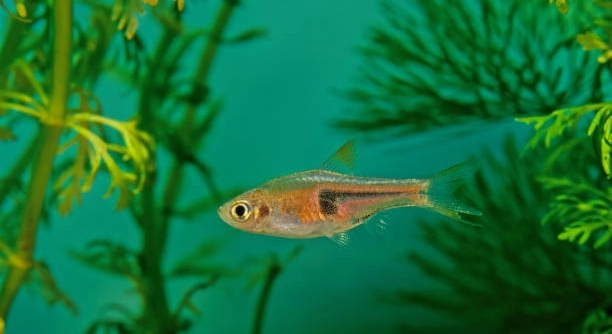
Rasboras are small, peaceful fish often kept in groups. Sometimes, however, a rasbora might avoid joining its group or school. This behavior can be confusing for fishkeepers hoping to see their fish swim together happily.
Rasboras may refuse to join a group due to stress, illness, or an unsuitable environment. Factors like poor water quality, lack of hiding spots, or aggressive tankmates can cause a rasbora to isolate itself instead of schooling.
Understanding why a rasbora stays apart helps improve their care and promotes a healthier, more social environment for your fish.
Common Reasons Rasbora Avoid Grouping
Rasboras are naturally social fish that prefer to swim in schools. When one avoids the group, it often signals something is wrong. Stress is a major factor. Changes in water temperature, poor water quality, or sudden movements can make a rasbora nervous and withdrawn. Illness also causes isolation; a sick fish may stop swimming with others as it feels weak or vulnerable. Another reason can be tank size or layout. If the tank is too small or lacks enough hiding spots, the fish might feel exposed and choose to stay apart. Aggressive or overly active tankmates can scare rasboras, causing them to keep distance from the group. Lastly, newly introduced rasboras might need time to adjust before joining the school.
Many of these reasons relate to environmental or health concerns that need quick attention.
Keeping the tank clean, stable, and peaceful encourages rasboras to swim together naturally and reduces stress. Regular observation helps catch problems early, allowing your fish to be healthy and social again.
Effects of Tank Conditions on Rasbora Behavior
Tank conditions directly affect how rasboras behave. Clean water, proper temperature, and enough space promote healthy group swimming.
Poor water quality stresses fish, making them hide or isolate. Ammonia or nitrite spikes can harm their health and reduce their energy to socialize. Tanks that are too small limit movement, making it harder for fish to school properly. Without plants or decorations, rasboras feel vulnerable. Providing hiding spots helps them feel safe and more willing to join the group. Light levels also matter; bright lights may cause them to scatter, while dimmer lighting encourages calm schooling behavior. Tankmates that nip fins or chase rasboras force them to stay apart for safety. Choosing peaceful companions keeps the tank calm and supports social behavior. Regular tank maintenance and proper setup improve the chances of rasboras schooling happily together.
Health Issues That Cause Isolation
Illness often leads to isolation in rasboras. Parasites, bacterial infections, or poor nutrition weaken fish and lower their desire to socialize. Signs include faded colors, slow swimming, or clamped fins. When a fish feels unwell, it naturally separates from the group to conserve energy and avoid aggression. Sometimes, internal parasites cause discomfort, and the fish may hide more than usual. Fungal infections can also make rasboras lethargic, isolating themselves from others. Providing a balanced diet and clean water helps prevent many health problems. Quarantining new fish before adding them to the main tank reduces the chance of spreading disease. Observing your rasboras daily helps catch early symptoms, allowing for timely treatment. A healthy rasbora is more likely to join the group and swim actively with its companions.
Adjusting to New Environments
Moving to a new tank can be stressful for rasboras. They might stay apart from the group until they feel safe.
Rasboras need time to get used to new surroundings. Changes in water chemistry, lighting, and tank setup can make them cautious. It’s normal for them to hide or swim alone at first. Gradually, they explore and gain confidence. Offering plants or decorations gives them places to feel secure during this period. Avoid sudden changes or loud noises that might frighten them further. Patience is key when introducing rasboras to a new home.
Slowly, as they become comfortable, rasboras begin joining the school again. Keeping the tank conditions stable helps speed up this adjustment. Frequent gentle observation can help you notice when they start to relax and socialize more.
Social Dynamics in the Tank
Rasboras have a social hierarchy that affects group behavior. Dominant fish may keep others at a distance.
Sometimes, stronger or more aggressive rasboras claim space and food, pushing shy fish away. This can cause some to isolate themselves. In a well-balanced group, fish find their place and swim together comfortably. Overcrowding can increase tension, making the problem worse. Keeping enough space and feeding regularly reduces competition. Introducing fish at the same time helps avoid dominance struggles. Observing interactions helps identify if any fish is being bullied or left out. Correcting these issues encourages peaceful schooling and happier fish overall.
Lighting and Its Impact on Rasbora Behavior
Bright lights can make rasboras nervous and cause them to hide or stay apart. Dimmer, softer lighting helps them feel more relaxed and encourages schooling.
Providing shaded areas with plants or decorations allows fish to escape strong light. This balance supports their natural behavior and comfort in the tank.
Feeding Habits and Group Interaction
Rasboras tend to school more during feeding times when food is abundant and evenly distributed. Competition for food can cause some fish to isolate if they are pushed away.
Ensuring that all fish get enough food helps maintain group harmony. Feeding small amounts multiple times a day can reduce stress and encourage social behavior.
Tank Mates Influence
Peaceful tank mates encourage rasboras to swim together. Aggressive or overly active fish disrupt schooling and cause isolation.
Choosing calm companions is essential for maintaining a healthy, social group of rasboras.
FAQ
Why does my rasbora swim alone while others school?
A rasbora may swim alone because it feels stressed, sick, or unsafe. Changes in water quality, temperature, or tank setup can cause this. Sometimes, it takes time for new fish to adjust to their environment. Watching for signs of illness and ensuring a calm tank can help your rasbora feel comfortable joining the group again.
Can tank size affect my rasbora’s willingness to school?
Yes, tank size plays a big role. If the tank is too small, rasboras may feel cramped and stressed. This can lead to fish staying apart instead of schooling. A spacious tank with plenty of swimming room encourages natural schooling behavior and reduces stress.
How important is water quality for rasbora social behavior?
Water quality is very important. Poor water conditions cause stress and illness, which can make a rasbora isolate itself. Regular water testing, partial water changes, and keeping filters clean help maintain a healthy environment where rasboras feel safe to school.
Will lighting changes make my rasbora stay apart?
Bright or harsh lighting can make rasboras nervous, causing them to hide or swim alone. Using dimmer lights or providing shaded spots with plants helps them feel secure. A comfortable lighting setup supports their natural behavior and encourages them to join the group.
What role do tank mates play in rasbora behavior?
Tank mates affect how rasboras behave. Aggressive or fast-moving fish can scare or stress rasboras, leading them to isolate themselves. Choosing peaceful and compatible fish keeps the tank calm and allows rasboras to school comfortably.
How long does it take for rasboras to adjust to a new tank?
Adjustment time varies but usually takes several days to a week. During this time, rasboras may hide or swim alone until they feel safe. Providing hiding spots and stable water conditions helps speed up this process.
Can illness cause a rasbora to avoid its group?
Yes. Illness makes fish weak and less likely to swim with others. Look for signs like faded color, clamped fins, or slow movement. Early treatment and clean water improve recovery and help the fish return to normal social behavior.
How does feeding affect schooling?
Feeding times often encourage rasboras to group together. If food is scarce or unevenly distributed, some fish might get pushed away and stay apart. Feeding small amounts more frequently ensures all fish get food and reduces competition, promoting better group interaction.
Is it normal for some rasboras to be shy or less social?
Yes, individual fish have different personalities. Some may be naturally shy and take longer to join the school. Patience and a calm environment help shy rasboras feel more confident and social over time.
What can I do if one rasbora is bullied by others?
Bullying disrupts social harmony and causes isolation. If you notice bullying, try rearranging decorations to break sight lines or increase hiding spots. You may also need to separate aggressive fish or reduce the number of fish in the tank to ease tension.
Does overcrowding affect rasbora social behavior?
Overcrowding increases stress and competition for space and food. This can cause some fish to isolate themselves. Keeping an appropriate number of fish for your tank size helps maintain peaceful schooling and reduces stress-related isolation.
How do decorations help rasboras feel secure?
Plants and decorations provide hiding spots where rasboras can retreat when scared or stressed. This sense of security encourages them to explore and join the group when they feel safe. A well-decorated tank mimics their natural habitat and promotes healthy social behavior.
Rasboras are naturally social fish that enjoy swimming in groups. When one of them chooses to stay apart, it usually means something in their environment or health is not right. Many factors can cause this behavior, including stress from poor water quality, illness, or even the wrong tank setup. Understanding these reasons helps you provide better care and create a comfortable home for your fish. Watching your rasboras regularly and paying attention to their behavior will give you clues about how they feel and what they might need.
Creating a peaceful and well-maintained tank is important for encouraging rasboras to join their group. Clean water, stable temperature, and enough space give them room to swim and feel safe. Adding plants or decorations offers hiding places where they can rest or escape if they feel threatened. Tankmates also play a big role; peaceful companions help keep the environment calm, while aggressive fish may cause your rasbora to stay alone. Feeding your fish regularly and in small amounts reduces competition and supports healthy social behavior. Small changes in their care can make a big difference in how comfortable your rasboras feel.
It’s normal for rasboras to take some time to adjust, especially after being introduced to a new tank or when they are sick. Patience and gentle care are key during these moments. Avoid sudden changes and keep the tank environment stable. If you notice a fish isolating itself for a long time or showing signs of illness, it’s important to act quickly to improve its condition. Healthy rasboras are more likely to swim together and enjoy the company of their group. By understanding their needs and creating a supportive environment, you help your rasboras thrive and show their natural schooling behavior.

Hello,
If you enjoy the content that we create, please consider saying a "Thank You!" by leaving a tip.
Every little bit helps us continue crafting quality advice that supports the health, happiness, and well-being of pets around the world, for pets of all shapes, sizes, and species.
We really appreciate the kindness and support that you show us!