
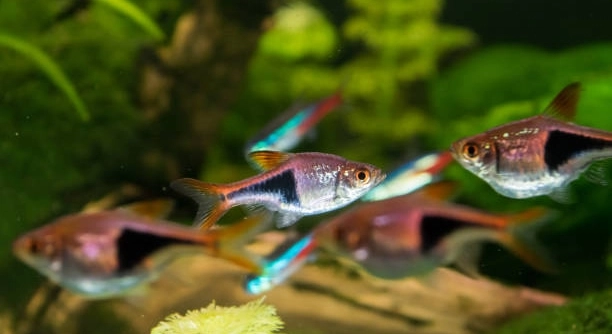
Rasboras are small, lively fish often found in home aquariums. They thrive in calm environments and enjoy exploring their surroundings. Observing their behavior reveals subtle preferences that can affect their comfort and well-being.
Rasboras tend to prefer shaded areas due to their natural instinct for safety and reduced stress. Shadows provide protection from predators, minimize excessive light exposure, and create a more comfortable, natural environment that supports healthy behavior.
Understanding why these fish favor shadows helps aquarists create optimal habitats. The placement of plants and decorations can enhance their health and overall happiness in captivity.
Natural Instincts and Environmental Comfort
Rasboras are naturally drawn to areas that offer cover and subtle lighting. In the wild, these fish inhabit rivers and streams where sunlight is filtered through plants and debris, creating a pattern of light and shadow. This environment allows them to feel secure while foraging for food. Shadows also help reduce stress, which can affect their overall health and behavior. Even small changes in lighting or tank setup can influence their movement and activity levels. Providing plants, rocks, and decorations that mimic this pattern gives rasboras a sense of familiarity and safety. Observing them, it becomes clear that they actively seek areas where they can hide partially or feel less exposed. These behaviors are instinctual and not just a reaction to human presence. Maintaining a balance between open swimming areas and shaded zones helps rasboras remain active while also feeling protected.
Shadows help rasboras feel calm, giving them spaces to rest and reduce anxiety in their tank environment.
Providing natural cover enhances their well-being and encourages natural swimming and social behaviors. It also reduces aggressive interactions and allows weaker fish to retreat safely, which is crucial in community tanks. Plants with varying heights and densities, along with strategically placed rocks or driftwood, can create multiple shaded areas. Lighting should be adjusted to prevent overly bright conditions that may stress the fish. Observing how rasboras react to these setups can guide further adjustments, ensuring a healthy environment. Shadows do not only offer comfort but also influence feeding patterns, as rasboras often forage under cover. A tank that balances light and shadow replicates their natural habitat, supporting both physical health and behavioral needs. By carefully arranging these elements, aquarists can foster a thriving environment that meets their instinctual preferences and promotes long-term vitality.
Adjusting Lighting and Tank Setup
Lighting should be moderate, avoiding harsh or direct sources.
Gradual adjustments to tank light and the careful placement of plants and ornaments can help rasboras adapt while maintaining their natural behaviors. Overly bright light may cause them to hide constantly, limiting activity. Choosing plants with broad leaves, floating vegetation, and small hiding spots provides comfort. Using dimmers or adjustable LED lights allows control over intensity, creating gentle transitions between bright and shaded areas. Shadows should be scattered rather than concentrated, giving the fish multiple options to explore. Observing their preferences can help determine the best arrangement. A tank designed with these considerations promotes natural swimming patterns and reduces stress, leading to healthier, more active fish. Proper setup requires attention to both lighting duration and intensity, mimicking day-night cycles found in their natural habitat. The balance of open swimming space and shaded retreats is essential. Rasboras will display more confidence and social interaction when the tank reflects these conditions, ultimately improving their overall welfare.
Social Behavior in Shaded Areas
Rasboras often gather in shaded spots, moving in small groups. Shadows give them a sense of safety, which encourages social interaction and reduces aggression. These areas act as natural meeting points, allowing the fish to swim together without feeling exposed or stressed.
Shaded areas support calmer group dynamics among rasboras. When lighting is moderate, fish spend more time interacting rather than hiding. They display synchronized swimming, a natural behavior that strengthens social bonds and improves tank harmony. Shadows also allow timid individuals to emerge gradually, participating in group activities at their own pace. In tanks without adequate cover, rasboras may become withdrawn or show signs of stress. Observing their behavior in shaded zones reveals how essential subtle lighting and shelter are for their social patterns. Adjustments to plant placement and tank decorations can optimize these safe areas.
Maintaining a mix of open and shaded spaces is crucial for social balance. Fish can retreat when needed while still engaging with the group. Strategically placed plants, driftwood, and rock formations create multiple options, preventing overcrowding in shaded zones. Over time, rasboras develop preferences for particular hiding spots and swimming paths, which can be observed and used to further improve tank layout. Consistent observation helps identify stressed or shy individuals, ensuring the entire school remains comfortable. Proper management of lighting and cover supports both social cohesion and overall health, reducing aggression and promoting natural, confident behaviors.
Feeding Habits and Shadow Preference
Rasboras often feed in dimmer areas of the tank, avoiding brightly lit open water. Shadows provide comfort while foraging, allowing them to remain alert and less vulnerable to perceived threats.
Feeding behavior is closely linked to environmental comfort. In shaded areas, rasboras can explore the substrate and plants for small food particles without feeling exposed. Shadows create a safer context for feeding, which increases appetite and reduces competition-related stress. Bright or unshaded areas may cause hesitation, limiting their willingness to approach food. Live and frozen foods are particularly effective when placed near subtle cover, encouraging natural foraging patterns. The placement of floating plants or mid-level decor can guide feeding locations while supporting instincts for protection and cautious exploration. Observing feeding patterns helps determine the best locations for food distribution.
Providing consistent shaded feeding zones benefits both health and tank dynamics. Fish become more confident and less prone to stress-related issues when they have predictable areas to search for food. Balanced tank lighting combined with carefully positioned plants ensures everyone can feed without fear of exposure. Adjusting the intensity and angle of aquarium lights can prevent overexposure and maintain gentle shadowed areas. This setup encourages natural behavior, supporting physical development and overall vitality. By observing how rasboras interact with shaded feeding zones, aquarists can fine-tune placement for optimal access, fostering both comfort and efficient feeding. Shadows, when used thoughtfully, enhance nutrition intake and reinforce safe, instinctual behaviors.
Day-Night Activity Patterns
Rasboras are more active during low-light conditions, often swimming near shaded areas. Shadows give them a sense of security, allowing them to explore without feeling exposed. Their natural rhythm aligns with filtered light rather than direct brightness.
Shaded spots also serve as resting areas. Fish retreat here during periods of inactivity or stress. This helps regulate energy and reduces vulnerability in the tank environment.
Plant Density and Shadow Preference
Dense plant growth creates natural shade, which rasboras actively use for shelter and movement. They navigate through leaves and stems, feeling more secure in these areas. Shaded zones within dense plants encourage exploration while reducing stress, closely mimicking their natural habitat and supporting healthy behavior patterns.
Observing Individual Preferences
Each rasbora may favor different shaded spots in the tank. These personal choices reflect instinct and comfort, showing variation even within a small group. Recognizing these preferences helps create a more accommodating and harmonious environment.
FAQ
Why do rasboras prefer shaded areas over open water?
Rasboras instinctively seek cover to reduce stress and avoid potential threats. Shadows mimic natural habitats where filtered light and plant cover offer protection. Staying in shaded areas allows them to feel safe while swimming, feeding, and interacting with other fish, supporting their overall health and natural behavior patterns.
Can too much light harm rasboras?
Excessive brightness can cause stress, making rasboras hide constantly or exhibit sluggish movement. Bright light may also increase aggression among tankmates or force timid individuals to stay in one corner. Providing balanced lighting with shaded zones allows the fish to move freely without discomfort, maintaining a calm and active environment.
How can I create ideal shaded areas in my tank?
Plants, driftwood, and rocks are effective for creating natural shade. Floating plants or tall stem plants filter light, while rocks and driftwood offer hiding spots. Arranging these elements strategically ensures multiple shaded areas, allowing all fish to access comfort zones without overcrowding. Observing their behavior helps adjust placement for optimal use.
Do rasboras use shaded areas for feeding?
Yes, shadows encourage safe foraging. Rasboras feel less exposed while searching for food near plants or decorations. Placing food close to these shaded zones can increase feeding activity and reduce stress-related hesitation, promoting healthier eating habits and natural foraging behavior in the tank.
How does shading affect social behavior?
Shaded areas reduce aggression and allow timid fish to interact safely. Fish often gather in these zones, forming loose schools that strengthen social bonds. Adequate cover prevents dominance conflicts and gives every individual a chance to retreat if needed, supporting a balanced and peaceful tank environment.
Is there a preferred type of shade for rasboras?
Rasboras favor partial shade that allows some light while providing cover. Too dense or dark areas may discourage movement, while overly bright sections cause stress. Mixed-density plants and decorations create varied lighting, giving fish options to explore or hide according to their comfort.
Do all rasboras prefer the same shaded spots?
Individual preferences vary. Some may favor mid-level plant cover, while others prefer low-lying rocks or floating plants. Observing each fish helps identify personal comfort zones. Providing a variety of shaded areas accommodates different behaviors and reduces stress in a community tank.
Can shaded areas prevent health problems?
Yes, shaded zones reduce stress-related issues such as weakened immunity or loss of appetite. Fish that feel secure are more active, feed reliably, and exhibit normal swimming behavior. Properly designed shaded areas support both mental and physical well-being, contributing to longevity and vitality.
How should I adjust lighting over time?
Gradually introduce changes in lighting intensity and duration to avoid shocking the fish. Use dimmers or timers to simulate natural day-night cycles. Observing rasboras’ reactions ensures the adjustments create a comfortable balance between bright and shaded areas, supporting activity and rest.
Are there other benefits of shadows for rasboras?
Shadows encourage natural behaviors like schooling, foraging, and exploration. They reduce stress and improve confidence, allowing timid fish to participate fully in tank life. Proper use of shaded areas enhances both the appearance of the aquarium and the overall health and happiness of the fish.
How can I tell if my rasboras are using shaded areas effectively?
Healthy, active swimming, consistent feeding, and calm resting in shaded zones indicate effective use. Watch for social interactions and exploration patterns. If fish avoid shaded areas or remain hidden excessively, adjustments to plant placement, light intensity, or tank layout may be needed to improve comfort.
Can shadows improve breeding behavior?
Shaded areas provide secure spaces for courtship and egg-laying. Fish feel protected, reducing stress that can interfere with reproduction. Plants and decorations in shaded zones create ideal spots for eggs, supporting natural reproductive behaviors in a controlled aquarium environment.
Do rasboras react differently in a tank without shaded areas?
Without adequate cover, rasboras may become stressed, hide constantly, or show reduced activity. Schooling behavior may weaken, feeding may decrease, and timid individuals may struggle to adapt. Proper shading replicates their natural habitat, ensuring comfort, activity, and healthy interactions within the tank.
Can tank decorations substitute for plants in creating shade?
Yes, rocks, driftwood, and other solid decorations can provide effective cover. They offer hiding spots, filtered light, and varied swimming areas. Combining these with plants creates a diverse environment, giving rasboras multiple options for comfort and exploration, while maintaining naturalistic conditions.
How often should I rearrange shaded areas?
Frequent changes can cause stress, so adjustments should be minimal and gradual. Small modifications allow fish to adapt without disrupting routines. Observing their behavior after rearrangements ensures shaded areas remain effective and continue to support natural movement, social interactions, and feeding habits.
Do shadows impact sleep patterns?
Yes, shaded areas provide calm zones that promote rest. Fish retreat to these spots during inactive periods, mimicking natural day-night cycles. Properly balanced light and shadow encourage regular activity and rest, contributing to long-term health and maintaining predictable rhythms for rasboras.
How important is tank size in relation to shaded areas?
Tank size influences the number and placement of shaded spots. Larger tanks require multiple shaded zones to ensure all fish have access, while smaller tanks need careful arrangement to prevent overcrowding. Adequate shade in proportion to tank size supports natural behavior and reduces stress.
Can lighting type affect shadow quality?
Yes, LED, fluorescent, and natural sunlight create different light patterns. Soft, diffused lighting works best for creating gentle shadows. Harsh, direct light produces sharp contrasts that may stress fish. Selecting appropriate lighting enhances shading effectiveness and overall tank comfort.
Is it necessary to monitor water quality in shaded areas?
Absolutely. Plants and decorations creating shade can influence water flow and debris accumulation. Regular cleaning and monitoring ensure shaded areas remain safe, preventing buildup of waste that could harm fish or disrupt their natural use of these spaces.
Do shadows influence growth rates?
Indirectly, yes. Fish that feel secure and stress-free in shaded areas feed more consistently, swim actively, and display natural behaviors. Reduced stress supports metabolism and development, leading to healthier growth and a more resilient population over time.
Can shaded areas help new fish acclimate?
New arrivals often hide initially. Providing shaded zones allows them to adjust gradually without feeling exposed. This reduces stress, encourages exploration, and helps them integrate smoothly into the existing community, supporting long-term health and social stability.
What is the best combination of plants and decorations for shading?
A mix of tall, medium, and low plants combined with driftwood and rocks creates layered shade. Floating plants filter overhead light, while mid-level stems and low decorations provide refuge and exploration opportunities. This layered approach satisfies different preferences within a group of rasboras.
How can I track if shaded areas meet fish needs?
Observe activity levels, feeding patterns, and resting behavior. Balanced use of shaded and open areas indicates comfort. Excessive hiding, aggression, or avoidance signals a need for adjustment. Consistent monitoring ensures the tank remains supportive of natural instincts.
Are there risks of over-shading the tank?
Yes, too much shade can reduce activity, encourage algae growth, or limit oxygen circulation. Maintaining a balance between open and shaded areas ensures fish remain active, healthy, and able to perform natural behaviors without excessive confinement or stress.
Do all rasbora species behave the same regarding shade?
Preferences vary slightly between species. Some prefer mid-level cover, while others may use surface shadows more. Researching species-specific habits helps create tailored shading strategies that meet unique behavioral needs while promoting comfort and activity.
How long should shaded areas last each day?
Mimicking natural light cycles works best. Gradual transitions between bright and shaded periods, rather than sudden changes, support activity, feeding, and rest. Using timers or dimmers helps maintain predictable patterns, ensuring a stable and healthy environment.
Can shadows reduce tank aggression over time?
Yes, shaded areas allow fish to retreat safely, reducing dominance conflicts. Timid individuals gain confidence, and the overall social hierarchy stabilizes. Properly arranged shade fosters peaceful interactions, lowers stress, and encourages schooling and cooperative behavior.
Is it necessary to change shaded areas for seasonal lighting changes?
Minor adjustments may be needed if natural light shifts significantly. Observing fish behavior helps determine if changes are required to maintain comfort, feeding, and activity levels. Gradual modifications prevent stress while ensuring optimal shading throughout the year.
Do shadows help in multi-species tanks?
Yes, shaded zones allow smaller or less dominant species to coexist safely with more aggressive fish. They provide refuge, reduce competition, and promote harmonious interactions. Proper shading is essential in mixed-species setups to maintain balance and reduce stress for all inhabitants.
How can I encourage shy rasboras to use shaded areas?
Place low-traffic hiding spots with gentle light near feeding zones. Shy fish gradually explore when they feel safe. Providing multiple options ensures comfort and encourages natural behaviors, gradually building confidence and reducing stress.
Can shaded areas improve observation of natural behaviors?
Yes, fish are more likely to display normal swimming, schooling, and foraging behaviors in comfortable shaded zones. Observing these behaviors provides insight into their instincts, social interactions, and preferences, helping refine tank setup and care practices.
Are there signs that shaded areas are insufficient?
Excessive hiding in corners, lack of activity, or stress-related behaviors indicate insufficient shading. Adjusting plant density, lighting, and decor placement can improve comfort, ensuring all fish have access to safe zones and supporting natural behavior patterns.
Do shadows affect water temperature?
Shaded areas can create slight microclimates with cooler water, which may be beneficial in tanks with strong lighting. Careful monitoring ensures consistent temperature while providing comfortable zones, preventing stress or temperature-related health issues.
Is there a recommended ratio of shaded to open space?
A balance of roughly 40–60% shaded area works well. This ensures fish have secure zones while maintaining enough open space for swimming and social activity, supporting both instinctual comfort and active behavior.
Can shadows support breeding success?
Yes, secure shaded zones encourage courtship, reduce stress, and provide safe areas for egg-laying. Fish feel protected, which supports natural reproductive behavior and improves survival rates of eggs and fry.
Do rasboras respond to artificial shadows similarly to natural ones?
Yes, carefully placed decorations and plants create effective artificial shadows. Fish respond to these zones similarly to natural habitats, using them for comfort, feeding, and social interaction. Observation ensures placement meets their needs.
How often should plants be trimmed to maintain shade?
Regular trimming prevents overgrowth while maintaining effective shading. Observing fish behavior helps determine ideal plant density, ensuring light filtering remains adequate without restricting movement or creating overly dark areas.
Can shadows reduce disease risk?
Indirectly, yes. Fish that feel secure experience less stress, improving immunity. Shaded zones encourage normal swimming and feeding, which supports overall health and reduces susceptibility to stress-related diseases.
How do shadows influence schooling behavior?
Shaded areas encourage synchronized swimming and group cohesion. Fish feel safer swimming together under cover, which reinforces natural schooling behavior, reduces anxiety, and promotes a balanced social dynamic.
Are floating plants more effective than mid-level plants for shading?
Floating plants filter overhead light effectively, while mid-level plants provide shelter for swimming and resting. Combining both types creates varied coverage, supporting multiple behaviors and personal preferences within the tank.
Can I use shadows to guide feeding schedules?
Yes, placing food near shaded zones encourages foraging in safe areas. Fish are more likely to eat confidently, improving feeding efficiency and reducing stress-related food avoidance.
Do shadows affect territorial behavior?
Shaded areas reduce competition for open space, allowing fish to establish comfortable zones without aggressive encounters. Properly placed cover supports peaceful coexistence, even in smaller or crowded tanks.
Is it better to have uniform or varied shading?
Varied shading is more effective. Multiple depths and densities cater to different species and individual preferences, promoting activity, comfort, and social balance across all tank inhabitants.
How important is observation for maintaining shaded areas?
Constant observation ensures shaded zones meet fish needs. Behavioral changes indicate when adjustments are necessary, allowing a responsive setup that supports comfort, activity, and overall health.
Can shadows influence color development?
Indirectly, yes. Reduced stress in shaded areas allows fish to display natural coloration. Stressful conditions or constant bright light can dull colors, so proper shading contributes to vibrant, healthy appearances.
Do rasboras ever avoid shaded areas?
Some fish may explore open water if they feel secure, especially when foraging or interacting socially. Observing these patterns helps balance tank layout to accommodate both exploration and safe retreats.
How long should shaded zones remain in place before changing?
Shaded zones should remain stable for weeks to allow fish to adapt. Gradual changes are acceptable, but sudden rearrangements may cause stress or disrupt established behaviors.
Can shadows help reduce stress during tank maintenance?
Yes, shaded zones provide safe spots while cleaning or adjusting water. Fish can retreat temporarily, minimizing stress and preventing sudden panic or hiding in difficult-to-reach areas.
Do rasboras use shaded areas differently at different times of day?
Yes, activity levels and location preferences change with light intensity. Shaded areas serve as resting spots during bright periods and active zones during dimmer times, supporting natural daily rhythms.
Are there risks of algae growth in shaded areas?
Shaded zones can accumulate debris and encourage algae. Regular cleaning and water maintenance prevent buildup, ensuring shaded areas remain safe, clean, and usable for comfort and natural behavior.
How can I encourage young rasboras to use shaded areas?
Introduce low plants and small decorations near feeding zones. Young fish gradually explore shaded spots as they grow confident, learning to use cover for safety and play.
Do shadows affect interaction with other tank species?
Yes, shaded zones reduce stress and provide refuge, improving cohabitation with other species. Fish feel safer, minimizing conflict while allowing natural social behaviors to occur.
Can shaded areas support mental stimulation?
Yes, navigating shaded spaces, plants, and decorations encourages exploration, problem-solving, and interaction, keeping fish engaged and reducing boredom or stress-related behaviors.
How can I test if shaded areas are effective?
Observe swimming patterns, feeding behavior, and social interaction. Frequent use of shaded zones, calm movement, and reduced hiding indicate effective placement and proper balance of light and cover.
Are there seasonal adjustments needed for shaded zones?
Minor adjustments may be required with changes in natural light exposure or tank conditions. Monitoring fish behavior ensures shading continues to provide comfort and supports healthy routines year-round.
Do shadows influence energy levels?
Yes, shadows provide rest zones that help regulate energy. Fish retreat to shaded areas to relax, preventing fatigue and supporting active swimming when they feel safe.
Can shaded areas reduce the risk of injuries?
Indirectly, yes. Fish feel secure and are less likely to dart or collide with tank walls. Properly arranged cover allows safe swimming and reduces stress-induced erratic movements.
How do I balance shade with open swimming areas?
Provide roughly equal portions of shaded and open space. Open areas encourage activity, while shaded zones allow retreat. Observation and adjustment ensure both are utilized effectively, supporting health and natural behavior.
Are certain tank materials better for creating shade?
Natural driftwood, smooth rocks, and dense plants work best. Artificial decorations can also provide cover but should be safe, smooth, and non-toxic, ensuring both protection and comfort for rasboras.
Can shaded areas influence lifespan?
Indirectly, yes. Reduced stress, improved feeding, and natural behavior supported by shaded zones contribute to long-term health, vitality, and longevity in captivity.
Do rasboras prefer shaded areas in community tanks as much as in species-only tanks?
Yes, though the need may be stronger in community tanks to avoid dominant or aggressive species. Adequate shade ensures safety, social balance, and reduced stress for all fish.
How do I combine feeding, socializing, and shading effectively?
Place food near shaded zones to encourage safe foraging, maintain multiple hiding spots for social balance, and observe activity. Proper arrangement allows natural behaviors to coexist harmoniously, supporting health and comfort.
Are there behavioral signs that shaded areas need adjustment?
Frequent avoidance, stress displays, or uneven use suggest changes in placement, density, or light intensity are needed. Regular observation ensures shaded zones continue to meet fish needs effectively.
Can shaded areas help acclimate fish to new tanks?
Yes, new fish often hide initially. Shaded zones allow gradual exploration, reducing stress and encouraging confident movement, ultimately supporting integration into the tank community.
Do shadows influence swimming depth preferences?
Yes, fish often use shaded mid-level or lower areas for comfort. Open water may be used for exploration or schooling, but shadows provide preferred resting and safe swimming zones.
Is it necessary to change shaded areas for different rasbora species?
Adjustments may be needed to match species-specific preferences. Some species prefer surface shadows, while others use mid-level or low cover. Observing behavior ensures shading meets species-specific needs.
Do shaded areas affect reproductive success in community tanks?
Yes, shaded zones provide safe, private spaces for courtship and egg-laying. Reduced stress and secure hiding spots improve reproductive behavior and fry survival in multi-species environments.
How do I maintain shaded areas long-term?
Regular trimming, cleaning, and careful observation maintain effective shading. Gradual adjustments to lighting or plant placement help sustain optimal conditions, ensuring consistent comfort and support for natural behavior.
Can shadows help reduce aggression in breeding pairs?
Yes, providing retreat spaces reduces stress and territorial disputes. Shaded zones allow both partners to interact confidently and maintain healthy courtship and spawning behaviors.
Do shadows impact schooling cohesion in large groups?
Shaded zones encourage coordinated movement and group cohesion. Fish feel safer swimming together under cover, which strengthens social bonds and reduces stress-related separation.
Are there optimal locations for shaded areas in rectangular tanks?
Corners and sides with plants or decorations work well, creating partial cover while leaving open swimming lanes. Layered placement encourages natural exploration and use of both shaded and open areas.
How important is water clarity in shaded zones?
Clear water ensures fish feel safe and reduces stress. Excess debris or murkiness in shaded areas can discourage use, so regular maintenance is essential for effective cover and comfort.
Do shadows influence aggression towards smaller tankmates?
Yes, adequate shading provides refuge for smaller or timid species, reducing harassment and promoting peaceful interactions. Proper placement ensures all fish can access safe zones without conflict.
Can shaded areas affect filtration flow?
Decorations and plants that create shade can alter water flow. Ensuring proper circulation prevents debris buildup and maintains water quality while still providing effective cover for comfort and security.
How do I know if shaded zones are too crowded?
Signs include excessive hiding, stress displays, or territorial disputes. Providing multiple shaded areas and balancing open space helps distribute fish evenly, preventing overcrowding and ensuring
Final Thoughts
Rasboras are small fish that rely heavily on their instincts to feel safe and comfortable. Shadows in their environment play a significant role in meeting these needs. These shaded areas allow them to reduce stress, explore safely, and interact naturally with other fish. By observing how rasboras use shaded spots, aquarists can better understand their behavior and preferences. Shadows are not simply decorative; they provide essential comfort and security. When fish feel secure, they swim confidently, forage actively, and maintain better overall health. Without adequate cover, rasboras may become timid, hide excessively, or display stress-related behaviors. The simple act of providing shaded areas, using plants, driftwood, or rocks, can have a noticeable impact on their well-being.
Shaded areas also influence social behavior among rasboras. These fish often gather in safe zones, which encourages schooling and cooperative interactions. Timid individuals can retreat without being excluded, reducing conflict in community tanks. Shadows help regulate hierarchy, allowing each fish to find its own space without being dominated or forced into constant hiding. The placement of plants and decorations can create multiple shaded zones, supporting different needs at the same time. In addition, shaded feeding areas improve access to food, reduce competition, and encourage natural foraging behaviors. Shadows indirectly support physical health by reducing stress and promoting active movement, which is essential for strong muscles and proper growth. When aquarists pay attention to both lighting and cover, they create an environment that closely mimics natural habitats, leading to happier, healthier fish.
Proper tank design and consistent observation are key to maximizing the benefits of shaded areas. A balance between open swimming spaces and shaded zones ensures rasboras can engage in natural behaviors while feeling secure. Lighting should be gentle and filtered, and decorations arranged thoughtfully to create partial cover without overcrowding. Observing how fish respond to shaded areas allows adjustments that improve comfort and reduce stress. Regular maintenance, including trimming plants and cleaning decorations, ensures that shaded zones remain usable and effective over time. By providing these conditions, aquarists support mental stimulation, social interaction, feeding efficiency, and even reproductive behaviors. Shadows are more than aesthetic features; they are vital for maintaining natural instincts, overall health, and long-term well-being of rasboras in captivity. Properly managed shaded areas help aquarists create an aquarium where fish can thrive, displaying confidence, color, and natural behaviors every day.

Hello,
If you enjoy the content that we create, please consider saying a "Thank You!" by leaving a tip.
Every little bit helps us continue crafting quality advice that supports the health, happiness, and well-being of pets around the world, for pets of all shapes, sizes, and species.
We really appreciate the kindness and support that you show us!