
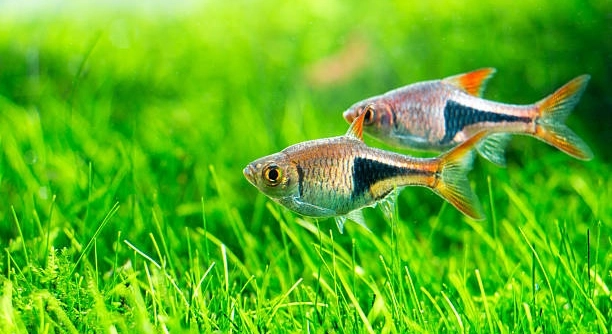
Rasboras are popular small fish often kept in home aquariums for their peaceful nature and bright colors. Despite their generally calm behavior, some owners notice sudden nipping among tank mates. This article explores why rasboras might nip randomly.
Rasboras may nip due to stress, overcrowding, or establishing social hierarchy. These behaviors are natural responses to environmental changes or competition for resources within the tank. Identifying the cause helps improve their habitat and reduce nipping incidents.
Understanding the reasons behind this behavior can improve your aquarium’s harmony and keep your rasboras healthy and comfortable.
Causes of Rasbora Nipping Behavior
Rasboras may nip each other for several reasons. One common cause is stress from poor water conditions or sudden changes in their environment. If the tank is overcrowded, fish may feel threatened or compete for space, leading to nipping. Another reason is establishing a social hierarchy within the group. Rasboras are schooling fish and sometimes show aggression to assert dominance. Limited hiding spots can also increase tension. Additionally, insufficient food or uneven feeding can cause competition and lead to nipping. Understanding these causes is essential for maintaining a peaceful tank. Regular water testing and proper tank maintenance help reduce stress. Ensuring enough space and hiding places can minimize conflicts. Feeding your fish evenly and regularly supports their health and reduces aggressive behavior. Watching your fish closely helps you notice early signs of trouble before the nipping becomes a bigger problem.
Taking simple steps to improve the environment often calms your rasboras and reduces their aggressive interactions significantly.
Nipping can be frustrating, but it often signals that something needs adjustment in the tank. By addressing water quality, space, and feeding habits, you can create a more harmonious setting. Rasboras generally prefer stable conditions with gentle water flow and plenty of room to swim. Adding plants or decorations provides shelter, helping shy or stressed fish feel safer. It’s also important to avoid sudden changes like drastic temperature shifts or aggressive tank mates. Carefully choosing compatible fish helps maintain peace. With some patience and attention, nipping usually decreases as your rasboras settle into their environment. Observing behavior patterns helps you understand their needs better, allowing you to respond promptly. This creates a healthier and more enjoyable aquarium for both the fish and the keeper.
How to Prevent and Manage Nipping
Preventing nipping begins with proper tank setup and care. Providing enough space and hiding spots reduces competition and stress among rasboras.
To manage nipping effectively, first check water parameters to ensure they meet ideal standards for rasboras. Keeping the tank clean and stable reduces stress-related aggression. Avoid overcrowding by following recommended stocking levels. Introduce plenty of live plants or decorations that create natural barriers and hiding places. Feeding should be consistent and distributed evenly to prevent food competition. Avoid aggressive or fin-nipping species that may provoke your rasboras. If nipping persists, rearranging tank decorations can disrupt established territories and reduce fights. Consider separating aggressive individuals if necessary. Monitoring behavior regularly helps catch early signs of stress or illness that could contribute to aggression. Patience and consistent care will improve your rasboras’ behavior and promote a peaceful tank environment.
Recognizing Signs of Stress in Rasboras
Stress in rasboras can show through unusual behavior such as hiding more than usual or swimming erratically. Frequent nipping may also be a sign they feel threatened or uncomfortable in their environment. Early detection helps prevent serious health issues.
Common signs of stress include faded colors, loss of appetite, and gasping near the water surface. Stress weakens the immune system, making rasboras more vulnerable to disease. Changes in water temperature, poor water quality, or aggressive tank mates can trigger these symptoms. Regular observation and testing water parameters can help you identify stress early. Adjusting tank conditions and maintaining a stable environment are key to reducing stress and improving your fish’s wellbeing.
Stress may also cause physical damage such as torn fins from repeated nipping or rubbing against objects. Treating the tank promptly and improving care conditions can help your rasboras recover and thrive in a healthier space.
Feeding Habits and Their Impact on Behavior
Feeding rasboras a balanced diet prevents aggression linked to competition for food. Overfeeding or irregular feeding times can increase stress and nipping incidents.
A proper feeding routine ensures that all fish receive enough nutrition without excess leftover food, which can degrade water quality. Rasboras benefit from varied diets including high-quality flakes, frozen, or live foods. Providing small portions multiple times a day helps reduce hunger-driven aggression. Avoid feeding too close to the tank bottom where dominant fish may hoard food, leaving others hungry. Consistent feeding schedules promote calmer behavior and overall health.
When fish feel well-fed and healthy, they are less likely to display aggressive tendencies. Careful feeding management is a simple but effective way to improve harmony among your rasboras.
Tank Size and Its Effect on Aggression
A small tank limits swimming space, increasing stress and aggression in rasboras. Overcrowding makes territorial disputes and nipping more common.
Ensuring adequate tank size allows rasboras to spread out and establish territories without constant conflict. Larger tanks reduce competition and promote natural schooling behavior.
Selecting Compatible Tank Mates
Choosing peaceful and similar-sized fish minimizes aggression in the tank. Avoid species known for fin-nipping or territorial behavior.
Rasboras do best with calm tank mates that share similar water and temperature needs. Aggressive or much larger fish can intimidate or injure them. Proper selection improves tank harmony and reduces stress-driven nipping.
Rearranging Tank Decorations
Changing the layout can break up territories and reduce aggressive behavior. New hiding spots help rasboras feel secure.
Rearranging plants and decorations interrupts established dominance patterns, helping reduce nipping among rasboras.
FAQ
Why do rasboras nip at each other randomly?
Rasboras nip randomly mainly because of stress, overcrowding, or social hierarchy. Stress can come from poor water quality or sudden changes in the tank environment. When there are too many fish in a small space, competition increases, and rasboras may nip to claim territory or assert dominance. Sometimes, nipping is simply a way to establish pecking order within the group. Recognizing the root cause helps prevent and manage this behavior effectively.
Can nipping harm my rasboras?
Yes, frequent nipping can cause physical damage such as torn fins and open wounds. These injuries increase the risk of infections and disease. Stress from being bitten also weakens the fish’s immune system, making them more vulnerable overall. If nipping is left unchecked, it can lead to chronic health issues or even death. Prompt action is necessary to protect your fish’s wellbeing.
How can I reduce nipping in my tank?
To reduce nipping, improve the tank environment by ensuring proper water quality and stable temperature. Avoid overcrowding by keeping an appropriate number of fish for your tank size. Add plenty of plants and hiding places to help fish feel safe and reduce territorial disputes. Feed your rasboras regularly with a balanced diet distributed evenly. Choosing peaceful tank mates also lowers stress and aggression.
Is it normal for rasboras to nip sometimes?
Occasional nipping can be normal as part of social interactions. Rasboras are schooling fish and may nip to communicate or establish hierarchy. However, consistent or aggressive nipping is a sign of problems. Monitoring behavior helps differentiate between normal social nips and harmful aggression. Small amounts of harmless nipping usually don’t cause concern if the fish appear healthy and active.
Can tank size affect nipping behavior?
Tank size directly influences nipping behavior. Small tanks with limited swimming space cause stress and increase aggression. Overcrowded tanks force rasboras into close contact, which can lead to more frequent nipping. Providing a larger tank where fish can spread out reduces stress and helps maintain peace. A well-sized tank supports natural schooling behavior and lowers competition.
Do diet and feeding habits influence nipping?
Yes, diet and feeding habits play a key role. Rasboras that are hungry or poorly fed tend to compete aggressively for food, causing nipping. Overfeeding can also harm water quality, increasing stress. Feeding small amounts multiple times daily and ensuring all fish get enough food helps reduce aggression. A varied diet with high-quality flakes, frozen, or live foods keeps rasboras healthy and less prone to nipping.
What tank mates are best to prevent nipping?
Peaceful fish of similar size that thrive in the same water conditions as rasboras are best. Avoid aggressive, territorial, or fin-nipping species that may provoke your fish. Suitable tank mates include small tetras, Corydoras catfish, or peaceful dwarf gouramis. Careful selection promotes harmony and decreases stress-related nipping in the tank.
Will rearranging tank decorations help with nipping?
Yes, rearranging decorations disrupts established territories and dominance patterns, reducing aggression. New hiding spots and visual barriers help fish feel secure and break up conflicts. Regularly changing the tank layout prevents prolonged territorial disputes and promotes a calmer environment.
When should I consider separating aggressive rasboras?
If nipping causes serious injury or stress despite improving tank conditions, separating the aggressive individuals may be necessary. Isolation can stop ongoing harm and allow both fish to recover. Observe fish carefully to identify the main aggressors. Temporary separation often helps restore peace when combined with environmental improvements.
How can I monitor rasbora behavior effectively?
Spend time watching your fish daily for changes in activity, coloration, or signs of injury. Note any frequent chasing, hiding, or erratic swimming. Testing water regularly and keeping records helps link behavior changes to environmental factors. Early detection of problems allows quicker responses and prevents worsening aggression or health issues.
Does water quality impact nipping behavior?
Poor water quality is a major stress factor that increases nipping. High ammonia, nitrite, or nitrate levels irritate fish and weaken their immune systems. Stable temperature and proper pH are also important. Regular water testing and maintenance keep the environment healthy, reducing stress and aggressive behavior.
Can nipping be a sign of illness?
Sometimes nipping or scratching may indicate illness or parasites rather than aggression. If fish repeatedly nip themselves or others, look for other symptoms like lethargy or discoloration. Quarantining sick fish and consulting an expert helps address health problems promptly. Proper diagnosis is key to effective treatment.
Is it helpful to keep more rasboras to reduce aggression?
Keeping a larger group often reduces nipping because the social stress is spread out. Rasboras are schooling fish and feel safer in groups of six or more. Too few fish can lead to bullying and dominance fights. However, make sure your tank size supports the group to avoid overcrowding stress.
What plants are best for hiding spots?
Dense, leafy plants like Java fern, Anubias, and floating plants provide excellent cover. These create safe areas and reduce line of sight, lowering territorial behavior. Live plants also improve water quality, which benefits overall fish health. Adding a variety of plants gives rasboras choices for shelter and comfort.
How long does it take for rasboras to stop nipping after changes?
Improvement time varies, but you may see reduced nipping within days to weeks after adjusting tank conditions. Patience is important because social behaviors take time to settle. Continuous care and monitoring ensure lasting peace and better health for your fish.
Rasboras are generally peaceful fish, but occasional nipping can happen for various reasons. Understanding why they nip helps you create a better environment for them. Stress, overcrowding, and social hierarchy are common causes. When you notice nipping, it is often a sign that something in the tank needs attention. By improving water quality, providing enough space, and choosing suitable tank mates, you can reduce this behavior. It is important to watch your fish regularly to catch any early signs of stress or aggression.
Maintaining a healthy diet and proper feeding schedule also plays a key role in preventing nipping. Feeding your rasboras small amounts multiple times a day and making sure all fish get enough food lowers competition and tension. Additionally, rearranging tank decorations or adding plants can break up territorial behavior and give your fish places to hide and feel safe. These simple changes can make a big difference in the overall harmony of your tank. Rasboras thrive best in a calm, stable environment that meets their needs.
If nipping continues despite your efforts, separating aggressive fish might be necessary for the well-being of the group. However, most of the time, adjusting the tank environment and care routine is enough to stop aggressive behavior. Patience and careful observation are essential in managing your rasboras’ behavior. With proper care and attention, your fish can live peacefully, showing their natural beauty and bright colors. Taking these steps ensures a healthier and more enjoyable aquarium for both you and your rasboras.

Hello,
If you enjoy the content that we create, please consider saying a "Thank You!" by leaving a tip.
Every little bit helps us continue crafting quality advice that supports the health, happiness, and well-being of pets around the world, for pets of all shapes, sizes, and species.
We really appreciate the kindness and support that you show us!