
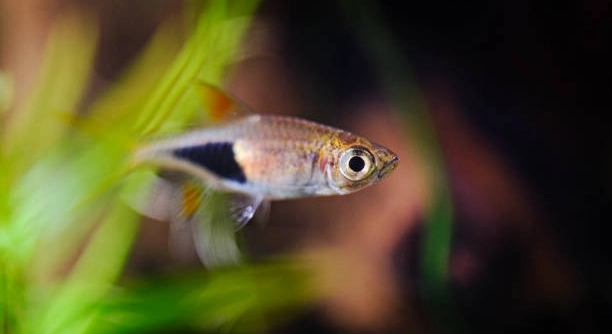
Rasboras are small, peaceful fish often kept in home aquariums. Sometimes, they appear very still, almost like they are frozen in place. This unusual behavior can catch the attention of many fish owners.
Rasboras may look frozen due to a natural defense mechanism called “freezing behavior,” where they remain motionless to avoid predators. This response helps them blend into their surroundings and reduces the chance of being noticed or attacked.
Understanding why rasboras freeze can help you better care for them and ensure their well-being in your aquarium environment. This article explains the reasons behind this interesting behavior.
Why Rasboras Freeze When They Feel Threatened
When rasboras sense danger, they often stay completely still as a survival tactic. This freezing helps them avoid being seen by predators, since movement usually attracts attention. In their natural habitat, staying motionless among plants or rocks can make them nearly invisible. It’s a simple but effective way to protect themselves. Even in a home aquarium, this instinct remains strong. If a rasbora feels stressed or startled, it might freeze for a short time until it feels safe again. This behavior isn’t harmful; rather, it shows the fish is trying to cope with its surroundings. Sometimes, sudden movements near the tank or loud noises can trigger this response. Observing your rasbora’s environment and reducing stress factors can help them feel more comfortable and active.
Freezing is a natural, harmless reaction that rasboras use to protect themselves from perceived threats.
By recognizing this behavior as a sign of stress or caution, you can better support your rasboras’ health and comfort in the aquarium. They will become more relaxed when their environment feels safe.
Environmental Factors Affecting Rasbora Behavior
Changes in water quality or temperature can influence how rasboras behave. Poor water conditions may cause stress, leading to more frequent freezing. Keeping the tank clean and stable is important for their well-being. Rasboras also prefer plenty of hiding spots, like plants and decorations, which help them feel secure. Without enough cover, they may freeze more often out of fear. Maintaining a calm environment with minimal sudden disturbances encourages natural swimming and activity. Lighting plays a role too; bright or flickering lights can make them uneasy. Consistent water parameters and a well-arranged tank reduce the chances of your rasboras feeling the need to freeze.
A balanced and stable aquarium setup helps rasboras stay calm and active.
When the environment is right, rasboras exhibit their natural lively behavior, making them enjoyable to watch. Monitoring water quality and providing sufficient hiding places are key to preventing excessive freezing. Regular tank maintenance and careful observation of your fish’s behavior help create a healthy habitat. Over time, your rasboras will adapt and feel secure, showing more movement and interaction within the tank. Adjusting lighting and avoiding loud noises also supports their comfort. Paying attention to these factors ensures your fish thrive and display their natural beauty.
How Lighting Influences Rasbora Behavior
Too much light can make rasboras feel exposed and stressed. Bright or direct lighting often causes them to freeze as they try to avoid attention.
A dimmer or more natural light setting helps rasboras feel safer. They are used to shaded environments in the wild, so soft lighting encourages normal swimming and exploration. Sudden changes in lighting, like turning lights on and off quickly, may startle them and trigger freezing behavior. Using a timer to create a consistent light schedule can reduce stress and improve their comfort.
Providing shaded areas in the tank with plants or decorations also helps control light exposure. This gives rasboras spots to retreat and rest without feeling vulnerable. Balanced lighting supports their natural habits and reduces the likelihood of frozen stillness.
The Role of Tank Mates on Rasbora Activity
Aggressive or overly active tank mates can cause rasboras to freeze more often out of fear or stress. Peaceful companions create a calmer environment.
Choosing compatible fish is important to keep rasboras comfortable. Some species might chase or intimidate them, leading to frequent freezing as a defense. A community of gentle fish helps rasboras feel safe to swim freely and interact. Avoid overcrowding, which increases stress and competition for space. Monitoring fish behavior regularly ensures all tank inhabitants get along well.
Keeping rasboras with calm, non-aggressive species promotes natural movement and reduces stress-induced freezing. Their well-being improves significantly in a balanced, peaceful community tank.
Stress and Its Impact on Rasbora Freezing
Stress is a major factor causing rasboras to freeze. Changes in their environment or rough handling can trigger this behavior.
Minimizing sudden noises and movements around the tank helps reduce stress. A calm setting encourages rasboras to swim naturally and avoid freezing.
Feeding Habits and Freezing Behavior
Rasboras may freeze when they feel threatened during feeding times. They often pause to observe their surroundings before approaching food. This cautious behavior helps them avoid predators while feeding. Ensuring a regular feeding schedule and placing food gently in the tank can reduce their stress. Feeding smaller amounts more frequently allows rasboras to eat comfortably without rushing or freezing out of fear.
Signs of Illness Related to Freezing
If freezing is accompanied by other symptoms like clamped fins or loss of appetite, illness may be a concern.
FAQ
Why does my rasbora sometimes freeze for long periods?
Rasboras freeze for extended times mainly when they feel unsafe or stressed. It is their natural defense to avoid being noticed by predators. If your tank environment is stable, clean, and calm, freezing should be brief. However, if the behavior lasts too long or happens often, check water quality and tank conditions. Sometimes illness or poor water parameters cause prolonged freezing.
Can freezing indicate health problems in rasboras?
Yes, freezing combined with other signs like lethargy, clamped fins, or loss of appetite can suggest illness. Parasites, infections, or poor water quality often cause these symptoms. Monitoring your fish’s overall behavior and tank conditions will help catch health issues early. If you notice unusual freezing alongside other symptoms, testing water and consulting a vet or fish expert is wise.
How can I reduce freezing behavior in my rasbora tank?
To reduce freezing, keep the tank environment stable with clean water, gentle lighting, and plenty of hiding spots. Avoid sudden movements, loud noises, or abrupt changes in lighting. Choose peaceful tank mates and feed your fish regularly with small amounts. Consistency and calm surroundings help rasboras feel secure and less likely to freeze.
Is freezing harmful to rasboras?
Freezing itself is not harmful; it’s a natural survival response. However, excessive freezing can indicate stress or poor tank conditions that might affect their health. When rasboras freeze frequently or for long periods, it’s important to review the tank setup and ensure water quality is good. Providing a safe environment reduces stress and supports overall well-being.
Do rasboras freeze more during certain times of the day?
Rasboras may freeze more when lights are first turned on or off, or when there is sudden movement near the tank. They are sensitive to changes in their environment, especially light and activity levels. A consistent light schedule and minimal disturbance help reduce these freeze responses during specific times.
Can tank size influence rasbora freezing?
Yes, tank size matters. A cramped or overcrowded tank increases stress, making rasboras more likely to freeze. Larger tanks with adequate space allow them to swim freely and find hiding places, which lowers stress. Providing an environment that mimics their natural habitat supports their comfort and reduces freezing.
What role do plants and decorations play in preventing freezing?
Plants and decorations give rasboras places to hide and feel safe. When they have shelter, they are less likely to freeze out of fear. Dense plants or driftwood create shaded areas that mimic their natural environment. This reduces stress and encourages active swimming.
Should I change tank conditions if my rasboras keep freezing?
Yes, if freezing persists, review tank parameters such as temperature, pH, and ammonia levels. Sudden changes or poor water quality can stress fish. Gradually adjust conditions to optimal levels for rasboras. Small, consistent improvements in the environment often reduce freezing behavior over time.
Is it normal for rasboras to freeze during feeding?
Yes, rasboras often freeze briefly to check for danger before eating. They stay alert to predators even while feeding. Feeding smaller amounts more frequently and avoiding sudden food drops helps them feel safe enough to eat without freezing for long periods.
Can lighting schedules affect freezing?
Definitely. A regular light schedule with gradual changes helps rasboras adjust naturally. Sudden on/off lighting or very bright lights can startle them and cause freezing. Using a timer for lights and keeping brightness moderate supports their comfort and reduces freezing.
How do I know if freezing is caused by tank mates?
If freezing increases after introducing new fish or when aggressive tank mates are present, it’s likely due to stress from those companions. Watch for chasing or bullying behavior. Choosing peaceful, compatible species helps rasboras feel secure and decreases freezing episodes.
Is freezing behavior common in all rasbora species?
Most rasbora species display freezing behavior as a defense mechanism, but the frequency and duration may vary. Some species are more timid and freeze longer, while others are more active. Understanding the specific needs of your rasbora species helps create a better environment and reduce stress.
How long should a freezing episode last?
Short freezing episodes of a few seconds to a minute are normal. Longer freezes, especially if repeated often, may indicate stress or health problems. Monitoring your rasboras closely and maintaining good tank conditions usually keeps freezing short and infrequent.
Can sudden changes in water temperature cause freezing?
Yes, sudden drops or spikes in water temperature can stress rasboras, leading them to freeze. Keeping temperature stable within the recommended range (around 72–79°F or 22–26°C) helps prevent this. Using a reliable heater and thermometer can maintain steady conditions.
What’s the best way to observe rasbora behavior without stressing them?
Watch your rasboras quietly from a distance without tapping on the glass or causing sudden movements. Avoid loud noises and bright flashes near the tank. This approach lets you see their natural behavior without triggering stress or freezing.
Rasboras are delicate fish with natural instincts that sometimes make them freeze in place. This behavior is mostly a way for them to stay safe by avoiding attention from potential threats. When they freeze, they rely on stillness to blend into their surroundings. It is important to remember that freezing is normal for rasboras and shows how they react to their environment. Understanding this behavior helps aquarium owners provide better care and create a calm, safe space for their fish to thrive.
Creating the right environment is key to reducing the times rasboras freeze. Stable water conditions, gentle lighting, and plenty of hiding spots all make a difference. Avoiding sudden noises or movements near the tank also helps keep them comfortable. Choosing peaceful tank mates and feeding them regularly supports their natural behavior. By making these small adjustments, rasboras will feel less stressed and be more active and lively. Keeping an eye on their behavior can alert you to any health problems early, especially if freezing becomes excessive or is combined with other signs of illness.
In the end, patience and attention to your tank’s conditions will go a long way. Rasboras may freeze from time to time, but with a calm environment and proper care, they will show their full personality. Observing them closely allows you to enjoy their unique charm while ensuring they stay healthy. This knowledge gives you confidence in managing their behavior and helps you provide the best home possible for these peaceful fish.

Hello,
If you enjoy the content that we create, please consider saying a "Thank You!" by leaving a tip.
Every little bit helps us continue crafting quality advice that supports the health, happiness, and well-being of pets around the world, for pets of all shapes, sizes, and species.
We really appreciate the kindness and support that you show us!