
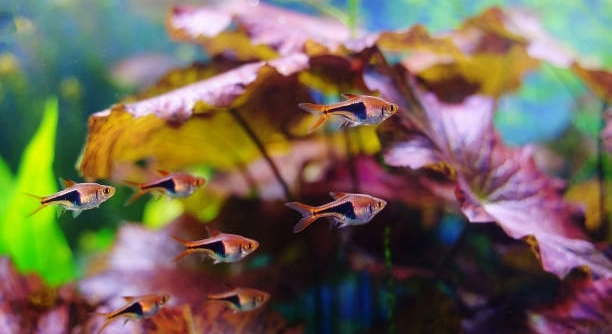
Do you ever find yourself watching your rasboras hanging around the filter, unsure if it’s normal or something to worry about?
Rasboras may linger near the filter due to the steady water flow, increased oxygen levels, or a preference for the calmer micro-environment it provides. In some cases, it could also signal stress or poor water conditions.
This behavior may seem small, but understanding it can help improve your rasbora’s comfort and well-being inside the tank.
Common Reasons Rasboras Stay Near the Filter
Rasboras often hover near the filter because of the steady flow of water and higher oxygen levels in that area. Filters create movement that some fish find comforting, especially in tanks where other areas feel too still. The gentle current near the filter mimics natural streams, which can help rasboras feel more at home. This spot may also offer safety, especially if the tank has more active or aggressive tank mates. They might use it to rest, stay out of sight, or recover from minor stress. If the rest of the tank feels too warm, the area around the filter might be slightly cooler, which rasboras sometimes prefer. Keep in mind, this behavior isn’t always a problem, but it’s good to pay attention to what your fish are telling you through their actions.
Some rasboras just like the spot. They find it calm, familiar, and safe, especially in newer tank setups.
It’s also important to remember that rasboras are naturally shy fish. If your tank lacks enough hiding spots, plants, or shaded areas, they may gravitate toward the filter for a sense of cover. Tank lighting can also impact their movement. Bright lights may push them toward shaded filter zones where they feel less exposed. If you recently added new fish or made any changes to the setup, they may also retreat to the filter area as a form of adjustment. These behaviors are fairly common and not always a reason to worry, but it’s still helpful to watch for patterns, especially if other fish avoid the same area.
When It Could Mean Something’s Off
If your rasboras are hanging near the filter all day, it might mean the tank isn’t meeting one of their basic needs.
In some cases, poor water conditions may drive fish toward the filter. This includes high ammonia, nitrite, or nitrate levels. The water near the filter tends to be more oxygen-rich, which can become appealing if the rest of the tank is not properly cycled or aerated. A lack of surface agitation, warm water temperatures, or overstocking can lead to oxygen depletion, making rasboras gravitate toward the filter’s flow. Stress from sudden water changes or leftover food breaking down can also be a factor. Keep a regular schedule of water tests and cleanings. A well-maintained tank supports a healthy environment and keeps your fish from feeling the need to hide or cling to one corner. If rasboras are showing signs of stress—like clamped fins, faded color, or fast gill movement—it’s worth checking your tank’s setup closely.
How Tank Setup Affects Their Behavior
A tank setup that feels too open or too crowded can cause rasboras to seek shelter near the filter. They prefer calm, shaded spaces with plants or decorations that give them a sense of cover and safety.
If your tank lacks enough plants or hiding areas, rasboras might not feel secure. Adding live or artificial plants, driftwood, or rocks can help them spread out and feel more relaxed. A strong light or reflective surfaces may also make them nervous, especially in sparse tanks. Try lowering the lighting slightly or using floating plants to soften it. Filtration flow strength matters too—some rasboras enjoy gentle movement, but if the filter pushes too much water, they may feel stressed and stick close to areas with manageable flow. Each rasbora behaves a little differently, but a well-structured setup helps reduce anxious behaviors.
It’s also helpful to consider the placement of the filter. If it’s the only area with movement or cover, fish may naturally gather there, especially if they’re new to the tank or adjusting to recent changes. A balanced layout with calmer zones, shaded spots, and a consistent routine will give your rasboras confidence to explore more freely instead of staying stuck near one spot.
Small Changes That Can Help
Even simple changes—like adjusting water flow or adding a few plants—can improve your rasboras’ comfort and reduce their need to stay near the filter.
Use decorations or tall plants to break up strong water currents and create resting spots around the tank. Rasboras tend to enjoy swimming in groups, so having six or more can make them feel more secure and active. Test your water regularly to catch imbalances before they become a problem. If the filter is too noisy or produces too much vibration, it might also disturb them. Try a sponge filter or adjust the flow direction slightly to soften the impact. Sometimes, just dimming the light a bit or adding floating plants can make a noticeable difference in their behavior and activity levels.
When your rasboras feel secure, they’ll start exploring more of the tank. Keeping their environment stable and calm is key. Be mindful of sudden temperature swings, loud noises around the tank, or adding too many fish at once. These small stressors can push them back into hiding. Creating a steady routine, maintaining good water quality, and watching how they respond to changes helps build a better home for them. The goal isn’t perfection, just steady care and simple improvements over time.
Water Movement and Oxygen Levels
The area near the filter often has better oxygen circulation. Rasboras might stay there if the rest of the tank lacks movement, especially in still or overstocked setups. This can become more noticeable during warmer months or low surface agitation.
A weak filter or poor placement might not circulate water evenly. That leads to uneven oxygen levels, and fish may crowd where the flow feels better. Try to create gentle water movement across the tank using air stones or by adjusting your filter output to improve oxygen distribution.
Signs of Stress to Watch For
Rasboras showing stress may have faded color, fast gill movement, or clamped fins. Some may stop schooling and isolate themselves. These are signs that something in the tank might not be right. Sudden changes, loud surroundings, or poor water conditions can all cause this shift in behavior.
Final Thought
Small habits like lingering near the filter can offer helpful insight into your rasboras’ comfort. Watching these patterns makes care easier and more effective.
FAQ
Why do rasboras stay near the filter only at certain times of day?
Rasboras may shift their position depending on lighting, temperature, and tank activity. In the early hours or when lights are bright, they might feel exposed and choose to stay near the filter for shade or calmness. If your home is noisy or busy at certain times, they may react by retreating to this area. Filters can also produce a gentle current that helps them rest after active swimming. If they only hang out near the filter during specific times, it’s often just part of their routine and not a sign of a problem.
Is it normal for only one rasbora to stay by the filter?
It can be. Some fish are more timid or less social, even within a schooling species like rasboras. If just one seems to linger by the filter while others swim freely, that individual might be adjusting to the tank, dealing with minor stress, or simply prefers quieter spots. However, if that rasbora is breathing heavily, not eating, or showing faded colors, it might be sick or stressed. In that case, it’s worth checking water parameters, tank mates’ behavior, and overall setup to rule out health concerns.
Does staying near the filter mean the water is bad?
Not always, but it can be a warning sign. Filters usually circulate oxygen better than still areas. If rasboras are crowding the filter, especially during warmer days or after feeding, they could be seeking more oxygen. Poor water quality—like high ammonia or nitrites—can cause this behavior too. It’s a good idea to test your water weekly and do regular partial water changes. A sudden spike in this behavior could mean the water needs attention. When in doubt, test first before adjusting anything.
Can strong filter flow stress rasboras?
Yes, rasboras prefer gentle flow. If your filter pushes out too much current, it can tire them out or push them into corners of the tank where the flow is softer. They might stay near the filter not because they like it, but because it’s the only manageable zone. Try using a sponge filter, baffle the flow with plants or decorations, or adjust the filter’s direction. A good balance in water movement keeps oxygen up without overwhelming the fish.
Should I add more rasboras to make them feel secure?
Yes, if your group is small. Rasboras are schooling fish and feel safer in groups of six or more. A small group may act shy, hide, or stay in one area more often. If you have space and your tank can support more, adding a few can help them behave more naturally. They tend to be more confident, active, and evenly spread across the tank when surrounded by more of their kind.
Can lighting affect where rasboras spend time?
Definitely. Bright lights can make rasboras uncomfortable, especially in tanks without enough plants or hiding spots. They may seek shade near the filter, especially if it’s the only dark or covered area. Try adding floating plants or adjusting your lighting duration and brightness. Natural-looking, softer lighting usually works best. When the tank feels too open or exposed, fish will naturally find shelter wherever they can.
Is staying near the filter dangerous for rasboras?
Not in most cases, but it depends. If they’re getting pulled into the intake or having trouble swimming near the filter, it might be too strong or poorly placed. Make sure there’s a sponge or pre-filter over the intake to prevent injury. Also, check that they’re not trapped between the filter and glass. As long as they’re swimming normally and not showing signs of distress, it’s likely safe. Just keep an eye on their behavior and make adjustments if something seems off.
How can I tell if my rasboras are just resting near the filter?
Resting rasboras will hover calmly, often in a group, and look relaxed. Their fins won’t be clamped, and their color should stay bright. If they scatter quickly when approached but return soon after, they likely feel safe there. Compare this to stress signs like pale color, fast breathing, or isolation. Regular, calm hovering usually just means they feel secure in that spot and enjoy the flow or shade the filter provides.
Final Thoughts
Rasboras are gentle, peaceful fish that often show how they feel through their behavior. When they stay near the filter, it’s not always something to worry about. Sometimes they are simply looking for calm water, more oxygen, or a quiet place to rest. The filter can offer all of these things, especially in tanks that are too bright, too open, or lacking in plant cover. Many rasboras feel more at ease near water movement, especially if other parts of the tank are too still or stressful. It’s a small detail, but one that can tell you a lot about how your fish are adjusting to their environment.
Still, if the behavior seems sudden or out of character, it’s worth looking a little closer. Changes in water quality, temperature, or tank layout can all play a role in how rasboras act. If your fish look pale, breathe fast, or start hiding more often, it might be a sign that something in the tank needs attention. Simple fixes like adding plants, adjusting lighting, or changing the filter flow can help a lot. Testing the water regularly can also prevent problems before they grow. The goal is to keep the tank stable and calm so the fish feel safe moving around the whole space—not just one corner.
Watching where your rasboras choose to spend their time can help you learn more about what they need. Small changes in behavior can be early clues, and making adjustments based on those signs can lead to a healthier tank. It doesn’t have to be complicated. Focus on steady routines, clean water, gentle lighting, and enough hiding spots. When rasboras feel safe, they show brighter colors, swim more freely, and act more social. Whether they’re near the filter or not, their comfort depends on the care you give them each day. Paying attention to those small signs helps build a better home for your fish—and a better experience for you as well.

Hello,
If you enjoy the content that we create, please consider saying a "Thank You!" by leaving a tip.
Every little bit helps us continue crafting quality advice that supports the health, happiness, and well-being of pets around the world, for pets of all shapes, sizes, and species.
We really appreciate the kindness and support that you show us!