
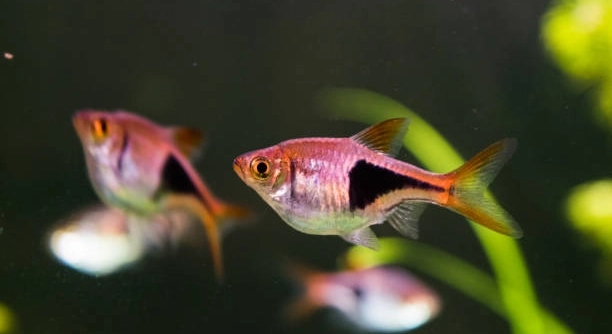
Rasboras are small, lively fish that often catch the eye in home aquariums. They sometimes seem to disappear behind plants or decorations, only to dart out quickly again. This behavior can be puzzling to many fish keepers.
Rasboras hide and then swim suddenly mainly due to instinctive responses to their environment. This behavior helps them avoid predators, explore safely, or react to changes in light and movement around them. It is a natural survival tactic rather than a sign of illness.
Understanding why rasboras act this way can help improve their care and make your aquarium more enjoyable. Their sudden movements reveal much about their comfort and safety needs.
Common Reasons Rasboras Hide
Rasboras often hide because they feel threatened or stressed in their environment. Changes like new tank mates, sudden movements outside the tank, or loud noises can cause them to seek shelter. They may also hide when the water quality is poor or the temperature is not right. Rasboras are naturally shy fish, so they prefer to stay near plants or decorations where they feel safe. Sometimes, they hide simply because they are resting or avoiding bright lights. Creating a calm, stable environment with plenty of hiding spots can help reduce this behavior. Observing when and how often they hide will give clues about their well-being.
Hiding is a normal behavior but frequent, long periods of hiding may indicate discomfort or health issues.
Rasboras use hiding as a way to protect themselves. When they feel safe, they swim out more confidently. Adjusting tank conditions, like improving water quality or rearranging decorations, often helps them feel more secure and encourages natural swimming behavior.
Sudden Swimming Spells
Sudden bursts of swimming are typical for rasboras. These quick movements are usually linked to feeding times or reacting to external stimuli. When food is introduced, they dart out eagerly to catch it. Likewise, quick movements outside the tank or shadows can trigger their sudden swims. This behavior is also a way to explore or establish their space.
Occasional quick swimming shows healthy alertness and energy.
These sudden swims help rasboras stay alert and aware of their environment. It is a natural survival instinct to be ready for any threat. However, if the swimming seems frantic or uncontrolled, it might be a sign of stress or poor water conditions. Regular feeding schedules and minimizing disturbances can reduce unnecessary bursts and keep them calm. Providing enough space and hiding spots balances their need to explore and feel safe, improving their overall behavior.
How Tank Environment Affects Behavior
Tank setup strongly influences rasbora behavior. Too little cover makes them feel exposed, while overcrowding causes stress and hiding. Proper lighting and stable water parameters also matter.
An ideal tank has plenty of plants and hiding spots, moderate lighting, and consistent temperature and water quality. Rasboras thrive in peaceful environments without sudden changes or aggressive tank mates. When conditions are right, they feel safe and display more natural swimming patterns.
If the tank is noisy or too bright, rasboras tend to hide more often. Clear water with gentle filtration helps reduce stress and encourages them to swim confidently. Keeping the environment stable supports their health and behavior.
Feeding and Activity Patterns
Rasboras become more active around feeding times and may dart suddenly to catch food. They respond quickly to feeding routines and often swim together when food is near. Regular feeding schedules help reduce stress and erratic swimming.
Providing small, frequent meals mimics their natural feeding habits and encourages calm behavior. Overfeeding can lead to health problems and restless swimming, so portion control is important. Live or frozen foods can boost activity but should be balanced with flakes or pellets.
Observing their feeding responses can reveal a lot about their comfort and well-being. Maintaining a consistent routine and a balanced diet keeps rasboras healthy and active without causing stress or sudden bursts of frantic swimming.
Social Behavior of Rasboras
Rasboras are schooling fish and feel safer in groups. When alone, they often hide more and swim less.
Keeping at least six together helps reduce stress and encourages natural, active swimming behavior.
Responses to External Stimuli
Rasboras react quickly to changes like shadows, sudden movements, or tapping on the tank. These stimuli trigger their instinct to hide or swim suddenly. It’s important to minimize such disturbances to keep them calm.
Health-Related Causes of Hiding
Illness or parasites can cause rasboras to hide more frequently. Watch for signs like lethargy, loss of appetite, or unusual spots. Early detection helps prevent worsening conditions and supports recovery.
Importance of Routine
Rasboras thrive with consistent care routines. Sudden changes can increase stress, leading to hiding and sudden swimming bursts. Maintaining stable conditions and gentle handling improves their comfort and behavior.
FAQ
Why does my rasbora hide most of the time?
Rasboras hide mostly because they feel unsafe or stressed. It can be due to poor water quality, aggressive tank mates, or a lack of hiding spots. They are naturally shy fish and need plants or decorations to feel secure. Improving tank conditions and adding cover usually helps them come out more often.
Is sudden swimming a sign of illness?
Sudden swimming is usually a normal behavior caused by excitement or reacting to stimuli. However, if the movement looks frantic or uncontrolled, it might indicate stress or health problems. Check water quality and watch for other symptoms like loss of appetite or changes in color.
How many rasboras should I keep together?
Rasboras do best in groups of six or more. Being in a school helps reduce their stress and encourages natural swimming patterns. Smaller groups or singles may hide more and act nervous.
What tank conditions make rasboras comfortable?
Stable water temperature between 72–79°F (22–26°C), a pH around 6.5–7.5, and clean, filtered water are ideal. Moderate lighting and plenty of plants or decorations give them places to hide, making them feel safe.
Can feeding affect their behavior?
Yes, feeding times often trigger sudden swimming as they get excited to eat. Regular feeding schedules help keep this behavior predictable and calm. Avoid overfeeding to prevent restlessness and health issues.
Why do rasboras hide after adding new fish?
New tank mates can cause stress and make rasboras feel threatened. They hide to avoid confrontation until they adjust. Introduce new fish slowly and keep the tank environment calm to help them settle.
Should I worry if my rasbora stays hidden for days?
Long periods of hiding may signal a problem like illness or poor tank conditions. Monitor water quality, look for signs of sickness, and consider if the tank environment is stressful. If unsure, consulting a vet or fish expert is a good idea.
How can I reduce stress in my rasboras?
Keep a stable tank environment with proper water parameters, avoid sudden changes, and provide plenty of hiding spots. Limit loud noises and vibrations near the tank. Maintaining a peaceful community tank helps reduce their stress levels.
Do rasboras sleep when hiding?
Yes, rasboras sometimes rest or sleep while hiding. They prefer quiet, shaded areas for this. Their behavior during these times is calm and still, unlike hiding caused by stress, which is more tense and alert.
Is tank size important for their behavior?
A tank that is too small can cause stress and increased hiding. A minimum of 10 gallons is recommended for a small group of rasboras, with larger tanks preferred for bigger schools. More space allows them to swim freely and behave naturally.
How do I know if my rasbora is healthy?
Healthy rasboras swim actively, have clear eyes and vibrant colors, and eat regularly. They hide occasionally but mostly explore the tank. Changes in behavior, color fading, or visible spots can signal health problems.
What should I do if my rasbora is stressed?
First, test the water for ammonia, nitrites, and nitrates, and correct any issues. Provide hiding places and reduce disturbances near the tank. Adjust lighting if it’s too bright, and keep feeding consistent. Stress relief improves their behavior quickly.
Can sudden noises cause sudden swimming?
Yes, loud or unexpected noises can startle rasboras, causing quick bursts of swimming. Minimizing noise around the tank and avoiding tapping the glass helps keep them calm.
Is it normal for rasboras to dart around at night?
Rasboras usually rest at night, but occasional darting can happen if there is disturbance or sudden light changes. Ensuring a stable day-night cycle with a proper light schedule supports their natural behavior.
How do I encourage my rasbora to come out of hiding?
Create a calm environment with plenty of plants and decorations. Keep the tank clean and stable, feed regularly, and avoid sudden movements near the tank. Over time, rasboras will feel safer and spend more time swimming openly.
Rasboras are small, active fish that have unique ways of showing how they feel. Their habit of hiding and then suddenly swimming is normal and mostly linked to their natural instincts. When they hide, it usually means they feel safer and protected. When they swim quickly, it often means they are alert, curious, or reacting to something in their environment. Understanding these behaviors helps fish keepers provide better care and create a comfortable space for their rasboras.
A lot of rasbora behavior comes from how their tank is set up and maintained. Having a tank with enough plants, decorations, and hiding spots makes a big difference. It gives them places to retreat when they feel nervous. The right water temperature, clean water, and calm surroundings also keep them healthy and less stressed. Feeding them on a regular schedule with the right type of food helps regulate their activity and prevents sudden bursts of frantic swimming. Keeping them in groups of at least six encourages more natural behavior since they feel safer with companions.
If your rasboras hide a lot or swim suddenly more than usual, it’s important to check their environment and health. Sometimes, these signs can mean stress or illness, especially if they also lose appetite or show unusual colors or spots. Maintaining a stable, peaceful tank and watching your fish closely is the best way to keep them happy. Small changes in how you care for them can make a big difference in their behavior. Knowing what causes their hiding and sudden swimming will help you enjoy your aquarium more and support your rasboras in living their best lives.

Hello,
If you enjoy the content that we create, please consider saying a "Thank You!" by leaving a tip.
Every little bit helps us continue crafting quality advice that supports the health, happiness, and well-being of pets around the world, for pets of all shapes, sizes, and species.
We really appreciate the kindness and support that you show us!