
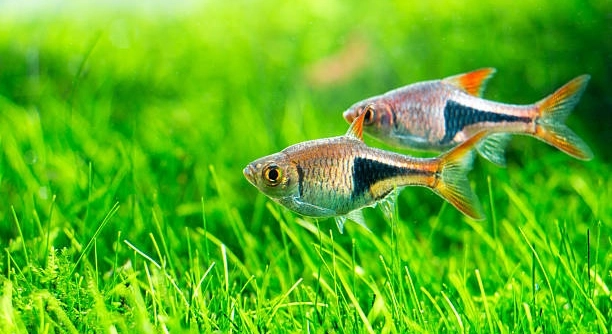
Rasboras are small freshwater fish popular in many home aquariums. They are known for their peaceful nature and active swimming behavior. Sometimes, these fish flip or swim upside down, which can catch attention easily.
Rasboras might flip mid-swim due to swim bladder issues, stress, or changes in water quality. These factors affect their buoyancy control, causing them to lose balance and flip unexpectedly while swimming in their environment.
Understanding why this happens can help you keep your rasboras healthy and comfortable in their tank. Paying attention to their behavior is important for their well-being.
Causes of Rasbora Flipping Mid-Swim
Rasboras may flip mid-swim primarily due to problems with their swim bladder, a small organ that helps them maintain balance and control buoyancy. When the swim bladder is affected, the fish can struggle to stay upright and swim properly. Poor water conditions, such as incorrect pH or high ammonia levels, can also stress rasboras, making them more likely to flip. Infections caused by bacteria or parasites might interfere with their internal balance. Additionally, sudden changes in temperature or water chemistry can confuse the fish’s sense of orientation. Overfeeding or feeding inappropriate food can cause digestive issues that impact their buoyancy. Lastly, physical injury from tank mates or rough decorations can also contribute to abnormal swimming behavior. Regular water testing and tank maintenance help prevent these problems, and feeding high-quality food supports the fish’s health.
Keeping an eye on water quality and feeding habits can reduce flipping incidents in rasboras. Healthy conditions help fish swim normally and avoid stress.
If your rasbora flips often, start by checking water parameters like ammonia, nitrite, nitrate, and pH. Make sure the tank temperature is stable, around 74-79°F (23-26°C), which suits most rasboras. Feed them small amounts of appropriate food, avoiding overfeeding that might cause swim bladder problems. Removing aggressive tank mates or sharp decorations will prevent injuries. Quarantining new fish can reduce the risk of infections spreading. Observing these factors early can improve your fish’s behavior and overall health, making the aquarium a more peaceful place for everyone.
How to Help Rasboras Regain Balance
Treating swim bladder issues often involves correcting water quality and diet first.
If flipping continues, isolating the affected fish in a quarantine tank can help you monitor and treat it properly. Adding aquarium salt in small doses may reduce stress and support healing. Feeding peas (skins removed) can relieve constipation, which sometimes affects buoyancy. Avoid sudden water changes and keep the tank stable to prevent further stress. If you notice signs of infection, a vet or aquatic specialist might recommend medication. Regular maintenance and proper care are the best ways to avoid repeated flipping behavior. Understanding these steps can keep your rasboras swimming smoothly again, improving their quality of life and your enjoyment of the aquarium.
Preventing Swim Bladder Problems in Rasboras
Maintaining clean water is essential for preventing swim bladder issues. Regular water changes and testing keep harmful chemicals low. Avoid overfeeding by giving small portions. A balanced diet with high-quality food supports digestion and buoyancy.
Water quality plays a major role in rasbora health. Ammonia and nitrite levels should always be at zero, while nitrate must stay below 20 ppm. Use a reliable test kit weekly to monitor these parameters. Change about 20-30% of the water weekly to remove waste and toxins. Overfeeding leads to leftover food that pollutes the tank and causes constipation, a common cause of swim bladder problems. Feeding a mix of flakes, pellets, and occasional live or frozen foods helps keep the fish healthy and prevents digestive troubles.
Stress from overcrowding or aggressive tank mates also affects swim bladder function. Keep the tank well stocked but avoid too many fish in a small space. Adding plenty of plants and hiding spots reduces stress and encourages natural behavior. Watching for bullying or fighting helps you separate aggressive fish early. Maintaining a peaceful environment makes it easier for rasboras to swim normally.
Signs of Swim Bladder Issues
Swimming upside down or sideways is a clear sign. Fish may float near the surface or sink to the bottom. Difficulty swimming or sudden flips also indicate problems.
Other signs include loss of appetite, lethargy, and swollen belly. A rasbora with swim bladder problems might hover awkwardly or struggle to stay balanced. These symptoms show a disturbance in buoyancy control, often caused by internal or environmental factors. Early recognition allows faster treatment and better recovery chances. If multiple fish show symptoms, check water quality immediately. Proper diagnosis helps avoid wasting time on ineffective treatments.
Behavioral changes like hiding more often or avoiding food can signal discomfort. Monitor your fish daily for unusual swimming or posture. Catching issues early makes a big difference in health outcomes. Consistent tank maintenance and observation are key to preventing severe problems.
Common Water Quality Issues
Poor water quality often causes rasboras to flip mid-swim. High ammonia, nitrite, or nitrate levels can stress fish and disrupt their buoyancy. Regular testing and water changes are crucial to prevent these issues.
Chlorine and heavy metals in tap water also harm rasboras. Always treat new water with a conditioner before adding it to the tank. This step protects your fish from harmful chemicals that affect their health and swimming ability.
Feeding Tips to Avoid Flipping
Feed small amounts two to three times daily. Avoid overfeeding, which can lead to constipation and swim bladder problems. Include a mix of flakes, pellets, and occasional frozen foods to provide balanced nutrition.
Tank Setup for Healthy Swimming
A well-planted tank with open swimming space helps rasboras move naturally. Avoid sharp decorations that could injure fish or cause stress.
When to Seek Professional Help
If your rasbora’s flipping persists despite good care, consult a vet or aquatic specialist. They can diagnose infections or internal issues needing treatment.
FAQ
Why does my rasbora flip upside down sometimes?
Flipping upside down often means there’s an issue with the swim bladder, which controls buoyancy. This can happen because of poor water quality, stress, infections, or digestive problems like constipation. When the swim bladder doesn’t work properly, the fish can’t maintain normal swimming posture and may flip unexpectedly.
Can overfeeding cause my rasbora to swim upside down?
Yes. Overfeeding is a common cause of swim bladder problems. Too much food can lead to constipation, which presses on the swim bladder and disrupts balance. Feeding small amounts and avoiding excessive treats helps prevent this issue. A varied diet with fiber-rich foods can support good digestion.
How do I improve water quality for my rasboras?
Regular water changes are the best way to keep water clean. Test the water weekly for ammonia, nitrites, nitrates, and pH. Make sure ammonia and nitrites are always at zero, and nitrates stay below 20 ppm. Use a water conditioner to remove chlorine and heavy metals when adding new water.
Is temperature important for preventing flipping?
Absolutely. Rasboras need stable temperatures between 74°F and 79°F (23°C to 26°C). Sudden changes can stress them and affect buoyancy control. Use a heater and thermometer to keep the tank temperature steady.
Can stress cause my rasbora to swim abnormally?
Yes. Stress from overcrowding, aggressive tank mates, or a lack of hiding spaces can cause erratic swimming or flipping. Providing enough room, peaceful companions, and plants or decorations for shelter helps reduce stress.
What foods are best for rasboras to avoid swim bladder issues?
High-quality flakes and pellets designed for small tropical fish are good. Occasionally feeding frozen or live foods like daphnia or bloodworms adds variety. Avoid feeding too much dry food or large pieces that are hard to digest. Peas (with skins removed) can help if constipation appears.
How can I tell if my rasbora is sick or just stressed?
Sick fish often show other signs like loss of appetite, lethargy, swollen belly, or discoloration. Stress usually causes changes in behavior but no physical symptoms. If flipping comes with other symptoms, consider infection or illness and act quickly.
Should I isolate a flipping rasbora?
If the fish shows severe or prolonged symptoms, isolating it in a quarantine tank can help you monitor and treat it more easily. Quarantine reduces stress from other fish and helps prevent the spread of infection if present.
Are medications necessary for swim bladder problems?
Not always. Many swim bladder problems improve with better water quality, diet, and stress reduction. If an infection is suspected, medication may be needed. Always get advice from a vet or aquatic specialist before using medicines.
Can tank decorations cause rasboras to flip?
Sharp or rough decorations can injure fish, causing stress and swimming difficulties. Overcrowded or poorly arranged tanks also limit swimming space. Ensure decorations are smooth and provide enough room for comfortable swimming.
How long does it take for a rasbora to recover from flipping?
Recovery time varies. Mild swim bladder issues may improve in days with proper care, while infections or injuries can take weeks. Consistency in water maintenance and feeding is key to faster healing.
Is flipping behavior normal in young rasboras?
Young rasboras may sometimes flip briefly as they learn to swim and develop balance. However, frequent or prolonged flipping usually signals a problem. Monitor young fish carefully to catch any issues early.
Can water hardness affect rasbora buoyancy?
Yes. Rasboras prefer soft to moderately hard water. Extremely hard or very soft water can stress them and affect internal organs, including the swim bladder. Testing and adjusting water hardness can improve overall health.
What can I do to make my rasbora’s tank safer?
Keep water clean, avoid overcrowding, provide plenty of plants, and remove sharp objects. Feed a balanced diet and maintain stable water parameters. Regular observation helps catch problems early before they worsen.
Is it normal for rasboras to swim upside down while resting?
No, normal resting positions are upright. Swimming upside down or sideways during rest usually indicates buoyancy issues or illness. If this happens often, check water quality and health immediately.
Can temperature shock cause sudden flipping?
Yes. Rapid temperature drops or spikes shock fish and may cause loss of balance. Always introduce water slowly during changes and keep the tank heater running steadily.
How often should I feed my rasboras to avoid flipping?
Feeding two to three small meals daily works well. Avoid feeding once a day with a large portion. Regular small meals support digestion and prevent constipation, which reduces swim bladder problems.
Does adding aquarium salt help with flipping fish?
Small doses of aquarium salt can reduce stress and support healing for some fish. However, it’s not a cure-all. Use salt carefully and according to species needs, as excessive salt can harm freshwater fish.
What are the signs of bacterial infection causing swim bladder issues?
Symptoms include bloated belly, cloudy eyes, discoloration, and unusual swimming like flipping or spinning. If you notice these signs, seek veterinary advice for proper diagnosis and treatment.
Can live plants improve rasbora swimming behavior?
Live plants help reduce stress, improve water quality, and provide hiding spots. This environment encourages natural swimming and can reduce flipping caused by stress.
Is there a way to prevent swim bladder issues completely?
Consistent tank maintenance, balanced diet, stable water parameters, and a stress-free environment are the best ways to prevent swim bladder problems. Early detection of any changes in behavior also helps keep rasboras healthy.
Rasboras flipping mid-swim is a behavior that often signals underlying health or environmental issues. Understanding the main causes, like swim bladder problems, stress, or poor water quality, is important to help these fish live comfortably. By keeping an eye on their tank conditions and behavior, you can catch problems early before they become serious. Good water quality, a balanced diet, and a peaceful tank environment are key factors in preventing flipping and ensuring your rasboras thrive.
Proper care for rasboras includes regular water testing and changes to maintain safe levels of ammonia, nitrites, and nitrates. Feeding the right amount of high-quality food also plays a big role in keeping their swim bladder functioning well. Overfeeding or poor diet can lead to digestive issues that make swimming difficult. Providing a stable temperature and avoiding sudden changes help reduce stress, which can otherwise contribute to flipping. Giving your fish plenty of space and some plants or decorations for hiding makes their environment less stressful and more natural.
If flipping continues despite your best efforts, it may be time to seek help from a veterinarian or aquatic specialist. Sometimes infections or injuries require treatment beyond regular tank maintenance. Isolating the affected fish can allow for closer monitoring and easier care. Overall, paying close attention to your rasboras’ behavior and environment will help keep them healthy and swimming properly. With consistent care, you can enjoy watching your rasboras move gracefully through the water, free from flipping or balance issues.

Hello,
If you enjoy the content that we create, please consider saying a "Thank You!" by leaving a tip.
Every little bit helps us continue crafting quality advice that supports the health, happiness, and well-being of pets around the world, for pets of all shapes, sizes, and species.
We really appreciate the kindness and support that you show us!