
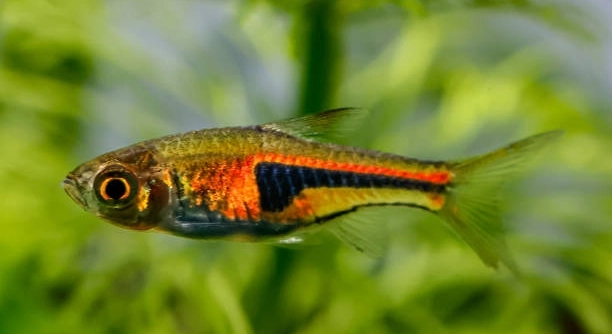
Rasboras are small, lively fish that brighten any aquarium with their movement and color. Observing them can be both relaxing and informative, especially when noticing unusual behaviors such as avoiding the tank bottom.
Rasboras typically avoid the tank bottom due to factors including water quality, substrate type, lack of hiding spaces, or stress from tank mates. Addressing these conditions can encourage more balanced swimming patterns and overall health in the aquarium environment.
Learning why these fish prefer the upper and middle regions provides insight into their natural habits and helps create a more comfortable tank for them.
Understanding Rasbora Behavior
Rasboras are naturally mid- to upper-level swimmers in their habitat. In aquariums, they may avoid the tank bottom if the environment does not meet their comfort needs. Substrate type plays a role; rough or dark substrates can make fish feel exposed or unsafe. Overcrowding and aggressive tank mates add stress, prompting them to stay higher. Light intensity also affects their behavior—bright lighting can discourage bottom exploration. Water parameters are crucial; high ammonia, nitrite, or incorrect pH levels can drive them away from lower regions. Providing plants, decorations, and gentle water flow helps create safe zones near the bottom. Temperature variations influence activity levels, and stable, appropriate temperatures encourage normal swimming. Observing their movements over time gives insight into whether these factors are impacting behavior. Adjustments should be gradual to prevent additional stress. Maintaining a clean, calm, and well-structured environment often results in Rasboras feeling safe enough to explore all tank levels naturally.
Stress from the environment can strongly influence Rasbora swimming patterns, so monitoring conditions is essential for their well-being.
Creating a safe habitat involves careful selection of substrate, decorations, and water conditions. Plants like floating or tall stem species provide shelter and reduce perceived threats. Gentle water currents mimic natural habitats and encourage exploration. Regular observation helps identify if they are avoiding the bottom due to stress or health concerns. Feeding habits also affect behavior; they tend to swim higher during feeding times. Balancing tank mates and avoiding aggressive species reduces anxiety. Consistent water changes and filtration improve overall water quality, making the bottom more inviting. Gradual changes in the environment allow Rasboras to adjust without panic. This approach fosters natural movement patterns, promoting healthier fish and a more dynamic tank. With patience and careful attention, their natural behaviors can return, allowing for more diverse swimming and interaction with the tank’s lower levels.
Substrate and Tank Design
Choosing the right substrate improves Rasbora comfort. Soft sand or smooth gravel is often preferred over sharp or dark materials.
Decorations and hiding spots are essential for bottom exploration. Plants, caves, or driftwood provide security while maintaining open swimming space.
Tank layout should balance open areas with sheltered zones. Floating plants can diffuse light, making lower levels less intimidating. Rounded or smooth stones reduce risk of injury. Positioning plants strategically creates a sense of safety without overcrowding. Maintaining a gradual slope from front to back allows visual depth while giving bottom areas more accessibility. Avoid overdecorating, as Rasboras need space to swim freely. Observing their interaction with the layout helps identify preferred spots and potential stress points. Adjusting the arrangement gradually encourages exploration while keeping the environment stable. Clean substrate prevents debris buildup that could affect swimming behavior. By combining thoughtful design with stable water conditions, Rasboras are more likely to use the full tank, enhancing their activity and health.
Lighting and Water Flow
Bright lighting can make Rasboras feel exposed, causing them to avoid the tank bottom. Adjusting light intensity or providing shaded areas helps them feel safer. Gentle water currents encourage natural swimming without forcing them into uncomfortable zones.
Providing diffused light through floating plants or positioned decorations can make lower levels more inviting. Strong, direct lighting often deters fish from exploring the bottom. Water flow should mimic natural conditions; too strong can push them upward, while too weak may leave them inactive. Proper filtration ensures clean water and reduces stress. Observing their response to adjustments guides further changes, allowing them to explore the full tank comfortably. Gradual adaptation helps Rasboras feel secure while maintaining active swimming habits.
Plant placement affects both lighting and flow, offering shelter near the bottom. Dense or tall plants create shaded zones, while open areas maintain swimming freedom. Positioning plants strategically encourages exploration while keeping lower levels safe. Driftwood or smooth stones also provide hiding spots and break strong currents. By arranging these elements thoughtfully, Rasboras can move naturally throughout the tank, balancing safety and activity. Consistent monitoring of water flow and lighting ensures conditions remain suitable, supporting healthy behavior over time.
Feeding Habits and Tank Companions
Rasboras often swim higher during feeding, especially if tank mates compete aggressively for food. Controlled feeding reduces stress and encourages natural bottom exploration.
Feeding small, frequent portions helps Rasboras feel secure and reduces dominance by other fish. Bottom dwellers like Corydoras can coexist, encouraging Rasboras to venture lower. Avoiding overly aggressive species prevents intimidation and allows more balanced swimming. Observation of feeding patterns helps determine if they are avoiding the bottom due to competition or fear. Adjusting the timing and location of food can gradually encourage lower-level activity. Regular, predictable feeding routines foster a sense of safety, allowing natural behaviors to emerge over time.
Tank companions strongly influence where Rasboras swim. Aggressive or territorial species can keep them near the surface, while calm, compatible fish promote exploration. Choosing peaceful community fish allows Rasboras to access all tank levels without fear. Monitoring interactions identifies any issues early. Providing shared hiding spots and scattered feeding areas reduces conflict. A carefully planned community encourages natural behavior and healthy activity patterns. By balancing companions and tank design, Rasboras are more likely to use the full tank environment safely and confidently.
Water Quality
Rasboras are sensitive to water conditions, including pH, ammonia, nitrite, and nitrate levels. Poor water quality can make them avoid the bottom. Regular testing and maintenance help maintain stable, safe conditions for all tank levels.
Maintaining consistent temperature and gentle filtration reduces stress. Sudden changes in water chemistry often drive Rasboras upward. Regular water changes and careful monitoring support their comfort and encourage natural swimming throughout the tank.
Temperature Control
Stable temperatures between 22–28°C (72–82°F) suit most Rasbora species. Fluctuations cause stress, making them stay higher in the tank to escape perceived threats near the bottom. Proper heating and monitoring ensure consistent conditions and promote normal activity.
Disease and Health Issues
Illness or parasites can influence swimming behavior. Infected Rasboras may avoid the bottom due to discomfort, lethargy, or sensitivity. Observing for signs like clamped fins, spots, or abnormal movement helps detect health issues early and supports prompt treatment to restore normal behavior.
Observation and Adjustment
Careful monitoring of Rasboras’ behavior is essential. Noting patterns and reactions to environmental changes allows for timely adjustments, ensuring they remain comfortable and explore all areas of the tank safely.
FAQ
Why does my Rasbora avoid the tank bottom even with hiding spots?
Even with adequate hiding places, Rasboras may avoid the bottom if water quality or lighting is not ideal. High ammonia, nitrite levels, or strong light can make them feel unsafe. They respond better to gradual adjustments, gentle lighting, and stable water parameters.
Can tank mates affect Rasbora swimming behavior?
Yes. Aggressive or territorial fish can intimidate Rasboras, causing them to stay near the surface. Peaceful community fish encourage exploration. Observing interactions and adjusting companions or tank layout can help Rasboras feel secure enough to use lower areas.
Does substrate type influence bottom avoidance?
Rough or dark substrates can feel unsafe for Rasboras. Soft sand or smooth gravel provides a more comfortable surface. Rounded stones and gradual slopes create safer zones, making the lower tank more inviting and encouraging exploration.
How does lighting affect Rasboras’ bottom swimming?
Bright, direct light often deters bottom activity. Floating plants, tall stems, or strategically placed decorations can diffuse light, creating shaded areas where Rasboras feel safe to explore. Adjusting light gradually ensures they adapt without stress.
Could temperature fluctuations be causing this behavior?
Yes. Rasboras prefer stable temperatures between 22–28°C (72–82°F). Sudden drops or spikes can stress them, prompting avoidance of lower levels. A reliable heater and thermometer help maintain consistent conditions, promoting normal swimming throughout the tank.
Does feeding influence bottom exploration?
Feeding habits play a role. Rasboras often swim higher during feeding, especially if competition is present. Small, frequent feedings and scattering food near the bottom can encourage them to explore lower areas safely. Observing feeding patterns helps adjust strategies.
Can disease or parasites cause avoidance of the tank bottom?
Illness can affect swimming behavior. Lethargy, clamped fins, or abnormal movements often lead to higher-level swimming. Early detection through observation allows prompt treatment, helping Rasboras regain comfort and natural exploration.
How long does it take for Rasboras to adjust to tank changes?
Adjustment periods vary. Some Rasboras adapt within days, while others take weeks. Gradual changes in water quality, lighting, and layout reduce stress and encourage natural bottom swimming over time. Patience and consistent observation are key.
Are certain Rasbora species more likely to avoid the bottom?
Yes. Some species naturally prefer mid- to upper-level swimming. Harlequin and galaxy Rasboras often spend more time in the middle, while other species may venture lower if conditions are ideal. Knowing species-specific habits helps set realistic expectations.
What are practical steps to encourage bottom exploration?
Ensure clean water with proper parameters, provide smooth substrate, add plants or driftwood for shelter, control lighting, maintain stable temperature, and monitor tank mates. Gradual changes, consistent feeding routines, and observation promote safety and natural behavior.
Can rearranging the tank help?
Yes. Strategically placing plants, rocks, and hiding spots near the bottom can create comfort zones. Avoid overdecorating, allow open swimming areas, and adjust gradually. Observation ensures changes reduce stress rather than increase avoidance.
Is stress the main reason Rasboras avoid the bottom?
Stress is a significant factor. Environmental stressors, aggressive tank mates, poor water quality, and sudden changes all contribute. Addressing these elements methodically allows Rasboras to feel secure and resume normal swimming patterns.
How often should I monitor my Rasboras for behavior changes?
Daily observation is ideal. Noting swimming patterns, interactions, and responses to environmental changes helps detect issues early. Quick adjustments can prevent long-term avoidance behavior and support overall health.
Can tank size impact bottom swimming?
Smaller tanks limit space and can increase competition or stress, causing Rasboras to stay higher. Larger tanks with adequate hiding spots and open swimming areas encourage exploration and more balanced movement across levels.
Do water flow patterns affect bottom avoidance?
Strong currents can push Rasboras upward, while weak flow may leave them inactive. Gentle, natural flow combined with calm areas encourages full-tank use. Observing responses helps fine-tune water movement for comfort.
Is it normal for Rasboras to spend most time near the surface?
Occasionally, yes. Surface activity is natural during feeding or when feeling cautious. However, consistent avoidance of the bottom usually signals environmental stress or discomfort that requires adjustment.
Can seasonal changes affect behavior?
Yes. Seasonal variations in room temperature, light exposure, and water quality can influence swimming patterns. Maintaining stable indoor conditions minimizes disruption and encourages consistent bottom exploration.
Should I introduce more plants to encourage bottom swimming?
Adding plants can help. They create shaded areas and cover, reducing stress. Floating or tall stem plants diffuse light, while bottom-dwelling plants provide shelter, making lower regions more comfortable and inviting for exploration.
Is it necessary to separate aggressive tank mates?
Separating or choosing peaceful companions is often required. Aggressive species create fear and stress, limiting bottom use. Careful selection and monitoring allow Rasboras to swim naturally without intimidation.
What is the most important factor for encouraging bottom swimming?
A combination of stable water parameters, gentle lighting, appropriate substrate, hiding spots, calm tank mates, and gradual environmental adjustments ensures Rasboras feel safe and explore all tank levels comfortably.
How long after adjustments will I notice changes?
Changes may appear within days to weeks, depending on the fish and severity of stress. Consistency, patience, and careful observation accelerate adaptation and encourage natural swimming habits.
Final Thoughts
Rasboras are small, delicate fish that respond strongly to their environment. Observing their behavior can reveal a lot about the conditions in the tank. When they avoid the bottom, it is often a sign that something in their surroundings is not ideal. Factors such as water quality, lighting, temperature, substrate type, tank layout, and companions all influence how comfortable they feel. Poor water quality, including high ammonia or nitrite levels, can make them feel unsafe near the bottom. Bright light or sudden changes in illumination may also discourage exploration. Stress from aggressive tank mates or overcrowding can push them upward, while a well-designed, calm environment encourages them to use the full tank. Gradual adjustments and careful observation are essential to help them regain natural swimming patterns.
Creating a suitable habitat for Rasboras requires attention to detail and consistency. Smooth substrates, gentle water flow, and strategically placed decorations and plants help provide security. Hiding spots such as driftwood, caves, or dense plants make the lower levels less intimidating. Temperature stability between 22–28°C (72–82°F) is also critical. Sudden fluctuations in heat can cause stress, making them avoid the bottom. Feeding habits also matter; scattering food near the lower areas or using slow-feeding techniques encourages exploration. Choosing peaceful tank mates reduces stress and prevents intimidation. Observation is key: noting their responses to changes in the environment allows for timely adjustments, which gradually improves comfort and natural behavior. With patience and careful care, Rasboras often resume full-tank activity and demonstrate balanced swimming habits.
Understanding why Rasboras avoid the tank bottom is not only about correcting behavior but also about creating a healthier and more stable environment. Each tank is unique, and the combination of water parameters, substrate, plants, companions, and feeding strategies contributes to their sense of security. Changes should be gradual to avoid additional stress, and consistent monitoring ensures that adjustments are effective. Over time, as conditions improve and stress decreases, Rasboras become more confident in exploring lower regions. Observing their comfort levels provides valuable feedback for future care. Providing a calm, safe, and well-maintained environment supports their natural instincts and promotes overall well-being, allowing these lively fish to thrive and display their full range of behaviors.

Hello,
If you enjoy the content that we create, please consider saying a "Thank You!" by leaving a tip.
Every little bit helps us continue crafting quality advice that supports the health, happiness, and well-being of pets around the world, for pets of all shapes, sizes, and species.
We really appreciate the kindness and support that you show us!