
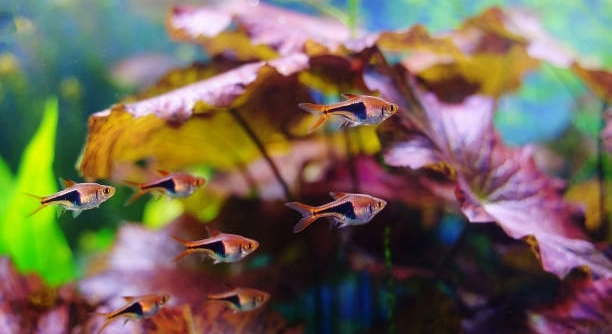
Rasboras are small, colorful fish often kept in home aquariums. Sometimes, they seem to act dazed or confused, especially when the tank is brightly lit. This behavior can puzzle many fish owners who want their pets to feel comfortable.
Rasboras may appear dazed in bright tanks due to stress and overstimulation caused by excessive light exposure. Bright lighting can disrupt their natural behavior, impair their vision temporarily, and lead to disorientation. This reaction is a common physiological response to an unnatural environment.
Understanding why rasboras react this way helps improve their tank conditions and overall well-being, creating a healthier habitat for these delicate fish.
Why Bright Light Affects Rasbora Behavior
Rasboras come from shaded, slow-moving waters in nature. Their eyes and nervous systems are adapted to soft, diffused light, not the intense brightness of some home aquariums. When exposed to strong light, rasboras can become stressed, causing them to swim erratically or freeze in place. This dazed behavior is a sign that the fish are overwhelmed. Bright lighting can also make them feel more vulnerable to predators, triggering a survival response. Adjusting the light to a softer level helps reduce stress and lets them behave naturally. Using plants or decorations for shade can create a more comfortable environment. The tank setup affects their comfort just as much as water quality or diet. Observing how your rasboras react to light changes can guide you to the right balance, helping them stay active and healthy without feeling disoriented.
Fish behavior under bright light reflects their attempt to adapt quickly to the environment, often resulting in temporary confusion or stillness.
Creating shaded areas and using dimmer lighting can improve their comfort and reduce the dazed effect.
Tank Setup Tips to Avoid Overstimulation
To keep rasboras calm, it is important to create a tank environment that mimics their natural habitat as much as possible. This means using moderate lighting, plants, and hiding spots. Too much open space under bright lights can cause discomfort. Using floating plants or dimmable LED lights can give you control over brightness levels. A gentle flow of water also helps keep them calm, as stagnant water combined with bright light can increase stress. Keeping the tank in a room without constant direct sunlight reduces sudden bursts of brightness. By making small adjustments, you can greatly improve their behavior and reduce signs of dazed swimming. Monitoring how your rasboras respond to these changes ensures they feel secure and relaxed in their home.
Tank decorations and light control work together to create a calming environment for rasboras.
With the right balance, these fish will show more natural behavior and vibrant activity, improving their overall health and your enjoyment of the tank.
Recognizing Signs of Stress in Rasboras
Rasboras that appear dazed often show other signs of stress too. These include clamped fins, hiding more than usual, or sudden changes in swimming patterns. Early recognition helps prevent long-term health problems.
Stress affects their immune system, making them prone to illness. When lighting is too bright, rasboras can become lethargic or jump erratically. They may lose their usual bright colors, appearing dull or faded. Watching for these subtle changes helps identify discomfort early. Providing darker spots in the tank gives them places to retreat and feel safe. Regular observation can catch stress before it leads to disease or death. Adjusting light intensity or adding plants can reverse many negative effects.
Stress caused by bright lights can also lead to reduced feeding and slower growth. Comfortable lighting and a calm environment promote natural behavior and help rasboras thrive. Maintaining stable conditions ensures they remain active and vibrant, showing their true colors.
Adjusting Lighting for Better Rasbora Health
Reducing light intensity gradually is key to helping rasboras adjust without shock. Sudden changes may increase their stress instead of calming them. Using a timer to control light periods simulates natural day and night cycles, which helps their internal rhythms. A dimmer or adjustable LED light lets you find the perfect brightness level.
Choose bulbs with a color temperature close to natural daylight but avoid overly harsh or cool blue lighting. Warmer light tones are generally more soothing. Positioning lights to avoid direct glare on the tank surface also reduces stress. By experimenting with these adjustments, you can create an environment where rasboras feel secure. Consistency is important — sudden changes in lighting or duration can confuse fish and increase dazed behavior.
Maintaining gentle lighting combined with a stable schedule supports healthy activity levels and reduces stress-related issues. Lighting is an easy but powerful way to influence your rasboras’ wellbeing.
Common Mistakes with Tank Lighting
Many fish owners use lights that are too bright or leave them on for too long. This can overwhelm rasboras and cause them to act dazed. Avoid using high-intensity bulbs without adjusting the duration or brightness.
Leaving lights on overnight disrupts the fish’s natural rhythm. A proper light schedule mimics daylight and night cycles, reducing stress and promoting healthy behavior.
Importance of a Natural Environment
Rasboras feel safest in environments that resemble their natural habitat. Soft lighting combined with plants and hiding spots helps them feel secure. A natural setup encourages normal swimming and social behavior, reducing signs of distress.
Using Plants to Soften Light
Adding live or artificial plants breaks up bright light, creating shaded areas. This helps rasboras avoid constant exposure to intense brightness, giving them places to rest and recover from stress.
Monitoring and Adjusting Over Time
Regularly watch how your rasboras respond to lighting changes. Adjust brightness and timing slowly to find the best setup. Patience and observation are key to their comfort and health.
FAQ
Why does my rasbora act dazed only in bright tanks?
Rasboras come from shaded environments and their eyes are sensitive to intense light. Bright tanks can overwhelm their vision, causing confusion or temporary disorientation. This dazed behavior is a stress response to light that feels unnatural or too harsh for them. Reducing brightness or adding shaded areas can help them feel more secure.
Can too much light harm my rasbora long-term?
Yes, constant exposure to bright light can cause chronic stress in rasboras. Stress weakens their immune system, making them more vulnerable to diseases. Over time, this can lead to poor growth, faded colors, and even shorter lifespan. Managing light intensity and duration is important for their long-term health.
How can I tell if my rasbora is stressed from lighting?
Signs include clamped fins, erratic swimming, hiding more often, and dull coloration. You might notice them freeze or seem disoriented when the lights are bright. Changes in appetite or lethargy also indicate stress. Watching these signs early helps you adjust tank conditions before serious problems develop.
What lighting setup is best for rasboras?
Moderate, soft lighting is ideal. Using adjustable LED lights allows you to control brightness and color temperature. Warmer light tones close to natural daylight are more comfortable. Avoid harsh, cool blue lights and never leave lights on for more than 10-12 hours a day. Providing plants or decorations to create shade improves their comfort.
Is it okay to use a timer for aquarium lights?
Absolutely. Timers help mimic natural day and night cycles, which is important for rasboras’ internal clocks. Consistent lighting schedules reduce stress and promote healthy behavior. Gradually increasing or decreasing light helps them adjust without shock.
Can adding plants reduce dazed behavior?
Yes. Plants soften the light by creating shaded areas and breaks in bright exposure. This lets rasboras retreat when they feel overwhelmed. Both live and artificial plants work well. Plants also improve water quality and provide hiding spots, adding to overall tank comfort.
Will changing the tank location affect how my rasboras react to light?
It can. Tanks placed near windows or direct sunlight often experience sudden changes in brightness. This can startle or stress rasboras. Keeping the tank away from direct sun and controlling artificial light makes their environment more stable and calming.
Why do rasboras lose color under bright light?
Bright light can stress rasboras and cause them to dull their colors as a defense mechanism. Faded colors signal discomfort or illness. When lighting is adjusted to a more natural level, their colors usually return as they feel safer and less stressed.
How quickly do rasboras adjust to lighting changes?
Adjustment times vary. Some rasboras adapt within a few days, while others take weeks. Gradual changes in lighting help reduce stress during this period. Rapid shifts in brightness can increase dazed behavior and delay recovery.
Are there specific types of lights better suited for rasboras?
LED lights with adjustable brightness and warm color temperature are best. These provide consistent, soft lighting without overheating the tank. Avoid intense fluorescent lights or bulbs that emit very cool or harsh light. Customizing lighting based on your tank’s size and setup benefits rasbora health.
When keeping rasboras in a home aquarium, it is important to pay attention to how lighting affects their behavior. Bright lights can make these fish seem dazed or confused because they are not used to strong light in their natural habitat. Rasboras come from shaded, slow-moving waters, where sunlight is filtered by plants and water. When they are suddenly exposed to intense light, their eyes and nervous systems react by making them act unusually. This is a sign that the fish are stressed, and it means their environment may need some adjustments to be more comfortable.
Adjusting the lighting in the tank is a simple but effective way to help rasboras feel better. Using softer lights, adding plants for shade, or dimming the light can reduce their stress. It is also helpful to control how long the lights stay on each day. Rasboras do best with a regular light cycle that mimics natural daylight and nighttime. By making these small changes, you can help the fish swim normally, show their true colors, and stay healthier. Watching your fish carefully will also help you notice if they are still stressed or if they are adjusting well to the new lighting.
Overall, creating a balanced and calm environment is key for rasboras. Their comfort depends not only on light but also on hiding spots, good water quality, and a peaceful tank atmosphere. Lighting is one of the easiest factors to change, and it has a big impact on how your rasboras behave. When their surroundings match their natural needs, they will be more active and lively. Taking time to learn and adjust to their preferences will make keeping rasboras more enjoyable and rewarding. It’s worth the effort to see these beautiful fish thrive in your aquarium.

Hello,
If you enjoy the content that we create, please consider saying a "Thank You!" by leaving a tip.
Every little bit helps us continue crafting quality advice that supports the health, happiness, and well-being of pets around the world, for pets of all shapes, sizes, and species.
We really appreciate the kindness and support that you show us!