
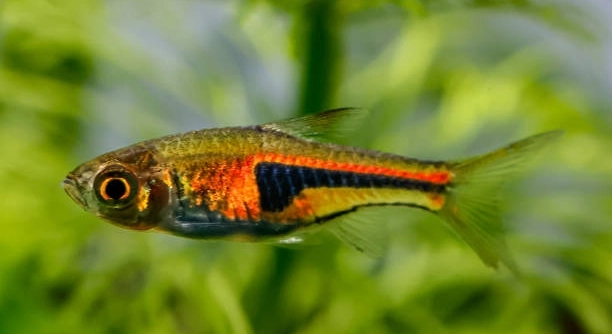
Rasboras are small, colorful fish often seen hovering near reflective surfaces in their tanks. Many aquarists notice this behavior and find it intriguing. It is a common sight in home aquariums where these fish live peacefully among plants and decorations.
Rasboras hover over their reflection because they perceive it as another fish, triggering social or territorial behaviors. This response is rooted in their natural instincts to interact with or defend their space against what they interpret as a potential rival or companion.
Learning more about this behavior helps fish owners create better environments. Understanding why rasboras act this way can improve their care and tank setup.
Why Rasboras Are Attracted to Reflections
Rasboras often hover near reflective surfaces like aquarium glass or decorations because these surfaces create images that look like other fish. Their natural instincts lead them to interact with these reflections as if they were real fish. This behavior can be linked to their social nature. In the wild, rasboras live in groups, so seeing another “fish” nearby can trigger social responses. Sometimes, they may see their reflection as a rival or a potential mate, which explains why they stay close. This reflection can also provide stimulation, keeping the fish mentally active in their environment. For aquarists, it’s important to recognize this behavior and ensure the tank environment reduces stress. Using non-reflective backgrounds or placing the tank where light reflections are minimal can help. However, some interaction with reflections is natural and can be harmless, showing the fish are alert and engaged with their surroundings.
This behavior is an instinctive response to reflections perceived as other fish. It varies depending on the fish’s mood and environment.
Watching rasboras engage with reflections can reveal much about their social instincts. It’s a reminder that their behavior is often shaped by their natural environment and group dynamics. Understanding these factors helps create a more balanced and comfortable home aquarium for them.
Managing Reflection Behavior in Your Aquarium
Reflections may cause rasboras to become stressed or territorial in some cases.
To reduce unwanted reflection behavior, consider adjusting your tank’s lighting and background. Dark or matte backgrounds minimize reflections and prevent the fish from fixating on themselves. Additionally, placing plants or decorations near reflective surfaces can help break up images and create a more natural environment. This not only reduces stress but also encourages natural behavior like schooling and exploration. Maintaining proper tank size and ensuring the fish have plenty of companions also helps. When rasboras have a good group to interact with, they are less likely to focus on reflections. Regular observation can guide changes in the setup, ensuring the fish remain calm and healthy. With a thoughtful approach, the reflection behavior can be balanced so it doesn’t interfere with the fish’s well-being or tank harmony.
How Reflections Impact Rasbora Behavior
Reflections can cause rasboras to act more alert or sometimes even aggressive. They may swim repeatedly toward the reflective surface, mistaking their image for another fish. This behavior can be stressful if it happens too often.
When rasboras spend a lot of time reacting to their reflection, it can affect their normal activities like feeding and resting. The constant interaction with a “rival” can tire them out or make them anxious. In some cases, it might lead to injuries if they repeatedly try to attack the glass. It’s important to watch for signs of stress such as rapid swimming or hiding, which means the fish needs a calmer environment.
The reflection can also serve as stimulation, especially in tanks without many companions or decorations. While some interaction with reflections is natural, too much can be harmful. Finding a balance helps keep the fish healthy and relaxed in their space.
Tips to Reduce Reflection Stress
Limiting reflective surfaces in the tank helps minimize unwanted reactions.
Using a solid, dark background or matte paint behind the tank reduces reflections drastically. Adding live plants or driftwood near glass surfaces breaks up reflections, making them less noticeable to the fish. Controlling the tank lighting by avoiding direct sunlight or strong artificial light also cuts down reflections. Regularly checking how your fish behave around these changes helps ensure they feel more secure. Sometimes, adding more rasboras or other peaceful tank mates reduces the focus on reflections since the fish engage more with each other. Creating a calm environment is key to preventing stress from reflections.
Reflection and Social Interaction
Rasboras are naturally social fish that rely on group interactions. When they see their reflection, they often mistake it for another fish, which triggers their social instincts.
This can sometimes help reduce loneliness in tanks with fewer fish, but it can also cause frustration if the reflection is mistaken for a rival.
Effects on Breeding Behavior
Reflections can influence rasbora breeding behavior by simulating the presence of potential mates. This can encourage spawning activity in some cases, as the fish respond to what they perceive as others nearby.
However, excessive exposure to reflections might cause stress, which can reduce breeding success. A balanced environment with real companions is best for healthy reproduction.
Recognizing Stress Signals
Stress from reflections may cause rasboras to dart nervously, lose appetite, or hide frequently.
Watching for these signs helps address reflection-related stress early and keeps the fish healthy.
FAQ
Why do rasboras hover over their reflection?
Rasboras see their reflection and think it is another fish. This triggers natural social or territorial instincts. They might hover near the glass because they want to interact, defend their space, or sometimes just out of curiosity. It’s a common behavior in small schooling fish like rasboras.
Is it harmful for rasboras to hover over their reflection?
Hovering itself is not usually harmful. However, if the fish becomes obsessed with the reflection, it can cause stress or exhaustion. Sometimes they may repeatedly try to attack the reflection, which can injure them. Managing the tank environment to reduce reflections can prevent these problems.
Can reflections help rasboras feel less lonely?
Yes, reflections can offer a form of stimulation in tanks where there are few companions. Rasboras are social fish that do better in groups. If the tank is small or has few fish, the reflection may serve as a temporary social cue. Still, real companions are always better for their well-being.
How can I reduce reflections in my aquarium?
Use a solid, dark background or a matte paint on the back of the tank to cut down reflections. Adding plants or decorations near glass surfaces can break up images and make reflections less visible. Adjusting lighting to avoid direct bright light on the glass also helps.
Will reflections affect breeding in rasboras?
Reflections can sometimes encourage breeding behavior by simulating other fish presence. However, too much reflection or stress from repeated interaction with their own image can reduce breeding success. Providing a proper group and comfortable environment is key to healthy reproduction.
What signs show that my rasbora is stressed by reflections?
Look for darting movements, hiding more than usual, loss of appetite, or unusual aggression. These behaviors may indicate that the fish is stressed by what it perceives as a rival. If you see these signs, consider adjusting the tank setup to reduce reflections.
Are some types of glass or tank materials better for reducing reflections?
Yes. Non-reflective glass or acrylic tanks reduce glare and reflections more than clear glass. Additionally, using anti-reflective coatings or films on tank surfaces can help keep reflections to a minimum. Choosing the right tank material can make a big difference in managing this behavior.
Can reflections cause aggression among rasboras?
Yes, reflections may cause some rasboras to display territorial or aggressive behavior because they mistake their image for a competitor. This can lead to chasing or biting the glass. Minimizing reflections and ensuring the fish has enough space and companions can reduce aggression.
Should I separate a rasbora that reacts strongly to reflections?
Separating a single fish usually is not the best solution since rasboras are schooling fish and need company. Instead, focus on tank setup improvements like reducing reflections and increasing group size. Separation can increase stress and loneliness in these social fish.
How often should I check my tank for reflection issues?
It’s good to regularly observe your fish’s behavior, especially after making changes in lighting or decorations. Daily or weekly checks help you notice signs of stress or overreaction to reflections early. Timely adjustments keep the fish healthier and happier.
Can reflections affect other fish in the tank?
Yes, many fish species react to reflections, not just rasboras. Aggressive or territorial species may become stressed or more aggressive. It’s important to watch all fish in a tank for signs of stress related to reflections and adjust the environment accordingly.
Are there benefits to occasional reflection exposure for rasboras?
Some mild interaction with reflections can keep rasboras mentally stimulated and active. It can mimic social interaction when companions are limited. However, balance is key to avoid stress or exhaustion from too much reflection exposure.
Does tank placement affect reflections?
Yes, placing the tank away from windows or bright light sources reduces glare and reflections. Using curtains or blinds in the room can help control natural light. Thoughtful tank placement reduces the chances of strong reflections causing issues.
Can a mirror in the tank help rasboras?
Mirrors are not recommended because they create a constant, strong reflection that can overstimulate or stress the fish. Temporary use for exercise or stimulation is sometimes practiced, but long-term exposure to mirrors usually causes more harm than good.
What is the best tank size for rasboras to reduce reflection stress?
A tank of at least 10 gallons with a group of six or more rasboras helps reduce stress. More space and more companions mean the fish are less likely to focus on their reflections and more on social interactions within the group.
Can reflection behavior be completely stopped?
It’s difficult to eliminate reflection behavior entirely because it is instinctive. The goal is to manage the tank environment so the behavior doesn’t cause stress or harm. Proper background, lighting, tank mates, and decorations all contribute to healthy fish behavior.
Rasboras are small, lively fish that often show interesting behaviors in their tanks. One common behavior is hovering over their reflection, which can seem strange at first. This happens because the fish see their own image and think it is another rasbora. This triggers their natural instincts to interact with others or protect their space. Understanding this helps aquarium owners know that the behavior is normal and part of how these fish think and act. It also shows how sensitive fish can be to their environment, including things we might not always notice, like reflections on the glass.
While this behavior is normal, it can sometimes cause stress if the fish focus too much on their reflection. Constantly reacting to what they think is a rival or a mate can wear them out or make them anxious. Stress in fish can lead to less eating, hiding, or even health problems. That is why it is important to pay attention to their behavior and tank setup. Simple changes like using a dark background, adding plants or decorations near reflective surfaces, and adjusting the lighting can make a big difference. These adjustments help the fish feel calmer and more comfortable. Also, keeping a proper number of rasboras together supports their natural social needs, which reduces their interest in reflections.
Taking care of rasboras means knowing both their physical and mental needs. Reflections are just one part of the environment that affects them. By managing reflections carefully, fish owners can prevent stress and promote healthy behavior. Watching your rasboras and noticing how they react to their tank can guide you in making the best changes. When these fish feel safe and socially connected, they are more active, happier, and healthier. In the end, creating a peaceful home for your rasboras improves their well-being and makes keeping them a more enjoyable experience.

Hello,
If you enjoy the content that we create, please consider saying a "Thank You!" by leaving a tip.
Every little bit helps us continue crafting quality advice that supports the health, happiness, and well-being of pets around the world, for pets of all shapes, sizes, and species.
We really appreciate the kindness and support that you show us!