
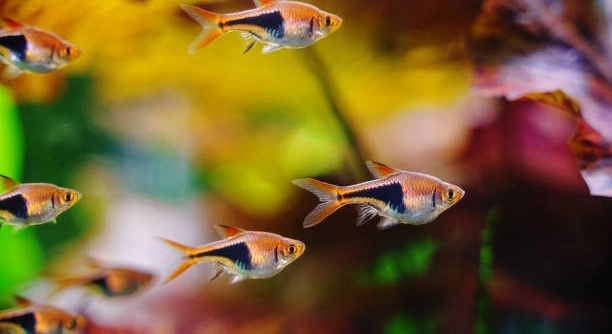
Rasboras are small, colorful fish often seen darting through plants in aquariums. Even when there are no predators nearby, these fish still spend time hiding. Their behavior can seem puzzling to many aquarium enthusiasts.
Rasboras hide without predators mainly due to instinctual behavior and environmental comfort. Hiding offers them a sense of security and reduces stress, which supports their overall health and survival even in safe, controlled environments.
Understanding why rasboras hide helps improve their care and creates a more natural environment that suits their needs and habits.
Why Rasboras Hide Even When No Predators Are Present
Rasboras have a natural instinct to stay safe, which causes them to hide even when no danger is around. In their natural habitat, hiding helps protect them from predators. This instinct remains strong, even in an aquarium setting. They also hide to reduce stress and feel secure. Sometimes, the tank’s environment might make them uncomfortable, prompting them to seek shelter. Factors like bright lighting, sudden movements, or unfamiliar surroundings can cause rasboras to hide. Providing plenty of plants and hiding spots helps them feel more at ease. The right tank setup mimics their natural environment and encourages healthier, more confident behavior. Watching their cautious nature can teach you a lot about how to care for them properly and respect their needs.
Their hiding behavior is mostly about comfort and feeling safe, not just escaping threats. It shows their need for a familiar and secure space.
Offering hiding spots and calm tank conditions will encourage rasboras to be more visible and active over time.
How to Create a Comfortable Environment for Rasboras
Creating the right environment is key to helping rasboras feel safe and less inclined to hide. A well-planted tank with gentle lighting reduces stress and mimics their natural surroundings. Soft substrate and places to retreat can encourage exploration and reduce anxiety. It’s important to avoid sudden loud noises or rapid movements near the aquarium. Stable water parameters like temperature and pH also contribute to their comfort. Regular maintenance ensures their environment stays healthy and welcoming. Adding plants like java fern or floating moss provides cover and helps regulate light, making the tank feel less exposed. By paying attention to these details, you create a space where rasboras can thrive and show more of their natural, lively behavior.
Comfort in their environment directly affects how much rasboras will hide or swim openly.
Adjusting tank elements based on their natural preferences helps build trust and promotes healthier fish.
Common Stress Factors for Rasboras
Rasboras hide when stressed, and several factors can cause this. Overcrowding, poor water quality, or sudden changes in the tank can easily make them anxious. Stress weakens their immune system and affects their behavior.
Keeping the tank clean is essential. Regular water changes and monitoring parameters like ammonia and nitrite levels help reduce stress. Overcrowding leads to competition for food and space, so maintaining an appropriate number of fish is important. Sudden changes in temperature or lighting can also unsettle rasboras. A stable environment helps them feel safe and encourages natural behavior. Observing their hiding can be a sign that something in the tank needs attention.
Stress in rasboras often results in constant hiding, loss of appetite, or lethargy. Identifying and fixing these issues quickly can improve their health. Creating a calm and steady environment with consistent care makes a big difference in reducing stress and allowing rasboras to thrive.
The Role of Social Behavior in Hiding
Rasboras are schooling fish, and their social behavior influences hiding. They feel safer when surrounded by their own kind. Being alone or in very small groups can make them hide more.
Keeping rasboras in groups of at least six helps reduce anxiety. In a school, they rely on each other for safety, which encourages more activity and less hiding. Group behavior also helps them establish social bonds, which can improve their confidence in the tank. If one fish hides, others usually follow, showing their close social ties. This makes having the right number of companions vital for their well-being. Watching a healthy school of rasboras swim together is rewarding and shows how social needs affect their behavior.
Lighting and Its Impact on Rasbora Behavior
Bright lighting can make rasboras feel exposed and vulnerable. They tend to hide more when the light is too intense. Soft or dim lighting helps create a safer atmosphere for them.
Using floating plants or adjustable lighting can reduce brightness. This creates shaded areas where rasboras feel more comfortable and less stressed.
Feeding Habits and Hiding
Rasboras sometimes hide after feeding as part of their natural behavior. They may retreat to rest and digest safely away from open water.
Ensuring a consistent feeding schedule helps reduce sudden hiding. Feeding small amounts several times a day mimics their natural routine and supports their comfort in the tank.
Importance of Hiding Spots
Hiding spots are essential for rasboras to feel secure. Plants, rocks, and decorations provide safe places for them to retreat when needed.
Providing enough cover encourages natural behavior and reduces stress, leading to healthier and more active fish.
FAQ
Why do rasboras hide all the time?
Rasboras hide frequently because it is a natural survival instinct. Even without predators, they seek safety and comfort in hiding spots. Stress from tank conditions like lighting, water quality, or tank mates can also cause them to stay hidden. Providing a calm environment with plenty of plants helps reduce this behavior.
Is it normal for rasboras to hide a lot?
Yes, it is normal. Rasboras are naturally cautious fish that use hiding as a way to protect themselves. If your rasboras are hiding often, check the tank conditions. They might be stressed by something in their environment or need more places to hide.
How many rasboras should I keep together?
It’s best to keep at least six rasboras in a group. They are schooling fish and feel safer in numbers. Smaller groups tend to hide more because the fish feel vulnerable. A larger school encourages natural behavior and reduces stress.
What kind of plants help rasboras feel safe?
Floating plants, java fern, and moss are excellent choices. These plants provide shade and hiding spots without overcrowding the tank. They create a natural look and help diffuse the light, making rasboras more comfortable.
Can poor water quality cause hiding behavior?
Absolutely. High levels of ammonia, nitrites, or nitrates can stress rasboras, causing them to hide. Regular water changes and proper filtration keep water quality safe. Monitoring parameters regularly helps catch problems early before the fish become stressed.
Does tank size affect how much rasboras hide?
Yes, tank size matters. A small tank can feel cramped and stressful, leading rasboras to hide more. A tank of at least 20 gallons is recommended for a small school. More space allows them to swim freely and explore their environment.
Why do rasboras hide after feeding?
After feeding, rasboras often hide to rest and digest in a safe place. This behavior is natural and shows they feel secure enough to take a break. Avoid overfeeding, as leftover food can harm water quality and increase stress.
How does lighting influence hiding behavior?
Bright lights can make rasboras feel vulnerable, encouraging them to hide. They prefer softer, diffused light that mimics their natural habitat. Using floating plants or adjustable LED lighting can reduce brightness and help them feel safer.
Are rasboras shy fish by nature?
Yes, rasboras tend to be shy and cautious. They avoid open spaces when they feel unsafe. Their instinct to hide helps protect them from threats. Creating a tank environment with plenty of cover helps them become more confident and visible.
Can rasboras get used to their environment over time?
They can. When rasboras feel safe and comfortable, they will gradually spend more time swimming openly. Consistency in tank conditions, proper schooling numbers, and hiding spots help build their trust in the environment.
What should I do if my rasboras never stop hiding?
If hiding is constant, check water quality, tank mates, lighting, and hiding places. Ensure the tank is not overcrowded or too bright. Improving these factors usually helps. Sometimes a long adjustment period is needed for newly introduced fish.
Is it harmful for rasboras to hide a lot?
Hiding itself is not harmful—it is a natural behavior. However, if excessive hiding is due to stress or illness, it can impact their health. Watch for other signs like loss of appetite or lethargy and address any underlying problems quickly.
How can I encourage rasboras to swim more openly?
Keep stable water conditions, provide enough hiding spots, and maintain a proper school size. Avoid sudden changes in the tank, and use gentle lighting. Feeding small, regular meals also promotes natural activity and reduces hiding.
Do rasboras hide differently depending on species?
Yes, some rasbora species are more timid than others. Harlequin rasboras are usually more outgoing, while others like the glowlight rasbora may hide more. Knowing your species’ behavior helps tailor care to their specific needs.
Can tank decorations cause hiding behavior?
Decorations that create safe spaces are helpful, but too many can make the tank feel cluttered. Overcrowding with decorations can limit swimming space, causing stress. Balance is key—provide enough cover without making the tank too confined.
Does water temperature affect hiding?
Temperature that is too low or too high can stress rasboras, increasing hiding behavior. Keeping water within their ideal range, usually 72–78°F (22–26°C), supports comfort and activity. Sudden temperature changes should be avoided.
Are rasboras more active at certain times of the day?
They are usually more active during dawn and dusk. This natural behavior comes from avoiding predators during the brightest parts of the day. Adjusting lighting to mimic this cycle can encourage more visible activity.
Should I introduce new hiding spots gradually?
Introducing new plants or decorations slowly helps rasboras adjust without added stress. Sudden changes can cause them to hide more. Observe their reaction and make changes step-by-step to keep them comfortable.
Can tank mates influence hiding behavior?
Yes, aggressive or overly active tank mates can stress rasboras, making them hide more. Choose peaceful species that won’t compete or intimidate. Calm tank mates encourage a peaceful environment and reduce stress for rasboras.
How long does it take for rasboras to stop hiding in a new tank?
It varies but usually takes several days to a couple of weeks. During this time, they assess the environment and build confidence. Providing hiding spots and a calm atmosphere speeds up this adjustment period. Patience is important.
Rasboras have a natural tendency to hide even when no predators are present. This behavior is rooted in their instinct to feel safe and secure. In both the wild and home aquariums, they rely on hiding spots to reduce stress and maintain their well-being. Understanding this helps in creating an environment that supports their natural habits rather than expecting them to behave differently. Providing plants, decorations, and places to retreat is important for their comfort. These elements not only allow rasboras to hide but also encourage them to explore and swim more freely when they feel secure.
The environment plays a major role in how often rasboras hide. Factors such as lighting, water quality, tank size, and social groupings all influence their behavior. Bright lights or poor water conditions can cause unnecessary stress, leading to more hiding. On the other hand, dim lighting, clean water, and an adequately sized tank help reduce anxiety. Keeping them in proper groups also supports their social nature and decreases the need to hide. Paying attention to these details makes a big difference in how comfortable and healthy the fish will be.
When caring for rasboras, it is important to be patient and observant. They may hide a lot at first, especially in new tanks, but with time and proper care, they often become more active and visible. It is essential to create a stable, calm environment that mimics their natural habitat as much as possible. This includes consistent feeding, gentle lighting, and regular water maintenance. By respecting their instincts and needs, you help ensure that your rasboras thrive and show their lively, colorful nature more often.

Hello,
If you enjoy the content that we create, please consider saying a "Thank You!" by leaving a tip.
Every little bit helps us continue crafting quality advice that supports the health, happiness, and well-being of pets around the world, for pets of all shapes, sizes, and species.
We really appreciate the kindness and support that you show us!