
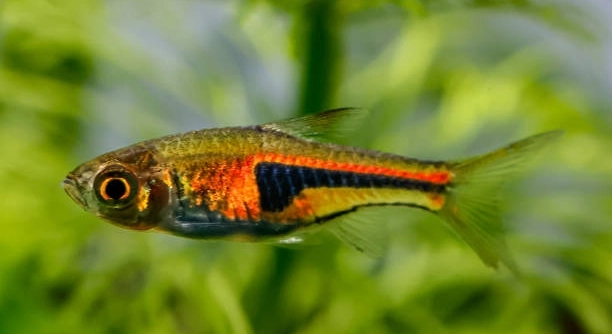
Do your rasboras startle easily or dart around their tank at night, leaving you unsure about what might be causing it?
Rasboras often get spooked at night due to sudden environmental changes, unexpected movement, or inadequate lighting. Their heightened sensitivity to light shifts and vibrations makes them more reactive during darker hours when visibility is limited.
Learning what triggers this behavior can help you create a safer, calmer space for your fish and support a more stable nighttime environment.
What Makes Rasboras React at Night
Rasboras are naturally timid fish, and their behavior at night often reflects their sensitivity. In the wild, they are prey animals, so sudden movements, vibrations, or shifts in light can trigger a strong fear response. Even a person walking by the tank or a nearby noise can send them into a panicked dart. At night, their limited visibility and heightened senses make them more reactive to changes. A sudden shift from bright light to darkness can stress them, especially if the room light turns off abruptly. Their instinct is to hide or flee, and in a tank, that often results in frantic swimming or crashing into decorations. Adding tank mates that are active or aggressive at night can increase stress. Understanding this sensitivity can help reduce unexpected activity that leads to spooked behavior.
Sudden light changes and unexpected noises often lead to stress. A calm, predictable night routine helps reduce their reactivity.
Try using a dim blue light or slowly dimming the lights before bedtime. This helps ease the transition into darkness. Avoid tapping on the tank or moving objects nearby during the night. Reducing noise and keeping the space quiet after lights go out can support a peaceful environment. Tank setup also matters—adding plants or decor gives them more shelter and a sense of safety. If your rasboras don’t have places to retreat to, they will feel exposed and stay alert, which increases their nighttime stress. Keep in mind that rasboras benefit from a consistent day-night cycle. Avoid irregular lighting patterns, and use a timer to maintain regular intervals. With these simple changes, your fish can rest better and show fewer signs of fear after dark.
Creating a Night-Friendly Environment
Reducing stress at night starts with designing a tank that supports your rasboras’ natural behaviors and need for calm spaces.
Make sure your tank includes enough hiding spots, such as plants, driftwood, or small caves, where rasboras can retreat when they feel overwhelmed. These shelters provide comfort and reduce their need to swim in panic. Use soft lighting in the room if you’re nearby after dark, and consider adding a dim nightlight specifically designed for aquariums. Avoid sudden changes in brightness, which can startle them. If your filter is noisy or creates strong water flow at night, try adjusting it or switching to a quieter model. Excess noise and movement in the water can keep rasboras in a heightened state. Consistency is also important—keep the room quiet and still during the same evening hours every day. This helps your rasboras feel secure and recognize when it’s time to settle. With the right environment, they are far less likely to startle at night.
Common Mistakes That Increase Nighttime Stress
Leaving the tank light on too late or turning it off suddenly can confuse your rasboras and heighten their stress levels. Loud TV noise, slamming doors, or vibrations from nearby movement also disturb their rest.
Using bright, direct lighting in the evening forces rasboras to stay alert when they need rest. A sharp transition from light to complete darkness can startle them, triggering their flight instincts. It’s better to gradually dim the light or use a timer that mimics natural dusk. Avoid placing the tank in a high-traffic area where sudden movements or noise are frequent. Keeping the environment calm is essential. Also, avoid overcrowding the tank—tight spaces with too many fish increase tension. Overactive tank mates can also disturb them at night, so choose peaceful species that settle down once it gets dark. A steady, predictable setup helps reduce these stress triggers.
Neglecting hiding spaces leaves rasboras feeling exposed and anxious. Without shelters like plants or small caves, they stay on edge, especially at night. Some aquariums rely too much on decorations that don’t provide true cover. Avoid bright-colored or reflective ornaments that reflect their image—this can confuse or agitate them. Also, skipping regular maintenance may reduce water quality, which adds to stress. Dirty filters, high nitrate levels, or sudden pH changes can make fish more sensitive and reactive. Use a quiet filter and keep a soft substrate to reduce harsh sounds that bounce through the tank. Maintain regular cleaning and check water parameters weekly. These small adjustments support a calmer, more secure night routine for your rasboras.
How to Tell if Your Rasboras Are Spooked
Spooked rasboras tend to dart quickly around the tank, crash into objects, or hover near the bottom. You might notice clamped fins or see them hiding more than usual, even during feeding times.
If you see erratic swimming at night, it’s often a sign of fear or stress. A rasbora may suddenly dash across the tank or repeatedly hide in one spot. Watch for changes in their schooling behavior too—when they stop swimming together and separate, they’re likely unsettled. Over time, constant stress can affect their health, making them more prone to illness. Look for physical signs like faded color, loss of appetite, or rapid breathing. These behaviors are more noticeable in the hours after lights go out. Keeping a log of their patterns can help you spot issues early. Addressing environmental triggers quickly will make a difference in helping your rasboras feel safe and settle properly each night.
Nighttime Lighting Tips for Rasboras
Use a dim, consistent light source in the evening to help rasboras transition gradually into nighttime. Avoid bright overhead lights or sudden darkness, as both can cause panic and increase nighttime swimming activity.
A soft blue or red aquarium nightlight works well for easing them into rest. Set timers to ensure lighting changes happen slowly and at the same time each day.
How Tank Mates Affect Night Behavior
Choosing the right tank mates plays a big role in keeping rasboras calm after dark. Avoid housing them with nocturnal or aggressive species that stay active at night. Constant movement or chasing can make rasboras feel unsafe, leaving them tense and alert throughout the night. Peaceful fish that settle down when the lights dim are a better match. Look for compatible species like small tetras, corydoras, or shrimp that share similar activity cycles. Also, avoid overcrowding the tank, as competition for space can cause stress during quieter hours. Giving each species enough room helps keep the tank peaceful and prevents nighttime disruptions.
Sound and Movement Sensitivity
Rasboras are sensitive to vibrations, so place the tank away from speakers, slamming doors, or heavy foot traffic. Even small noises can feel amplified underwater and lead to restless behavior at night.
Why do rasboras get spooked more at night than during the day?
Rasboras rely heavily on their sight to feel safe. At night, their vision is limited, so they become more sensitive to other senses like vibrations or sudden movements. These heightened senses can make them react quickly to anything unusual, causing them to spook. During the day, better lighting helps them see threats clearly, so they remain calmer. The darkness creates uncertainty, which triggers their natural instinct to flee from potential danger.
Can poor water quality make rasboras more jumpy at night?
Yes, poor water quality stresses fish and lowers their overall health. When water parameters like ammonia, nitrite, nitrate, or pH are off, rasboras become more sensitive and reactive. Stress weakens their immune system and makes them prone to sudden movements or hiding. Nighttime can make this worse because they feel vulnerable in the dark, and poor water conditions add to their discomfort. Regular testing and maintenance help keep water clean and stable, reducing their anxiety.
Is it normal for rasboras to swim frantically after lights go out?
It’s common but not ideal. Rasboras sometimes dart around when the lights switch off because sudden darkness surprises them. Their instinct is to escape possible predators in the dark. However, frequent frantic swimming means something in their environment is unsettling them. It could be sudden light changes, noise, or lack of hiding spots. Gradual dimming and providing plenty of shelter reduce this behavior and help them adjust calmly to night.
How can I help my rasboras feel safer at night?
Providing plants, rocks, or caves gives them places to hide and feel protected. Using a dim nightlight helps them adjust slowly to darkness instead of abrupt blackouts. Keep the tank area quiet and avoid tapping or bumping the glass. Regular feeding schedules and consistent lighting cycles make their environment predictable. Peaceful tank mates and proper water quality also contribute to a calmer atmosphere. These steps together create a comfortable nighttime habitat.
Do certain rasbora species react differently at night?
Yes, different species show varied sensitivity. Some species, like the harlequin rasbora, are naturally more skittish and easily startled in low light. Others may be calmer or adapt better to changes. Behavior also depends on the individual fish’s personality and tank conditions. Understanding the specific needs of your rasbora species helps in managing their environment and reducing night stress.
Can tank decorations cause rasboras to get spooked?
Tank decorations can either help or stress fish. Sharp reflections from shiny surfaces or mirrors can confuse rasboras, making them think there are intruders. Poorly placed decorations might block their line of sight or make them feel trapped. On the other hand, plants and natural-looking hides offer comfort and reduce stress. Choose decorations that don’t reflect light and provide secure hiding spots.
Will rasboras stop getting spooked if I handle the tank less?
Minimizing disturbances around the tank is important. Frequent tapping, sudden movements, or loud noises make rasboras nervous, especially at night. Keeping a calm environment helps them settle faster. While some initial spooking is natural, reducing external disruptions decreases stress and frantic behavior. Over time, they can become more accustomed to their surroundings and relax.
Are there any signs that spooking has affected their health?
Yes. Constant stress from spooking can weaken their immune system, making them more vulnerable to diseases like fin rot or ich. Signs include faded colors, loss of appetite, lethargy, or damaged fins. If you notice these, it’s a signal to improve tank conditions and reduce stressors. Early intervention keeps them healthy and happier.
Does feeding schedule affect their nighttime behavior?
A consistent feeding schedule supports normal behavior patterns. If feeding times change frequently or happen too close to lights-out, rasboras can become restless. They might associate activity with feeding and stay alert longer at night. Feeding earlier in the day and keeping it regular helps regulate their natural rhythms, making them more relaxed once the lights go off.
Is it okay to use a tank heater at night to reduce spooking?
Yes, maintaining stable water temperature is beneficial. Sudden drops in temperature at night can stress fish and cause erratic behavior. A reliable heater keeps the tank temperature constant, preventing discomfort. Make sure the heater is appropriate for your tank size and set to a steady temperature suited to rasboras, usually between 72°F and 78°F (22°C to 26°C). Consistent warmth helps them rest calmly overnight.
Can lighting color influence how rasboras behave at night?
Certain light colors, like dim blue or red, are less disturbing to fish. These colors mimic natural moonlight and don’t trigger strong fear responses. Bright white or fluorescent lighting can be harsh and stressful. Using soft, colored nightlights creates a gentler environment that helps rasboras feel secure while still allowing you to see their tank after dark.
Should I adjust filter flow at night to prevent spooking?
Yes, strong currents can make rasboras feel unstable and trigger escape behavior. Many filters have adjustable flow settings—lowering the flow at night can create a calmer environment. If your filter is noisy or creates strong vibrations, consider replacing it with a quieter model or adding flow-reducing accessories. Smooth water movement helps rasboras stay relaxed and prevents unnecessary stress after lights go out.
Is it normal for rasboras to hide more at night?
Hiding is natural behavior, especially in low light. Rasboras often retreat to plants or decorations when they feel vulnerable. However, excessive hiding during the day or refusing to come out may indicate stress or illness. At night, more hiding generally means they feel safer and are resting. Providing enough cover helps them hide comfortably without feeling trapped.
How long does it take for rasboras to get used to a new nighttime setup?
It usually takes a few days to a couple of weeks for rasboras to adjust. Gradual changes in lighting, environment, and tankmates help speed this process. Sudden changes cause more stress and prolonged spooking. Patience is key—consistent conditions will encourage your fish to settle and feel secure over time.
Can I use a timer to help regulate their day-night cycle?
Yes, timers are very helpful. They ensure lights go on and off at the same time every day, creating a predictable environment. This regularity supports rasboras’ natural rhythms, reducing stress and spooking. Avoid manually switching lights on or off, as this inconsistency can confuse the fish and increase their anxiety. Timers make nighttime transitions smooth and reliable.
Do rasboras spook more in smaller tanks?
Smaller tanks often increase stress due to limited space and fewer hiding spots. In cramped conditions, rasboras feel exposed and react more strongly to disturbances. Larger tanks with plenty of cover allow them to escape perceived threats and rest peacefully. While tank size isn’t the only factor, adequate space helps reduce nighttime spooking and supports healthier behavior overall.
Rasboras are naturally sensitive fish, especially when it gets dark. Their nighttime behavior can often seem sudden or frantic because they rely on their senses to stay safe in low light. Understanding why they get spooked at night helps us create a better environment for them. Factors like lighting, tank mates, water quality, and decorations all affect how secure they feel when the lights go out. When these elements are balanced well, rasboras tend to be calmer and show less anxious behavior.
Maintaining stable conditions in the tank is very important. Sudden changes in light, temperature, or water quality can easily upset rasboras and trigger their flight response. Providing places to hide, such as plants or caves, lets them rest without feeling exposed. Keeping the tank quiet and away from loud noises or vibrations also makes a difference. Careful choice of tank mates is another key point—peaceful species that settle down at night help reduce stress for rasboras. Taking small steps like dimming the lights gradually and using timers to control lighting creates a more natural rhythm for them.
Overall, the goal is to make the tank feel safe and predictable for rasboras, especially during the night. This reduces their stress and allows them to rest properly. Paying attention to their behavior, water conditions, and tank setup will help you identify problems early. With patience and consistent care, your rasboras will become less jumpy and enjoy a peaceful environment. Creating the right balance ensures these delicate fish live a healthier, calmer life, which benefits both them and the person caring for them.

Hello,
If you enjoy the content that we create, please consider saying a "Thank You!" by leaving a tip.
Every little bit helps us continue crafting quality advice that supports the health, happiness, and well-being of pets around the world, for pets of all shapes, sizes, and species.
We really appreciate the kindness and support that you show us!