
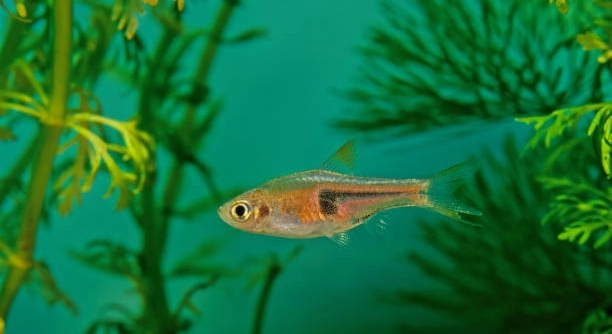
Rasboras are small, active fish often found in home aquariums. They are known for their quick, flicking tail movements that catch the eye. Many people notice this behavior but don’t always understand why it happens.
Rasboras flick their tails quickly primarily as a response to environmental stimuli. This rapid tail movement helps them navigate their surroundings, communicate with other fish, and evade potential threats. It is a natural and essential behavior for their survival and social interaction.
Learning more about why rasboras flick their tails can help fishkeepers provide better care. This behavior reveals important details about their needs and how they interact in their environment.
Why Rasboras Flick Their Tails Rapidly
Rasboras use their tails for more than just swimming—they flick them quickly to communicate and react. This quick tail movement often happens when they feel curious or slightly threatened. It’s a natural way for them to signal other fish or adjust their position in the tank. Sometimes, flicking helps them stay balanced as they move through water plants or around decorations. When they sense changes in light, water flow, or the presence of other fish, their tails react quickly. This behavior helps them stay alert and safe. Watching this can show how comfortable your rasboras are in their environment. If they flick their tails too much or suddenly stop, it might mean something is off. Understanding these signals helps in creating a better tank setup where they feel secure and happy. Tail flicking is a small but important part of how rasboras live and interact.
This flicking is a quick and natural response, not random movement. It reflects their mood and surroundings clearly.
Noticing the flick of their tails can reveal how rasboras feel about their space. If they flick often, they might be alert or exploring. Less flicking can mean they are calm or tired. Sudden, fast flicking might show stress or surprise. Tank conditions, like water quality and temperature, also affect this behavior. A steady flicking pace often means a balanced environment where rasboras thrive. Paying attention to these little movements helps you keep your fish healthy and content.
How Environmental Factors Affect Tail Flicking
Changes in the tank environment can increase or decrease tail flicking in rasboras. Sudden movements, light changes, or water flow shifts cause more flicking. They react quickly to anything unusual.
Temperature, water quality, and tank mates all play roles. If water is too warm or dirty, rasboras may flick more, signaling discomfort. When tank mates are aggressive, tail flicking often rises as a defensive signal. On the other hand, a calm and clean tank usually results in steady, gentle flicking. Regular maintenance and observing their behavior help keep flicking within a normal range. These environmental factors shape how rasboras act and interact.
Ensuring the right water temperature and cleanliness keeps rasboras comfortable. Adding peaceful tank mates lowers stress, which in turn lowers rapid tail flicking. Even the amount of light can affect their behavior—too bright or flickering lights might cause more tail flicking. A balanced environment encourages natural tail movement, reflecting healthy and relaxed fish. Paying close attention to these conditions helps maintain a peaceful aquarium where rasboras can thrive without excessive tail flicking.
Tail Flicking as a Social Signal
Tail flicking is an important way rasboras communicate with each other. It helps them show their mood or alert others to danger. When one fish flicks its tail quickly, nearby fish often respond by doing the same. This creates a form of group awareness.
In a community tank, tail flicking helps maintain social balance. Dominant or stressed fish flick more, while relaxed fish flick less. This movement can signal territory or readiness to swim together. Watching these signals can help you understand interactions among your rasboras and spot when they feel uneasy or threatened.
This flicking also helps keep the school coordinated during swimming. It ensures they stay together, moving as one. It’s a subtle but key part of their social life, showing how important tail flicking is beyond just physical movement.
Tail Flicking and Predatory Behavior
Tail flicking increases when rasboras sense a threat or predator nearby. It acts as a warning signal to others in the tank. This quick movement helps prepare the group to escape or hide fast.
The flicking becomes more intense and frequent in response to sudden changes or shadows. In nature, this alerts the school to potential danger. Even in a home aquarium, this instinct remains strong. Fishkeepers might notice rapid flicking if a new fish is introduced or if there’s sudden activity outside the tank. Understanding this helps in creating a calm environment and minimizing stress for your rasboras. Providing plenty of hiding spaces reduces this defensive flicking behavior and keeps them more relaxed.
Tail Flicking and Feeding Behavior
Rasboras often flick their tails when excited about feeding time. This movement shows alertness and readiness to compete for food. It’s a natural reaction that helps them stay quick and active during meals.
During feeding, tail flicking can also help establish feeding order. More dominant fish may flick faster to claim spots near the food source.
Tail Flicking and Stress Levels
When rasboras feel stressed, their tail flicking becomes more rapid and frequent. Stress can come from poor water quality, overcrowding, or aggressive tank mates. Watching tail flicking closely can help detect stress early and improve tank conditions.
How to Reduce Excessive Tail Flicking
Keeping the tank clean, stable, and peaceful helps lower excessive tail flicking. Good water parameters and calm tank mates reduce stress and promote natural behavior.
Regular observation of tail flicking offers insight into your fish’s health and comfort.
FAQ
Why do rasboras flick their tails so quickly?
Rasboras flick their tails quickly mainly to communicate, stay balanced, and react to their environment. This behavior helps them signal other fish, show alertness, or escape from potential threats. It’s a natural movement that keeps them aware and safe in their surroundings.
Is rapid tail flicking a sign of stress in rasboras?
Yes, rapid and frequent tail flicking can indicate stress. Causes include poor water quality, aggressive tank mates, or sudden changes in the environment. Watching their tail movement can help identify stress early, allowing you to improve tank conditions to keep your fish comfortable.
Can tail flicking mean that rasboras are sick?
Sometimes, unusual tail flicking might signal illness. If flicking is excessive or paired with other signs like lethargy or loss of appetite, it could mean a health problem. Regular tank maintenance and observation help catch issues early. Consult a vet or fish expert if sickness is suspected.
Does tail flicking relate to feeding behavior?
Yes, rasboras often flick their tails when they are excited or alert during feeding time. This quick movement shows readiness and sometimes competition among fish. It helps them stay active and responsive when food is introduced to the tank.
How does the environment affect tail flicking?
Changes in lighting, water flow, and tank mates influence tail flicking. Sudden disturbances or poor water quality cause more flicking as fish react to discomfort or threats. A stable, clean tank with peaceful companions reduces unnecessary flicking and stress.
Should I be worried if my rasboras flick their tails constantly?
Not always. Constant tail flicking can be normal if it matches activity like swimming or feeding. However, if it’s very rapid or seems linked to stress, it’s worth checking water parameters, tank conditions, and other fish behavior to make sure your rasboras are okay.
Can tail flicking help rasboras stay together as a group?
Yes, tail flicking helps rasboras stay coordinated while swimming. It acts as a subtle signal for group movement and social interaction. This helps the school move smoothly and stay safe by reacting together to any changes in their environment.
Will changing the tank setup reduce tail flicking?
Adjusting the tank setup can reduce excessive tail flicking. Providing hiding spots, stable water conditions, and gentle lighting lowers stress, which often decreases rapid tail flicking. Observing your fish and making small changes improves their comfort and natural behavior.
How do tank mates influence tail flicking?
Aggressive or overly active tank mates can increase tail flicking as rasboras feel threatened or stressed. Peaceful companions encourage calm behavior and less rapid flicking. Choosing compatible fish helps create a balanced community and lowers stress signals.
Is tail flicking more common in certain rasbora species?
Some rasbora species flick their tails more due to natural activity levels or habitat preferences. For example, more active species may flick tails frequently to keep balance while swimming fast. Knowing your species helps understand their typical behavior and tail flicking patterns.
Can tail flicking indicate mating behavior?
Occasionally, tail flicking increases during mating as part of courtship or communication between partners. It’s usually more controlled and less frantic than stress-related flicking. Watching for other signs like color changes or chasing helps identify mating behavior.
What should I do if I notice unusual tail flicking?
First, check water quality, temperature, and tank conditions. Look for signs of illness or aggressive tank mates. Adjust the environment as needed and observe if flicking decreases. If unusual flicking continues, consult a fish care expert for advice.
How often should I observe tail flicking behavior?
Regularly watching your rasboras helps spot changes early. Daily observation during feeding or quiet times lets you understand their normal flicking and detect stress or illness. Small daily checks support a healthy, happy tank environment.
Does tank size affect tail flicking?
A cramped tank can increase tail flicking due to stress or lack of space to swim freely. Providing enough room and hiding places lowers rapid flicking by making fish feel safer and less crowded. Proper tank size is essential for natural behavior.
Can tail flicking damage the rasbora’s fins?
Generally, tail flicking is gentle and doesn’t harm fins. However, if the flicking is excessive or combined with signs of fin damage, it might indicate stress or injury. Maintaining good water quality and a peaceful environment prevents fin problems related to tail flicking.
Rasboras are lively little fish, and their quick tail flicking is a natural part of how they live. This behavior is not random; it helps them communicate with each other, stay balanced while swimming, and respond to their surroundings. Whether they are signaling to other fish or reacting to changes in the tank, tail flicking is an important part of their daily routine. Understanding this movement can give you better insight into how your rasboras feel and how they interact with their environment. It shows that even small actions in fish can have meaning and purpose.
Tail flicking can also tell you a lot about your rasboras’ health and well-being. When they flick their tails too much or in a frantic way, it can be a sign that something is wrong. Stress, illness, or discomfort from the tank environment often causes this change in behavior. Paying attention to their tail movements can help you notice problems early before they become serious. Keeping their water clean, the temperature steady, and choosing peaceful tank mates are key ways to reduce stress and encourage natural tail flicking. Creating a calm and stable environment allows your fish to feel safe and behave normally.
Overall, watching how rasboras flick their tails gives you a small window into their lives. It is a simple but important behavior that connects to many parts of their daily experience. By learning to read these signals, you can improve their care and make your aquarium a better home for them. Tail flicking might seem like a small detail, but it tells a bigger story about how your fish are doing. Taking time to observe and respond helps your rasboras stay happy, healthy, and active for a long time.

Hello,
If you enjoy the content that we create, please consider saying a "Thank You!" by leaving a tip.
Every little bit helps us continue crafting quality advice that supports the health, happiness, and well-being of pets around the world, for pets of all shapes, sizes, and species.
We really appreciate the kindness and support that you show us!