
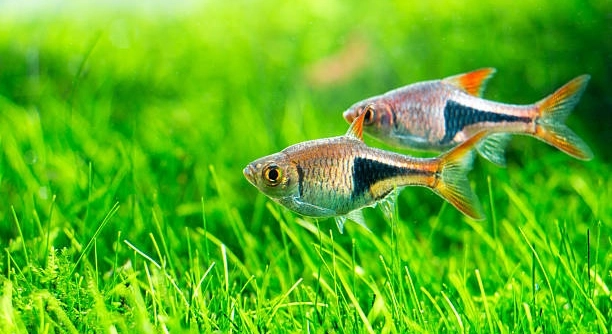
Rasboras are small, peaceful fish often kept in home aquariums. Many owners want their tanks to look clean and simple, sometimes choosing bare tanks without plants or decorations. However, this setup may not suit rasboras well.
Rasboras do not thrive in bare tanks because they rely on plants and hiding spots for comfort and security. Bare tanks increase their stress levels and reduce natural behaviors, negatively impacting their health and well-being over time.
Knowing why rasboras prefer more natural environments can help you create a better home for them. The following information explains how simple changes improve their happiness and health.
The Importance of Plants and Hiding Spots
Rasboras come from environments filled with plants and natural cover, so they feel safer when their tank mimics that. Plants provide shade and places to hide, which help reduce stress. Without these, rasboras may become shy or even aggressive due to feeling exposed. Hiding spots also encourage natural behaviors like exploring and resting. When fish are stressed, their immune systems weaken, making them more prone to illness. A bare tank might look neat, but it often creates a harsh and uncomfortable space for these sensitive fish. Adding plants and decorations improves water quality too, as plants absorb some waste. This creates a healthier environment overall. Many people who switch to planted tanks notice their rasboras become more active and colorful. It’s a simple change that makes a big difference in the daily life of the fish.
Plants and hiding places are not just decoration—they are essential for rasboras’ comfort and health.
Providing a tank with natural elements helps rasboras live longer and behave more naturally. The safe spaces reduce stress and promote better swimming patterns and social interaction. It also keeps the tank environment balanced. A planted tank creates a natural feel, which can calm the fish and help them thrive. Even simple additions like a few plants or small caves can improve their well-being. Creating a natural habitat supports their instincts, allowing them to feel protected and relaxed. When rasboras feel secure, they show brighter colors and more activity, which is rewarding to observe. This makes the aquarium a more enjoyable and healthy place for both the fish and their owners.
Risks of Bare Tanks for Rasboras
A bare tank leaves rasboras exposed and vulnerable.
Without natural hiding spots, stress levels rise and health problems follow. Fish may become less active and more prone to disease in such environments. Lack of cover can also increase aggression in some species. This stress affects their appetite and growth. Owners often notice duller colors and hiding behavior when tanks lack plants or decorations. Rasboras benefit from an environment that offers security and comfort, which bare tanks fail to provide. Adding simple natural elements can prevent many common issues, supporting their overall health and happiness. It’s important to remember that a tank is not just water and fish but a habitat that should meet the needs of its inhabitants.
Water Quality and Stress
Poor water quality in bare tanks can stress rasboras more than a planted tank environment.
Plants help keep water clean by absorbing nitrates and other waste products. Without plants, toxins build up faster, which can harm fish health. Bare tanks require more frequent water changes to maintain safe conditions. Stress from poor water quality weakens the immune system of rasboras, making them more likely to get sick. They become less active and show faded colors when water conditions worsen. Maintaining a planted tank reduces this problem by naturally improving water quality and lowering stress.
Fish in planted tanks generally show more vibrant colors and healthier behavior because of the stable environment. Plants also add oxygen to the water, which is vital for all aquatic life. Bare tanks miss out on these natural benefits, making them less suitable for sensitive species like rasboras. Keeping water parameters steady is easier with plants, which supports long-term fish health.
Social Behavior and Tank Environment
Rasboras are schooling fish that depend on a suitable environment to interact naturally.
In a bare tank, their social behavior can be disrupted because there are no places to retreat or feel secure. This can lead to stress and tension within the group. When they have plants and decorations, they can establish small territories or safe zones, which lowers aggression and encourages peaceful schooling. This environment allows them to swim freely while having access to hiding spots.
A planted tank provides opportunities for rasboras to explore and engage with their surroundings safely. This keeps them active and reduces boredom or stress-related behaviors. With the right tank setup, they display more natural swimming patterns and enjoy better overall health. Creating these conditions supports their social needs, helping them thrive in home aquariums.
Lighting and Comfort
Harsh lighting in a bare tank can make rasboras feel exposed and stressed.
Plants and decorations help diffuse light, creating shaded areas where fish can rest comfortably.
Natural Behavior Encouragement
Rasboras exhibit more natural behaviors in environments with plants and hiding spots. They explore, hide, and interact as they would in the wild. This stimulation helps reduce stress and keeps them active and healthy.
Tank Aesthetics and Fish Well-Being
A well-planted tank not only looks appealing but also promotes fish comfort and stability.
Clear, open tanks may seem attractive but often lack the elements rasboras need to feel secure.
Why do rasboras need plants in their tank?
Rasboras come from natural habitats filled with plants, which offer them protection and comfort. Plants provide hiding places that reduce stress and allow rasboras to feel safe. Without plants, they can become shy or stressed, leading to poor health. Plants also improve water quality by absorbing harmful substances, which helps keep the tank environment stable and healthy for the fish.
Can rasboras survive in a bare tank without any plants or decorations?
Technically, yes, rasboras can survive in bare tanks if the water quality is well maintained and conditions are ideal. However, survival doesn’t mean thriving. A bare tank lacks the natural elements that help reduce stress and encourage normal behavior. Over time, this can cause rasboras to become less active, lose color, or get sick more easily. It’s better to include plants and hiding spots to support their well-being.
How do plants improve water quality for rasboras?
Plants take in nitrates and other waste products from the water as nutrients, which helps reduce toxic buildup. They also produce oxygen during photosynthesis, improving the oxygen levels in the tank. This natural filtration makes water conditions more stable and healthier for rasboras. Without plants, toxins accumulate faster, requiring more frequent water changes and careful monitoring to keep fish safe.
What types of plants work best for rasbora tanks?
Easy-to-care-for plants like Java moss, Anubias, and Java fern are good choices. These plants don’t need much light or special care and provide plenty of hiding spaces. Floating plants like duckweed or water lettuce can add shade and help reduce bright light stress. Choosing hardy plants ensures the tank stays healthy and gives rasboras the environment they need without too much maintenance.
How often should I clean a planted tank with rasboras?
Planted tanks still need regular maintenance, but usually less frequent than bare tanks. A partial water change every one to two weeks is often enough if the plants are healthy and growing. Cleaning the substrate gently and checking filter function are important. Over-cleaning or removing too many plants can disrupt the natural balance, so aim for moderate care to keep both plants and fish happy.
What signs show that my rasboras are stressed in a bare tank?
Signs include hiding constantly, losing color, swimming erratically, or reduced appetite. Rasboras might also become more aggressive or lethargic. Stress lowers their immune response, making them more vulnerable to disease. If you notice these behaviors, adding plants or decorations and improving water conditions can help reduce their stress and improve their overall health.
Is it okay to mix artificial plants with real plants in a rasbora tank?
Yes, mixing artificial and real plants is fine as long as the artificial plants don’t have sharp edges that can harm the fish. Artificial plants provide extra hiding spots and decoration, but they don’t offer the same water quality benefits as real plants. Using both types can create a comfortable environment, especially for beginners or those who want lower maintenance tanks.
Can bare tanks cause aggression in rasboras?
Bare tanks remove natural hiding places, which can increase stress and tension among rasboras. While they are peaceful schooling fish, lack of cover can sometimes cause them to act more aggressively or become territorial. Providing plants and decorations helps reduce these issues by giving fish places to retreat and establish comfortable social spaces.
What is the best way to introduce plants to a rasbora tank?
Start with hardy plants that don’t need special care and place them around the tank’s edges or corners to create natural hiding spots. Avoid disturbing the substrate too much when planting. It’s best to introduce plants gradually to monitor water parameters and fish behavior. Over time, you can add more plants to build a fuller environment that benefits rasboras.
How do hiding spots help rasboras in a tank?
Hiding spots make rasboras feel safe and secure, reducing stress and encouraging natural behaviors like resting and exploring. These spots allow fish to escape from light or other tank mates if they feel threatened. Without hiding places, rasboras can become anxious and less active. Even simple decorations or plant clusters create the comfort they need to thrive.
Rasboras are peaceful, delicate fish that do best in tanks designed to meet their natural needs. While a bare tank might look tidy and simple, it often does not provide the comfort and security these fish require. Plants and hiding spots play a key role in reducing stress and encouraging natural behavior. Without them, rasboras can feel exposed and unsafe, which affects their health and happiness. Creating a tank environment that mimics their natural habitat is important for their overall well-being.
A planted tank offers many benefits beyond just aesthetics. It helps maintain better water quality by absorbing harmful substances, which keeps the tank stable and safe for the fish. Plants also add oxygen to the water and create shaded areas that reduce the impact of bright lights. These natural features make a big difference in how rasboras feel and behave. When their environment supports their needs, they tend to be more active, colorful, and social. The simple act of adding plants and decorations can improve their quality of life greatly.
Taking care of rasboras means thinking about more than just clean water and proper feeding. Their environment needs to provide safety and stimulation as well. Even basic plants and a few hiding places can help these fish feel more secure and encourage natural swimming and schooling patterns. A comfortable tank makes it easier to enjoy watching their behavior and beauty. Keeping rasboras happy in their aquarium involves creating a balanced space where they can thrive, not just survive. This approach benefits both the fish and the aquarium owner.

Hello,
If you enjoy the content that we create, please consider saying a "Thank You!" by leaving a tip.
Every little bit helps us continue crafting quality advice that supports the health, happiness, and well-being of pets around the world, for pets of all shapes, sizes, and species.
We really appreciate the kindness and support that you show us!