
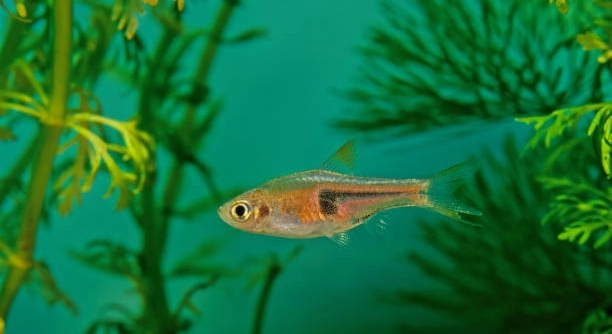
Rasboras are popular small fish known for their active schooling behavior. Many aquarists enjoy watching them swim closely together in groups. When these fish stop grouping, it can be confusing and concerning for hobbyists.
Rasboras stop schooling mainly due to stress, poor water conditions, or changes in their environment. Illness, inadequate tank size, or aggressive tankmates can also cause them to scatter instead of group. Addressing these factors often restores their natural behavior.
Understanding why rasboras stop grouping can help improve their well-being and the overall harmony of your aquarium environment.
Common Causes of Rasboras Not Grouping
When rasboras stop schooling, the reason is often related to their environment or health. Poor water quality is one of the main issues. If ammonia, nitrite, or nitrate levels rise, the fish can become stressed and stop grouping. Tank size also matters; a cramped tank makes it difficult for them to swim together comfortably. Changes in lighting or sudden loud noises may startle them and cause separation. Aggressive or overly active tankmates can scare rasboras into hiding or swimming alone. Illness or parasites can weaken fish, making them less likely to join the group. Sometimes, the age and number of fish affect their behavior too. Younger fish tend to school more tightly, while older ones may spread out. Keeping their environment stable and clean usually helps restore their natural schooling habits.
Poor water quality and aggressive tankmates often lead to rasboras scattering in the tank.
Rasboras need consistent conditions to feel safe. If they sense danger or discomfort, they stop grouping to protect themselves. By checking water parameters regularly and ensuring compatible tankmates, you create a stress-free space. Adding plenty of plants and hiding spots also helps them feel secure. Maintaining a healthy, stable environment encourages rasboras to swim closely again, showing their usual lively and social behavior.
Adjusting Tank Conditions for Better Schooling
Small changes in tank conditions can make a big difference for rasboras. Make sure the water temperature stays within their preferred range, typically 72–79°F (22–26°C). Consistent lighting, not too bright or dim, supports their natural rhythm. Using a gentle filter prevents strong currents that may break up their group. Feeding them regularly with varied food keeps their energy up and encourages normal behavior. If the tank is overcrowded, consider moving some fish to another aquarium or upgrading the size. This reduces stress and competition for space. Watching your rasboras carefully will help you notice subtle changes early. If the fish seem healthy but still don’t school, it might just take time for them to feel comfortable again. Adjusting the tank conditions patiently often leads to the rasboras returning to their natural schooling pattern.
Signs of Stress in Rasboras
Rasboras show stress through changes in behavior and appearance. They may stop schooling, hide more often, or lose their bright colors. Rapid breathing and erratic swimming are also common signs.
Stress weakens their immune system, making them vulnerable to disease. When stressed, rasboras might refuse food or become lethargic. This behavior is a warning that something in their environment is wrong. Common causes include poor water quality, sudden changes in temperature, or aggressive tankmates. Overcrowding also contributes to stress, as rasboras need space to swim and feel safe. Identifying stress early helps prevent serious health issues.
Keeping the water clean and stable is key to reducing stress. Regular water changes and monitoring parameters like pH, ammonia, and nitrate help maintain a healthy tank. Ensuring peaceful tankmates and providing plenty of hiding spots also supports their well-being. Observing your rasboras closely will allow you to catch signs of stress before problems worsen, helping them return to their natural, calm schooling behavior.
Feeding and Its Impact on Grouping
Proper feeding plays a big role in rasboras’ behavior. When they get enough food, they have more energy to swim actively in groups. Underfeeding or overfeeding can cause stress and disrupt their schooling. Feeding small amounts two to three times a day works best. Using a variety of foods like flakes, pellets, and live or frozen options keeps their diet balanced. Overfeeding leads to poor water quality, which can drive rasboras apart. Uneaten food decays, raising harmful chemicals that stress fish and affect their behavior. Feeding on a regular schedule helps keep them healthy and social.
Tank Size and Its Effect on Schooling
A tank that is too small can cause rasboras to scatter. They need enough space to swim freely and stay close together.
A larger tank with open swimming areas encourages natural schooling behavior and reduces stress among the fish.
The Role of Tankmates
Peaceful tankmates help rasboras feel safe and more likely to school. Aggressive or overly active fish can frighten them and cause separation.
Choosing compatible species creates a calmer environment where rasboras can thrive and display their natural group swimming.
Importance of Hiding Spots
Plants and decorations offer hiding spots that make rasboras feel secure. Without these, they may feel exposed and avoid grouping.
Providing plenty of cover supports their comfort and encourages closer swimming patterns.
FAQ
Why have my rasboras suddenly stopped schooling?
Rasboras stop schooling mainly because they feel unsafe or stressed. Changes in water quality, temperature fluctuations, or new tankmates can unsettle them. Illness or injury can also cause them to isolate. It’s important to check water parameters and look for signs of disease. Ensuring stable conditions and a peaceful tank often helps them regroup over time.
How can I tell if my rasboras are stressed?
Signs of stress include loss of color, erratic swimming, hiding more than usual, and refusal to eat. Rapid gill movement or gasping at the surface may also occur. Stress weakens their immune system, so addressing it quickly is vital. Regular water testing and keeping the tank clean are good first steps.
Can tank size affect rasbora schooling behavior?
Yes, tank size greatly influences their ability to school. A small or overcrowded tank limits swimming space and causes discomfort. Rasboras need room to swim in groups naturally, so a larger tank with open areas encourages schooling and reduces stress.
What tankmates are best for rasboras?
Calm, peaceful fish make the best tankmates for rasboras. Avoid aggressive or very active species that might scare them. Good companions include small tetras, peaceful gouramis, and some catfish species. Compatible tankmates help rasboras feel safe and encourage natural schooling.
How important is water quality for schooling behavior?
Water quality is crucial. Poor water with high ammonia, nitrite, or nitrate levels stresses rasboras and disrupts their behavior. Regular water changes, proper filtration, and monitoring help keep water clean and stable. Healthy water supports their natural, social habits.
Does feeding affect their schooling?
Feeding directly impacts their energy and behavior. Underfeeding leaves them weak and inactive, while overfeeding pollutes the water and stresses them. Feeding small, frequent meals with a balanced diet keeps rasboras healthy and active, promoting schooling.
How do hiding spots influence rasbora behavior?
Hiding spots like plants and decorations provide security, which is essential for schooling fish. When rasboras feel safe, they swim together more naturally. Lack of cover can cause them to scatter out of fear or discomfort. Adding plenty of hiding places supports calm, social behavior.
Is it normal for rasboras to school less as they age?
Yes, older rasboras may school less tightly. They sometimes become less active or prefer more space. However, they should still stay somewhat close to their group. Sudden or complete loss of schooling is a sign of stress or illness, not just aging.
Can illness cause rasboras to stop schooling?
Illness often causes fish to isolate. Sick rasboras may separate from the group, lose color, or behave differently. Common problems include parasites, bacterial infections, or swim bladder issues. Quarantining sick fish and treating the tank can help restore health and schooling.
How long does it take for rasboras to start schooling again?
The time varies depending on the cause. If conditions improve, rasboras may regroup within a few days to a couple of weeks. Patience is important, as rushing changes can add stress. Consistent care and a stable environment speed up their return to schooling behavior.
Rasboras are naturally social fish that usually enjoy swimming in groups. When they stop schooling, it can be a sign that something in their environment needs attention. Often, stress, poor water quality, or changes in the tank cause this behavior. Understanding these reasons helps keep the fish healthy and happy. Maintaining stable water conditions, providing enough space, and choosing peaceful tankmates all play important roles in encouraging rasboras to swim together again.
Taking care of rasboras means watching for signs of stress and illness. Changes in behavior like hiding, loss of color, or unusual swimming should not be ignored. Regularly testing water and keeping it clean can prevent many problems. Feeding the right amount of food and offering a balanced diet also supports their health. Adding plants and decorations gives the fish places to feel safe, which makes them more likely to school. These small steps create a comfortable home where rasboras can show their natural behaviors.
Patience is important when trying to get rasboras to group again. It may take time for the fish to adjust after changes or problems are fixed. Consistent care and observation help you notice if things improve or if further action is needed. When rasboras start schooling again, it shows that their environment is right for them. Keeping their needs in mind helps ensure a peaceful, lively aquarium where these beautiful fish can thrive.

Hello,
If you enjoy the content that we create, please consider saying a "Thank You!" by leaving a tip.
Every little bit helps us continue crafting quality advice that supports the health, happiness, and well-being of pets around the world, for pets of all shapes, sizes, and species.
We really appreciate the kindness and support that you show us!