
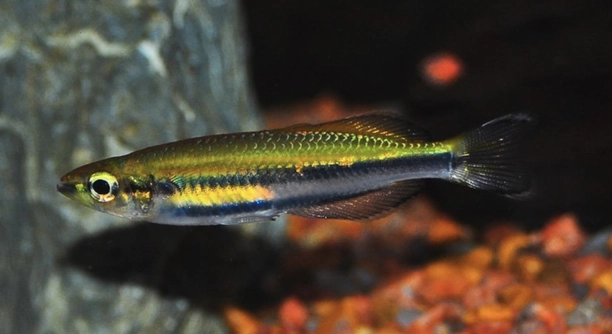
Rainbowfish are colorful and active fish that brighten any aquarium. Their behavior and health are closely linked to their environment, making small adjustments in care, like lighting, surprisingly important for their daily well-being.
Rainbowfish prefer consistent lighting because fluctuations can stress them, affect their feeding patterns, and disrupt natural circadian rhythms. Stable illumination promotes proper coloration, behavior, and overall health, ensuring these fish thrive in a controlled aquatic environment.
Maintaining the right lighting routine can improve your aquarium’s harmony and support your rainbowfish’s long-term vitality and comfort.
Understanding Rainbowfish Lighting Needs
Rainbowfish are sensitive to changes in their environment, and lighting plays a critical role in their overall health. Inconsistent lighting can lead to stress, which may show as faded colors, sluggish movement, or irregular eating habits. These fish rely on a stable light cycle to maintain their natural rhythms, helping them know when to feed, rest, and socialize. Most rainbowfish thrive under 10 to 12 hours of light daily, mimicking natural daylight patterns. Using a timer ensures the light turns on and off at the same time each day, reducing stress and supporting predictable behavior. Additionally, proper lighting helps plants and other organisms in the tank grow, creating a balanced habitat. Adjusting the intensity and color spectrum gradually is important to avoid shocking the fish, and placing lights too close can lead to overheating or algae growth. Paying attention to these details creates a healthier, calmer environment for your rainbowfish to flourish.
Consistent lighting helps maintain rainbowfish’s natural behaviors, encouraging bright coloration and active swimming, which are signs of good health.
By observing their reactions to light and adjusting gradually, you can create an environment that supports their daily patterns and long-term well-being. Consistency reduces stress and promotes stable interactions between fish, while also benefiting plants and the tank ecosystem. Proper lighting management allows you to enjoy the beauty of their colors while ensuring they remain healthy and active.
Common Issues from Inconsistent Lighting
Stress from fluctuating light can reduce appetite and cause erratic swimming patterns.
Inconsistent lighting may also disrupt the fish’s circadian rhythm, weakening their immune system over time. When the light schedule is irregular, rainbowfish can become confused about when to feed or rest, which can affect growth and overall vitality. Sudden changes in intensity or duration can startle them, sometimes leading to hiding or aggression. Maintaining a predictable light schedule reduces these risks, creating a sense of stability in the tank. Using a timer and choosing lights with adjustable intensity allows for better control and minimizes the risk of stress. Regular observation helps identify early signs of stress, such as color dulling or unusual swimming. By keeping the lighting steady, you help the fish maintain energy levels, proper feeding behavior, and social interactions, all of which contribute to a healthier aquarium environment. Consistent lighting supports a natural routine and enhances the visual appeal of the fish’s vibrant colors.
Choosing the Right Light Intensity
Too bright lighting can stress rainbowfish, while dim lighting may make them inactive. Finding a moderate intensity that mimics natural daylight helps them feel secure, maintain coloration, and remain active throughout the day.
Light intensity affects both behavior and coloration. Rainbowfish in overly bright tanks may hide, lose color vibrancy, or show signs of stress. Conversely, low light can lead to lethargy and reduced feeding activity. Using adjustable LED lights allows you to fine-tune the brightness according to your tank size and setup. Observing the fish’s reactions over several days helps determine the ideal intensity, ensuring they remain comfortable and healthy.
Consistent moderate lighting supports natural swimming patterns, encourages feeding, and highlights their vibrant colors. Adjusting gradually rather than making sudden changes prevents stress and promotes a balanced environment where rainbowfish can thrive alongside plants and other tank inhabitants.
Maintaining a Reliable Light Schedule
Timers simplify keeping a steady schedule, preventing accidental overexposure or darkness periods.
A reliable schedule helps rainbowfish establish predictable activity cycles. Consistent light and dark periods regulate feeding times, sleep, and social interactions. Using a timer prevents irregularities caused by human error or forgetfulness. Maintaining a regular schedule also supports tank plants, promoting a balanced ecosystem and healthier water conditions. Observing fish behavior in response to the lighting routine ensures their well-being and prevents stress-related issues, such as color fading or erratic swimming. Gradual adjustments during seasonal changes or tank modifications prevent sudden disruption to their routine.
Following a strict schedule helps rainbowfish adapt naturally to their environment, reduces stress, and supports overall health. Predictable lighting strengthens circadian rhythms, enhances coloration, and promotes active swimming. Timers and gradual changes provide stability, making the tank more enjoyable to maintain while keeping the fish comfortable and vibrant.
Effects of Sudden Light Changes
Sudden changes in lighting can startle rainbowfish, causing erratic swimming and hiding. Gradual adjustments are essential to prevent stress and maintain their natural behavior and vibrant coloration.
Rainbowfish respond best to predictable light patterns. Abrupt shifts in intensity or duration can lead to reduced appetite, fatigue, and weakened immunity. Maintaining stability supports their health and encourages normal activity within the tank.
Balancing Light for Plants and Fish
Proper lighting benefits both rainbowfish and live plants. Balanced illumination ensures plants grow steadily, providing hiding spots and oxygen while supporting the fish’s natural rhythms. Healthy plants help maintain water quality and contribute to a calmer, more comfortable environment for rainbowfish, reducing stress and promoting activity.
Using Timers Effectively
Timers eliminate guesswork and keep a consistent light schedule. Regular cycles prevent stress, support behavior, and maintain overall tank health for rainbowfish.
FAQ
How long should rainbowfish lights stay on each day?
Rainbowfish generally do best with 10 to 12 hours of light daily. This mimics natural daylight patterns and helps maintain regular feeding, resting, and social behaviors. Using a timer ensures the light turns on and off consistently, preventing stress from irregular cycles. Gradual adjustments during seasonal changes can help them adapt without disruption.
What type of lighting is best for rainbowfish?
LED lights with adjustable intensity are ideal because they allow precise control over brightness and spectrum. Full-spectrum lights support both fish coloration and plant growth. Avoid overly bright or harsh lights, as they can stress rainbowfish. Moderate, consistent lighting helps the fish remain active, healthy, and vibrant while enhancing the tank’s visual appeal.
Can sudden light changes harm rainbowfish?
Yes, abrupt changes in light can startle rainbowfish, leading to erratic swimming, hiding, or reduced feeding. Sudden darkness or intense light shocks their system, disrupting natural behaviors and increasing stress. Gradually adjusting brightness or duration prevents these issues and keeps the fish comfortable and calm.
Do rainbowfish need darkness at night?
Absolutely. Rainbowfish require periods of darkness to rest and maintain healthy circadian rhythms. A consistent night cycle prevents fatigue and stress, supporting immune function and overall vitality. Covering the tank or using a timer to turn off lights ensures a reliable dark period.
How does lighting affect rainbowfish coloration?
Proper, consistent lighting enhances the natural colors of rainbowfish. Bright, steady illumination brings out their vibrant reds, blues, and silvers, while inconsistent or weak lighting can dull their appearance. Balanced light also supports natural behaviors that contribute to healthier, more vivid fish.
Should aquarium plants influence lighting choices?
Yes. Live plants benefit from moderate, full-spectrum lighting, which in turn improves water quality and provides shelter. Healthy plants create a more stable environment for rainbowfish, reducing stress and promoting natural activity. Adjusting light for both plants and fish ensures a harmonious, thriving tank.
Are timers necessary for maintaining consistent lighting?
Timers are highly recommended because they eliminate guesswork and human error. Consistent light schedules reduce stress, support feeding and sleep patterns, and maintain overall tank health. Using a timer also allows gradual adjustments without sudden changes, keeping rainbowfish calm and comfortable.
How can I tell if my rainbowfish are stressed by lighting?
Signs of stress include hiding, color fading, erratic swimming, reduced appetite, and lethargy. Observing behavior closely after adjusting light intensity or schedule helps identify issues early. Maintaining consistent, moderate lighting prevents these problems and supports normal activity and healthy coloration.
Is it okay to change lighting frequently to highlight colors?
Frequent changes can stress rainbowfish and disrupt their natural rhythm. Gradual adjustments over days or weeks are safer. Highlighting colors should rely more on balanced, full-spectrum lighting and tank setup rather than constant intensity shifts. Stability ensures the fish remain healthy while appearing vibrant.
Can lighting affect rainbowfish growth?
Yes, consistent lighting supports regular feeding behavior and activity, indirectly contributing to healthy growth. Stress from irregular or harsh lighting can reduce appetite, slow metabolism, and weaken immunity, affecting development. Maintaining moderate, steady light cycles helps rainbowfish grow strong and maintain optimal health.
How do seasonal changes impact lighting for rainbowfish?
Seasonal variations in daylight should be mimicked gradually in the tank to avoid stress. Adjusting light duration slowly over days or weeks ensures rainbowfish adapt naturally without behavioral disruptions. Using timers helps manage seasonal changes effectively, supporting both fish and plant health.
Can rainbowfish adapt to low light conditions?
They can survive in low light but may become less active and show duller colors. Long-term low light can impact behavior, feeding, and overall vitality. Moderate, consistent lighting is best for maintaining vibrant coloration, normal activity, and a healthy environment.
How often should I check lighting levels in my tank?
Regular monitoring is important to ensure intensity and schedule remain consistent. Weekly checks prevent issues from burned-out bulbs, shifts in positioning, or timer malfunctions. Observing the fish’s behavior alongside lighting adjustments helps maintain a stable, stress-free environment.
What are the risks of overexposure to light?
Overexposure can cause stress, aggression, color fading, and even health issues. It can also encourage algae growth, which may impact water quality. Limiting light to a moderate, steady period each day helps maintain rainbowfish health and tank balance.
Can different species in the same tank affect lighting needs?
Yes. Other species may require different light levels, but rainbowfish generally benefit from moderate, consistent lighting. When mixing species, choose a compromise that supports natural behavior for all inhabitants without overexposing or under-lighting any group.
How do I gradually adjust lighting without stressing rainbowfish?
Increase or decrease intensity and duration in small steps over several days. Avoid sudden changes, and monitor fish behavior closely. Using a timer and adjustable LED lights makes gradual changes easier, supporting adaptation while keeping rainbowfish calm and vibrant.
What role does lighting play in aquarium health overall?
Lighting affects fish behavior, plant growth, water quality, and overall ecosystem balance. Consistent, moderate light promotes natural rhythms, reduces stress, supports feeding and activity, and enhances coloration. A well-managed lighting setup creates a stable environment for rainbowfish and all tank inhabitants, improving longevity and health.
How can I create a natural day-night cycle in my aquarium?
Use a timer to maintain 10 to 12 hours of light followed by darkness. Gradually adjust for seasonal changes and avoid sudden shifts. Mimicking natural daylight helps regulate behavior, sleep, and feeding, keeping rainbowfish healthy and their environment balanced.
What common mistakes should I avoid with rainbowfish lighting?
Avoid sudden changes, overly bright or dim lighting, skipping dark periods, and ignoring plant needs. Not using a timer or adjusting intensity too quickly can cause stress. Monitoring fish behavior and maintaining consistent light cycles prevents these issues and promotes vibrant, active rainbowfish.
Can lighting affect breeding behavior?
Yes. Consistent light cycles support natural reproductive rhythms, encouraging healthy spawning and egg development. Irregular lighting can disrupt breeding patterns and reduce success rates. Maintaining stable, moderate illumination is key to supporting rainbowfish reproduction.
How do I balance lighting for a mixed-species tank?
Choose a moderate intensity that accommodates rainbowfish and other species. Ensure full-spectrum light for plant growth without overexposing sensitive fish. Gradually adjust intensity or duration if conflicts arise. Stability benefits all inhabitants while highlighting colors and promoting natural behavior.
What is the ideal spectrum for rainbowfish lighting?
Full-spectrum lighting with a balance of warm and cool tones enhances coloration and supports natural behavior. Avoid overly narrow spectrums that may dull colors or stress the fish. Proper spectrum also benefits live plants, contributing to a healthier tank environment.
How does lighting interact with water temperature?
Intense lights can slightly raise water temperature, affecting fish metabolism and plant growth. Monitoring both light intensity and tank temperature ensures stability. Adjusting light placement or intensity prevents overheating and maintains a comfortable environment for rainbowfish.
Is it necessary to change bulbs regularly?
Yes. Even if bulbs still glow, their spectrum and intensity may degrade over time. Replacing bulbs as recommended ensures consistent lighting quality, supporting fish coloration, behavior, and plant health.
Can lighting alone improve rainbowfish color?
Lighting enhances existing coloration but cannot replace diet, water quality, or genetics. Balanced light makes colors more vibrant and supports natural behavior, but optimal health depends on overall care, including nutrition and habitat maintenance.
How does algae growth relate to lighting?
Excessive light encourages algae, which can compete with plants for nutrients and affect water quality. Maintaining moderate, consistent light and regular tank maintenance prevents overgrowth, keeping both rainbowfish and plants healthy.
Are there signs that lighting needs adjustment?
Faded colors, hiding, erratic swimming, reduced appetite, and lethargy indicate stress or improper lighting. Observing behavior and adjusting intensity or schedule helps maintain a stable, healthy environment for rainbowfish.
Can rainbowfish adapt to artificial light only?
Yes, but consistent, full-spectrum artificial light is necessary to replicate natural conditions. Timers, gradual adjustments, and moderate intensity help fish maintain normal behavior, coloration, and health in a fully artificial setup.
What should I do if fish show stress despite proper lighting?
Check water quality, tank setup, and compatibility with other species. Review feeding and behavior. Minor adjustments to light intensity or schedule, combined with monitoring, can alleviate stress and restore normal activity patterns.
Does lighting affect fish sleep?
Yes. Predictable dark periods allow rainbowfish to rest properly, supporting immune function and overall health. Irregular light schedules can disrupt sleep, causing fatigue, stress, and weakened immunity. Maintaining consistent cycles ensures adequate rest.
How can I minimize stress during lighting changes?
Adjust intensity and duration slowly over several days, use timers, and observe behavior closely. Gradual changes prevent shock, helping rainbowfish adapt while maintaining coloration and natural activity patterns.
What tools help manage aquarium lighting effectively?
Timers, adjustable LED lights, light meters, and observation of fish behavior are essential. These tools ensure consistent schedules, appropriate intensity, and proper spectrum, supporting fish health, coloration, and tank stability.
Can lighting affect feeding habits?
Yes. Rainbowfish feed more actively under consistent, moderate light. Irregular or overly intense lighting can reduce appetite and disrupt feeding schedules. Maintaining a stable light cycle encourages regular eating and healthy growth.
How often should I observe fish for lighting-related stress?
Daily observation is best. Noting behavior, coloration, and activity helps detect stress early. Quick adjustments prevent long-term health issues and ensure rainbowfish remain vibrant and active.
Is it okay to use decorative lights in addition to main lighting?
Decorative lights are acceptable if they don’t disrupt the main light cycle. Avoid flashing, overly bright, or colored lights that stress fish. Maintaining consistency in main lighting is most important for rainbowfish health.
How does lighting influence fish social interactions?
Consistent light supports normal schooling, territorial, and social behaviors. Stress from irregular lighting can lead to hiding, aggression, or disrupted group dynamics. Stable illumination encourages natural interactions and reduces stress.
What is the relationship between lighting and tank aesthetics?
Proper lighting enhances fish coloration, plant growth, and overall tank appearance. Balanced light creates a visually appealing environment while supporting healthy behavior and vitality in rainbowfish. It highlights colors without compromising health or stability.
How do I combine natural and artificial light?
If using natural light, avoid direct sunlight that causes temperature spikes or algae growth. Combine with consistent artificial light to maintain predictable cycles, moderate intensity, and full-spectrum illumination for both fish and plants.
Can lighting influence tank water chemistry?
Indirectly, yes. Excess light can fuel algae growth, affecting nutrient balance and oxygen levels. Maintaining moderate, steady lighting and observing plant health helps stabilize water chemistry, benefiting rainbowfish and overall tank ecology.
How important is lighting for long-term health?
Lighting is crucial for circadian rhythm, behavior, coloration, and stress management. Consistent, moderate, and full-spectrum light supports vitality, immune function, and natural activity, making it a key factor in long-term health and well-being for rainbowfish.
Can I use dim lighting for nighttime viewing?
Low, soft lighting is acceptable for brief nighttime observation. Avoid bright or prolonged exposure, as it can disrupt sleep cycles and stress rainbowfish. Timers and dimmable LEDs allow safe viewing without interfering with natural rest periods.
How should I adjust lighting for new rainbowfish?
Introduce them slowly under moderate light, avoiding sudden intensity changes. Gradual adaptation helps them feel secure, reduces stress, and encourages normal feeding and swimming behavior. Observing reactions during the first days ensures they settle comfortably.
Does lighting impact fish lifespan?
Indirectly, yes. Proper, consistent lighting reduces stress, supports feeding and sleep, and promotes healthy behavior, all of which contribute to longevity. Poor lighting can weaken immunity, reduce vitality, and shorten lifespan. Maintaining stable light conditions is essential for rainbowfish longevity.
What are the best practices for lighting a community tank?
Use moderate, full-spectrum lighting suitable for all species, including plants. Keep schedules consistent with timers, adjust gradually when needed, and monitor behavior closely. Balancing intensity and duration supports natural behavior, coloration, and overall health for rainbowfish and other tank inhabitants.
Can lighting help prevent disease?
Indirectly. Stable, moderate lighting reduces stress, which strengthens the immune system. Healthy circadian rhythms and reduced erratic behavior from proper lighting lower susceptibility to disease, promoting a more resilient aquarium environment.
How do I combine lighting with filtration and water movement?
Ensure lighting complements filtration and water flow, creating a stable environment. Proper light supports plant growth, which interacts with water quality. Balanced filtration and flow prevent stagnant areas, enhancing the benefits of consistent lighting for rainbowfish health.
Is special lighting needed for breeding tanks?
Moderate, consistent light supports reproductive behavior, while avoiding overly bright or sudden changes that cause stress. Full-spectrum lighting enhances natural coloration, encouraging mating behavior and improving spawning success. Gradual adjustments help maintain comfort for both adults and fry.
How important is light positioning?
Positioning affects intensity, coverage, and heat distribution. Lights too close can stress fish or promote algae; too far may reduce visibility and plant growth. Even coverage ensures a balanced environment and maintains natural behavior patterns for rainbowfish.
What common mistakes do aquarists make with lighting?
Common mistakes include sudden changes, ignoring timers, excessive intensity, insufficient dark periods, and neglecting plant needs. These errors stress rainbowfish, dull colors, and disrupt natural behaviors. Consistent monitoring and gradual adjustments prevent problems and maintain a healthy tank environment.
Can lighting improve fish activity levels?
Yes. Consistent, moderate lighting encourages normal swimming, feeding, and social behaviors. Proper illumination supports daily routines, keeps rainbowfish engaged, and promotes vitality, while poor lighting can lead to lethargy and stress.
How do I know if lighting is optimal for my tank?
Observe fish behavior, coloration, and activity. Healthy, active rainbowfish with bright colors indicate appropriate lighting. Plants should grow steadily without algae overgrowth. Adjust intensity or duration gradually if signs of stress or dulling appear.
Are there differences between LED, fluorescent, and other lighting types?
LEDs are energy-efficient, adjustable, and long-lasting, making them ideal for rainbowfish tanks. Fluorescent lights provide good spectrum but may need frequent replacement. The key is consistent intensity, full-spectrum coverage, and the ability to maintain steady cycles regardless of the type.
How does lighting influence stress recovery?
Consistent light helps rainbowfish recover from illness or relocation by supporting normal behavior, feeding, and rest. Gradual light adjustments reduce environmental stressors, allowing fish to regain strength and maintain vibrant coloration.
What is the safest way to upgrade tank lighting?
Introduce new lights gradually, adjusting intensity over several days. Use timers to maintain stable cycles and observe fish behavior closely. Gradual changes minimize stress and prevent disruption to established routines.
Can lighting affect aggression levels?
Yes. Irregular or overly bright lighting can trigger stress and territorial disputes. Stable, moderate illumination reduces aggression, supports natural schooling behavior, and encourages peaceful interactions among rainbowfish.
How should I combine ambient room light with aquarium lighting?
Minimize direct sunlight or bright room lighting to avoid temperature spikes or algae growth. Rely on aquarium lights with timers for consistency. Ambient light can supplement natural cycles but should not replace controlled, predictable illumination for rainbowfish.
Is it important to match lighting to natural habitat conditions?
Yes. Mimicking natural light patterns, intensity, and duration supports behavior, coloration, feeding, and reproduction. Consistent, habitat-appropriate lighting reduces stress and promotes long-term health for rainbowfish.
Can lighting affect water temperature fluctuations?
Indirectly. Strong lighting can slightly raise water temperature. Monitoring both light intensity and temperature prevents overheating, ensures stability, and maintains a comfortable environment for rainbowfish and other tank inhabitants.
Are dimming options useful for rainbowfish tanks?
Yes. Gradual dimming mimics sunrise and sunset, reducing stress and supporting natural circadian rhythms. Adjustable dimming allows better control over intensity, making transitions smoother and the environment more comfortable.
How do I maintain lighting when on vacation?
Timers and programmable LED lights maintain consistent cycles in your absence. Ensure batteries or power backup are ready if needed. Maintaining light consistency prevents stress and keeps rainbowfish behavior stable while you are away.
What is the role of photoperiod in rainbowfish health?
Photoperiod, or the duration of light exposure, regulates feeding, rest, social interaction, and reproduction. Consistent photoperiods maintain circadian rhythms, reduce stress, and promote vibrant coloration and active behavior.
Can lighting interact with water clarity?
Yes. Bright or poorly positioned light can highlight particles or algae, affecting appearance. Proper light placement and intensity, combined with good filtration, maintain clear water and a visually appealing tank while supporting rainbowfish health.
How do I combine lighting with seasonal changes?
Gradually adjust duration and intensity over days or weeks to mimic natural shifts. Sudden changes can stress rainbowfish. Timers and incremental adjustments ensure adaptation while preserving coloration, behavior, and overall well-being.
How important is consistency compared to light type?
Consistency is more important than light type. Whether using LED or fluorescent, steady cycles, moderate intensity, and predictable photoperiods have the greatest impact on rainbowfish health, behavior, and coloration.
Can improper lighting lead to long-term health issues?
Yes. Irregular, harsh, or excessive lighting can cause stress, weakened immunity, poor feeding, and behavioral changes. Over time, this can reduce lifespan and make rainbowfish more prone to illness. Maintaining consistent, moderate light supports long-term well-being.
What should I do if my rainbowfish hide constantly under current lighting?
Check for excessive brightness, sudden changes, or inadequate dark periods. Gradually adjust light intensity or timing and observe behavior. Properly balanced and consistent lighting encourages natural swimming, reduces hiding, and promotes activity.
Does lighting affect fry differently than adult rainbowfish?
Yes. Fry are more sensitive to intensity and sudden changes. Gradual light introduction and consistent schedules help young fish develop normally, maintain coloration, and establish healthy feeding and activity patterns.
How does lighting interact with tank decorations?
Decorations can create shaded areas or reflective surfaces that affect light distribution. Position lights to provide even coverage and avoid harsh spots, ensuring rainbowfish have both shaded refuges and well-lit areas to support natural behavior.
Can lighting influence fish schooling behavior?
Yes. Predictable light cycles support coordinated swimming, social interaction, and reduced stress. Erratic or overly bright lighting can cause fragmentation of the school and increase hiding or aggression. Stable illumination encourages normal group behavior.
Is it okay to use colored lights for aesthetic purposes?
Occasional, low-intensity colored lights are acceptable if they do not disrupt the main lighting cycle. Avoid frequent or bright color changes, which can stress rainbowfish and interfere with natural rhythms.
**How do I know when it’s
Rainbowfish thrive in environments where lighting is consistent, moderate, and predictable. Proper light management helps maintain their natural behaviors, reduces stress, and enhances their vibrant colors. When the light schedule is stable, rainbowfish are more active, feed regularly, and display normal swimming and social behaviors. Inconsistent or overly bright lighting can lead to hiding, erratic movements, and color fading, all of which are signs of stress. Using timers and adjustable lights is an effective way to maintain consistency and provide the right intensity, allowing rainbowfish to adapt comfortably to their surroundings without unnecessary disruptions.
Maintaining a reliable lighting schedule is essential not only for the fish but also for the entire tank ecosystem. Live plants rely on steady, full-spectrum light to grow, which in turn benefits rainbowfish by providing oxygen, hiding spots, and a more balanced environment. Proper lighting also helps control algae growth, which can affect water quality and fish health. Observing the reactions of rainbowfish to lighting adjustments can provide valuable insight into their comfort and well-being. Gradual changes in intensity or duration are always better than sudden shifts, as they allow the fish to acclimate naturally. Consistency supports healthy circadian rhythms, encourages active feeding patterns, and ensures that rainbowfish maintain their full color potential.
Focusing on lighting as a part of routine aquarium care creates a stable, healthy environment for rainbowfish. It is one of the most straightforward ways to improve overall tank conditions while promoting natural behavior and vitality. Careful attention to light intensity, duration, and spectrum, combined with the use of timers and observation, helps prevent stress and behavioral issues. By prioritizing consistent lighting, aquarists can provide rainbowfish with an environment that supports long-term health, enhances coloration, and encourages active, natural movement. Ultimately, proper light management is a small adjustment that produces noticeable benefits, helping rainbowfish thrive and allowing their beauty to shine within a balanced, well-maintained aquarium.

Hello,
If you enjoy the content that we create, please consider saying a "Thank You!" by leaving a tip.
Every little bit helps us continue crafting quality advice that supports the health, happiness, and well-being of pets around the world, for pets of all shapes, sizes, and species.
We really appreciate the kindness and support that you show us!