
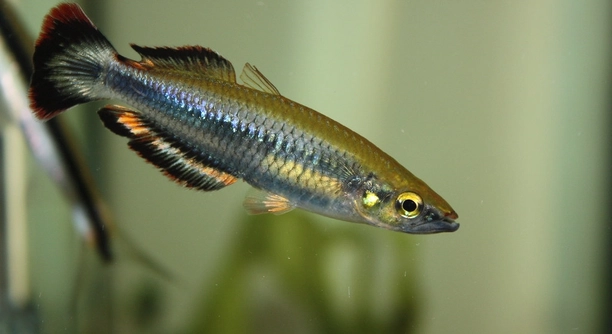
Rainbowfish are small, colorful fish that bring life to any aquarium. They move gracefully, enjoying their surroundings while interacting with other fish. Observing their behavior can reveal a lot about what makes them comfortable and happy in a tank.
Rainbowfish prefer calm environments because sudden changes and loud disturbances can trigger stress responses. Consistent water conditions, gentle currents, and minimal noise support their natural behavior, helping them maintain health, vibrant colors, and social interactions within the aquarium.
Knowing how to create a peaceful tank environment can make a noticeable difference in your rainbowfish’s behavior and overall well-being. Small adjustments can lead to a more harmonious aquatic space.
Understanding Their Natural Habitat
Rainbowfish come from calm freshwater rivers and lakes, where the water moves slowly and vegetation is abundant. In these environments, they can swim freely without constant disturbance, hiding among plants when necessary. Their natural surroundings provide stable temperatures, consistent water chemistry, and minimal sudden noise, which all support their wellbeing. These fish rely on predictable conditions to regulate stress, maintain energy, and interact socially.
By mimicking these aspects in an aquarium, owners can see a marked improvement in behavior and coloration. Calm water, gentle filtration, and quiet surroundings make them more active and healthy.
Creating an aquarium similar to their natural habitat requires thoughtful planning. Plants, rocks, and soft substrates help them feel secure, while moderate lighting and stable temperatures ensure they thrive. Overcrowding or sudden movements can easily upset them. Observing them over time, you’ll notice how a calm setup allows rainbowfish to swim confidently, form groups, and display their true colors, demonstrating the impact of a peaceful environment.
Effects of Stress on Rainbowfish
Stress reduces immunity and dulls coloration.
Prolonged stress can affect feeding habits, reduce reproductive success, and make rainbowfish more susceptible to disease. Stress responses include hiding, erratic swimming, or aggression.
Stress is subtle but impactful. When rainbowfish are exposed to constant noise, sudden movements, or fluctuating water conditions, their bodies release hormones that interfere with digestion and energy storage. This can lead to slow growth, weakened fins, and vulnerability to infections. In severe cases, prolonged stress may shorten their lifespan. Observing behavior carefully allows you to intervene early, adjusting tank conditions to reduce tension. Even minor improvements, like adding floating plants for cover or reducing abrupt light changes, can help them regain stability. A calm aquarium encourages natural schooling behavior, healthier appetites, and brighter coloration. Over time, a stress-free environment becomes evident in their energy levels, interaction with tank mates, and overall appearance, proving that attention to these details benefits both the fish and the enjoyment of keeping them.
Setting Up a Calm Aquarium
Gentle water flow and soft filtration keep rainbowfish comfortable. Avoid strong currents that tire them out or make swimming difficult. Floating plants provide shaded areas for hiding, and open swimming space supports natural movement. Small adjustments create a peaceful environment that encourages healthy behavior and vibrant colors.
Choosing the right tank size is important. A medium to large aquarium gives rainbowfish room to school and explore without feeling cramped. Maintaining stable water temperature and chemistry prevents sudden stress. Adding plants, smooth rocks, and driftwood mimics their natural habitat. Proper lighting helps them show bright colors without startling them. A calm, structured environment reduces stress and allows rainbowfish to feel secure.
Observing interactions in a well-planned tank is rewarding. Rainbowfish form social groups and swim harmoniously when conditions are steady. They respond to gentle changes rather than abrupt ones. Overcrowding or inconsistent care can disrupt their social structure and cause hiding or aggression. Ensuring quiet surroundings and steady routines helps them thrive, making the aquarium a more lively and colorful space for both the fish and the caretaker.
Feeding and Daily Care
Rainbowfish need a varied diet to stay healthy. Offer high-quality flakes, small pellets, and occasional live or frozen food.
Providing a mix of nutrients supports their growth, coloration, and immune system. Feed small amounts multiple times a day to prevent overeating. Removing uneaten food maintains water quality and reduces stress caused by waste accumulation. Regular observation helps identify changes in appetite or behavior, which can indicate health issues. Combining dry and live foods encourages natural foraging behavior and keeps them active. Consistency in feeding times also helps them feel secure.
Daily maintenance includes checking water temperature, filtering systems, and removing debris. Cleaning the tank without disturbing the fish excessively minimizes stress. Monitoring water parameters, such as pH and hardness, ensures a stable environment. Weekly partial water changes keep the aquarium clean while maintaining beneficial bacteria. Observing the rainbowfish during care routines allows you to notice subtle changes in swimming patterns or color, indicating stress or illness. Small, consistent actions make a big difference in their overall health and happiness, supporting a calm and balanced aquarium ecosystem.
Water Quality Matters
Consistent water quality is essential for rainbowfish. Sudden changes in pH, temperature, or hardness can stress them quickly. Regular testing and gradual adjustments help maintain a stable environment. Clean water supports their immune system, promotes vibrant colors, and encourages natural schooling behavior.
Filtration should be gentle yet effective. Strong currents or harsh filters can tire the fish and disrupt their peaceful environment. Using sponge filters or adjustable flow systems keeps water moving without creating turbulence. Regular cleaning of filter media prevents buildup while maintaining beneficial bacteria. Consistency in water changes and monitoring reduces stress and keeps rainbowfish healthy over time.
Choosing Compatible Tank Mates
Rainbowfish do best with peaceful fish of similar size and temperament. Aggressive or overly large species can cause stress or injury.
Selecting companions that share similar water and feeding requirements encourages harmonious schooling. Avoid fast or territorial fish that may chase or outcompete rainbowfish. Species like tetras, gouramis, or small rasboras often coexist well, contributing to a lively yet calm aquarium atmosphere.
Light and Temperature Control
Balanced lighting helps rainbowfish show their best colors without startling them. Avoid sudden changes or overly bright setups.
Observing Behavior for Stress
Regular observation allows early detection of stress. Changes in swimming, color, or appetite indicate potential problems.
FAQ
How often should I feed my rainbowfish?
Rainbowfish do best with small meals two to three times a day. Overfeeding can pollute the water and stress them. Offering a mix of high-quality flakes, pellets, and occasional live or frozen food ensures balanced nutrition and vibrant colors. Remove uneaten food promptly to maintain water quality.
What is the ideal tank size for rainbowfish?
A minimum of 30 gallons is recommended for a small group. Rainbowfish are active swimmers and need space to school. Larger tanks allow stable water conditions, reduce aggression, and provide room for plants, rocks, and hiding spots. More space helps maintain calm and healthy behavior.
How can I reduce stress in my aquarium?
Stable water parameters, gentle filtration, and minimal disturbances are key. Avoid sudden lighting changes, loud noises, or overcrowding. Adding plants and decorations gives hiding spots. Observe behavior daily to catch signs of stress early, like hiding, erratic swimming, or loss of color.
Can rainbowfish live with other species?
Yes, if tank mates are peaceful and similar in size. Tetras, small rasboras, and gouramis usually coexist well. Avoid aggressive or territorial fish that may chase or outcompete them. Matching water and feeding needs is essential to keep the tank calm and healthy for all species.
How often should I change the water?
Weekly partial water changes of 20–30% help maintain cleanliness and stable water chemistry. Avoid full water changes unless necessary, as they can shock the fish. Regular monitoring of temperature, pH, and hardness ensures a calm and consistent environment.
What temperature do rainbowfish prefer?
A range of 74–78°F is ideal. Consistency matters more than hitting an exact number. Sudden fluctuations can stress them and weaken their immune system. Using a reliable heater and thermometer ensures the tank remains stable, supporting calm behavior and healthy growth.
Do rainbowfish need live plants?
Live plants are highly beneficial. They provide hiding spots, reduce stress, and contribute to water quality by absorbing nitrates. Floating plants can offer shaded areas, while rooted plants create natural territory boundaries. Proper plant care supports a calm environment and encourages natural behavior.
How can I tell if my rainbowfish is stressed?
Signs include hiding more than usual, swimming erratically, faded colors, loss of appetite, or aggression toward tank mates. Stress often results from poor water quality, strong currents, or incompatible companions. Observing daily and adjusting conditions promptly can prevent long-term health issues.
Are decorations necessary for rainbowfish?
Decorations like rocks, driftwood, and plants provide security and reduce stress. They create boundaries that help fish establish territories and explore safely. Avoid sharp objects that could injure fins. Thoughtful decoration placement enhances both comfort and visual appeal of the aquarium.
What should I do if water parameters fluctuate?
Make changes gradually to avoid shocking the fish. Monitor pH, hardness, and temperature regularly. Small, incremental adjustments stabilize the environment. Sudden changes in water conditions can trigger stress, reduce immune response, and affect coloration, so consistent observation and gentle corrections are essential.
How do I encourage natural schooling behavior?
Keeping rainbowfish in groups of at least six supports social interaction. Providing open swimming space with scattered plants encourages schooling. Calm conditions, consistent feeding, and compatible tank mates all help rainbowfish feel secure and maintain natural group behavior.
Can rainbowfish live long in a home aquarium?
With proper care, stable water conditions, regular feeding, and a calm environment, rainbowfish can live 5–8 years. Attention to stress reduction, compatible tank mates, and observing daily behavior promotes longevity, vibrant colors, and overall health.
What is the best way to acclimate new rainbowfish?
Float the bag in the tank for 15–20 minutes to equalize temperature. Gradually add small amounts of tank water over 30–60 minutes before release. Slow acclimation reduces stress and helps fish adjust to water parameters, encouraging a smooth transition into a calm environment.
Is water flow important in a rainbowfish tank?
Yes, but it should be gentle. Strong currents can exhaust them and increase stress. Adjustable filters or sponge filters provide movement without turbulence, maintaining water quality while preserving a calm swimming environment. Proper flow encourages healthy activity and prevents aggression or hiding.
How do I maintain vibrant colors in rainbowfish?
Consistent feeding with varied, nutrient-rich foods and stable water conditions help. Stress-free environments, proper lighting, and compatible companions also enhance coloration. Avoid sudden changes in water chemistry or lighting, as stress can cause colors to fade. Healthy fish display bright, lively patterns naturally.
Can I keep rainbowfish in a planted tank?
Yes, planted tanks are ideal. Plants provide hiding spots, reduce stress, and improve water quality. Floating plants can create shaded areas, while rooted plants offer boundaries for exploration. A well-planted tank mimics their natural habitat, encouraging calm behavior and schooling.
What should I do if my rainbowfish loses color?
Check water quality, temperature, and compatibility with tank mates. Stress or illness often causes fading. Ensure proper diet and gentle environment. Observing daily allows you to identify triggers and make gradual adjustments to restore health and vibrant colors.
Are rainbowfish sensitive to noise or vibrations?
Yes, loud noises or sudden movements can stress them. Keeping the aquarium in a quiet area, minimizing tapping on glass, and maintaining gentle water flow supports calm behavior. Reducing disturbances allows fish to swim naturally and display bright coloration consistently.
How can I prevent disease in rainbowfish?
Maintain clean, stable water and a balanced diet. Quarantine new fish before adding them to the main tank. Avoid overcrowding and monitor for early signs of illness, such as unusual swimming patterns, loss of appetite, or faded color. Prompt action helps keep the group healthy and stress-free.
What is the best lighting for rainbowfish?
Moderate lighting highlights their colors without startling them. Sudden bright light can cause stress. Combining ambient and focused lighting, along with shaded areas from floating plants, creates a balanced environment where rainbowfish feel secure and display natural behavior.
How can I encourage feeding in shy rainbowfish?
Offer food near hiding spots and use slow, consistent methods. Live or frozen foods can attract reluctant eaters. Feeding at predictable times helps them feel secure, reducing stress and supporting proper nutrition. Observing their response allows adjustments to improve appetite.
How often should I clean the tank?
Partial water changes weekly and careful removal of debris help maintain stable water quality. Avoid full cleanings that disturb beneficial bacteria. Consistent care reduces stress and keeps rainbowfish healthy, supporting natural behavior and bright colors.
What tank mates should be avoided?
Avoid aggressive, territorial, or much larger fish. Species that chase, nip fins, or compete heavily for food create stress. Choosing peaceful companions of similar size ensures a calm, balanced aquarium where rainbowfish can swim confidently and maintain social groups.
How do I monitor tank conditions effectively?
Regular testing of temperature, pH, hardness, and ammonia levels is essential. Visual observation of fish behavior provides immediate insight into stress or imbalance. Keeping notes of changes helps maintain stability and ensures rainbowfish thrive in a calm environment.
What is the best diet variety for rainbowfish?
Combine flakes, pellets, frozen, and live foods. Rotating protein sources like brine shrimp, daphnia, or bloodworms promotes health and vibrant coloration. Variety encourages natural foraging behavior and supports energy levels needed for schooling and active swimming.
Can rainbowfish tolerate cooler water?
They can survive slightly cooler temperatures but thrive best in 74–78°F. Water that is too cold slows metabolism, reduces activity, and increases susceptibility to disease. Maintaining stable temperature within their ideal range supports calm behavior and overall health.
How do I reduce aggression in a rainbowfish tank?
Provide enough space, hiding spots, and compatible tank mates. Avoid overcrowding and maintain stable water conditions. Observing interactions allows early intervention, separating overly aggressive fish if necessary. A calm, structured environment encourages natural social behavior without stress or conflict.
Are rainbowfish schooling fish?
Yes, they naturally form groups. Keeping at least six together supports social interaction, reduces stress, and encourages healthy swimming patterns. Schooling behavior is best observed in a calm, open environment with gentle currents and appropriate tank mates.
How can I tell if the aquarium is too crowded?
Signs include constant hiding, chasing, or erratic swimming. Overstocking increases stress, reduces water quality, and affects schooling behavior. Ensuring adequate space per fish and observing interactions prevents overcrowding and keeps the environment calm and healthy.
What adjustments help newly introduced rainbowfish settle in?
Slow acclimation, stable water parameters, gentle lighting, and minimal disturbance help them adjust. Adding plants and hiding spots provides security. Observing their behavior allows gradual intervention to ensure they feel comfortable, reducing stress and encouraging normal activity and schooling.
How important is regular observation?
Daily monitoring allows early detection of stress, illness, or behavioral changes. Noticing subtle differences in swimming, color, or appetite helps maintain a calm and healthy environment, ensuring rainbowfish thrive and display natural behavior consistently.
How do I handle sudden health issues?
Identify the cause through water testing, observation, and reviewing diet or tank mates. Isolate affected fish if needed. Make gradual adjustments rather than abrupt changes. Prompt, careful response prevents worsening conditions and keeps the group stress-free.
Can rainbowfish adapt to different lighting schedules?
Yes, gradual changes are tolerated, but consistency is preferred. Sudden bright lights can startle them. Mimicking natural day-night cycles with moderate lighting supports calm behavior, normal feeding, and healthy coloration.
What is the best way to introduce new decorations or plants?
Add them gradually and avoid sudden rearrangements. This minimizes stress and allows rainbowfish to explore safely. Soft plants, smooth rocks, and driftwood provide comfort while preserving swimming space and maintaining a peaceful aquarium environment.
How do I handle water changes without stressing fish?
Replace small portions weekly instead of full tank changes. Add water slowly to match temperature and parameters. This prevents shocks and keeps rainbowfish calm, maintaining stability in their environment while supporting health and natural behavior.
Can rainbowfish tolerate other water types?
They prefer slightly alkaline, soft to moderately hard water. Extreme deviations can stress them. Maintaining stable parameters within their natural range promotes calm behavior, vibrant coloration, and overall well-being.
How do I encourage active swimming?
Provide open swimming space, gentle water flow, and compatible companions. Avoid overcrowding or excessive decoration that restricts movement. Calm conditions and regular feeding encourage energy, schooling behavior, and visible coloration throughout the tank.
What are common signs of stress besides color fading?
Hiding, erratic swimming, loss of appetite, aggression, or fin clamping indicate stress. These behaviors often result from poor water quality, sudden changes, or incompatible tank mates. Observing these signs allows prompt adjustments to restore calm and balance.
How important is tank placement in a room?
Quiet locations with minimal vibrations or disturbances reduce stress. Avoid areas with constant traffic or loud noise. Proper placement supports calm behavior, natural schooling, and helps rainbowfish maintain health and vibrant colors.
What is the best way to monitor food intake?
Observe feeding behavior daily. Uneaten food should be removed to prevent water contamination. Gradual adjustments in portion size prevent overfeeding while ensuring nutrition, supporting calm, healthy, and active rainbowfish.
How do I handle aggression between rainbowfish?
Separate aggressive individuals if persistent chasing occurs. Ensure enough space, hiding spots, and compatible companions. Maintaining stable water conditions reduces tension and allows schooling and natural social behavior to continue calmly.
Can rainbowfish adapt to slightly different temperatures if gradual?
Yes, slow adjustments are tolerated. Sudden shifts cause stress and may affect health. Gradual changes allow acclimation while maintaining calm behavior, feeding routines, and vibrant coloration over time.
How often should I check water parameters?
Weekly testing of pH, hardness, ammonia, and temperature ensures stability. More frequent checks may be needed after adding new fish or decorations. Consistent monitoring reduces stress and supports healthy behavior and coloration.
What are signs that tank mates are incompatible?
Chasing, fin nipping, hiding, or reduced activity indicate conflict. Aggressive or faster fish disrupt calm schooling behavior and cause stress. Observing interactions and adjusting companions helps maintain a peaceful environment.
Are rainbowfish sensitive to sudden movements outside the tank?
Yes, rapid motion or tapping glass can startle them. Minimizing disturbances helps maintain calm swimming, natural schooling, and vibrant coloration. Positioning the aquarium in a quiet area reduces stress and supports overall well-being.
How do I know if my rainbowfish are healthy?
Bright colors, active swimming, schooling behavior, normal appetite, and smooth fins indicate good health. Regular observation and stable tank conditions ensure rainbowfish remain calm, vibrant, and long-lived.
What is the best way to prevent stress when cleaning the tank?
Remove debris and change water gradually. Avoid sudden rearrangement of decorations or plants. Clean filters carefully without disturbing beneficial bacteria. Consistent, gentle maintenance keeps rainbowfish calm while supporting water quality and overall health.
How can I encourage rainbowfish to show their colors?
Provide proper diet, stable water conditions, moderate lighting, and calm surroundings. Stress reduction, compatible tank mates, and consistent care enhance coloration. Observing their behavior helps identify adjustments needed to maintain vibrancy.
Can rainbowfish tolerate occasional noise or movement?
Minor disturbances are usually tolerated, but repeated loud sounds or abrupt movement increases stress. Quiet, stable surroundings support calm behavior, active swimming, and natural social interactions.
What should I do if a fish becomes ill?
Isolate it and check water parameters. Adjust feeding and monitor symptoms. Gentle treatment and observation prevent stress on other fish while supporting recovery. Maintaining a calm environment improves the chances of healing.
How do I maintain stable pH in the aquarium?
Use buffered water, monitor regularly, and make gradual adjustments if necessary. Sudden shifts in pH can stress rainbowfish. Stable water conditions support health, calm behavior, and proper feeding routines.
Are rainbowfish sensitive to light intensity?
Yes, sudden bright light can stress them. Moderate, consistent lighting with shaded areas from plants creates a balanced environment where rainbowfish feel secure, swim naturally, and display vibrant coloration.
What should I do if rainbowfish hide constantly?
Check for stress factors such as water quality, aggressive tank mates, or strong currents. Provide hiding spots and reduce disturbances. Observing behavior helps identify causes and restore calm, encouraging normal activity.
How do I prevent overfeeding?
Feed small portions multiple times a day. Remove leftovers promptly. Overfeeding can pollute water and stress rainbowfish, affecting coloration, behavior, and health. Consistent, measured feeding maintains a calm and healthy tank.
Can rainbowfish tolerate changes in light schedule?
Gradual adjustments are tolerated, but sudden changes can startle them. Consistent lighting supports natural activity, schooling behavior, and overall calm, maintaining vibrant colors and healthy feeding routines.
What is the best way to introduce new fish?
Float the bag for temperature adjustment, gradually mix tank water, and release slowly. Quarantine beforehand if possible. Gradual introduction reduces stress and allows rainbowfish to adapt calmly to new companions.
How can I reduce hiding behavior?
Ensure open swimming space, gentle water flow, and secure hiding spots. Compatible tank mates and stable water conditions reduce stress, encouraging natural schooling and active behavior.
Are rainbowfish sensitive to vibrations?
Yes, strong vibrations from nearby appliances or movement can startle them. Positioning the tank in a stable, quiet area promotes calm behavior, schooling, and overall health.
How do I ensure rainbowfish school properly?
Keep at least six fish together with open swimming space. Calm, stable conditions and compatible companions support natural social behavior, reducing stress and encouraging harmonious group swimming.
Can rainbowfish tolerate slightly acidic or alkaline water?
They prefer slightly alkaline, soft to moderately hard water. Minor deviations are tolerated if gradual, but extremes cause stress. Maintaining stable parameters supports calm behavior, healthy feeding, and vibrant coloration.
What should I do if rainbowfish stop eating?
Check water quality, feeding routine, and tank mates. Reduce stressors and offer varied food. Observing behavior helps identify issues and restore appetite, supporting health and calm behavior.
How can I reduce fin nipping?
Provide enough space, hiding spots, and compatible companions. Observe behavior and separate persistent aggressors. Calm conditions minimize aggression, allowing rainbowfish to maintain healthy fins and natural schooling behavior.
Is it necessary to quarantine new plants?
Yes, rinsing or quarantining plants prevents pests, parasites, or chemicals from stressing the fish. Proper plant preparation supports a calm, healthy environment.
How do I encourage shy rainbowfish to explore?
Offer open swimming areas, gentle water flow, and safe hiding spots. Consistent feeding and minimal disturbances help them gain confidence and display natural, calm behavior throughout the tank.
Can rainbowfish tolerate tankmates with different diets?
Yes, if food is distributed carefully. Ensure each species receives appropriate nutrition without competition. Avoid aggressive feeders that stress rainbowfish, maintaining a calm and balanced environment.
How important is water hardness?
Moderate hardness supports health, stress reduction, and vibrant coloration. Sudden changes can harm rainbowfish. Stable parameters help them thrive and maintain natural behavior.
How do I handle sudden illness in the group?
Isolate affected fish, check water parameters, and maintain calm conditions. Prompt action prevents spread and stress, supporting recovery while keeping the rest of the aquarium stable.
Can rainbowfish adapt to moderate temperature fluctuations?
Gradual shifts are tolerated, but sudden changes cause stress. Maintaining consistent temperature supports calm behavior, proper feeding, and overall health.
What is the best way to observe schooling behavior?
Provide open swimming space, calm water flow, and compatible companions. Daily observation helps identify stress, social issues, or environmental improvements, supporting a harmonious group dynamic.
How do I minimize stress during cleaning?
Perform partial water changes, remove debris carefully, and avoid sudden rearrangements. Gentle, consistent maintenance preserves calm behavior, water quality, and overall health.
Are rainbowfish sensitive to changes in lighting color or intensity?
Yes, abrupt changes can cause stress. Gradual adjustments with moderate lighting and shaded areas maintain calm behavior, encourage natural activity, and preserve vibrant coloration.
How do I encourage rainbowfish to feed near the surface or bottom?
Offer varied food types and place small amounts in different areas. Observing feeding habits ensures proper nutrition, reduces competition, and supports calm behavior.
Can rainbowfish live with shrimp or snails?
Yes, peaceful invertebrates usually coexist well. They do not disturb rainbowfish, helping maintain a calm, diverse aquarium environment while providing additional cleaning benefits.
What are the risks of overcrowding?
Overcrowding causes stress, aggression, hiding, and poor water quality. Maintaining proper stocking levels allows rainbowfish to school naturally, swim actively, and display vibrant colors without tension.
Rainbowfish are beautiful, active fish that respond strongly to their environment. Their health, behavior, and colors are directly influenced by how calm and stable their surroundings are. By providing gentle water flow, consistent temperatures, and minimal disturbances, you can create a space where they feel secure. Plants, decorations, and open swimming areas all contribute to their comfort. Even small details, like floating plants for shade or smooth rocks for hiding, can make a noticeable difference in reducing stress. When rainbowfish feel safe, they show their natural behavior, swim in groups, and display vibrant colors. Watching them thrive in a peaceful aquarium is rewarding and highlights how closely their well-being is linked to calm conditions.
Daily care routines play a large role in maintaining a calm environment for rainbowfish. Regular observation, partial water changes, and careful feeding all support stability in the tank. Overfeeding or sudden changes in water chemistry can quickly lead to stress, affecting appetite, energy levels, and coloration. Choosing compatible tank mates is equally important, as aggressive or fast-moving fish can disrupt schooling and cause hiding or aggression. By paying attention to these factors, you create a balanced ecosystem that encourages healthy social interactions and consistent behavior. A calm tank is not only better for the fish but also easier to manage and enjoy as an aquarium owner.
Stress management is a central factor in keeping rainbowfish healthy long-term. Subtle signs like faded colors, hiding, or erratic swimming often indicate tension in the tank. Addressing stress through gradual adjustments in lighting, water flow, or placement of new decorations ensures the fish remain comfortable. Offering varied, nutritious foods and maintaining stable water parameters further reduces stress and supports longevity. Over time, these practices create an environment where rainbowfish can flourish naturally. Observing their colors, activity, and social interactions provides clear feedback on the effectiveness of your care. Ultimately, creating a calm, consistent, and thoughtful aquarium environment allows rainbowfish to live full, active lives while enhancing the enjoyment of maintaining a peaceful and visually vibrant aquatic display.

Hello,
If you enjoy the content that we create, please consider saying a "Thank You!" by leaving a tip.
Every little bit helps us continue crafting quality advice that supports the health, happiness, and well-being of pets around the world, for pets of all shapes, sizes, and species.
We really appreciate the kindness and support that you show us!