
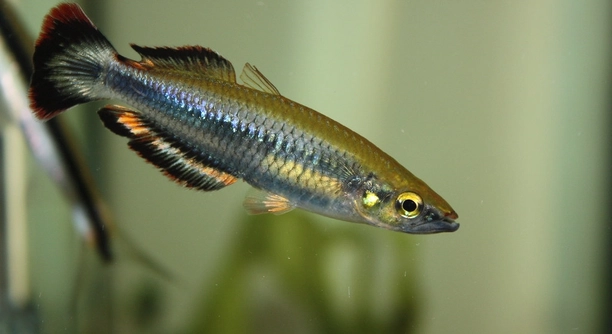
Rainbowfish are small, colorful freshwater fish often seen gliding gracefully in aquariums. Observing them, you may notice they sometimes swim upright or at an angle, which can seem unusual for such lively swimmers in a home tank.
Rainbowfish swim upright or tilted mainly due to buoyancy control, body shape, and swim bladder adjustments. Environmental factors, diet, and stress can also influence their posture, causing slight tilts or vertical positioning during normal movement or feeding.
Recognizing these swimming behaviors helps ensure the fish remain healthy and comfortable in their tank environment. Observing subtle differences can reveal important details about their well-being.
How Swim Bladders Affect Rainbowfish Posture
The swim bladder is a small internal organ that helps rainbowfish control buoyancy. When it functions properly, the fish can maintain a steady position in the water. If the swim bladder is slightly overinflated or underinflated, the fish may tilt or swim upright. Even small changes in water temperature or quality can affect how the swim bladder operates. Feeding habits also play a role. Overfeeding or giving foods that expand in water may cause temporary bloating, altering the fish’s posture. Illnesses affecting internal organs can influence buoyancy, making the fish lean forward or backward. Observing swimming patterns daily helps detect early signs of stress or health issues. Adjusting feeding routines and monitoring water parameters often improves stability. Tank setup matters too; decorations, current, and tank size can either support natural movement or make balancing harder. Proper care ensures rainbowfish swim smoothly, whether upright or slightly tilted.
A healthy swim bladder allows rainbowfish to maintain consistent posture and maneuver efficiently without unnecessary tilting or struggling.
Watching the fish interact with their environment can be revealing. Slight tilts are often harmless, but consistent unusual posture may indicate issues that require attention. Monitoring their swim patterns is an easy way to ensure long-term health.
Environmental Factors That Influence Swimming
Water quality, temperature, and tank layout all play roles in rainbowfish posture. Even minor changes can lead to noticeable swimming adjustments.
Tank conditions like pH, hardness, and cleanliness directly affect fish balance. Strong currents or uneven lighting can influence how they orient themselves. Dense plants or decorations may cause tilting when navigating obstacles. Changes in water temperature can make the fish more lethargic or active, shifting how they hold their body. Overcrowding also contributes to unstable swimming, as rainbowfish adjust to avoid other fish. Light intensity and feeding schedules can subtly affect vertical positioning, especially during activity peaks. Maintaining consistent water parameters and providing a spacious, well-organized tank helps rainbowfish move naturally. Observing daily behavior makes it easier to spot early signs of stress. Adjustments like reorganizing decorations, moderating flow, or checking temperature fluctuations often restore normal swimming posture. Simple interventions in the environment can greatly improve comfort and overall health, allowing rainbowfish to display their vibrant colors and lively movements without strain or imbalance.
Diet and Its Impact on Swimming
A rainbowfish’s diet directly affects its buoyancy and posture. Foods that expand in water or are difficult to digest can make them float or tilt. Balanced feeding routines prevent these issues and support steady swimming habits.
Overfeeding or feeding improper food may lead to bloating, which changes how the fish positions itself in the water. Dry flakes that swell quickly or frozen foods that are dense can temporarily disrupt balance. Providing a variety of small, easily digestible portions helps maintain proper posture. Feeding at regular intervals and removing uneaten food also reduces water contamination, keeping the tank environment stable. Vitamins and nutrients in the diet support muscle strength and internal organ function, indirectly improving swimming control. By observing how rainbowfish respond to different foods, adjustments can be made to reduce tilting or upright swimming caused by dietary factors.
Sometimes even minor changes in the feeding schedule can alter swimming behavior. Fish may tilt slightly when adjusting to a new diet or portion size. Paying attention to these small shifts ensures their health and comfort over time.
Stress and Its Effect on Rainbowfish Posture
Stressful conditions in the tank can make rainbowfish swim awkwardly. Sudden changes in light, temperature, or tank companions often trigger tilting or upright swimming.
Stress affects the nervous system and muscle coordination, causing unsteady swimming. Frequent handling, loud vibrations, or aggressive tank mates can increase tension, leading to unusual posture. Fish may hover near the surface or cling to decorations when stressed. Even subtle environmental shifts, such as moving plants or adding new fish, can trigger short-term tilting. Chronic stress weakens immunity, making rainbowfish more vulnerable to swim bladder issues and other health problems. Ensuring a calm, stable environment with gentle water flow and consistent lighting helps minimize stress. Observing how rainbowfish behave after environmental changes provides insight into their comfort level.
Maintaining a predictable and peaceful environment allows rainbowfish to swim naturally. Gradual adjustments in tank layout, careful introduction of new fish, and consistent feeding routines reduce stress-related posture issues. Supporting both physical and mental well-being keeps the fish active, colorful, and balanced in their aquatic habitat.
Tank Size and Swimming Behavior
A small or overcrowded tank can make rainbowfish tilt or swim upright as they navigate limited space. Providing enough room allows them to move freely and maintain natural posture without stress.
Fish in larger tanks often display smoother, more stable swimming. Crowding forces them to adjust constantly, affecting balance. Adequate swimming space supports proper exercise, reduces collisions, and encourages natural movement patterns. Observing how rainbowfish explore their environment can indicate if tank size is sufficient or adjustments are needed to promote comfort.
Interaction with Other Fish
Rainbowfish adjust their posture when interacting with other species. Territorial or aggressive tank mates can cause them to swim defensively, often upright or at an angle to respond quickly. Social dynamics influence their movement patterns.
Lighting and Its Role
Bright or uneven lighting can make rainbowfish tilt as they try to avoid glare or shadows. Proper, consistent lighting promotes normal swimming and reduces stress.
FAQ
Why is my rainbowfish swimming tilted most of the time?
Tilting often happens due to swim bladder issues, diet, or stress. Overfeeding, foods that expand in water, or sudden environmental changes can make them float or lean. Observing their tank and adjusting feeding routines or water conditions usually helps restore normal posture.
Can water temperature affect how rainbowfish swim?
Yes, temperature impacts buoyancy and muscle function. Colder water can slow movement, causing fish to tilt slightly, while warmer water increases activity. Maintaining a stable temperature appropriate for rainbowfish helps them swim steadily without unnecessary tilting.
Do certain foods make them float upright?
Dry flakes that expand quickly or dense frozen foods may cause temporary bloating, leading to upright swimming. Small, easily digestible portions and a varied diet prevent these issues and support consistent posture. Feeding regularly and removing uneaten food reduces water contamination, improving overall stability.
Is tilt a sign of illness?
Consistent or extreme tilting can indicate swim bladder problems or internal issues. It may also result from bacterial infections or parasites. Monitoring swimming behavior and water quality, along with consulting a veterinarian if needed, helps identify the problem early.
Does tank size influence their posture?
Overcrowded or small tanks restrict movement, forcing rainbowfish to adjust constantly. This can result in upright or tilted swimming. Providing sufficient swimming space allows them to move naturally and exercise muscles, promoting steady posture and overall health.
How does stress impact swimming behavior?
Stress from aggressive tank mates, sudden environmental changes, or frequent handling affects muscle control and balance. Stressed rainbowfish may cling to decorations, hover near the surface, or tilt during movement. Reducing stress with a calm, stable environment supports normal swimming.
Do decorations or plants affect posture?
Dense decorations or tall plants can cause fish to tilt while navigating around obstacles. Arranging tank elements thoughtfully allows smooth swimming paths, minimizing awkward angles and helping rainbowfish maintain upright or natural positioning.
Can lighting make them swim differently?
Bright, uneven, or flickering lights may cause tilting as fish adjust to glare or shadows. Consistent, moderate lighting creates a comfortable environment, promoting natural swimming and reducing stress-related postures.
How can I tell if tilting is temporary or serious?
Temporary tilting usually appears after feeding, minor temperature changes, or brief stress and resolves quickly. Persistent or worsening tilt, combined with lethargy, loss of appetite, or visible swelling, suggests a health issue requiring intervention.
What steps improve overall swimming posture?
Balanced diet, stable water parameters, adequate tank space, careful introduction of tank mates, and proper lighting all contribute. Observing daily behavior, adjusting environmental factors, and responding promptly to changes helps maintain rainbowfish health and smooth swimming.
Is it normal for rainbowfish to swim upright occasionally?
Occasional upright swimming is normal during feeding, exploration, or quick movement. Consistent patterns of this posture, however, may indicate buoyancy issues or stress and should be monitored to ensure well-being.
Can exercise or tank setup affect swimming?
Yes, open swimming areas encourage natural movement, strengthening muscles and supporting balance. Avoiding cluttered areas or overly strong currents ensures smooth swimming and reduces unnatural tilting.
Are some rainbowfish naturally more prone to tilting?
Body shape, size, or minor genetic differences may make certain fish slightly more inclined to tilt or swim upright. While usually harmless, monitoring their behavior ensures it doesn’t indicate an underlying problem.
How do I monitor their swimming health effectively?
Observe posture, activity level, feeding habits, and interaction with other fish. Note any changes in tilt, speed, or maneuvering. Consistent observation allows early detection of stress, illness, or environmental issues, keeping rainbowfish healthy and active.
Can changes in water pH or hardness affect posture?
Yes, sudden shifts in pH or hardness can stress fish and influence buoyancy, leading to tilting. Regular testing and maintaining stable water conditions support normal swimming and reduce posture-related issues.
Should I separate a tilted fish from others?
If tilting is due to illness or stress from aggressive tank mates, temporary separation can help recovery. Ensure the isolation tank replicates the main tank’s conditions to prevent additional stress. Monitor behavior and treat underlying issues as needed.
Do age or size influence swimming posture?
Younger or smaller rainbowfish may tilt more often while learning to navigate the tank. Older fish with health problems or weakened swim bladders may also show posture changes. Regular observation and care help maintain balance throughout life stages.
Can water flow in the tank cause upright swimming?
Strong currents may force fish to adjust constantly, sometimes swimming upright or at an angle to counteract flow. Adjusting flow to a moderate level allows comfortable swimming and reduces unnecessary tilting.
What are signs that tilt is diet-related?
Post-feeding tilting or floating, bloating, and difficulty swimming are often linked to diet. Switching to smaller, easily digestible portions and removing leftover food typically resolves these issues.
Are there long-term effects of frequent tilting?
Chronic tilting due to stress, poor diet, or swim bladder issues can weaken muscles, reduce agility, and increase susceptibility to illness. Promptly addressing environmental and dietary factors minimizes risks and supports long-term health.
How often should I check my rainbowfish for posture changes?
Daily observation during feeding and regular tank maintenance helps detect subtle posture changes early. Quick response to tilting or unusual movement ensures effective care and prevents minor issues from becoming serious problems.
Can tilting indicate problems with multiple fish?
Yes, if several rainbowfish exhibit similar tilting, it often points to environmental factors like water quality, temperature, or overcrowding. Addressing these collectively restores balance and reduces stress across the tank.
Is upright swimming always negative?
Not always. Rainbowfish may swim upright briefly during feeding, exploration, or avoiding obstacles. Persistent or extreme posture changes, however, may signal stress, illness, or dietary issues that need attention.
How can I prevent tilt before it starts?
Maintain stable water conditions, provide balanced nutrition, ensure adequate tank space, moderate lighting, and minimize stressors. Consistent care and observation reduce the likelihood of tilting and support natural, healthy swimming behavior.
Are there common mistakes that cause tilting?
Overfeeding, overcrowding, sudden temperature changes, strong currents, and inconsistent lighting are frequent causes. Correcting these issues typically resolves tilt and improves rainbowfish posture and overall health.
Rainbowfish are small, active fish that can add color and life to any tank. Their swimming patterns are often a reflection of their health, environment, and care. When a rainbowfish swims upright or at a tilt, it is usually a sign that something in its environment or routine is affecting its balance. This can be caused by several factors, including swim bladder function, diet, stress, tank size, lighting, and water conditions. Paying attention to these details helps ensure that the fish remain healthy and active. Observing your rainbowfish regularly allows you to notice subtle changes early, which can prevent minor issues from becoming serious problems. A small tilt or upright swimming for short periods is usually normal, but persistent changes should not be ignored.
Proper care and attention to the environment play a major role in how rainbowfish swim. Maintaining clean water with consistent temperature and proper pH levels creates stable conditions that reduce stress and support natural swimming behavior. Providing enough space in the tank allows them to move freely, exercise their muscles, and explore without obstruction. Tank decorations should be arranged to provide both hiding spots and open swimming areas. Balanced lighting and a stable feeding routine contribute to overall comfort, helping the fish maintain normal posture. Diet is particularly important; overfeeding or giving foods that expand in water can lead to temporary bloating and changes in buoyancy. Choosing small, easily digestible portions and removing uneaten food helps prevent these issues and keeps water quality high.
Observing and responding to the fish’s behavior is one of the most effective ways to maintain a healthy tank. Tilted or upright swimming may indicate minor adjustments in diet or environment, or more serious health concerns. Taking the time to monitor daily activity, posture, and interaction with other fish allows for early detection of potential problems. Reducing stress, keeping tank conditions consistent, and providing proper nutrition all work together to promote natural swimming patterns. Over time, attentive care ensures that rainbowfish remain vibrant, active, and balanced. By focusing on these aspects, you can enjoy a lively and healthy aquarium while supporting the well-being of every rainbowfish in your tank.

Hello,
If you enjoy the content that we create, please consider saying a "Thank You!" by leaving a tip.
Every little bit helps us continue crafting quality advice that supports the health, happiness, and well-being of pets around the world, for pets of all shapes, sizes, and species.
We really appreciate the kindness and support that you show us!