
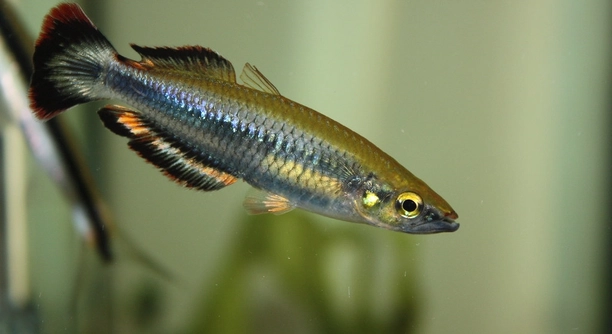
Rainbowfish are colorful and lively fish that often draw attention in home aquariums. Observing them, you might notice that they spend more time in certain corners rather than swimming freely throughout the tank.
Rainbowfish often prefer specific corners of their environment due to factors such as light levels, water flow, and perceived safety. Corners provide sheltered spaces, reduce stress, and allow for easier observation of surroundings, supporting their natural behavior and well-being.
Understanding these preferences can help improve aquarium design and fish care, creating a more comfortable and enriching environment for rainbowfish to thrive.
Factors Influencing Corner Preference
Rainbowfish are sensitive to their surroundings, and several environmental elements affect where they choose to stay. Light intensity is a major factor, as too much light can make them feel exposed. Corners often provide softer lighting, which feels safer and more comfortable. Water flow is another consideration. Rainbowfish tend to prefer areas where the current is gentler. Strong currents can be tiring and stressful, so calm corners become their refuge. The structure of the tank itself also plays a role. Plants, rocks, or decorations in corners provide visual barriers and hiding spots, helping the fish feel protected. Social dynamics influence behavior as well. Rainbowfish are schooling fish, and they often cluster in corners when trying to maintain close contact with others. These preferences are not random but are rooted in instincts that promote safety and reduce stress, ensuring the fish remain healthy and active over time.
Corners reduce exposure and provide shelter, giving rainbowfish a sense of security within the aquarium.
Tank layout can enhance or reduce stress for rainbowfish. Adding vertical plants or ornaments in corners gives them a choice of resting spots. Corners with minimal disturbance allow shy or weaker fish to feel safe while avoiding dominant individuals. Observation from these protected spots helps them monitor activity while staying hidden, balancing curiosity with caution. Adjusting lighting and current near corners can further encourage comfort, making fish feel less threatened. Even simple additions like smooth rocks or small caves create microhabitats that attract them. Understanding these preferences allows for intentional design that meets their behavioral needs. Fish that feel secure are more likely to display natural colors and activity levels. Over time, corners become preferred zones where rainbowfish feed, rest, and interact without unnecessary stress, contributing to overall health. Observing these behaviors can guide gradual improvements in tank arrangement and care practices for optimal results.
Social and Behavioral Impacts
Rainbowfish often gather in corners when interacting with others, creating a sense of safety.
Social behavior significantly affects their corner choices. In groups, rainbowfish maintain cohesion by choosing areas that allow them to stay close together. Corners provide a natural gathering point, offering shelter while allowing individuals to monitor each other. Schooling reduces stress and strengthens social bonds. Competition for space or food can also influence location. Less dominant fish often retreat to corners to avoid conflict. Dominant fish may patrol open areas but rarely occupy tight corners, leaving these spots for more cautious individuals. Corners serve as resting or feeding areas, depending on activity patterns. Over time, these behaviors establish routines that make corners predictable safe zones. Recognizing the importance of social structure can help in arranging tanks to support healthy interactions. Providing multiple corners with varied cover ensures all fish have options, preventing overcrowding and reducing stress-related behaviors while promoting a balanced, peaceful environment.
Lighting and Shelter
Corners often provide the ideal balance of light and shade for rainbowfish. These spots reduce direct exposure while still allowing enough light to maintain normal activity and display their vibrant colors effectively.
Adjusting lighting in an aquarium can influence where rainbowfish choose to stay. Bright overhead lights can be stressful, especially for shy or newly introduced fish. Corners that are partially shaded by plants or decorations create softer light and a sense of protection. These areas allow fish to rest without feeling fully exposed while still participating in feeding and social interactions. The combination of visual barriers and gentle lighting helps reduce stress, making corners preferred spaces for daily activity.
Sheltered corners also act as microhabitats where rainbowfish can control how much of their body is visible. This reduces anxiety and supports natural behavior, including schooling and feeding. The availability of hiding spaces helps maintain a calmer, more stable tank environment. Over time, fish learn which corners are safest, and they repeatedly return to these spots. By providing a mix of light and shelter, caretakers can support the fish’s comfort, health, and natural rhythms.
Water Flow and Comfort
Rainbowfish avoid strong currents, often settling in corners where water movement is gentler. These areas reduce energy expenditure and create a more comfortable environment.
Corners with slower water flow allow rainbowfish to conserve energy while maintaining position. Open areas with fast currents require constant swimming, which can stress fish and tire them quickly. By positioning decorations or plants strategically, aquarists can create calm zones that attract rainbowfish. This not only provides comfort but also supports feeding and social interactions. Fish that feel secure in calmer areas display more natural coloration and behaviors.
Gentle water movement in corners also helps maintain clean water without disturbing the fish. Subtle currents can support oxygen circulation while allowing rainbowfish to remain in a stable location. Corners act as a refuge from constant turbulence and provide predictable conditions for resting, feeding, and observing their surroundings. By understanding how water flow impacts comfort, tank arrangements can be optimized to suit rainbowfish’s natural preferences, reducing stress and encouraging healthier, more vibrant fish.
Safety and Hiding Spots
Corners give rainbowfish a sense of safety by providing shelter from open spaces. These areas reduce stress and allow them to feel secure while resting or observing their surroundings.
Hiding spots in corners also protect rainbowfish from sudden disturbances. Plants, rocks, or aquarium ornaments offer physical barriers that make fish feel less vulnerable.
Feeding and Corner Behavior
Rainbowfish sometimes feed near corners because these areas feel safer during activity. The combination of reduced exposure and nearby shelter allows them to eat with less stress, supporting healthy feeding habits and maintaining their natural behavior patterns within the aquarium.
Tank Arrangement
Arranging tanks with corners that include both shelter and open areas encourages rainbowfish to explore while having safe zones. This balance promotes natural activity, reduces aggression, and supports social dynamics, making fish more comfortable and contributing to their overall well-being.
FAQ
Why do rainbowfish prefer corners over open areas?
Rainbowfish favor corners because these spaces offer safety and reduce stress. Corners provide visual barriers, gentle lighting, and calmer water flow, all of which make fish feel secure. By staying in corners, they can rest, feed, and socialize while maintaining a sense of control over their surroundings.
Can corner preference indicate stress or fear?
Yes, if rainbowfish spend almost all their time in corners, it could indicate stress or discomfort. Factors such as strong currents, bright lighting, or aggressive tankmates may drive them to seek refuge. Monitoring their behavior and adjusting the tank environment can help alleviate stress.
Do all rainbowfish exhibit corner preference?
Not all rainbowfish behave the same way. Some are bolder and explore open areas more often, while others are naturally cautious. Preferences can vary based on species, age, and personality. Observing the fish over time helps determine individual tendencies and comfort zones.
How can I make corners more appealing for rainbowfish?
Adding plants, rocks, or decorations in corners creates shelter and visual cover. Partial shading helps control lighting, and arranging ornaments to reduce strong water flow increases comfort. Providing multiple corner options ensures all fish can access safe spaces without overcrowding.
Will corner preference affect feeding habits?
Rainbowfish may feed near corners because these areas feel secure. They are more likely to eat comfortably when they feel protected, which supports healthy nutrition. Ensuring food is distributed near both corners and open areas can encourage feeding without stress.
Is corner behavior influenced by social dynamics?
Yes, social interactions play a role. Shy or less dominant fish often retreat to corners to avoid conflict, while dominant fish patrol open areas. Corners act as safe zones for maintaining group cohesion and reducing aggressive encounters, helping the entire school maintain balance.
Can tank layout change corner preference?
Absolutely. Rearranging plants, rocks, and ornaments can shift the preferred corners or encourage exploration. Introducing gentle water currents and varying lighting also impacts behavior. Thoughtful tank design balances open swimming areas with secure corners to suit natural tendencies.
How important is lighting for corner selection?
Lighting has a significant effect. Too much light can make rainbowfish feel exposed, driving them to shaded corners. Partial shade and indirect lighting create comfortable zones where fish can rest while still engaging in normal activity, maintaining vibrant colors and natural behavior.
Do corners help with breeding behavior?
Corners can provide a sense of security during breeding. Fish may choose secluded corners to lay eggs or engage in mating displays, where they feel less threatened. Providing hiding spots in corners can support reproductive behavior and increase breeding success.
How long do rainbowfish typically stay in corners?
Time spent in corners varies. Some fish rest briefly, while others use them as primary refuge zones throughout the day. Observing patterns helps identify environmental stressors and ensures the tank provides balanced areas for both exploration and safe retreat.
Can corners prevent aggression among rainbowfish?
Yes, corners reduce conflict by offering retreat spaces for subordinate fish. Multiple shelters prevent overcrowding and allow fish to avoid dominant individuals, lowering stress levels and promoting a more peaceful, stable social environment in the aquarium.
Are there risks to overusing corners?
Excessive corner use may signal issues such as poor water quality, inadequate tank size, or environmental stress. While corners provide comfort, fish should also spend time swimming and interacting. Adjusting tank conditions ensures a healthy balance between safe zones and active areas.
How do I monitor corner use effectively?
Regular observation is key. Note how long and how often rainbowfish occupy corners. Track interactions, feeding patterns, and activity levels to determine if behavior is normal or stress-related. Adjust environmental factors if prolonged corner use seems excessive.
Can corners affect color and activity levels?
Comfortable corners encourage natural behavior and reduce stress, which can enhance coloration and activity. Fish that feel threatened or stressed may hide excessively and display duller colors. Providing suitable corners helps maintain vibrancy and supports normal swimming and social interactions.
Do other fish species show similar corner preferences?
Many fish exhibit corner or hiding preferences. Species that are naturally shy or territorial often seek sheltered areas, while more confident species explore open zones. Recognizing these tendencies helps in creating a well-structured, harmonious aquarium environment.
How do decorations influence corner selection?
Decorations create microhabitats and visual barriers. Rocks, plants, or caves make corners appealing and functional. Fish are more likely to frequent corners with a mix of cover, shade, and gentle water flow, improving comfort and reducing stress.
Is corner use seasonal or daily?
Patterns can vary throughout the day. Rainbowfish may use corners more during rest periods, feeding times, or when light levels peak. Observing daily rhythms helps tailor lighting, feeding, and tank layout to meet their natural behavior and comfort needs.
Can corner preference impact tank maintenance?
Yes, corners may accumulate debris or uneaten food if heavily used. Regular cleaning ensures water quality remains high and prevents buildup in these favored areas. Maintaining clean corners supports fish health and encourages continued comfortable use.
Do juvenile and adult rainbowfish differ in corner use?
Younger fish often rely more on corners for protection, while adults may explore open areas confidently. Juvenile preference for corners helps them avoid stress and predation, while adults balance exploration with social interactions, using corners primarily for rest or shelter.
How can I balance corner comfort and open swimming?
Provide a mix of shaded corners and open spaces. Arrange plants and rocks to create safe zones without blocking swimming paths. Encouraging both retreat and exploration ensures fish remain active, healthy, and comfortable in their environment.
What signs indicate corners are meeting rainbowfish needs?
Healthy color, regular feeding, active swimming, and calm behavior indicate corners provide comfort. Fish that use corners for rest but still explore and interact show that their environment supports both safety and natural behavior. Adjustments are needed only if stress signs appear.
Do corners impact schooling behavior?
Yes, corners can help maintain cohesion by providing gathering points. Shy individuals or smaller fish often use corners to stay close to the group. This reduces stress and supports stable social interactions within the school.
Are artificial shelters better than natural plants for corners?
Both can be effective. Plants provide natural cover and partial shade, while rocks and caves offer physical barriers. Combining natural and artificial elements often works best, creating varied options that meet behavioral and comfort needs for rainbowfish.
Can corner placement affect water circulation?
Yes, tight corners may have slower water flow. Properly arranging filters and decorations ensures gentle currents reach corners, maintaining oxygen levels without causing stress, while still keeping the corners appealing and comfortable for fish.
How often should corners be adjusted?
Adjustments should be gradual and occasional. Frequent changes can stress fish, while occasional rearrangements can encourage exploration and reduce territorial disputes. Observing behavior after changes helps gauge success and comfort levels.
Do corners influence sleeping patterns?
Corners often serve as resting zones. Rainbowfish feel secure and less exposed, which supports proper rest. Providing consistent, sheltered areas helps maintain regular sleep cycles and reduces stress-related fatigue.
Can multiple corners improve tank harmony?
Yes, multiple corners allow all fish to find refuge, preventing overcrowding and reducing aggression. A well-structured tank with several safe zones supports healthy social behavior and minimizes stress among rainbowfish.
What is the ideal number of corners in a tank?
The number depends on tank size and fish count. Larger tanks benefit from multiple corners to accommodate groups, while smaller tanks should balance open swimming space with a few key shelter points, ensuring both activity and comfort.
How do I know if corners are too exposed?
If corners lack shade, cover, or calm water, fish may avoid them despite their location. Observing whether rainbowfish retreat from corners or show stress behaviors helps determine if modifications are needed.
Can corner use change over time?
Yes, as fish grow or social dynamics shift, preferred corners may change. Monitoring behavior ensures tank adjustments match evolving needs, keeping rainbowfish comfortable throughout different life stages.
Do corners help during tank cleaning or maintenance?
Corners provide safe retreat spots during disturbance. Fish can hide while filters are cleaned or decorations are moved, reducing stress and maintaining natural behavior during maintenance activities.
Are corners more important for shy fish?
Shy or timid rainbowfish rely heavily on corners for security. Providing adequate shelter ensures they feel safe, supporting feeding, rest, and social interactions without forcing them into exposed areas.
Can corner use indicate tank health?
Excessive corner use may signal issues such as poor water quality, high aggression, or inadequate space. Monitoring fish behavior helps identify problems early and maintain a balanced, healthy aquarium environment.
Do corners impact growth or development?
Comfortable corners allow fish to rest and feed properly, supporting healthy growth. Reducing stress through safe spaces ensures energy is directed toward development rather than constant vigilance or hiding.
How do corners affect aggression in mixed-species tanks?
In mixed-species tanks, corners provide refuge for less dominant fish, reducing conflict with more aggressive species. Proper placement and shelter design can prevent bullying and promote a peaceful coexistence.
Are corners useful for temporary quarantine?
Corners can help temporarily isolate or protect fish during illness or stress. Providing a corner with cover reduces disturbance, allowing recovery while still being part of the main tank environment.
Can corner preference affect breeding success?
Secure corners support mating behavior by offering secluded areas for spawning and egg protection. Fish feel safe to engage in natural reproductive behaviors, increasing chances of successful breeding in a home aquarium.
Do rainbowfish ever leave corners voluntarily?
Yes, when they feel safe and curious, rainbowfish will leave corners to explore, feed, or interact socially. Corners provide choice, not confinement, allowing fish to balance safety with normal activity.
How important is observation for corner behavior?
Consistent observation helps identify comfort levels, stress indicators, and social interactions. Tracking corner use informs tank adjustments and ensures rainbowfish have a balanced, supportive environment that meets behavioral needs.
Can corners be too dark or cramped?
Yes, overly dark or tight corners may discourage use. Corners should provide shelter without isolation, maintaining enough space for multiple fish and light levels that support normal activity.
Do corners affect feeding hierarchy?
Shy or smaller fish often feed near corners to avoid dominant individuals. Proper corner placement helps maintain fair access to food while reducing stress during feeding times.
Are corners more used during the day or night?
Rainbowfish may use corners more during rest periods or high activity times. Observing daily patterns helps adjust lighting, feeding schedules, and tank layout to align with natural behavior.
Can corner use reduce disease risk?
Comfortable corners reduce stress, which strengthens the immune system and lowers susceptibility to illness. Stress-free environments promote overall health and reduce the likelihood of disease outbreaks.
How do I track corner preferences effectively?
Regular observation and note-taking reveal patterns of corner use. Record times, duration, and which fish use specific corners. This helps identify environmental improvements, social dynamics, and behavioral trends over time.
Do corners support mental stimulation?
Corners with varied structures and decorations encourage exploration and problem-solving. Fish navigate obstacles, interact with tank mates, and remain mentally active, which supports overall well-being.
Can corner behavior change after adding new fish?
Yes, introducing new fish may shift existing patterns. Some rainbowfish may retreat to corners more frequently while adjusting to new social dynamics, highlighting the importance of monitoring behavior during transitions.
Are corners useful during sudden environmental changes?
Corners provide safe zones during temporary stressors like lighting shifts, water changes, or noise. Fish can hide while gradually acclimating to changes, reducing shock and promoting stability.
Do rainbowfish prefer specific corners over others?
Yes, preference depends on light, flow, cover, and proximity to food or social groups. Observing which corners are most frequented helps identify optimal conditions and areas for improvement.
Can corners affect overall tank activity?
Providing appealing corners allows fish to rest without crowding open areas. This maintains balanced movement throughout the tank, reduces aggression, and encourages healthy activity and interaction.
Is corner placement more critical for small or large tanks?
Both require careful planning. Small tanks benefit from efficient corner use to prevent stress, while large tanks use multiple corners to support social structure and encourage natural movement patterns across space.
Do corners influence schooling distance?
Corners allow fish to maintain proximity without being exposed. Shy individuals use corners to stay close to the group, supporting cohesion and reducing stress during social interactions.
How can corners improve overall fish welfare?
Safe, comfortable corners reduce stress, support natural behavior, and encourage proper feeding and rest. They help maintain social balance, vibrant colors, and active movement, contributing to healthier, happier rainbowfish over time.
Can corners be combined with floating plants?
Yes, floating plants above corners add shade and visual cover. This combination creates an appealing microhabitat with partial lighting, gentle flow, and security, encouraging frequent use by rainbowfish.
Do corners affect fish personality expression?
Comfortable corners allow shy or timid fish to feel safe, revealing natural behaviors over time. Confident fish still explore open areas, creating a balance that reflects individual personality traits within the aquarium.
Are corners beneficial for long-term tank stability?
Yes, they provide predictable safe zones, reduce conflict, support natural behavior, and maintain a balanced social structure. This stability contributes to a healthier, more harmonious aquarium environment.
How often should corner shelters be cleaned?
Regular cleaning prevents debris buildup and maintains water quality. Shelters used frequently should be checked weekly to remove uneaten food or waste while preserving natural hiding spaces.
Can corner use affect fish lifespan?
Reduced stress, safe feeding, and proper rest in corners support overall health, which can contribute to longer lifespan and better quality of life for rainbowfish.
Do corners encourage territorial behavior?
Corners can become small territories for certain fish, especially in groups. Providing multiple corners reduces competition and helps maintain peaceful coexistence.
Is corner preference genetic or learned?
Both play a role. Some species naturally prefer sheltered areas, while individual fish learn which corners offer safety and comfort through experience.
Can corners reduce water temperature stress?
Corners often have slightly different flow or shading, which can moderate temperature extremes. Fish use these areas to escape warmer or cooler spots, supporting comfort and health.
Do corners influence interaction with other species?
Corners provide refuge for rainbowfish in mixed-species tanks, reducing confrontation and allowing coexistence with less aggressive or more territorial species, supporting overall tank harmony.
How do I know if corners are effective for my fish?
Observe usage, behavior, feeding, and color vibrancy. Effective corners will be frequented for rest, refuge, and social activity while allowing healthy exploration and interaction throughout the tank.
Are corners more important for indoor or outdoor tanks?
Both benefit, but indoor tanks often have consistent lighting and temperature, so corners focus on shelter and social comfort. Outdoor tanks may rely on natural shade and vegetation to create protective spaces.
Can corners influence stress during water changes?
Yes, rainbowfish retreating to corners during water changes experience reduced exposure and disturbance. Proper corner placement minimizes stress while adjustments are made.
Do corners affect fish grooming behavior?
Comfortable corners provide safe zones for cleaning and minor territorial displays. Fish use these spaces to maintain scales, fins, and personal space without interference.
Are corners important for newly introduced rainbowfish?
Yes, new fish often seek corners to acclimate. Providing immediate safe zones reduces stress, helps them adjust to water conditions, and encourages gradual exploration of the tank.
Can corners affect feeding competition?
Yes, shy or small fish can feed near corners without interference from dominant fish. This reduces stress and ensures fair access to food for all individuals in the aquarium.
Do corners influence fish curiosity?
Corners offer safe vantage points, allowing rainbowfish to observe their surroundings. Feeling secure encourages exploration without fear, balancing caution with curiosity naturally.
Can corners reduce aggression in multi-level tanks?
Yes, vertical separation combined with corners allows fish to establish microzones, minimizing encounters and maintaining peaceful interactions across different tank levels.
Do corners help fish recover from illness?
Safe, sheltered corners reduce stress and allow fish to conserve energy, supporting recovery from minor illnesses or injuries while maintaining access to food and social cues.
Are corners important during nighttime?
Yes, corners provide secure resting areas with reduced light exposure. Fish feel protected and can sleep or rest calmly without being disturbed by movement or reflections.
How do corners influence juvenile schooling behavior?
Juveniles often use corners to stay close to siblings or the group while learning to navigate their environment. Corners support safe social development and coordination within the school.
Do corners impact fish territorial boundaries?
Corners act as natural boundaries. Fish may claim specific corners as personal space, reducing disputes and maintaining peaceful coexistence. Proper spacing of shelters prevents overlap and conflict.
Can corners affect stress hormone levels?
Providing safe corners lowers stress by offering refuge and control over the environment. Reduced stress correlates with healthier hormone levels, supporting immune function and overall well-being.
Do corners affect interaction with aquarium equipment?
Corners can shield fish from filter intake, air stones, or heaters, reducing stress and accidental contact. Strategic placement ensures safety without hindering necessary tank functions.
Are corners useful for observing natural behavior?
Yes, corners allow fish to engage in normal behaviors like resting, schooling, and feeding in a secure setting. Observing from these areas provides insight into natural patterns and comfort levels.
Can corners support color display?
Comfortable corners reduce stress, encouraging natural coloration. Fish that feel safe are more likely to display vibrant colors and maintain healthy appearance, enhancing the visual appeal of the tank.
Do corners affect breeding site selection?
Rainbowfish often choose corners for egg-laying or courtship displays due to safety and reduced exposure, supporting reproductive success and natural behavior.
How do corners influence long-term fish behavior?
Safe corners promote consistent, low-stress behavior patterns. Fish develop predictable routines for feeding, resting, and social interactions, contributing to long-term stability and well-being.
Are corners more critical for high-density tanks?
Yes, multiple corners help reduce crowding, prevent aggressive encounters, and provide refuge, ensuring all fish have access to safe spaces in densely populated environments.
Can corners impact tank aesthetics?
Properly designed corners with plants or decorations enhance visual appeal while serving functional purposes, combining beauty with behavioral benefits for rainbowfish.
Do corners encourage natural exploration?
Yes, secure corners give fish confidence to leave them and explore open areas. Feeling safe promotes balanced activity without constant hiding, supporting mental stimulation and physical health.
How do corners affect energy expenditure?
Calm corners reduce the need for constant swimming against currents or avoiding threats. This conserves energy for feeding, growth, and social interaction, improving overall health.
Are corners necessary for all rainbowfish species?
Most species benefit from corners, though some are bolder and explore more. Providing options ensures all individuals, regardless of temperament, have access to
Rainbowfish are naturally drawn to certain corners of the aquarium for comfort and safety. These spaces provide shelter from bright light, strong currents, and other disturbances. By using corners, rainbowfish can rest, feed, and interact with other fish without feeling exposed or threatened. The corners often act as small safe zones, allowing fish to control their environment and reduce stress. Providing a mix of shaded and open areas ensures that rainbowfish can choose how much exposure they want, supporting both comfort and normal activity. Observing how your rainbowfish use these spaces can reveal a lot about their needs and preferences.
Corners also play an important role in social behavior. Rainbowfish are schooling fish, and they often use corners to stay close to the group or avoid dominant individuals. Shy or smaller fish find refuge in these areas, which helps prevent conflicts and maintains harmony in the tank. Dominant or bolder fish may patrol open areas, while corners give others the chance to feed, rest, or explore at their own pace. This balance supports a peaceful social structure and allows fish to express natural behaviors. Providing multiple corners ensures that all fish have access to safe spaces, reducing stress and encouraging more active participation in feeding and exploration. Over time, fish will learn which corners are safest and will return to them regularly.
Designing an aquarium with functional corners improves both fish health and overall tank stability. By combining gentle water flow, shaded lighting, and visual barriers like plants, rocks, or ornaments, caretakers can create spaces that rainbowfish will naturally prefer. These areas support healthy rest, feeding, and social interactions, contributing to vibrant coloration and balanced activity levels. Additionally, corners help reduce energy expenditure, allowing fish to conserve strength while still engaging in normal behaviors. Paying attention to corner usage can also help detect stress or environmental issues early. Ensuring corners are clean, well-structured, and accessible contributes to long-term welfare. Ultimately, understanding and accommodating corner preferences helps rainbowfish feel secure, supports their natural instincts, and makes the aquarium a more comfortable and thriving environment.

Hello,
If you enjoy the content that we create, please consider saying a "Thank You!" by leaving a tip.
Every little bit helps us continue crafting quality advice that supports the health, happiness, and well-being of pets around the world, for pets of all shapes, sizes, and species.
We really appreciate the kindness and support that you show us!