
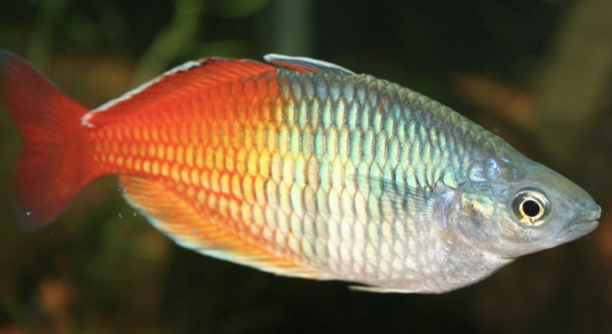
Rainbow fish are fascinating creatures with unique behaviors. One common action they perform is twitching their fins without swimming. This behavior often catches the eye of anyone observing them in their aquatic environment, sparking curiosity.
Rainbow fish twitch their fins without swimming as a form of communication or display. This fin twitching can signal territory, attract mates, or indicate stress. It is a natural behavior that helps the fish interact within their environment.
Understanding why they twitch their fins can help you better appreciate the complex social and environmental factors at play. This behavior reflects more than just physical movement and offers insights into their lives.
Why Do Rainbow Fish Twitch Their Fins?
Rainbow fish use their fins to communicate with one another. Twitching their fins is often a response to specific environmental or social stimuli. It serves multiple purposes, such as signaling to other fish in the area or showing off their physical attributes. In a fish tank, observing this behavior can reveal a lot about how they interact with other species and their surroundings. It is not always about swimming or moving in the water. Instead, it’s about sending subtle messages through body language, particularly with their fins. This kind of non-verbal communication is essential in the fish’s social structure.
The twitching behavior can vary based on the situation. It may increase during mating seasons when fish display their physical capabilities. It also becomes more pronounced when a rainbow fish feels threatened or stressed.
It is important to note that while the fin twitching might seem random, it is anything but. The behavior signifies various underlying conditions, from mating readiness to environmental changes. In nature, this action helps rainbow fish navigate their social settings and protect themselves. In a tank, this could mean the fish are adjusting to their new surroundings.
Other Possible Reasons for Fin Twitching
Fish may twitch their fins due to external factors like water temperature or lighting. These subtle adjustments are part of how they adapt to their environment.
Environmental changes, like a shift in the water’s temperature, can affect the behavior of rainbow fish. They are sensitive to these shifts and may react by twitching their fins. Fish are known to exhibit these behaviors to adjust to changing conditions in their surroundings, making them more adaptable.
Communication Through Fin Twitching
Rainbow fish often use fin twitching as a way to communicate with others in their environment. It is an instinctive behavior that helps them convey specific messages.
When rainbow fish twitch their fins, it is usually in response to something happening in their environment, such as the presence of another fish or a change in the surroundings. This form of communication is crucial for their interactions with each other, allowing them to express dominance or submission. Fish often use fin movements to determine their social standing within a group. This behavior helps maintain balance in their social hierarchy.
In addition to social interactions, rainbow fish may twitch their fins to express stress or discomfort. This could be in response to factors like overcrowding, poor water quality, or other tank disturbances. By twitching their fins, the fish are signaling a need for changes to their environment.
Possible Stress Indicators
Fin twitching is also a stress response in rainbow fish. If something is off in their environment, like improper water conditions or aggressive tankmates, they may display this behavior.
When stress levels rise, rainbow fish may not only twitch their fins but also swim erratically or hide more frequently. These actions are their way of coping with uncomfortable situations. If the stress continues without improvement, it could lead to more serious health issues, so it’s crucial to monitor their behavior closely. Adjusting water parameters, such as pH or temperature, can help reduce stress and allow them to behave more naturally.
The Role of Fin Twitching in Mating
Fin twitching is often a part of the mating ritual for rainbow fish. They use this behavior to attract potential mates.
Male rainbow fish typically twitch their fins to show off their physical traits, signaling their readiness to mate. This display is an important part of their courtship process. The male’s movement can indicate his strength and health, making him more attractive to females.
During mating season, this behavior becomes more frequent. The male will often swim in front of a female, twitching his fins in an effort to get her attention. The twitching serves as a sign of his fitness, with the hope that the female will choose him as a mate.
Tank Conditions and Fin Twitching
In a tank environment, fin twitching can also indicate the need for changes in water conditions. It’s a sign that the fish may be reacting to poor water quality or temperature fluctuations.
Rainbow fish are sensitive to their environment. If the water becomes too dirty, too hot, or too cold, they may start twitching their fins more frequently. This response serves as an alert that their living conditions are not ideal. Ensuring proper filtration, temperature control, and regular water changes can help maintain a healthy tank and reduce stress on the fish.
Social Hierarchy and Behavior
Fin twitching can be a way for rainbow fish to establish or maintain social order within their group. It may help them assert dominance or signal submission.
In a group of rainbow fish, the dominant individuals may twitch their fins to display their authority. This helps to reduce conflicts and maintain a clear social structure. The less dominant fish will often respond by retreating or adjusting their position in the tank to avoid confrontation.
FAQ
Why do rainbow fish twitch their fins?
Rainbow fish twitch their fins as a form of communication or response to environmental changes. This behavior can indicate territory marking, courtship, or stress. Male rainbow fish may use fin twitching to attract females during the mating season. It can also be a sign of discomfort or a way to adjust to their environment.
Is fin twitching a sign of illness in rainbow fish?
Not necessarily. While fin twitching can be caused by stress or illness, it is more commonly a normal behavior. However, if twitching is accompanied by other signs of illness, like lethargy or loss of appetite, it may indicate a problem. It’s essential to monitor their overall behavior and tank conditions.
How can I tell if my rainbow fish is stressed?
Stressed rainbow fish may display erratic swimming, hide frequently, or exhibit excessive fin twitching. Stress can be caused by poor water quality, overcrowding, incompatible tankmates, or sudden temperature changes. Watching their behavior carefully and ensuring proper tank maintenance can help alleviate stress.
Do rainbow fish twitch their fins when they are happy?
Yes, rainbow fish can twitch their fins when they are content or excited, especially during courtship or social interactions. However, they may also twitch when feeling threatened or agitated, so it’s important to consider the context. Positive social interactions or mating displays are often accompanied by fin twitching.
Can fin twitching be caused by water quality issues?
Yes, poor water quality is a common cause of stress for rainbow fish and can lead to fin twitching. Changes in water parameters like pH, temperature, or ammonia levels can cause discomfort. Regular water testing and maintenance, along with proper filtration, can help prevent these issues.
How do rainbow fish communicate with each other?
Rainbow fish primarily communicate through body language, including fin twitching, posture, and swimming behavior. Twitching fins, especially during courtship, can signal interest or dominance. They may also use body movements to establish social hierarchies or warn of potential threats. These subtle behaviors are essential for their social interactions.
Should I be concerned if my rainbow fish twitches its fins frequently?
Frequent fin twitching on its own is typically not a cause for concern unless accompanied by other abnormal behaviors. If the twitching is constant or worsens, it could be an indication of stress, poor water conditions, or illness. Monitor other signs like swimming patterns or appetite changes.
Can I stop fin twitching by changing tank conditions?
Yes, adjusting tank conditions can help reduce fin twitching if it’s caused by environmental stress. Ensuring the water temperature, pH, and oxygen levels are within the ideal range can help. Maintaining proper filtration and avoiding overcrowding are also crucial steps to improve the overall well-being of your rainbow fish.
How do I improve the environment for my rainbow fish?
To create a healthy environment for your rainbow fish, maintain proper water quality by performing regular water changes and monitoring parameters like pH, temperature, and hardness. Keep the tank clean, avoid overcrowding, and ensure the fish have enough space to swim. Providing appropriate hiding spots and tankmates also helps reduce stress.
Are there specific tankmates that should be avoided with rainbow fish?
Rainbow fish are peaceful and generally do well with other non-aggressive species. However, they should be kept away from overly aggressive or territorial fish that may stress them out. Avoid mixing them with fish that may bully them, as this can lead to excessive fin twitching and stress-related behavior.
Why is my rainbow fish twitching its fins after a water change?
After a water change, rainbow fish may twitch their fins as a response to the sudden change in their environment. The shift in water parameters, such as temperature or pH, can cause temporary discomfort. It’s important to make water changes gradually and ensure that the new water matches the old water’s parameters as closely as possible.
How can I tell if the fin twitching is a courtship behavior?
During courtship, male rainbow fish may swim around a female, twitching their fins to attract her attention. This behavior is often accompanied by bright colors and energetic movements. The male will usually make his presence known and attempt to impress the female with his fin displays. If you see this behavior alongside other mating cues, it’s likely a courtship display.
Can fin twitching cause injury to the fish?
Generally, fin twitching does not cause injury to the fish. It’s a natural and harmless behavior. However, if a fish is twitching excessively due to stress or illness, it could result in physical harm. Prolonged stress can lead to weakened immune systems and make the fish more susceptible to injury or disease.
Should I separate my rainbow fish if they twitch their fins a lot?
If the twitching is due to stress, aggression, or dominance issues, separating the fish may help reduce conflict. However, if the twitching is a normal behavior, there’s no need to separate them. It’s important to observe the behavior in context and assess whether other factors like tank conditions or social dynamics are contributing to the issue.
How long does fin twitching last in rainbow fish?
The duration of fin twitching can vary depending on the cause. If the twitching is due to mating behavior, it may last for a few days or weeks. If it’s a stress response, the twitching may stop once the underlying issue is resolved. If twitching persists, it’s a good idea to check the water quality and tank conditions.
Final Thoughts
Rainbow fish twitching their fins is a behavior that can be caused by several factors, from mating displays to stress responses. It is important to understand the context in which this behavior occurs to ensure that your fish are healthy and comfortable. Fin twitching is often a sign of social interaction, and it can also indicate that the fish are adjusting to changes in their environment. In most cases, fin twitching is a normal part of rainbow fish behavior, but it is crucial to keep an eye on any other signs of distress or illness.
The health and well-being of rainbow fish are highly dependent on their environment. Regular tank maintenance, including water quality checks and proper filtration, is key to keeping them stress-free. Changes in water temperature, pH, or oxygen levels can lead to twitching or other abnormal behaviors. Ensuring that your rainbow fish have enough space to swim, along with compatible tankmates, can also help reduce any stress that might trigger this behavior. By observing your fish closely and adjusting the tank conditions as needed, you can minimize the chances of fin twitching becoming a sign of a more serious issue.
In conclusion, while fin twitching in rainbow fish is typically a harmless behavior, it can sometimes point to underlying stress or environmental issues. By understanding the causes behind this behavior and maintaining a stable, healthy tank, you can support the long-term health of your rainbow fish. Regular water testing, proper tank setup, and paying attention to your fish’s needs are the best ways to ensure that they thrive in their habitat.

Hello,
If you enjoy the content that we create, please consider saying a "Thank You!" by leaving a tip.
Every little bit helps us continue crafting quality advice that supports the health, happiness, and well-being of pets around the world, for pets of all shapes, sizes, and species.
We really appreciate the kindness and support that you show us!