
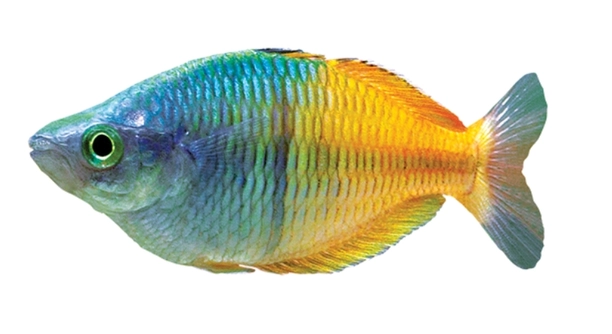
Rainbow fish are known for their fast and lively swimming. You may have noticed how they quickly move up and down in the water. But why do they swim this way? There is a reason behind their energetic movement.
Rainbow fish swim up and down quickly for various reasons, including searching for food, avoiding predators, and navigating their environment. This movement helps them maintain safety and balance in their aquatic habitats, ensuring they can thrive.
Their swift swimming behavior has more to it than meets the eye. Understanding the reasons behind it can provide insight into their natural instincts and needs in the wild.
Why Rainbow Fish Swim Up and Down
Rainbow fish are known for their quick, darting movements up and down in the water. This behavior is not just for fun, though it may seem like they’re playing. The fish use this rapid movement to fulfill important survival needs. In the wild, they need to stay alert and adaptable to their surroundings. Swimming up and down helps them find food and stay away from predators. In tanks, they may also display this behavior when they are not getting enough space or environmental enrichment.
This swimming pattern is deeply tied to their instincts and their environment. They may move quickly to stay in areas with plenty of oxygen or to escape potential threats. In nature, it’s a smart way to stay safe while looking for food.
In some cases, rainbow fish may even swim up and down in a pattern to establish territory or communicate with others. The behavior is a sign of a fish that’s actively navigating its habitat. When rainbow fish don’t have enough space or resources, they can become stressed, leading to more erratic movements. The fast swimming up and down is one of the ways they cope with their environment. Providing ample room and a well-maintained tank will help reduce unnecessary stress and support their health.
What Makes Rainbow Fish So Active
Rainbow fish are highly active swimmers. Their quick, up-and-down movement is an expression of their natural behavior. They prefer to swim freely through various depths of water.
In the wild, rainbow fish move quickly between different water layers. They may swim up to the surface for food, then dart back down to the bottom to explore. This helps them adapt to different types of water conditions. Rainbow fish are used to living in rivers and streams, where they constantly adjust to changes in water depth and flow. Their swimming pattern allows them to move swiftly in these unpredictable environments.
In aquariums, these behaviors can often be observed when fish are either hungry or need more stimulation. If their environment lacks hiding spots or objects to explore, they might become more restless and swim rapidly in up-and-down motions. Providing a larger tank and objects like plants or rocks can help make them feel more secure, which can calm their rapid swimming patterns.
Rainbow Fish and Their Need for Space
Rainbow fish are known to thrive in large spaces. In smaller tanks, they often feel cramped, which leads to their erratic up-and-down swimming behavior. Providing enough space helps reduce stress and encourages more natural movement.
When rainbow fish are confined to smaller spaces, they may feel threatened or trapped. This stress often causes them to swim quickly in an attempt to find a better spot in their environment. Offering a larger tank will give them the freedom they need to explore and maintain healthier swimming patterns. The fish will likely feel more comfortable and less anxious when they can move freely.
A larger tank also supports the natural behavior of rainbow fish. In the wild, these fish are accustomed to swimming in open waters with various layers and currents. A cramped tank mimics an unnatural environment that can cause them to act out of character. With enough space, they can display their natural swimming behavior and feel more secure in their surroundings.
Environmental Factors That Affect Movement
Water quality plays a major role in the swimming habits of rainbow fish. If the water in their tank isn’t clean or the conditions are not ideal, they may swim quickly as a sign of distress.
Rainbow fish need clean, well-oxygenated water to stay healthy. Poor water quality can cause them to become more anxious and swim rapidly in search of a better environment. Changes in water temperature or pH levels can also lead to quicker movements as they attempt to adapt. Monitoring these factors closely ensures that the fish feel comfortable in their tank. Consistently good water quality provides a calm environment that encourages more natural swimming behavior.
If the water conditions are unstable, rainbow fish will likely show signs of discomfort. Their fast, erratic swimming could be a way of signaling that something is wrong. Regular water changes, a good filtration system, and proper water testing will help maintain an environment where the fish can thrive without unnecessary stress.
The Role of Feeding in Swimming Behavior
Feeding plays an important role in the behavior of rainbow fish. If they are hungry, they may swim more rapidly, searching for food. This behavior is common in many fish species and is often seen when they are fed less frequently.
When rainbow fish are actively hunting for food, they often swim quickly up and down, as they move between different water layers. They may dart to the surface in hopes of catching food, then quickly dive back down to continue searching. This fast movement can also be a sign that they are not getting enough food, which leads to restlessness. Consistent feeding will help keep their behavior calm and ensure they stay healthy.
Providing rainbow fish with a proper feeding schedule will reduce their anxious movements and keep them satisfied. Too little food can cause them to become stressed and overactive. It’s best to feed them regularly, ensuring they get the proper nutrients without overfeeding.
Stress and Anxiety in Rainbow Fish
Stress is a common cause of rapid swimming in rainbow fish. When they feel threatened or uncomfortable, they may exhibit quick, erratic movements. Understanding what causes stress can help improve their well-being.
Rainbow fish can feel stressed for various reasons, such as overcrowded tanks, poor water conditions, or a lack of hiding spots. These stressors lead to frantic swimming and other signs of discomfort. They need an environment where they feel safe and secure. By addressing these stressors, rainbow fish will be able to swim in a more relaxed manner.
Social Interactions and Swimming Patterns
Rainbow fish are social creatures, and their swimming behavior can be influenced by the presence of others. They may swim more rapidly when interacting with other fish, especially if there is competition for food or territory.
Social interactions play a major role in the swimming patterns of rainbow fish. In a group, they may swim up and down quickly as part of their natural behavior or during social displays. They may use fast movements to assert dominance or to communicate with others. It’s important to maintain a healthy balance in the tank to avoid excessive competition or aggression among fish, which can lead to stress. Ensuring that there is enough space and resources for all fish will promote more peaceful interactions and help minimize erratic swimming behavior.
FAQ
Why do rainbow fish swim so quickly up and down?
Rainbow fish swim quickly up and down to explore different areas of their environment, search for food, or avoid danger. This rapid movement is part of their natural behavior, helping them stay safe while also locating food sources. In tanks, they may swim this way if they are stressed or lack space.
Is it normal for rainbow fish to swim rapidly in one spot?
Yes, it is normal for rainbow fish to swim rapidly in one spot when they are feeling excited, stressed, or are searching for food. They may swim in circles or dart up and down in one area, especially if they see food or feel the need to escape perceived threats. While it’s natural, consistent rapid movement in one spot may indicate stress or a lack of stimulation.
Can poor water quality cause rainbow fish to swim erratically?
Yes, poor water quality can cause rainbow fish to swim erratically. When the water in their tank isn’t clean or the temperature fluctuates, they can become stressed and exhibit quick, erratic movements. Maintaining good water quality, proper filtration, and regular water changes can help reduce this behavior.
How much space do rainbow fish need to swim comfortably?
Rainbow fish require a tank with plenty of space to swim comfortably. A minimum of 30 gallons is recommended for a small group of rainbow fish. A larger tank gives them room to move naturally and reduces stress. Overcrowded tanks can cause them to swim in erratic patterns due to limited space and competition for resources.
Do rainbow fish swim faster when they are excited?
Yes, rainbow fish can swim faster when they are excited. This could happen when they see food, are interacting with other fish, or are exploring a new environment. Fast swimming is also a sign of heightened activity, often tied to the natural instincts of the fish.
Can rainbow fish swim fast if they are trying to escape a predator?
Yes, rainbow fish swim quickly to escape predators. Their rapid up-and-down swimming allows them to evade threats by darting into different layers of the water or finding hiding spots. In the wild, this behavior is crucial for survival, helping them stay safe from larger predators.
Why do rainbow fish swim in circles?
Rainbow fish may swim in circles when they are feeling stressed, excited, or are trying to explore their surroundings. This circular swimming pattern is often seen when they are looking for food, trying to assert dominance, or interacting with other fish. It can also happen if the fish is confined to a smaller space in the tank.
How often should I feed rainbow fish to reduce erratic swimming?
Feeding rainbow fish once or twice a day is typically enough to reduce erratic swimming caused by hunger. Overfeeding can lead to water quality issues, so it’s best to provide a balanced amount of food they can consume in a few minutes. Consistent feeding will help keep them calm and avoid excessive movement.
Do rainbow fish swim faster when they are territorial?
Yes, rainbow fish may swim faster when they are defending their territory. They can display more rapid swimming or chase other fish away if they feel their space is being threatened. This territorial behavior is common in many species of fish and is a way for them to establish dominance in their environment.
Can rainbow fish be trained to swim less aggressively?
It is possible to reduce aggressive swimming by improving the tank environment. Providing plenty of space, hiding spots, and adding more plants or decorations can make rainbow fish feel more secure, reducing the need for aggressive movements. Ensuring they are not overcrowded and are properly fed will also help keep their swimming patterns calm.
Are rainbow fish more active during certain times of the day?
Yes, rainbow fish tend to be more active during dawn and dusk. These are the times they would naturally be hunting for food in the wild, as many fish are more active during these hours. However, they can swim at any time, particularly if they are hungry or stimulated by changes in their environment.
What causes rainbow fish to stop swimming up and down?
Rainbow fish may stop swimming up and down if they feel secure in their environment or if there are no stressors present. They may also swim in a more controlled manner if the water quality is ideal, there’s enough space, and they have adequate food. A lack of stimulation can sometimes cause them to swim more slowly.
How can I make my rainbow fish feel more comfortable?
To make your rainbow fish feel more comfortable, ensure their tank is the proper size, with good water quality, and proper temperature. Provide plants, rocks, and other hiding spots for them to explore. Avoid overcrowding the tank, and maintain a regular feeding schedule to reduce stress. Creating a peaceful environment will help reduce rapid swimming and promote their health.
Is it normal for rainbow fish to swim up and down with other species?
Yes, it is normal for rainbow fish to swim up and down with other species, especially if they are in a community tank. They may interact with other fish and swim together in a similar pattern. However, if the other species are aggressive, it could cause stress and lead to erratic swimming.
What temperature is best for rainbow fish to reduce rapid swimming?
Rainbow fish thrive in temperatures between 72°F and 78°F (22°C – 26°C). If the water is too warm or too cold, they may swim more quickly due to stress. Maintaining a stable, appropriate water temperature is essential for keeping their swimming behavior calm and their health in check.
How long can rainbow fish swim rapidly without tiring?
Rainbow fish can swim rapidly for short bursts, especially when excited or stressed. However, they are not built for continuous high-speed swimming. If they swim rapidly for extended periods, it may indicate stress or poor water conditions. Regular monitoring of their environment can prevent this from becoming a problem.
Final Thoughts
Rainbow fish are active swimmers, and their quick movements up and down are part of their natural behavior. This swimming pattern can serve many purposes, such as searching for food, avoiding predators, or simply navigating their environment. While these fast movements are common in the wild, they can also occur in aquarium settings if certain factors are not ideal. It’s important to understand what causes this behavior, as it can help improve the fish’s well-being and create a better environment for them.
Providing a comfortable space for rainbow fish is essential. They need a tank large enough for them to swim freely without feeling cramped or stressed. A larger tank not only allows for more movement but also reduces territorial disputes among fish. Ensuring good water quality and temperature is also key to keeping the fish calm and healthy. Poor water conditions often lead to erratic swimming, as fish may try to escape from unfavorable environments. Regular water changes, proper filtration, and consistent maintenance are simple steps to ensure their comfort.
Feeding rainbow fish on a regular schedule and offering them a balanced diet will also help maintain their calm swimming patterns. Avoiding overfeeding is crucial, as it can lead to water quality issues. By paying attention to their space, water conditions, and diet, you can ensure your rainbow fish stay healthy and active without the need for constant rapid movement. Keeping these factors in mind will not only help reduce their erratic swimming but also promote a thriving aquarium where all the fish feel secure and comfortable.

Hello,
If you enjoy the content that we create, please consider saying a "Thank You!" by leaving a tip.
Every little bit helps us continue crafting quality advice that supports the health, happiness, and well-being of pets around the world, for pets of all shapes, sizes, and species.
We really appreciate the kindness and support that you show us!