
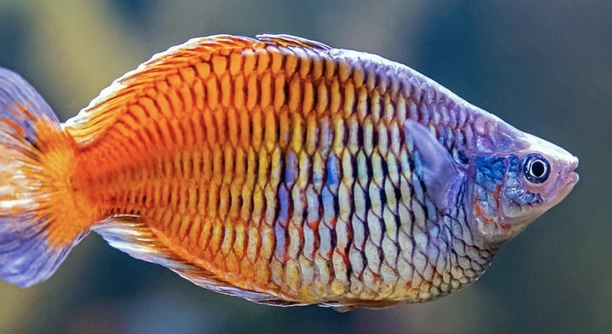
Rainbow fish are fascinating creatures known for their bright colors and active swimming patterns. One common behavior among them is swimming through the same route repeatedly, which raises curiosity about the reasons behind this repetitive behavior.
The primary reason rainbow fish swim through the same route is due to their strong territorial instincts. They prefer familiar paths as a way to navigate their environment efficiently, relying on memory and established routes to reduce energy expenditure and ensure safety.
Understanding why rainbow fish prefer certain routes helps reveal their instincts and the way they interact with their surroundings. This knowledge can deepen our understanding of fish behavior.
Why Rainbow Fish Stick to Familiar Routes
Rainbow fish, like many other species, follow specific patterns when swimming. This behavior is a result of both instinct and learned experience. They form mental maps of their environment, using these maps to navigate their habitat with precision. The routes they repeatedly take are likely to be paths that offer safety and resource availability, such as food or shelter. By following these routes, they minimize exposure to predators and reduce unnecessary energy use.
This behavior is often linked to their territorial nature. Once a rainbow fish discovers a path that works for them, they tend to stick with it, relying on memory to guide them. It helps them feel more secure in their surroundings.
Over time, rainbow fish may adapt their paths based on changes in their environment. If the route becomes obstructed or unsafe, they may adjust their behavior to find new, safer ways. These patterns are flexible, yet the fish will always prefer familiar routes when possible.
Factors That Influence Path Selection
The selection of swimming paths in rainbow fish is influenced by both environmental and social factors. When in groups, fish may follow one another’s lead, reinforcing the use of established routes. They are also sensitive to changes in their environment, like food sources or temperature, which can lead them to alter their paths. These changes help ensure their survival.
In crowded environments, the need for space may also dictate swimming patterns. Rainbow fish tend to follow routes that avoid competition or overcrowding, making the need for territorial movement even more evident. By sticking to familiar paths, they avoid unnecessary conflict and ensure access to important resources.
This constant pattern of behavior illustrates the importance of familiarity and safety in the daily lives of rainbow fish. Their reliance on memory and instinct allows them to thrive in their environments while minimizing risks.
Benefits of Repeating Routes
By swimming through familiar routes, rainbow fish reduce stress and conserve energy. These paths offer a sense of security, which is crucial for their well-being. They can focus more on feeding and interacting with their environment, rather than constantly navigating unfamiliar spaces.
Repetition of routes also helps them avoid predators. The more they travel through these routes, the better they become at detecting and reacting to potential threats. This consistency in movement allows rainbow fish to efficiently adapt to environmental changes without losing their sense of safety. It’s a simple but effective survival tactic.
In addition, the use of these familiar paths helps rainbow fish develop social connections. When swimming in groups, they often follow each other’s movements, reinforcing their bond. This behavior enhances their ability to stay together as a group, which is crucial for protection and food sharing.
How Their Environment Shapes Movement
The environment plays a significant role in shaping the swimming patterns of rainbow fish. Factors like water flow, obstacles, and food availability influence their decision to use certain routes. In areas with strong currents, rainbow fish are more likely to seek sheltered paths where the flow is gentler, avoiding energy depletion.
Changes in the environment also trigger adjustments in their routes. For instance, if a food source is found in a particular area, the fish may alter their path to pass by that location more frequently. Similarly, the presence of other species can cause fish to change their paths in order to avoid competition. These environmental shifts ensure that rainbow fish remain adaptable and efficient in their movements.
Their reliance on these environmental cues highlights how deeply their behavior is linked to their surroundings. Every change in the environment prompts a response, ensuring their paths align with the most beneficial conditions available.
Social Interactions and Route Sharing
Rainbow fish also follow set paths due to social behavior. When in groups, they mimic each other’s movements, reinforcing the use of the same routes. This behavior helps them stay together, ensuring the group’s safety and efficiency when navigating their environment.
The tendency to swim in groups strengthens the bonds within the school. As they follow one another’s paths, they become more synchronized, which reduces the chances of becoming separated. This helps rainbow fish maintain a sense of unity, which is essential for protecting each other from predators and finding food sources together.
Impact of Temperature on Path Choice
Water temperature significantly impacts the swimming patterns of rainbow fish. When the water is cooler, they may swim more slowly, taking longer routes. On the other hand, in warmer conditions, they may move faster and take shorter paths to conserve energy. These temperature-driven adjustments are crucial for maintaining their health.
Temperature changes also affect their metabolism. In warmer water, their bodies function more efficiently, allowing them to swim longer distances. In contrast, colder water may slow down their metabolism, prompting them to choose more direct, familiar paths to conserve energy.
FAQ
Why do rainbow fish swim through the same route?
Rainbow fish prefer swimming through the same route due to their strong territorial instincts and reliance on memory. They form mental maps of their environment, using familiar paths to navigate efficiently. This behavior reduces the risk of encountering predators and conserves energy, as they know these paths are safe and lead to necessary resources like food or shelter.
Do rainbow fish swim in groups?
Yes, rainbow fish are social creatures that often swim in groups. They follow each other’s movements, which strengthens their bond and improves their chances of finding food and avoiding predators. Swimming in a group provides safety and enhances the likelihood of successful reproduction. The coordinated movement also allows for more efficient foraging.
How does the environment affect rainbow fish movement?
The environment plays a significant role in shaping rainbow fish’s swimming patterns. Factors such as water flow, temperature, and food availability influence the routes they take. In areas with strong currents, they will seek sheltered paths to conserve energy. Changes in the environment can trigger alterations in their routes to adapt to new conditions.
Can rainbow fish change their swimming route?
Yes, rainbow fish can change their swimming routes based on their surroundings. If an obstacle appears or if a better food source becomes available, they may adjust their path to suit the new conditions. These adjustments ensure that they remain efficient and safe, which is key to their survival.
Do rainbow fish have a favorite swimming path?
Rainbow fish tend to stick to certain paths that they are familiar with. These paths are often linked to safe zones, feeding areas, or territories. They favor routes that offer security, resource availability, and minimal predator threats. Once they discover a safe and efficient route, they tend to use it repeatedly.
How do rainbow fish find food while swimming along familiar routes?
Rainbow fish find food by following established routes that lead to food sources. They use their memory to navigate these paths, which often pass by areas where food is abundant. Their repetitive swimming patterns allow them to monitor these areas regularly and efficiently, ensuring they can access food whenever needed.
What happens if a rainbow fish’s path is blocked?
If a rainbow fish’s usual path is blocked, it will likely seek a new route. Their ability to adapt to changes in their environment helps them find alternative paths. This flexibility allows them to avoid obstacles, whether from physical barriers or shifts in the ecosystem, ensuring that they continue to meet their needs.
Can rainbow fish swim in the same route for their entire life?
Rainbow fish may swim along the same route for a long time, especially if it provides access to food, shelter, and safety. However, they are adaptable creatures. If conditions change or the route becomes unsafe, they will alter their paths accordingly. Their reliance on memory and environmental cues guides their decisions.
Do rainbow fish always swim in the same direction?
Rainbow fish do not always swim in the same direction. They often change directions based on their needs or environmental factors. For example, they may alter their path to avoid a predator or move towards a food source. Their direction is not fixed but influenced by what is necessary for their survival at any given moment.
How do rainbow fish communicate with each other while swimming in a group?
Rainbow fish communicate through body movements and subtle signals, such as color changes or synchronized swimming. These behaviors help them stay together as a group, coordinate their movements, and avoid danger. Social fish like rainbow fish rely on these visual cues to maintain group cohesion and effectively navigate their environment.
Do rainbow fish prefer certain water conditions for swimming?
Rainbow fish prefer clear, stable water with consistent temperatures. They thrive in environments where the water is not too turbulent and where they can easily find food and shelter. Water temperature is also crucial; they generally prefer moderate temperatures and will adjust their swimming patterns to conserve energy based on the water’s warmth or coolness.
Final Thoughts
Rainbow fish are fascinating creatures with a clear pattern of behavior when it comes to swimming through the same routes. Their preference for familiar paths is tied to their instinct for safety and efficiency. By sticking to known routes, they reduce their exposure to predators and conserve energy, ensuring they have enough resources to thrive. These routes, shaped by both memory and environmental factors, allow them to move through their habitats with confidence, minimizing risk while maximizing their chances of finding food and shelter.
The ability of rainbow fish to adapt their routes based on changes in the environment shows how flexible they are. While they may initially stick to familiar paths, they are not rigid in their behavior. They can alter their routes when necessary, especially when conditions change, such as the availability of food or when obstacles block their path. This flexibility is crucial for survival, as it allows them to respond to shifting environments and avoid danger. Their capacity to change and adapt makes them resilient, and it ensures that they are always able to find the best possible route under any circumstance.
Understanding why rainbow fish swim through the same route highlights the importance of both instinct and environmental awareness in their behavior. It also sheds light on how their movements are influenced by factors like safety, group dynamics, and environmental conditions. These factors not only help rainbow fish navigate efficiently but also ensure their survival in the wild. By following familiar routes, rainbow fish continue to thrive in their natural habitat, making use of everything their environment offers while adapting to its changes. This combination of instinctual behavior and environmental adaptation is key to their ability to live and flourish.

Hello,
If you enjoy the content that we create, please consider saying a "Thank You!" by leaving a tip.
Every little bit helps us continue crafting quality advice that supports the health, happiness, and well-being of pets around the world, for pets of all shapes, sizes, and species.
We really appreciate the kindness and support that you show us!