
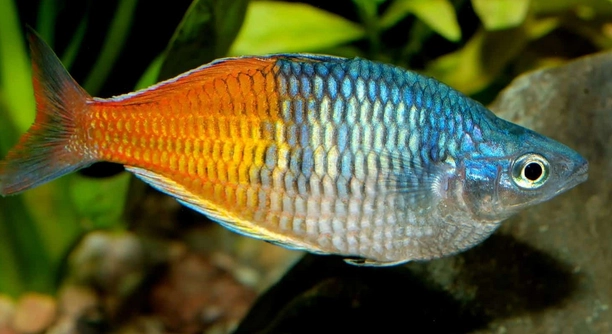
Rainbow fish are often admired for their beautiful colors and graceful movements. However, you might notice that sometimes they swim in unexpected spiral patterns. This behavior can be puzzling but is actually a common part of their natural movement.
The spiral swimming pattern in rainbow fish is often linked to their feeding behavior or mating rituals. It can also be a response to stress or environmental changes, helping them navigate their surroundings more efficiently and communicate with other fish.
This intriguing behavior has many factors influencing it. Understanding why rainbow fish swim in spirals can help improve their care and environment, leading to a healthier, more natural life for these beautiful creatures.
Why Do Rainbow Fish Swim in Spirals?
Rainbow fish, known for their colorful scales, often display a spiraling swimming pattern. This behavior can sometimes be confusing, but it’s not as random as it seems. Whether they are chasing food, avoiding predators, or interacting with other fish, the spiral movement is a functional part of their daily routine. It helps them move through their habitat more efficiently and may even signal certain behaviors, like courtship. Understanding why they swim in this way can provide insight into their natural instincts and behaviors. Keeping an eye on how your rainbow fish swim may also help you spot any potential issues, such as stress or illness.
Swimming in spirals is not just for fun; it serves practical purposes. Fish often use spiral movements to create currents that bring food towards them or to disorient predators. Additionally, the spiral pattern can be a mating display. Male rainbow fish may spiral around females to attract their attention, showing off their bright colors. If you notice a rainbow fish swimming in a spiral for extended periods, it’s worth paying closer attention to the context.
Rainbow fish may also swim in spirals as a response to environmental conditions. Changes in water temperature or the presence of new tankmates could cause them to adjust their movements. It is important to monitor water quality and tank conditions, as stress can lead to erratic swimming patterns. On the other hand, in a more stable environment, the spiral movement could simply be part of their regular routine.
What Triggers Spiral Swimming in Rainbow Fish?
Rainbow fish are highly sensitive to their surroundings, and changes in their environment can trigger a spiral swimming pattern. Sudden shifts in water temperature, light levels, or even the introduction of new fish can cause them to spiral more than usual. These changes often force the fish to adjust their swimming style, with spirals becoming a coping mechanism.
Aside from environmental changes, other factors can influence their behavior. Rainbow fish may also swim in spirals during courtship or when they feel territorial. Male fish often engage in this behavior to attract females or defend their space. When several fish swim in spirals together, it can be a sign of social interaction or even play. Understanding these triggers can help aquarium owners create a more stable and healthy environment for their rainbow fish. Monitoring their reactions to different stimuli is crucial in making sure their needs are being met.
By observing how your rainbow fish respond to specific changes in their tank, you can better predict when they might start spiraling. For example, if a new light is introduced, they may swim in circles as they explore the change. Similarly, when a new fish is added to the tank, the rainbow fish may begin their spiral movements as they establish a pecking order. These movements are also essential for their survival in the wild, where they encounter constantly changing environments. Understanding their triggers can help you maintain their health and comfort while preventing unnecessary stress.
Can Stress Cause Spiral Swimming?
Stress is one of the main reasons rainbow fish might swim in spirals. When they’re feeling threatened, either from new tankmates, poor water conditions, or loud noises, they may begin to swim in unpredictable patterns. Spiraling is often a sign of distress.
If the water quality is poor or the tank is overcrowded, rainbow fish might spiral in response to the stress. They could be trying to find a safe spot or simply reacting to the change in their environment. A sudden change in lighting or water temperature can trigger similar reactions. Keeping their environment stable and peaceful is key to reducing stress and preventing this erratic behavior.
When rainbow fish are stressed, they may also show other signs, like losing their color or staying at the bottom of the tank. This can be a warning sign that their needs aren’t being met. By regularly checking the water temperature, pH levels, and filtration, you can avoid stress-induced spiraling.
Feeding Behavior and Spiral Swimming
Rainbow fish often swim in spirals when they’re hungry or searching for food. This behavior is linked to their feeding habits, as they use spiral movements to chase after food or stir up food particles in the water.
If there’s food floating around or moving in the current, the fish may spiral to grab it. This swimming style allows them to cover more area while keeping track of the food. When they swim in spirals, it helps them move quickly through the water and locate their next meal. In nature, rainbow fish are constantly on the move, hunting for smaller creatures or plant matter.
While spiraling during feeding is common, overfeeding can cause other issues, such as an increase in waste or poor water quality. This, in turn, can lead to stress, which could cause more spiraling behavior. Keeping a balance in feeding schedules will help maintain their health and avoid unnecessary spiral swimming.
Mating Behavior and Spiral Swimming
Spiral swimming can also be a part of rainbow fish mating rituals. Male fish often spiral around females to show off their bright colors and attract attention. The movement helps signal their readiness to mate. This behavior is a form of courtship in the fish world.
The spiraling pattern can be quite mesmerizing to watch. During mating season, males will intensify their spirals, often following the female in a circular motion. This display is meant to prove their fitness and catch the female’s eye. It’s a fascinating and natural way for them to interact during reproduction.
The Role of Tank Size
Tank size plays a major role in rainbow fish behavior. A small tank can cause them to feel cramped, leading to spiraling. In larger tanks, they have more space to swim freely, which can reduce this erratic movement.
Ensuring your rainbow fish have enough space to move around comfortably is essential for their well-being. A larger tank reduces stress and gives the fish a chance to swim naturally without feeling confined. This can also help avoid spiraling that stems from limited space or overcrowding.
How Spirals Help with Navigation
Rainbow fish use spiral swimming as a way to navigate their surroundings. In the wild, they often swim in spirals to move through complex environments, like dense aquatic plants or coral. This movement helps them avoid obstacles.
In an aquarium, rainbow fish may adopt similar strategies to move through plants, decorations, or other structures. The spiral pattern allows them to adjust direction quickly and explore their space without becoming disoriented. It also helps them avoid other fish or objects in their path.
FAQ
Why do rainbow fish swim in spirals?
Rainbow fish swim in spirals for several reasons. This behavior is often related to their natural instincts and environment. They may swim in spirals while chasing food or during mating displays. Spiraling is also a way for them to communicate with other fish or navigate through their surroundings. If the fish are stressed or feel threatened, they might spiral as part of their reaction to those changes.
Can spiral swimming be a sign of illness?
While spiral swimming is usually normal, it can sometimes be a sign of illness. If rainbow fish are swimming in spirals for extended periods without any clear trigger, it could indicate an underlying health problem. It’s important to observe if they show other symptoms, like lethargy, loss of color, or unusual swimming patterns. Illnesses like parasites or neurological issues can sometimes cause erratic swimming. If the spiraling continues or worsens, it’s best to consult with a vet or aquarium expert.
How can I reduce spiraling caused by stress?
Stress is a common cause of spiraling in rainbow fish. To reduce stress, ensure their environment is stable. Check the water temperature, pH, and cleanliness regularly. Avoid overcrowding and provide hiding spots in the tank, so the fish can feel safe. Avoid sudden changes in the tank setup, such as new decorations or tankmates, as these can cause stress. Keeping the environment calm and consistent can help minimize spiraling caused by anxiety.
Can rainbow fish spiral while feeding?
Yes, rainbow fish can spiral while feeding. When they are hunting for food, they often swim in spirals to cover more ground and find food more effectively. In nature, they use this behavior to chase smaller creatures or stir up plant matter. In an aquarium setting, rainbow fish may spiral to catch floating food or to grab food particles in the water.
Is spiral swimming a sign of mating behavior?
Spiral swimming can be part of rainbow fish mating behavior. Males often swim in spirals around females to attract attention and show off their colors. This behavior is a way for males to prove their fitness and readiness to mate. The spiraling movement is a display of courtship that helps the male stand out to the female. When in a group, you might see multiple males engaging in this spiraling behavior as they compete for a female’s attention.
What should I do if my rainbow fish swims in spirals constantly?
If your rainbow fish is spiraling constantly, it’s important to check the water quality first. Poor water conditions, such as incorrect temperature or high ammonia levels, can cause stress and lead to spiraling. If the water quality is fine, observe the fish for signs of illness or injury. Sometimes, spiraling may be linked to diseases or parasites. If the behavior doesn’t improve or worsens, seeking advice from a veterinarian or a fish expert could help identify and solve the issue.
Does the size of the tank affect spiral swimming?
Yes, the size of the tank can affect spiral swimming. A small tank can cause rainbow fish to feel cramped, leading to more stress and erratic behavior, including spiraling. In a larger tank, the fish have more room to move around, which reduces the likelihood of spiraling caused by overcrowding or confinement. Ensuring your rainbow fish have plenty of space to swim freely can help them stay healthy and reduce unwanted spiraling.
Can rainbow fish spiral when they feel threatened?
Rainbow fish may spiral when they feel threatened. If there’s a predator nearby, or if there is too much competition in the tank, they may use spiraling as a way to escape or confuse potential threats. In the wild, this behavior can help them avoid predators by creating disorientation. In an aquarium, it may happen when they feel disturbed or unsafe due to the presence of aggressive tankmates or sudden changes in their environment.
Do rainbow fish spiral more during courtship?
Yes, rainbow fish can spiral more during courtship. When males are trying to attract females, they often swim in spirals as part of their mating display. This is a way for the males to demonstrate their vigor and colorful patterns. The spiraling serves as a visual signal to the females, showing that they are healthy and ready to mate. Courtship spirals are usually a temporary behavior during breeding seasons.
How can I tell if spiraling is a normal behavior or a problem?
If your rainbow fish only spiral occasionally and seem healthy otherwise, it is likely a normal behavior. They might spiral while feeding, courting, or interacting with other fish. However, if spiraling becomes excessive and the fish seem lethargic or discolored, it could signal stress or illness. Pay attention to other factors like tank conditions, tankmates, and the overall behavior of the fish. If spiraling persists without a clear cause, it may be worth consulting an expert.
How do environmental changes affect spiral swimming?
Environmental changes can cause rainbow fish to spiral as a response to stress. Changes in water temperature, pH levels, or light can all trigger spiraling behavior. For instance, if the water becomes too warm or too cold, rainbow fish may react by swimming in spirals as they try to adjust. Similarly, changes in the tank setup, such as new decorations or tankmates, can also cause fish to feel unsettled and swim in spirals. It’s important to maintain a stable and consistent environment to reduce these reactions.
Final Thoughts
Rainbow fish swimming in spirals is a natural behavior that can be observed in various situations. Whether they’re chasing food, interacting with other fish, or responding to environmental changes, spiral swimming is often just a part of their daily life. This behavior is not usually a cause for concern, but it can also be a sign of stress or discomfort if it becomes excessive or continues for long periods. Understanding the reasons behind spiraling can help aquarium owners maintain a healthy and comfortable environment for their fish.
It’s important to observe the conditions in your tank and the health of your rainbow fish. If you notice that the spiraling becomes more frequent or is accompanied by signs of illness, such as fading colors or a lack of appetite, it may be time to investigate the water quality, tank size, and overall setup. Sometimes, a small change like adjusting the water temperature or removing a stressed fish can make a big difference. Keeping your rainbow fish in a stable and peaceful environment is key to preventing unnecessary spiraling and ensuring they remain healthy and happy.
In conclusion, while rainbow fish spiraling is a fascinating and natural behavior, it’s important to pay attention to the context in which it happens. Most of the time, it’s just a normal part of their routine, whether they’re feeding or courting. However, if spiraling becomes excessive, it could indicate stress or other health concerns that need to be addressed. By monitoring their environment and taking care to maintain good water conditions, you can help your rainbow fish thrive and reduce any unwanted behaviors.

Hello,
If you enjoy the content that we create, please consider saying a "Thank You!" by leaving a tip.
Every little bit helps us continue crafting quality advice that supports the health, happiness, and well-being of pets around the world, for pets of all shapes, sizes, and species.
We really appreciate the kindness and support that you show us!