
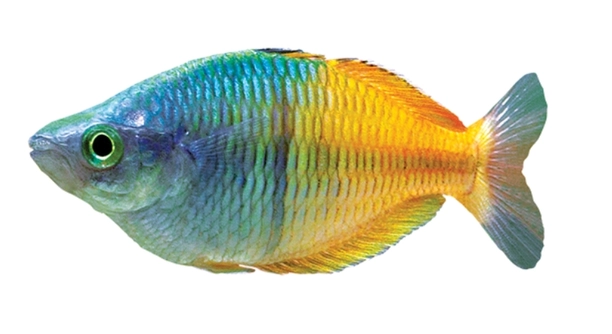
Rainbow fish are known for their beautiful colors and graceful movements. One of their most noticeable behaviors is swimming in loose circles. Understanding why they do this can reveal more about their habits and how they interact with their environment.
Rainbow fish swim in loose circles to establish territory, avoid predators, and engage with other fish. This circular motion helps them remain in groups, reduce stress, and navigate through their aquatic habitat more efficiently.
Exploring this behavior provides insights into the social and environmental factors that affect these fish. It also sheds light on their natural instincts and interactions.
Understanding the Behavior of Rainbow Fish
Rainbow fish are active swimmers, often seen moving in loose circles. This unique movement serves several purposes, including finding food and maintaining group cohesion. When swimming in these circles, they stay within close proximity of one another, which helps them avoid predators. The motion also allows the fish to interact with their surroundings and search for mates.
When in schools, rainbow fish benefit from the safety of numbers. They can communicate with each other through this synchronized swimming, creating a sense of community. It’s a natural behavior that also ensures they stay within their territory.
In addition to avoiding predators, swimming in circles helps rainbow fish adjust to the water currents. It keeps them alert to any changes in their environment, especially if the current increases or decreases. This movement pattern is not random; it is an instinctive way to maintain control over their position in the water while remaining aware of nearby threats or opportunities.
Why This Behavior Matters
The circular swimming behavior isn’t just about survival. It plays an important role in the fish’s social structure and reproduction.
Fish of the same species often swim in tight formations, which fosters a strong sense of connection. They learn to read each other’s movements, creating a smoother, more coordinated school. This behavior is essential for protecting the group and ensuring the species thrives in their natural habitat.
The Importance of Swimming in Groups
Rainbow fish swim in groups for safety and support. This behavior ensures that they stay protected from predators. When they move in loose circles, they can keep a constant lookout while still interacting with each other. The group dynamic strengthens their survival chances.
This group swimming behavior also helps rainbow fish share important resources, like food. Fish in a school can communicate, either through their movements or other subtle signals. By staying close, they can find food more easily and avoid getting lost. This sense of unity is essential for their well-being.
In addition, swimming in groups helps rainbow fish maintain their body temperature and energy levels. By staying together, they can reduce the energy spent on fighting against currents. It also makes it easier for them to navigate through their environment, whether they’re avoiding obstacles or simply searching for a mate.
How They Communicate with Each Other
Rainbow fish communicate using both visual and movement cues. While swimming in circles, they make subtle movements that signal different intentions. Their constant motion allows them to express their position in the group, or warn others of potential threats.
These visual signals are vital for their social structure. For example, fish may change their speed or direction, alerting others to move or remain still. Their ability to communicate like this ensures a smooth, coordinated group effort. This is especially important when avoiding predators or navigating unfamiliar areas. As each fish stays in sync with the group, the chances of any one fish being left behind are reduced.
By swimming in coordinated patterns, rainbow fish also indicate their mood and intentions to potential mates. This behavior is often seen during breeding seasons when the fish want to attract attention. The ability to communicate through these movements helps them form stronger bonds and increases their chances of reproduction.
How Water Currents Influence Swimming
Rainbow fish often swim in loose circles to adjust to the water current. This movement helps them stay in control and conserve energy. It allows them to glide with the flow, reducing the effort needed to maintain their position.
The circular swimming pattern also helps them adapt to any changes in current speed. When the current becomes stronger, they can adjust their position within the school to find calmer waters. This adaptation is essential for their survival, as it ensures they don’t get swept away or exhausted by strong currents.
By swimming in circles, rainbow fish can position themselves more strategically to either take advantage of the current or avoid it. This behavior allows them to maintain their preferred swimming speed and energy efficiency, which is crucial for long-term survival in the wild.
The Role of Territory in Swimming Patterns
Rainbow fish also swim in circles to defend their territory. By staying in close proximity to one another, they create a boundary around their home. This behavior prevents other fish from invading their space and competing for resources.
It’s not just about keeping others out; the circular motion also signals dominance within the school. By maintaining a group structure, the fish ensure that the territory remains safe and secure. The loose circles allow them to cover a wider area while staying connected with the group.
How the Behavior Impacts Their Health
The loose circle swimming style plays a key role in the overall health of rainbow fish. It helps reduce stress by keeping them in close-knit groups. This social structure is important for maintaining a stable environment.
FAQ
Why do rainbow fish swim in circles?
Rainbow fish swim in circles to maintain group cohesion, avoid predators, and communicate with one another. The circular motion helps them stay close to other fish for protection and to share resources. It also allows them to adjust to changes in water currents and their environment, ensuring better navigation and energy conservation.
Do rainbow fish always swim in loose circles?
While rainbow fish often swim in loose circles, their movement patterns can change based on their environment and immediate needs. They may swim more erratically if they feel threatened or excited, but generally, the loose circle helps them remain together as a school. This motion is instinctive and serves multiple purposes related to survival and social interaction.
How does swimming in circles help with predator avoidance?
When swimming in circles, rainbow fish can stay close to their group, reducing the risk of being singled out by predators. Being in a school provides safety in numbers, making it more difficult for predators to catch an individual fish. The loose circle also allows them to quickly react to any signs of danger by darting away together.
Is the circle swimming behavior only for protection?
No, the circle swimming behavior serves several purposes beyond protection. It helps rainbow fish navigate their environment, find food, and maintain social interactions. The circles can also be a way for fish to establish their territory or communicate with other members of the school, signaling where they are or whether it’s time to move.
Do rainbow fish always swim in groups?
Rainbow fish are social creatures and typically prefer to swim in groups. However, they can also swim alone if needed, though this behavior makes them more vulnerable to predators. Being in a school provides both physical and social benefits, and the group swimming behavior is generally more prevalent.
Can rainbow fish swim in circles when they are alone?
Rainbow fish may still exhibit circular swimming patterns when alone, especially if they feel safe in their environment. However, the behavior is much more noticeable and purposeful when they are with others. It is a natural instinct that allows them to maintain balance and orientation in the water, even without the protection of a group.
Does swimming in circles help with food finding?
Yes, swimming in circles can assist rainbow fish in finding food. As they swim in schools, they cover a wider area and are more likely to come across food sources. The circular movement also helps them stay alert to their surroundings, making it easier to spot food or detect any changes in the environment.
How do rainbow fish communicate with each other while swimming in circles?
Rainbow fish communicate with each other through subtle movements and changes in speed while swimming in circles. By adjusting their position or swimming faster/slower, they send signals to others in the group. This allows them to stay coordinated and respond to potential threats or changes in their surroundings. Their body language and synchronized swimming create a form of communication that strengthens the school.
Does the behavior of swimming in circles change in different water conditions?
Yes, rainbow fish may alter their swimming patterns based on water conditions. If the water is calm, they may swim in tight, loose circles. In stronger currents or turbulent water, they may spread out more or adjust their circles to avoid being swept away. The flexibility in their swimming patterns is a result of their adaptability to different environments.
Can rainbow fish get stressed by swimming in circles?
Swimming in circles does not usually cause stress to rainbow fish; in fact, it helps reduce stress by keeping them in close proximity to other fish. A stable social structure within a school allows rainbow fish to feel secure. However, if the fish are in an unfamiliar or overcrowded environment, they may experience stress, which can affect their behavior.
What happens if a rainbow fish swims alone for too long?
If a rainbow fish is alone for an extended period, it may become stressed, anxious, and vulnerable to predators. Without the safety of a school, the fish could have difficulty finding food and adjusting to changes in the environment. They might also display erratic swimming behavior due to the lack of social interaction and protection.
Can rainbow fish be kept in tanks with other fish?
Rainbow fish can be kept with other peaceful fish species in a tank, provided the tank is large enough to accommodate their schooling behavior. It is essential to choose compatible species that don’t pose a threat to the rainbow fish or disrupt their social structure. Tanks should include plenty of hiding spots and swimming space.
How do rainbow fish react to tank changes, like water temperature or quality?
Rainbow fish are sensitive to changes in water conditions, such as temperature or quality. They may adjust their swimming patterns or become less active if the water temperature is too high or too low. Poor water quality can also stress them, causing them to exhibit abnormal swimming behavior. Maintaining stable and clean water conditions is crucial for their health and natural behavior.
Final Thoughts
Rainbow fish are fascinating creatures, and their behavior, especially swimming in loose circles, offers a unique glimpse into their social structure and survival tactics. Their circular swimming is not a random act but a purposeful behavior that helps them stay together as a group, avoid predators, and communicate. This movement provides a sense of safety and unity, ensuring that they can protect one another while navigating their environment. The fact that they swim in this way, even in the wild, highlights how crucial group dynamics are for their well-being.
It’s also important to understand that this swimming behavior isn’t just about protection; it serves several practical purposes. The circles allow them to adjust to water currents, find food, and maintain their energy levels. By staying in motion and within close range of other fish, they can conserve energy while still remaining alert to their surroundings. This circular swimming also helps them position themselves within their environment more effectively, making it easier for them to react to any sudden changes, like the approach of a predator or the availability of food. It’s this combination of social behavior and environmental adaptation that makes their swimming patterns so interesting and necessary for their survival.
When it comes to caring for rainbow fish in an aquarium, understanding this behavior is key. Providing them with enough space to swim freely and interact with each other will ensure that they thrive. A well-maintained tank with proper water conditions and compatible tank mates is essential to support their natural instincts. Watching rainbow fish swim together in loose circles can be a beautiful and calming experience, as it showcases their social nature and their deep connection to their environment. By respecting their needs and observing their behaviors, you can create an environment where they can live healthily and happily.

Hello,
If you enjoy the content that we create, please consider saying a "Thank You!" by leaving a tip.
Every little bit helps us continue crafting quality advice that supports the health, happiness, and well-being of pets around the world, for pets of all shapes, sizes, and species.
We really appreciate the kindness and support that you show us!