
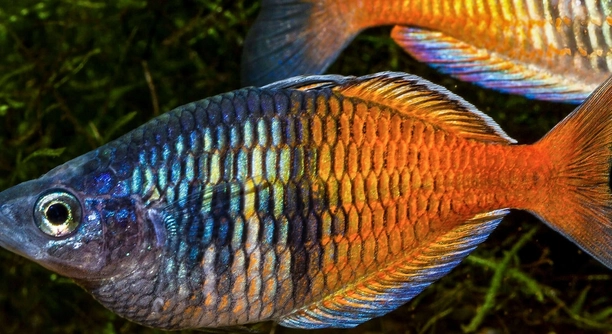
Some fish, like rainbow fish, are known for swimming in groups. You may have noticed that they move more quickly when they’re not alone. But why do they seem to swim faster with company?
Rainbow fish swim faster in groups due to the benefits of social interaction and the presence of safety in numbers. This group behavior can reduce stress and increase swimming efficiency, allowing them to move more swiftly as a collective.
This article will uncover the science behind why being in a group can make rainbow fish swim faster and how their behavior impacts their environment.
Why Rainbow Fish Need to Be in Groups
Rainbow fish are social creatures. They naturally swim in groups, or schools, and rely on their companions for various reasons. One of the key reasons is protection. When they are in a group, the chances of any one fish being caught by predators are reduced. This feeling of safety helps them swim more confidently and at faster speeds. Additionally, their constant interaction with other fish can lead to more efficient movement through the water. They are able to use the energy and the movements of their school to help guide their own swimming patterns.
In the wild, rainbow fish often swim together to avoid being preyed upon. Being part of a group creates a strong sense of security, which reduces stress levels and promotes a calm environment.
The collective movement of the group allows rainbow fish to glide effortlessly through the water. The synchronization that happens when they swim together is not only a defense mechanism but also a way to conserve energy. Instead of swimming alone and exerting extra effort, rainbow fish benefit from the shared propulsion of the group. This shared momentum allows them to cover large distances without tiring quickly, making them more agile and faster.
The Role of Safety in Group Behavior
Safety plays a huge role in the way rainbow fish move together.
When they feel secure within a group, rainbow fish are more likely to swim at faster speeds. This safety encourages them to explore their surroundings and take fewer precautions.
How Rainbow Fish Use Each Other’s Movement
Rainbow fish often rely on the movements of other fish to help guide their own. By swimming in a group, they pick up on the subtle shifts in the water caused by their companions. This shared awareness allows them to make faster and more coordinated movements.
In a group, every fish is aware of the others’ movements. If one fish speeds up, the others naturally adjust to maintain the flow of the group. This instinctual coordination saves them from using extra energy and makes the whole group move more efficiently. It’s like a silent communication between the fish, where their actions complement one another.
This behavior can be compared to how humans move in a crowd. People walking in sync often move faster and more smoothly than when walking alone. For rainbow fish, the same principle applies. Their movements are in harmony with one another, reducing effort and helping them to move through the water quickly and smoothly, improving their overall speed.
The Importance of Social Bonds for Speed
Rainbow fish are not just swimming with any group; they thrive in groups with strong social bonds.
Strong social connections within the group make them feel more comfortable and relaxed. This comfort allows them to focus on swimming and moving efficiently rather than constantly checking for threats. When fish are stressed, their movements can become erratic and slower. But in a cohesive group, they move with a sense of purpose and confidence, increasing their speed.
How Groups Reduce Stress for Rainbow Fish
Rainbow fish experience less stress when they are with others. The presence of their group creates a calming effect that helps them swim without the fear of being hunted. Without stress, they can maintain a faster pace.
Stress is a significant factor that slows fish down. When they’re alone, rainbow fish are more cautious and often slow their movements to stay alert. But in a group, this heightened sense of danger is reduced. The presence of their school boosts their confidence, making them less anxious and more capable of swimming faster.
Energy Conservation Through Group Swimming
Rainbow fish use less energy when they swim in groups. By following the lead of others and staying in sync, they don’t have to expend extra effort.
Swimming together helps them take advantage of the water currents created by other fish. This reduces drag and allows them to glide with less effort, saving energy for longer distances. This energy-efficient movement is especially useful for survival in the wild, where conserving energy is essential.
Synchronization Boosts Speed
The more synchronized the fish are, the faster they swim.
When rainbow fish move together in perfect rhythm, they reduce unnecessary resistance in the water. This creates a streamlined effect, allowing them to glide through the water at higher speeds without much strain.
FAQ
Why do rainbow fish swim faster in a group?
Rainbow fish swim faster in a group because they benefit from the collective movement and energy of their companions. The school works together, reducing drag and providing a shared momentum that helps each fish move more efficiently. This social structure creates a smoother, more coordinated swim, allowing them to conserve energy and swim faster. The group also provides safety, which lowers stress and allows the fish to move with more confidence.
Does the size of the group affect their speed?
Yes, the size of the group does affect their swimming speed. In larger schools, rainbow fish tend to swim more efficiently, as the collective movement reduces the energy each fish needs to expend. A larger group creates more powerful currents, which smaller fish can use to their advantage. However, if the group becomes too large, it can lead to overcrowding, and that could reduce the benefits of synchronized swimming.
Can rainbow fish swim fast alone?
While rainbow fish can swim fast alone, they are generally more efficient when part of a group. Without the shared momentum of others, they have to exert more energy to maintain their speed. When alone, they are also more likely to slow down due to the lack of protection and social interaction that reduces stress.
How does stress affect rainbow fish’s swimming speed?
Stress can significantly slow down rainbow fish. When they feel threatened or anxious, they tend to swim slower as they are more cautious. In a group, the presence of other fish reduces the feeling of danger, helping the fish remain calm and more confident. Less stress equals more energy for faster swimming.
Do rainbow fish communicate while swimming?
Rainbow fish do communicate while swimming, but not in the way humans do. They rely on visual cues, body movements, and the flow of water created by others in the group to stay coordinated. These subtle forms of communication allow them to maintain synchronization and move together at high speeds without direct interaction.
Why do rainbow fish school together in the wild?
Rainbow fish school together for protection, social interaction, and energy conservation. By sticking with a group, they reduce the risk of being caught by predators. The school’s collective movement makes them harder to single out. Additionally, staying together reduces individual stress, allowing them to focus on survival rather than constantly being on edge.
How do rainbow fish coordinate their movements in a school?
Rainbow fish coordinate their movements through a combination of instinct, sensory cues, and synchronization with their peers. They are highly sensitive to changes in water currents and the movements of nearby fish. This allows them to adjust their swimming patterns in real time, ensuring they stay in line with the school’s overall movement.
Can rainbow fish swim faster with other species?
Rainbow fish generally swim faster with other fish of the same species because they have evolved to move together in coordinated schools. While they can swim with different species, the benefits of speed and synchronization are most noticeable when they are surrounded by their own kind. The shared behavior and instincts help them coordinate more effectively.
Do rainbow fish get tired more easily when swimming alone?
Yes, rainbow fish tend to get tired more quickly when swimming alone. Without the assistance of a group to share the workload, they have to rely on their own energy to maintain their speed. Being alone can also increase stress levels, which can further drain their energy reserves.
How do rainbow fish react to being separated from their group?
Rainbow fish become stressed and more cautious when separated from their group. Their natural instinct is to stay with the school for protection and social bonding. If they are isolated, they may swim more slowly, looking for signs of danger and trying to find a way back to their group.
Are there any environmental factors that affect how fast rainbow fish swim in a group?
Yes, environmental factors like water temperature, current, and visibility can affect how fast rainbow fish swim in a group. Warmer water can increase their metabolism, leading to faster swimming. Strong currents may either help them move faster or make swimming more difficult, depending on how they position themselves within the school. Poor visibility can slow them down as they become more cautious and less coordinated.
Do rainbow fish swim faster in the wild or in aquariums?
Rainbow fish typically swim faster in the wild because they are in a more natural environment, where they feel safer and are more likely to be in larger schools. In aquariums, their speed may be limited by the size of the tank, and the artificial environment can increase their stress, making them swim slower.
Can rainbow fish increase their speed with training?
Rainbow fish do not “train” in the same way humans or other animals might. Their speed is primarily driven by natural instincts and environmental factors. However, if kept in larger groups and given a stimulating environment, they may become more active, which could increase their swimming speed.
Is there a difference in speed between male and female rainbow fish?
There may be slight differences in swimming speed between male and female rainbow fish, but these differences are not significant. Typically, males are more active and may display faster swimming during mating rituals, while females might swim more slowly, particularly when they are carrying eggs. However, both sexes benefit from the collective movement of the group.
Can rainbow fish change their swimming speed depending on the situation?
Yes, rainbow fish can adjust their swimming speed depending on the situation. When they are in danger, they may swim faster to escape predators. In calm environments or when they feel secure, they may swim at a more leisurely pace. Social factors, like being part of a group, also affect their speed.
How do rainbow fish avoid collisions when swimming in a group?
Rainbow fish are able to avoid collisions by maintaining a sense of awareness of their surroundings. They can detect slight changes in water flow and the positions of other fish, allowing them to adjust their swimming patterns to avoid bumping into one another. This coordination is vital for maintaining the speed and flow of the school.
Final Thoughts
Rainbow fish are fascinating creatures with unique social behaviors that affect their swimming speed. When they swim in groups, they benefit from the collective movement of their school. This shared momentum helps them glide through the water more easily, conserving energy and moving faster. Their ability to coordinate with others in the group is a result of both instinct and natural behavior, which ensures that each fish works together to stay in sync. The connection between rainbow fish and their school goes beyond just movement—it’s tied to their sense of security and well-being.
The social structure of rainbow fish is essential for their survival. When in a group, they are less stressed and can move without constantly worrying about predators. This sense of safety allows them to focus on swimming efficiently, which ultimately increases their speed. On their own, rainbow fish are more vulnerable and slower, as they must remain cautious and alert to any potential threats. By sticking together, they can swim faster and with less effort, benefiting from the protection and shared propulsion of their companions.
Understanding how rainbow fish use group behavior to enhance their speed and reduce stress gives us a greater appreciation for the complexity of their actions. It’s not just about the physical speed but also the social dynamics at play. Their instinctual need to school with others for protection and efficiency plays a major role in their ability to thrive in the wild. For anyone keeping rainbow fish in an aquarium, replicating these social behaviors through proper schooling can help keep them healthy, active, and stress-free, which in turn supports their overall well-being and speed.

Hello,
If you enjoy the content that we create, please consider saying a "Thank You!" by leaving a tip.
Every little bit helps us continue crafting quality advice that supports the health, happiness, and well-being of pets around the world, for pets of all shapes, sizes, and species.
We really appreciate the kindness and support that you show us!