
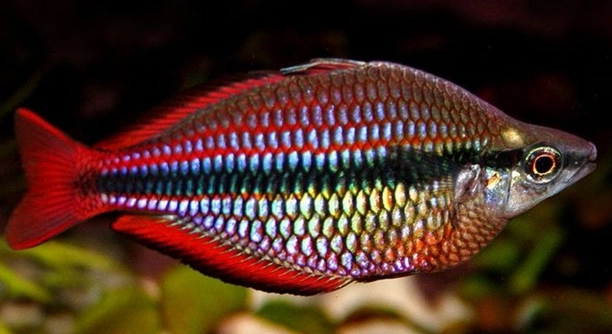
Rainbow fish are a common sight in many aquariums, but have you ever noticed how they seem to swim faster around feeding time? Their quick movements may not just be random behavior.
Rainbow fish often swim faster near feeding time due to increased excitement and anticipation of food. This behavior is tied to their instinct to compete for food resources, which triggers heightened activity and faster swimming as they approach feeding stations.
This behavior is part of their natural instincts and helps them stay active and engaged. Understanding how and why this happens can offer insights into the overall well-being of your fish and their feeding habits.
Why Do Rainbow Fish Get So Active Before Feeding?
Rainbow fish tend to swim faster just before feeding time because they’re responding to the expectation of food. In their natural habitat, food is often scarce, so they are instinctively driven to compete for it. This heightened activity can be seen in both wild and captive environments. When feeding time approaches, their excitement and energy levels spike, leading to more rapid movements in the water. It’s not just about being hungry – it’s about preparing to seize the opportunity for a meal. Their increased swimming speed is a reflection of their natural behavior when faced with a food source.
The faster movement is driven by their instincts to be the first to reach the food. They are not just moving for fun – it’s survival. By swimming quickly, they increase their chances of securing food and meeting their nutritional needs.
This behavior is essential for their health. If you notice your fish swimming faster as you approach with food, it’s a sign that they are alert and ready to feed. Maintaining a consistent feeding schedule will help them stay healthy and active.
How Feeding Schedules Affect Their Behavior
A regular feeding schedule plays a significant role in a rainbow fish’s behavior. Consistent meal times help them anticipate food and prepare by becoming more active. Fish that are fed irregularly or unpredictably may not exhibit the same level of excitement or speed. This regularity also contributes to their overall health. By knowing when to expect food, rainbow fish can manage their energy levels and avoid overeating. It’s a subtle but important way to ensure they stay balanced and active.
When you feed rainbow fish at the same time each day, their behavior becomes predictable. This routine can help reduce stress and improve their overall well-being. They will know when to expect food, which also lowers the chances of overfeeding or underfeeding.
The Role of Water Temperature in Their Activity
Water temperature can have a major impact on the swimming speed of rainbow fish. They are ectothermic, meaning their body temperature is regulated by the surrounding environment. When the water is warmer, they become more active, which can lead to faster swimming. Conversely, cooler water tends to slow them down.
Rainbow fish thrive in temperatures between 72°F and 80°F (22°C to 27°C). If the water is too cold, their metabolism slows, and they won’t have the same energy to chase after food. A stable temperature within this range encourages healthy activity levels and natural behavior, making them quicker and more eager at feeding time.
Maintaining an appropriate water temperature is crucial for their health. If you want to see your rainbow fish at their best, keep the water within the ideal range. Too high or too low of a temperature can make them sluggish and affect their ability to digest food properly. Regular monitoring of the water’s temperature is key to supporting their natural activity levels.
The Impact of Tank Size on Swimming Speed
The size of the tank plays a significant role in the swimming patterns of rainbow fish. A larger tank allows them to swim more freely, leading to higher energy levels and faster movements. In contrast, a cramped environment can restrict their ability to move, making them less active.
Rainbow fish are social and active swimmers, so having enough space in the tank is vital. In a spacious tank, they feel more comfortable and are more likely to engage in energetic swimming behavior. On the other hand, a smaller tank may lead to stress, which can reduce their overall activity levels, even around feeding time.
When setting up your tank, aim for a larger space, ideally 30 gallons or more for a small group of rainbow fish. This encourages their natural swimming behavior, keeping them both happy and healthy. A well-sized tank helps maintain their enthusiasm and energy levels, especially when feeding time approaches.
The Effect of Light on Their Behavior
Light levels in the tank can influence rainbow fish activity. These fish are diurnal, meaning they are active during the day and less so at night. Bright light during the day encourages them to swim faster, especially when feeding time is near.
A consistent light cycle that mimics natural day and night rhythms helps keep rainbow fish on a regular feeding schedule. Too much light can stress them out, while too little light might make them sluggish. Providing an appropriate light source is essential for maintaining their natural behaviors, including their excitement around feeding.
The Role of Tank Mates in Swimming Speed
Tank mates can impact the behavior of rainbow fish, especially if there are more competitive species around. If other fish are more aggressive or faster at feeding time, rainbow fish may swim faster to compete for food.
If you’re keeping rainbow fish with faster or more dominant species, they might feel the need to swim quicker to secure their share. Ensuring peaceful tank dynamics allows them to maintain healthy activity levels without the stress of competition. Avoiding overly aggressive fish can keep them engaged and less anxious around feeding times.
FAQ
Why do rainbow fish swim faster when they see food?
Rainbow fish swim faster around feeding time because of their natural instincts to compete for food. In the wild, food can be scarce, and fast swimming helps them secure the available resources. This behavior is also driven by excitement and the anticipation of food. As soon as they sense it’s feeding time, they become more active, increasing their swimming speed to be first to the food source.
Can rainbow fish swim too fast?
Rainbow fish generally know their limits and swim at speeds that are natural to their species. However, if they are in a tank that’s too small or if there is too much competition for food, they may swim faster than usual. This could lead to stress, which may cause exhaustion or even injury in extreme cases. It’s important to ensure that the tank size is appropriate and that tank mates are peaceful to prevent unnecessary stress.
How can I slow down my rainbow fish before feeding?
If you want to slow down your rainbow fish before feeding, you could reduce their feeding schedule, making them more patient for their meals. You can also try feeding them smaller portions more frequently, which helps manage their excitement levels. Another option is to dim the lights slightly, as light affects their activity levels.
Does overfeeding make rainbow fish swim slower?
Yes, overfeeding can slow down rainbow fish, as it can cause them to become sluggish. Overfed fish might experience digestive issues, leading to reduced energy and slower movements. It’s important to feed them the right amount for their size and activity level, ensuring they stay healthy and energetic.
Do rainbow fish eat more at feeding time?
Rainbow fish tend to eat more when they are excited or when food is presented at feeding time. They may also exhibit faster swimming to compete with other fish. However, it’s crucial to provide the right amount of food to prevent overfeeding, which could lead to health issues like obesity or water quality problems.
Can I feed rainbow fish once a day?
Feeding rainbow fish once a day is generally fine, but it depends on the size and activity level of the fish. Younger or more active rainbow fish may need slightly more frequent feedings. It’s important to monitor their condition and adjust feeding schedules based on their needs.
How long does it take for rainbow fish to digest food?
Rainbow fish typically digest their food within a few hours. The exact time can vary based on the type of food and the water temperature. Warmer water speeds up metabolism, allowing for faster digestion. In cooler water, digestion can take longer.
Is it okay to feed rainbow fish at night?
Feeding rainbow fish at night isn’t ideal, as they are diurnal fish and naturally feed during the day. Feeding them at night could disrupt their regular schedule and affect their overall health. It’s better to provide meals during daylight hours when they are most active.
Can I feed rainbow fish frozen food?
Yes, rainbow fish can eat frozen food like brine shrimp, daphnia, and bloodworms. These foods are a great supplement to their diet. However, be sure to thaw the food before offering it to the fish, as feeding them frozen food directly can cause digestive problems.
How do rainbow fish react to different types of food?
Rainbow fish are not particularly picky, but they do have preferences for certain foods. They enjoy a varied diet that includes high-quality flakes, pellets, frozen foods, and live food. Offering a mixture ensures they get a balanced diet that supports their overall health.
Are rainbow fish aggressive during feeding time?
Rainbow fish are generally peaceful, but they can become a bit competitive around feeding time, especially if there are other fish that compete for the same food. Their speed and eagerness to get to the food can make them appear aggressive, but it’s usually more about securing food rather than aggression.
Can I feed rainbow fish vegetable-based food?
Yes, rainbow fish can be fed vegetable-based foods. They enjoy eating plant matter like algae, spinach, and zucchini. It’s important to ensure their diet is balanced, so including some plant-based foods along with animal protein will contribute to their health.
Final Thoughts
Rainbow fish are fascinating creatures with distinct behaviors that often reflect their natural instincts. Their tendency to swim faster near feeding time is a great example of how their excitement and hunger influence their actions. This behavior is not random; it is rooted in their instinct to compete for food in their natural environment. In captivity, these fish are still driven by the same instincts, making feeding time a more energetic event. Whether in the wild or in an aquarium, the speed at which rainbow fish swim when food is present is a direct response to their need for sustenance and survival.
It’s important to remember that while this behavior is natural, factors such as tank size, water temperature, and the presence of other fish can affect how fast rainbow fish swim. A well-maintained aquarium, with the right conditions, will allow rainbow fish to exhibit their natural behaviors without stress. For instance, a larger tank gives them more room to move around, which can help them swim freely and energetically. Similarly, keeping the water temperature in the right range will support their metabolic processes, encouraging them to stay active and healthy. Without these optimal conditions, rainbow fish may become sluggish or stressed, which can impact their feeding habits and overall well-being.
Understanding the reasons behind rainbow fish’s fast swimming behavior not only helps you appreciate their unique nature but also guides you in creating a better environment for them. By considering factors such as their natural instincts, feeding habits, and aquarium conditions, you can ensure your rainbow fish thrive in their home. Providing a consistent feeding schedule, maintaining a balanced diet, and keeping an eye on the water conditions will help them stay active, healthy, and engaged. Ultimately, it’s about providing the right environment so they can express their natural behaviors and live a fulfilling life in your aquarium.

Hello,
If you enjoy the content that we create, please consider saying a "Thank You!" by leaving a tip.
Every little bit helps us continue crafting quality advice that supports the health, happiness, and well-being of pets around the world, for pets of all shapes, sizes, and species.
We really appreciate the kindness and support that you show us!