
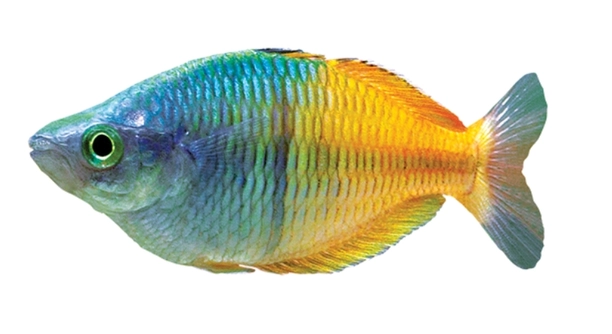
Rainbow fish are beautiful creatures often found in aquariums. Their behavior can sometimes be puzzling, especially when they swim face-down in corners. Understanding why they do this can help aquarium owners better care for their fish.
Rainbow fish swim face-down in corners primarily due to natural instinct and environmental factors. They may feel secure in corners or are responding to a lack of space, light, or territory. This behavior is not necessarily abnormal.
This behavior reveals much about their natural instincts and how they interact with their surroundings. Understanding the reasons behind this swimming pattern can improve the overall care of your fish and their environment.
Understanding Natural Behavior in Rainbow Fish
Rainbow fish are known for their vibrant colors and active nature. In the wild, they swim in schools, often staying close to the water’s surface in shallow areas. When kept in aquariums, however, they may not have the same space or social conditions they would encounter in the wild. As a result, their behavior can change. Swimming face-down in corners is not unusual, as this action helps them find comfort or safety in an environment that feels restrictive.
Their tendency to swim in corners may be a coping mechanism. Without the same environmental stimuli or school of fish to interact with, they seek areas where they feel more secure. In nature, fish often look for corners or hidden spots to rest or avoid predators. This instinct is replicated when they swim face-down in tank corners. The behavior could also be related to territoriality, where the fish feel the need to mark their space.
Fish behavior can also be affected by the layout of their aquarium. If the tank lacks plants or hiding spaces, rainbow fish might swim in corners due to stress or a lack of stimulation. Providing additional shelter and decorations can reduce this behavior, creating a more comfortable environment for your fish.
Environmental Stressors and How They Affect Rainbow Fish
Stress is a common reason for unusual fish behavior. If the water quality isn’t ideal or the tank conditions are unsuitable, rainbow fish may feel anxious. This anxiety often leads to hiding or swimming in corners. Stress can also arise from factors like temperature fluctuations or an overcrowded tank.
Proper tank care can make a significant difference in the fish’s behavior. Keeping water parameters stable—such as temperature, pH, and hardness—can minimize stress. Ensuring the tank has plenty of swimming space, plants, and hiding spots allows your fish to feel more secure. If you notice consistent behavior of swimming face-down, it might be a sign that they’re experiencing some form of environmental distress.
Rainbow fish thrive in clean, well-maintained tanks where they can swim freely and explore. The addition of live plants or decorations can mimic their natural habitat, which reduces the feeling of confinement. A larger tank with appropriate filtration will also help keep the water quality stable. You might want to ensure that the fish aren’t housed with aggressive tank mates, as this could also lead to defensive or anxious behavior. Regularly checking the water and cleaning the tank will support the well-being of your fish and keep them from becoming stressed.
Lack of Social Interaction
Rainbow fish are social creatures, and in a tank with few companions, they may display unusual behavior. In the wild, they swim in schools, feeling safer and more confident. When alone or in small groups, they often seek comfort in corners. Without the interaction of others, they might swim face-down to feel more secure.
If your tank has only a few rainbow fish or they are isolated, it might be time to introduce more of the same species. Increasing the number of fish can help replicate the conditions they would experience in the wild. With more social interaction, your fish may feel less stressed and avoid retreating to corners. However, be cautious of overstocking the tank, as this can lead to other issues like territorial disputes or overcrowding.
Maintaining a group of rainbow fish can help reduce the occurrence of this behavior. It provides the social stimulation they need to feel more secure in their environment. It also allows them to swim freely without the need to retreat to a corner for safety. The more balanced the social structure, the better the fish will adapt to their environment, leading to a healthier and happier aquarium.
Aquarium Size and Space Constraints
Rainbow fish are active swimmers that need plenty of space to thrive. In smaller aquariums, they may feel trapped, which can cause them to swim face-down in corners. The lack of space often leads to heightened stress and defensive behavior. Ensuring your tank is large enough will make a noticeable difference.
If your aquarium is too small, rainbow fish may not have the room to explore or swim freely. Overcrowded tanks also contribute to this behavior, as fish can’t establish their own territory and feel the need to hide. To fix this, try upgrading to a larger tank or rearranging the current one to provide more open space. A tank with at least 30 gallons is recommended for a small group of rainbow fish.
To give them the best environment, provide open swimming areas along with hiding spots. Avoid making the space feel too cramped by overcrowding with decorations. This balance helps reduce stress, promotes natural behavior, and keeps your rainbow fish more active and healthy.
Lighting and Tank Environment
Rainbow fish rely on natural lighting cues to feel comfortable in their environment. Too much or too little light can cause them to act out of character, including swimming face-down in corners. A balanced light cycle mimics their natural habitat, helping them feel secure.
If your tank is too bright, your fish may retreat to darker corners to avoid the light. On the other hand, inadequate lighting can make them feel unsafe, leading to stress. Make sure to provide 10-12 hours of light per day, using a gentle light source that simulates natural daylight cycles.
Proper lighting, combined with a healthy tank environment, allows rainbow fish to behave naturally. It reduces their need to find darker, more confined spaces in the tank, helping them stay active and visible.
Feeding Habits and Nutrition
Rainbow fish may retreat to corners if they aren’t getting enough food or the right kind of nutrition. Poor feeding practices or low-quality food can lead to stress, which contributes to strange swimming patterns. Ensuring they have a balanced diet is key to their well-being.
Rainbow fish require a variety of foods, including high-quality flakes, pellets, and occasional live or frozen foods. If they aren’t eating properly, they may feel anxious and exhibit face-down swimming. Offering them food at regular intervals and in appropriate amounts helps them feel secure, reducing corner-swimming behavior.
Tank Maintenance and Water Quality
Dirty water or poor tank maintenance can quickly cause stress in rainbow fish. When the water quality drops, fish may retreat to corners to hide from discomfort. Regular water changes, cleaning, and filtration are essential to prevent this behavior.
Ensuring clean water promotes healthier, happier fish. Rainbow fish are sensitive to toxins like ammonia, nitrites, and nitrates, so regular water tests and adjustments are important. This also helps avoid the need for your fish to swim face-down in corners due to distress.
FAQ
Why do rainbow fish swim face-down in corners?
Rainbow fish typically swim face-down in corners as a way to find comfort or safety. In the wild, they swim in schools and often seek sheltered spots to avoid predators. When kept in aquariums with limited space or few tank mates, they may display this behavior to feel secure. It can also be due to environmental stressors such as poor water quality or inadequate lighting. In some cases, it may simply be a sign that the fish are adapting to a confined environment. The behavior is usually not harmful but can indicate that the tank conditions need improvement.
Can rainbow fish swim face-down in corners if they’re stressed?
Yes, stress is one of the primary reasons for rainbow fish swimming face-down in corners. Stress can come from many factors, including poor water quality, overcrowding, lack of hiding spaces, or aggressive tank mates. When stressed, rainbow fish may seek out corners where they feel more protected. This behavior serves as a way for them to escape from what feels like an unsafe environment. Reducing stress by improving tank conditions can help alleviate this behavior.
How can I reduce my rainbow fish’s corner-swimming behavior?
To reduce corner-swimming, focus on improving the overall tank environment. Provide more space, social interaction, and hiding spots. Add plants, decorations, or other objects to create a more natural environment where the fish can feel secure. Additionally, ensure the tank is large enough for your fish to swim freely, as overcrowding can lead to stress. Maintaining stable water parameters and using proper lighting also plays a significant role in their comfort level. Regularly check water quality to make sure your fish are living in a healthy environment.
Is it normal for rainbow fish to swim face-down even if the water is clean?
Yes, it can still happen, even if the water is clean. Rainbow fish are sensitive to changes in their environment, and sometimes the stress may not be related to water quality. Factors like lighting, overcrowding, or the lack of social interaction with other fish can cause them to swim face-down. It’s important to check other aspects of the tank, including the size, social dynamics, and enrichment. If the tank conditions are ideal but the behavior continues, it might just be a temporary adjustment for the fish.
Should I add more rainbow fish to my tank if one is swimming face-down in corners?
Adding more rainbow fish can be helpful, especially since they are social creatures that thrive in schools. If your rainbow fish is alone or in a small group, adding more can help reduce stress and give the fish a sense of safety and community. However, make sure not to overcrowd the tank. An ideal group of rainbow fish would typically consist of at least five or more, but always take into account the size of your aquarium to ensure there’s enough space for everyone to swim freely.
Can other fish species be the cause of rainbow fish swimming face-down?
Yes, aggressive or territorial fish species can cause rainbow fish to feel threatened, leading them to swim face-down in corners. Rainbow fish tend to be peaceful and can become stressed if there are overly aggressive tank mates. If you notice this behavior, consider separating aggressive fish or replacing them with species that are more compatible with rainbow fish. In peaceful community tanks, rainbow fish are much more likely to swim around the tank freely without resorting to corner-hiding.
Can poor tank lighting cause rainbow fish to swim face-down?
Yes, poor or inconsistent lighting can cause rainbow fish to swim face-down in corners. Fish, including rainbow fish, rely on natural light cycles to feel safe and oriented. Too much or too little light can stress them out, and they may retreat to shaded or dark areas of the tank. Aim for a consistent day-night cycle of 10-12 hours of light daily, using aquarium lights that mimic natural daylight. This will help your fish feel more secure and avoid corner-swimming behavior.
Is the behavior permanent, or will it change over time?
The face-down swimming behavior is not typically permanent. With proper care, most rainbow fish will eventually stop swimming in corners. As you address the causes of stress, such as improving water quality, adding more fish, and ensuring proper tank conditions, you should notice the behavior diminishing. However, it’s essential to be patient and monitor your fish’s environment to make sure that all their needs are being met. If the behavior persists, further investigation into other potential stressors or diseases may be necessary.
Can rainbow fish develop health problems from swimming face-down in corners?
While swimming face-down in corners isn’t directly harmful, it can be a sign of underlying stress or poor conditions, which can lead to health problems over time. Chronic stress can weaken a fish’s immune system, making it more vulnerable to diseases. Therefore, it’s important to address the cause of the behavior by improving tank conditions, such as water quality, tank mates, and overall environment. A healthy, stress-free environment helps prevent long-term health issues for your fish.
How often should I check the water quality in my tank to avoid stress in rainbow fish?
It’s crucial to test the water quality regularly to ensure a healthy environment for your rainbow fish. Testing once a week for ammonia, nitrites, nitrates, and pH levels is a good practice. If you notice any abnormalities, take action immediately to correct them. Regular water changes, usually 20-30% every two weeks, help maintain clean water and prevent toxic buildups that could stress your fish. Consistently maintaining optimal water conditions is one of the best ways to keep rainbow fish comfortable and reduce any corner-swimming behavior.
Final Thoughts
Rainbow fish swimming face-down in corners is a common behavior that many aquarium owners notice at some point. While it may seem odd, it’s often a sign that something in their environment is causing stress. This behavior doesn’t usually indicate a serious health problem but can point to underlying issues like poor water quality, inadequate tank space, or a lack of social interaction with other fish. By understanding the reasons behind this, you can take simple steps to create a more comfortable environment for your fish and reduce this behavior.
The first thing to consider is the size and setup of your aquarium. Rainbow fish are active swimmers that need space to move around freely. If your tank is too small or overcrowded, they might retreat to the corners for comfort. Adding more space, plants, and decorations can give them the hiding spots and open areas they need. Additionally, rainbow fish thrive in groups, so keeping several of them together can help reduce stress and encourage natural behaviors. When they feel safe and part of a group, they are less likely to hide in corners.
Water quality is also an essential factor in keeping your rainbow fish happy. They are sensitive to changes in their environment, especially when it comes to ammonia, nitrites, and pH levels. Regular water tests and water changes will help ensure that the tank conditions remain stable. Proper lighting is also crucial, as rainbow fish are accustomed to a natural light cycle. Too much or too little light can cause stress and lead to the face-down swimming behavior. With these simple adjustments, your rainbow fish will have a much better chance of thriving in your aquarium without resorting to hiding in corners.

Hello,
If you enjoy the content that we create, please consider saying a "Thank You!" by leaving a tip.
Every little bit helps us continue crafting quality advice that supports the health, happiness, and well-being of pets around the world, for pets of all shapes, sizes, and species.
We really appreciate the kindness and support that you show us!