
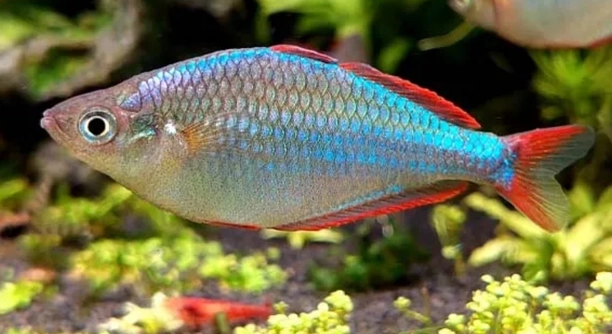
Rainbow fish are known for their striking colors and playful swimming patterns. These fish often swim against the current, which may raise some curiosity. Understanding why they do this can reveal fascinating insights about their behavior and survival.
Rainbow fish swim against the flow to maintain better control over their position and conserve energy. By facing the current, they can avoid drifting too far from their territory or food sources, while also benefiting from the oxygen-rich water.
This natural behavior is crucial for their survival. The reasons behind it offer important insights into the lives of these colorful creatures.
The Importance of Swimming Against the Flow
Rainbow fish use the current to help them navigate their environment. The flowing water offers them more control, allowing them to stay in place when needed. They position themselves strategically, facing into the current to maintain their balance and avoid being carried away. The flow also helps them by ensuring a steady supply of fresh, oxygenated water. In their natural habitat, the constant movement of the water keeps them from stagnating, which is essential for their overall health. As a result, this behavior is a crucial survival tactic. They must also ensure they stay close to food sources, often swimming against the current to remain near abundant feeding areas.
Swimming against the flow is an instinct that helps rainbow fish stay in their comfort zone, making it easier for them to locate food and protect themselves from predators. It also gives them the advantage of stable positioning in their habitat.
By swimming against the current, these fish ensure they can always access the best feeding grounds. It allows them to thrive in an environment that demands constant movement, showcasing their adaptability.
The Role of Current in Their Habitat
Water currents play an important role in the rainbow fish’s environment. These fish have adapted to their habitats, where flowing water is part of their daily life. The movement of water brings nutrients to them, ensuring they can find food and stay healthy. Being able to swim against the flow enables them to stay in areas that provide these resources. Furthermore, strong currents help disperse waste, ensuring that rainbow fish remain in cleaner waters.
In addition to feeding, rainbow fish face fewer threats from larger predators when they swim against the current. The flow provides them with an advantage, helping them blend into their surroundings while making it harder for predators to catch them. The combination of food availability, clean water, and protection from predators helps these fish survive.
The strong water flow also helps rainbow fish maintain their vibrant colors and overall health. It ensures they stay in prime conditions, ready for any challenges that may come their way.
The Behavior of Rainbow Fish
Rainbow fish are naturally inclined to swim against the flow to maximize control over their movements. This instinct helps them stay in one place without being carried away. It also gives them more time to observe their surroundings for potential threats or food.
The flow of water supports their natural behavior. By swimming against it, they can stay in more stable, food-rich areas. In their environment, fresh oxygenated water continuously flows over their gills, supporting their health. This movement also ensures that their territory remains undisturbed, vital for their survival. Swimming against the flow may seem exhausting, but it ultimately benefits them by providing safety and nourishment.
Rainbow fish have evolved to make the most of the water’s natural movement. The current, which could otherwise pose a challenge, is used as an advantage for their survival. Over time, they have adapted to rely on the current for their feeding and breathing, proving how effective this instinct can be in their ecosystem.
Energy Conservation and Effort
While swimming against the flow requires energy, rainbow fish are equipped to handle this task. They make small, steady movements, conserving energy while facing the current. Their streamlined bodies allow them to move efficiently, minimizing the effort needed to stay in place.
Their ability to conserve energy is key to thriving in flowing waters. Instead of swimming tirelessly, they focus on making subtle movements, letting the current do some of the work. This balance ensures they don’t exhaust themselves in their pursuit of food or safety. In their environment, where food is often carried by the flow, this strategy proves effective. It allows them to remain in areas rich in resources while minimizing the cost of maintaining their position.
In fact, rainbow fish seem to have perfected the art of efficiency. By relying on the current for assistance, they can maintain a stable position while also staying alert. This ability to conserve energy is essential, especially when food sources are scarce. The water’s movement offers them the ideal balance of effort and reward.
Protecting Territory
Rainbow fish are territorial and use the flow to protect their space. By swimming against it, they ensure they stay close to their established area. This helps them maintain control over resources like food and shelter, essential for their survival.
Staying in a familiar area reduces the need for constant searching. Swimming against the current allows rainbow fish to monitor their environment, ensuring no other fish invade their space. By controlling this area, they can also deter potential predators. It’s a way to secure their food supply while avoiding threats.
Relationship with Other Species
In their natural habitat, rainbow fish share the environment with many other species. Swimming against the flow helps them avoid competition for resources, allowing them to claim prime feeding spots. They use their positioning to stay ahead of rivals.
Maintaining a space near food-rich areas also gives them an advantage over other fish. This allows rainbow fish to thrive without being forced into conflict. Their ability to swim against the current, while others may struggle, makes them better suited to coexist without constant competition for resources.
Breeding and Current Flow
The current plays a role in the breeding habits of rainbow fish. Strong water movement helps create the ideal conditions for reproduction, allowing eggs to be deposited in areas where the flow provides sufficient oxygen.
The flow not only helps oxygenate the water, but it also prevents eggs from being left stagnant, ensuring that the young fish have a better chance of survival. The ability to remain in these areas while swimming against the flow helps the fish ensure their offspring are born in optimal conditions.
FAQ
Why do rainbow fish swim against the flow?
Rainbow fish swim against the flow to stay in control of their position and prevent drifting too far from their territory. Facing the current helps them conserve energy, while also ensuring they remain in food-rich, oxygenated areas. This allows them to thrive in their environment by making sure they stay where resources are plentiful and where they are safe from predators.
Does swimming against the flow tire rainbow fish?
While it may seem tiring, rainbow fish have adapted to swim against the flow efficiently. Their streamlined bodies and controlled movements minimize energy expenditure. Instead of swimming vigorously, they make small, steady adjustments to maintain their position. This ability allows them to conserve energy and stay in place without exhausting themselves.
How do rainbow fish use the flow to avoid predators?
Rainbow fish use the flow of water as a natural defense mechanism. Swimming against the current makes it harder for predators to approach them. The water movement helps them stay in safe areas, making it difficult for larger fish to catch them. By staying near the current, they also blend in with their environment, becoming less noticeable to potential threats.
Do rainbow fish have a favorite spot in the water?
Yes, rainbow fish tend to establish preferred spots in their environment. By swimming against the flow, they can stay in these locations for longer periods, whether it’s near food sources or shelter. These spots are typically close to areas with optimal oxygen levels and abundant resources, helping them to stay healthy and thrive.
Can rainbow fish survive in areas with no current?
Rainbow fish are adapted to flowing waters, but they can survive in areas with little to no current. However, their behavior and health might be affected. In stagnant water, they may struggle to find enough oxygen or food. While they can adapt, they are most comfortable in flowing environments, where they can take full advantage of the current.
How do rainbow fish find food in fast-moving water?
Rainbow fish are skilled at finding food in fast-moving water. They use the current to bring food to them, which allows them to remain in one place while waiting for food to flow by. This minimizes the effort required to search for food and helps them conserve energy. By positioning themselves against the flow, they stay close to food-rich areas.
Do rainbow fish ever swim with the flow?
While rainbow fish typically swim against the flow, they can swim with the current when necessary. They may do this during certain movements, such as when traveling to a new area or escaping a threat. However, most of their time is spent facing the flow to maintain their position and access resources.
What are the benefits of the current for rainbow fish?
The current provides several benefits for rainbow fish. It helps them stay in oxygen-rich water, which is crucial for their survival. It also ensures that food is constantly flowing past them, making it easier to catch. The movement of water prevents stagnation and helps keep their territory clean, offering them a healthier environment.
How do rainbow fish interact with other species in the current?
In the current, rainbow fish share their space with many other species. By swimming against the flow, they avoid competing directly with others for food or territory. Their ability to maintain a position near food-rich areas allows them to coexist with other fish, each adapting to their niche in the flow. Rainbow fish often stay in their territory, minimizing conflict with neighboring species.
Can rainbow fish live in freshwater and saltwater environments?
Rainbow fish are primarily freshwater species, although some can live in slightly brackish water. They are adapted to a variety of freshwater environments, including rivers, streams, and lakes with flowing water. Their ability to thrive in such environments is what makes them so special. They are not suited for fully salty conditions and do best in freshwater habitats with a steady flow.
What temperature do rainbow fish prefer?
Rainbow fish generally prefer warm water, typically between 72°F and 78°F (22°C to 26°C). This temperature range supports their metabolism and keeps them active. In colder water, their activity levels might decrease, and they could have trouble thriving. They are best suited to tropical or subtropical climates with consistent warmth and flowing water.
How long do rainbow fish live?
Rainbow fish typically live between 5 and 7 years when kept in proper conditions. The lifespan can vary depending on factors like water quality, diet, and overall health. Providing them with a stable environment, proper care, and a steady flow of water can help them reach their full potential lifespan.
Are rainbow fish good tank mates?
Rainbow fish can be good tank mates as long as their tank mates have similar environmental needs. They are generally peaceful and social fish that do well in schools. However, they prefer to live with species that can tolerate similar water conditions, such as other freshwater fish accustomed to flowing water.
How do rainbow fish communicate with each other?
Rainbow fish communicate primarily through body language and visual signals. Their vibrant colors are often used to display dominance or attract mates. They may also engage in small social behaviors, such as chasing each other or swimming together in schools. This behavior helps them maintain their social structure and communicate with others in their group.
Are rainbow fish easy to care for?
Rainbow fish are relatively easy to care for as long as their basic needs are met. They require clean, flowing water, a warm temperature, and a balanced diet. Providing them with an environment that mimics their natural habitat will ensure they thrive. Regular maintenance of the tank, including water changes, will help keep them healthy.
Final Thoughts
Rainbow fish are remarkable creatures, well-suited to their environment. Their ability to swim against the current is not just a physical trait but a survival strategy. This behavior allows them to stay close to food sources and avoid predators. By maintaining their position in the flow, they also conserve energy while keeping their territory secure. These fish have adapted over time to live in areas where the water is constantly moving, and they thrive by taking full advantage of the current to meet their needs.
Their behavior of swimming against the flow isn’t just about staying in one place. It plays a crucial role in how they find food, avoid danger, and reproduce. The current helps them find the right spots for feeding and breeding, ensuring their survival. The oxygen-rich water flowing past them makes it easier to get enough air while they stay in one place, focusing on their food. This ability to stay steady while the world around them moves at a fast pace is what makes them so well-adapted to their habitats. They are excellent at balancing the need to move with the need to conserve energy.
Understanding how rainbow fish use the current to their advantage helps us appreciate their role in the ecosystem. They are not only survivors but also efficient creatures that know how to live in harmony with their environment. By swimming against the flow, they demonstrate a unique balance between adaptation and resilience. Whether in a tank or their natural habitat, rainbow fish continue to show us how living creatures find ways to thrive, even when faced with challenges like fast-moving water.

Hello,
If you enjoy the content that we create, please consider saying a "Thank You!" by leaving a tip.
Every little bit helps us continue crafting quality advice that supports the health, happiness, and well-being of pets around the world, for pets of all shapes, sizes, and species.
We really appreciate the kindness and support that you show us!