
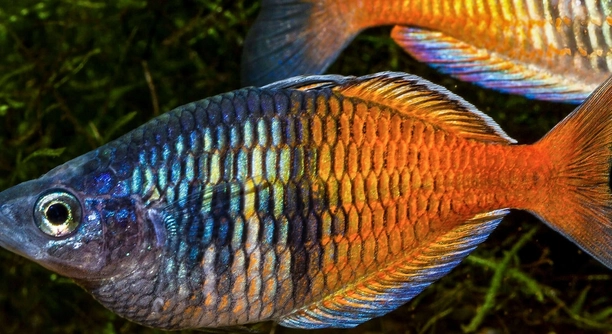
Do your rainbow fish seem less interested in schooling, leaving you wondering if something’s wrong with their usual routine?
Rainbow fish may suddenly stop schooling due to environmental stressors, health issues, or changes in social dynamics within the tank. Factors such as poor water quality, illness, or incompatible tank mates can disrupt their natural schooling behavior.
Learning what affects their behavior can help you adjust your aquarium setup and support a more peaceful, healthy environment for your fish.
Common Reasons Behind Sudden Schooling Changes
Rainbow fish often stop schooling when something in their environment shifts. A sudden change in water parameters like pH, temperature, or ammonia levels can make them feel unsafe. If the tank becomes too crowded or lacks enough hiding spots, they may feel stressed. Sometimes, the introduction of a new species or aggressive tank mate can lead them to scatter or isolate themselves. Health issues such as parasites, infections, or poor diet can also cause them to lose their usual energy and interest in group behavior. When one fish is sick, others may avoid it, breaking up the school.
Stress plays a major role. Fish rely on schooling for safety, so anything that disturbs their sense of security will disrupt that behavior.
A proper setup, gentle tank mates, and consistent care can go a long way. Keeping their tank calm and clean gives rainbow fish the comfort they need to stay close together.
How to Help Them Return to Schooling
Observe your fish closely. Look for signs of injury, poor appetite, or faded color. These are small indicators that something might be wrong.
Start by checking your water quality. Use a reliable testing kit to measure ammonia, nitrite, nitrate, and pH levels. Rainbow fish prefer slightly alkaline water with a temperature between 74°F and 78°F. Make sure your filter is functioning well, and don’t forget to clean it regularly. If the tank is too bright, add floating plants or decorations to provide shade and security. Avoid sudden changes like loud noises, tapping on the glass, or rearranging the tank too often. Feed them a balanced diet rich in nutrients and vitamins to keep them strong and active. If you spot a sick fish, quarantine it to prevent others from getting stressed. Lastly, avoid overcrowding and give them enough space to swim freely. These steps can help restore their confidence and get them schooling again.
Environmental Triggers That Affect Behavior
Changes in light, sound, or movement around the tank can unsettle rainbow fish. Loud music, frequent foot traffic, or sudden lighting can make them feel unsafe. When they’re stressed, they tend to break away from the group and stay still or hide.
Poor tank conditions are another major factor. A dirty or overcrowded tank can create a lot of stress for rainbow fish. If there’s not enough swimming space, they’ll start acting more territorial than social. When the water gets too warm or cold, it affects their metabolism and energy levels. They may become sluggish or avoid other fish altogether. Adding floating plants or adjusting the lighting can help them feel more secure. Even moving the tank to a quieter spot can make a difference. Paying attention to small environmental details can improve their comfort and help them return to schooling behavior.
Another thing to watch for is water flow. If the current is too strong, rainbow fish may stop swimming in groups because they feel the need to fight against the flow individually. Use adjustable filters if needed to create a calm middle zone where they can gather. Consistent maintenance and routine help keep them calm and in sync with one another.
Social and Health Factors in Schooling
Not all rainbow fish will get along. If you have an aggressive tank mate or if one fish is dominating the group, the others may feel nervous and stay away. This causes them to stop schooling naturally.
Illness also plays a big role in changing behavior. A fish that feels unwell often isolates itself. The others may then distance themselves as a natural response. Look for clamped fins, spots, bloating, or labored breathing. These are early signs of common freshwater diseases. Once illness spreads, group behavior breaks down quickly. To prevent this, always quarantine new fish for at least two weeks. Feed a diet that supports immune health and avoid overfeeding, which can harm water quality. Schooling fish rely on group cues to feel safe, so even one unwell fish can cause disruption. Monitoring both health and social balance in the tank helps encourage natural group swimming.
Tank Setup Mistakes to Avoid
A tank that’s too small can lead to stress and aggression, making rainbow fish less likely to school. They need room to swim freely without feeling crowded or cornered.
Bright lights without shaded areas can also be a problem. Constant exposure makes them nervous, leading to scattered or withdrawn behavior.
The Role of Consistent Routines
Rainbow fish respond well to regular routines. Sudden changes in feeding times, lighting schedules, or cleaning routines can confuse them. Keeping everything consistent helps them feel secure. Try to feed them at the same time each day and avoid moving tank decorations too often. This builds predictability, which supports natural schooling habits. Even a reliable day-night light cycle matters. When fish feel they can trust their environment, they behave more calmly and interact more normally. A routine doesn’t have to be strict, just steady. It’s a small effort that creates a more balanced, peaceful tank.
When to Consider Expert Help
If schooling doesn’t return after fixing the environment and checking health, it might be time to consult a vet or experienced aquarist.
FAQ
Why did my rainbow fish stop schooling?
Rainbow fish may stop schooling due to various reasons, including stress, illness, environmental changes, or overcrowding. Poor water quality is one of the most common causes. If the water temperature or pH levels fluctuate too much, they might become stressed. Fish also need space to swim comfortably; if the tank is too crowded or lacks hiding spots, they might feel insecure. Social factors can also play a role—if there’s aggression from tank mates or if one fish is sick, the group dynamic may break down. Keeping the tank clean, monitoring water quality, and providing enough space can help restore schooling behavior.
How do I know if my rainbow fish is stressed?
Stressed rainbow fish show signs like erratic swimming, hiding in corners, or isolating themselves from the group. You may notice them swimming aimlessly or even staying at the surface for extended periods. Their color may also fade, and their fins could appear clamped. Stress can also make them more susceptible to illness, so it’s important to address it quickly. If you spot any of these signs, start by checking the water quality, ensuring the tank is not overcrowded, and considering any possible changes in the environment or tank mates. Reducing stress is crucial to restoring their natural behavior.
Can rainbow fish recover from stress and start schooling again?
Yes, rainbow fish can recover from stress and resume schooling, but it depends on the cause of the stress. If the issue is environmental—like poor water quality or a loud, busy area—fixing those factors can help them feel secure enough to return to their normal behavior. If the stress is caused by illness or aggression from tank mates, isolating the affected fish and treating the illness or adjusting the tank setup may solve the problem. However, if the stress has been ongoing for a long time, it may take a while for the fish to regain its confidence.
Do rainbow fish need a lot of space to school?
Yes, rainbow fish thrive in larger tanks where they can swim freely. A cramped tank makes them feel restricted and stressed, leading to disrupted schooling behavior. As a general rule, aim for at least a 30-gallon tank for a small group of rainbow fish. A larger tank gives them plenty of space to establish territories, interact with each other, and feel secure. If you have more than a few fish, consider going even bigger. Having enough swimming room is essential for keeping your fish happy and encouraging them to stay in groups.
Is it normal for rainbow fish to break up their school?
It’s not uncommon for rainbow fish to momentarily break up their school, especially if something in their environment changes. They are naturally social fish, so they tend to school when they feel safe and secure. However, stress, illness, or overcrowding can cause them to separate temporarily. If this happens, look for any environmental factors or health issues that may be affecting the group. If everything seems fine, it’s likely that they will return to their normal behavior once the stress is alleviated. As long as they are not consistently isolating, this behavior is usually temporary.
How can I prevent my rainbow fish from stopping their schooling?
Preventing rainbow fish from stopping their schooling begins with maintaining a stable and peaceful tank environment. Keep the water clean and regularly test the pH, ammonia, nitrite, and nitrate levels to ensure they are within the ideal range. Aim for a consistent temperature and avoid sudden changes in lighting or water parameters. You should also provide plenty of space for your fish to swim, as overcrowding can cause stress. Add plants, decorations, and hiding spots to give them a sense of security. Lastly, make sure all tank mates are compatible and avoid any aggressive behavior. These steps will help ensure your rainbow fish stay comfortable and continue to school together.
Do rainbow fish prefer to school with their own species?
Rainbow fish generally feel most comfortable schooling with their own species, although some may tolerate other peaceful species in the tank. They are not as likely to school with different types of fish, as their instinct is to stay with those they recognize as part of their group. If you have a mixed-species tank, make sure that the tank mates are not overly aggressive, as this can break up their schooling behavior. It’s always a good idea to keep a group of rainbow fish together to encourage their natural schooling behavior.
Can I add new rainbow fish to a tank with existing fish?
Adding new rainbow fish to an established tank should be done carefully to avoid upsetting the current fish. Quarantine the new arrivals for at least two weeks before introducing them to the main tank. This helps prevent the spread of potential diseases and allows the fish to acclimate. When adding them to the tank, do so gradually and keep an eye on how they interact with the existing fish. If there’s any aggression or signs of stress, it may be necessary to adjust the tank setup or separate certain fish. Rainbow fish generally do better in groups, so adding more of the same species can help maintain their natural schooling behavior.
What is the best diet for rainbow fish?
Rainbow fish are omnivores, so they need a balanced diet that includes both plant and animal matter. A high-quality flake or pellet food designed for tropical fish is a good base. You can supplement their diet with frozen or live foods like brine shrimp, bloodworms, or daphnia, which provide essential protein. Offering some plant-based foods like spirulina or blanched vegetables will help meet their nutritional needs. Feeding a varied diet ensures they stay healthy, active, and vibrant, which can help them maintain their natural behaviors, including schooling. Make sure not to overfeed, as poor water quality can lead to stress and health problems.
How do I know if my rainbow fish is sick?
Sick rainbow fish show visible signs such as clamped fins, abnormal swimming, faded or discolored skin, and a lack of appetite. You may notice them swimming near the surface or staying in one spot, often away from the rest of the group. If you see any of these signs, it’s important to check water quality immediately and consider isolating the sick fish to prevent the spread of disease. Look for external signs of illness such as lesions, swollen bodies, or abnormal growths. Regular health monitoring and early intervention can help your rainbow fish recover more quickly.
Final Thoughts
Understanding why rainbow fish may stop schooling is key to creating a healthy and peaceful tank environment. These fish are naturally social, and schooling is an important behavior that helps them feel safe and secure. When they suddenly stop schooling, it’s often a sign that something is wrong, whether it’s a change in the tank’s conditions, a potential illness, or stress caused by other fish. By paying attention to their environment and health, you can usually pinpoint the cause and work on restoring their natural behavior.
The most important factors to consider are water quality, tank setup, and the health of the fish. Ensuring that the water temperature, pH, and cleanliness remain stable will reduce stress and help the fish feel comfortable. Additionally, providing a spacious tank with plenty of hiding spots is essential for their well-being. Avoid overcrowding and make sure the tank is equipped to accommodate the number of fish you have. If the fish feel crowded or have no room to swim freely, they will likely stop schooling. These small adjustments can go a long way in keeping your rainbow fish happy and maintaining their natural schooling behavior.
If you’ve addressed environmental issues and your fish still aren’t schooling, consider their social dynamics. Aggressive tank mates, bullying, or a sick fish can all break up a group of rainbow fish. Observing their interactions and making sure everyone is healthy can help restore harmony. If needed, quarantining sick fish and adding new tank mates slowly can help ease the transition. Taking the time to make sure your tank is balanced and your fish are well cared for will ensure that your rainbow fish can school happily together again.

Hello,
If you enjoy the content that we create, please consider saying a "Thank You!" by leaving a tip.
Every little bit helps us continue crafting quality advice that supports the health, happiness, and well-being of pets around the world, for pets of all shapes, sizes, and species.
We really appreciate the kindness and support that you show us!