
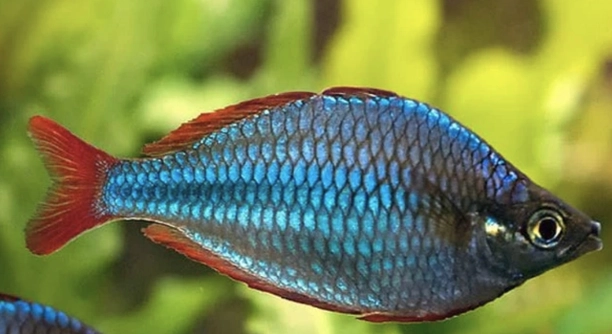
Rainbow fish are known for their active and playful nature, often chasing food eagerly. However, when they suddenly stop doing so, it can be puzzling. Understanding the possible reasons behind this change can help you address the issue.
The sudden cessation of food-chasing behavior in rainbow fish may be due to several factors, including illness, stress, water quality issues, or changes in their environment. Ensuring proper care and monitoring these aspects can help restore their behavior.
Addressing the underlying causes of this issue is essential to keeping your fish healthy and active. Keep reading to find out more about the possible reasons and solutions.
Illness or Injury
When rainbow fish stop chasing food, one possible reason is illness or injury. Fish can hide their symptoms well, so changes in behavior may be one of the first signs something is wrong. Common issues such as parasites, bacterial infections, or injuries can cause a loss of appetite or even lethargy.
Infections or injuries may lead to physical discomfort, which could make your fish less motivated to swim after food. Observing closely for any visible signs such as swollen areas, discoloration, or unusual swimming patterns can help you identify the issue. If you notice any of these, it’s a good idea to isolate the affected fish and treat it in a separate tank.
Maintaining a clean environment and feeding your fish high-quality food can help prevent illness. If the symptoms persist despite your best efforts, consult an aquarium specialist to ensure proper treatment.
Stress and Overcrowding
Stress is another factor that can make rainbow fish stop chasing food. Overcrowding, poor water conditions, or aggressive tank mates can contribute to this stress.
When fish feel stressed, they tend to act sluggish, reducing their food-chasing behavior. Ensuring your tank is the right size for your fish and that the water is regularly tested and changed can help ease this stress.
Water Quality Issues
Poor water quality is a major factor in your rainbow fish’s behavior. When ammonia, nitrate, or nitrite levels are too high, fish can become lethargic and less interested in food. Regular water changes are necessary to maintain the balance of these levels, ensuring a healthier environment.
Test the water frequently for harmful substances, especially if you notice behavior changes in your fish. A filtration system that removes toxins and waste helps keep the water clean. Regular water changes, along with ensuring proper pH and temperature, will support your fish’s overall health, encouraging normal feeding behavior.
Fish are sensitive to sudden changes in water conditions, so avoid making drastic adjustments. Gradual changes to water parameters help your rainbow fish adapt and prevent further stress. If the problem continues, consider adding an additional filtration system to support the tank’s needs.
Environmental Changes
Changes in the fish’s environment can also cause them to stop chasing food. This includes moving to a new tank, rearranging the decor, or introducing new tank mates. Such changes can make fish feel unsafe, leading to loss of appetite.
Rainbow fish thrive in stable environments. When they feel unsure about their surroundings, it’s common for them to become less active, including when it comes to feeding. Providing hiding spots and maintaining familiar elements in the tank can make your fish feel more secure. If changes are necessary, try to minimize the disruption as much as possible to avoid stressing the fish.
Age and Life Stages
As rainbow fish get older, they may naturally slow down. Their energy levels decrease, and they might not chase food as eagerly as they did when they were younger. This can be normal, especially as they enter the later stages of their life.
You may notice that older rainbow fish are less active overall, and their feeding behavior changes. Offering smaller meals more frequently can help ensure they get the nutrients they need, even if they are no longer as enthusiastic about chasing food. Keep an eye on their health and adjust their care accordingly.
Inadequate Diet
An inadequate or unbalanced diet could also cause your rainbow fish to stop chasing food. If they are not getting the right nutrients, they may lack the energy to engage in their usual feeding behavior. It’s essential to provide a variety of high-quality food to keep them healthy.
Ensure your rainbow fish’s diet includes both protein and vegetable-based foods. Different types of food, such as flakes, pellets, and live or frozen options, can help keep them interested. Experiment with different types of food if they aren’t eating, but avoid overfeeding, as it can lead to water quality problems.
Temperature Fluctuations
Temperature fluctuations can also disrupt your fish’s behavior, including their interest in food. Rainbow fish are sensitive to changes in water temperature, and even slight shifts can cause them to become stressed and reduce their appetite.
Make sure the water temperature is consistent and within the ideal range for rainbow fish. A stable temperature promotes healthier and more active fish. Use a reliable heater and thermometer to monitor the water and avoid drastic changes, especially during seasonal transitions or power outages.
FAQ
Why do rainbow fish stop eating altogether?
Rainbow fish may stop eating altogether for several reasons, including illness, stress, or poor water quality. If they’re stressed, either from overcrowding or environmental changes, they might not feel safe enough to eat. Similarly, parasites or bacterial infections can cause them to lose their appetite. Keeping the tank clean and monitoring their health can help address these issues. If the fish is not eating for an extended period, consulting an aquarium specialist is recommended for proper diagnosis and treatment.
How do I know if my rainbow fish is stressed?
Signs of stress in rainbow fish include erratic swimming, hiding more than usual, a loss of color, or an inability to interact with other fish. They may also stop eating or appear lethargic. Stress can be caused by several factors like poor water quality, overcrowding, or aggressive tank mates. Monitoring their environment and maintaining good water conditions can reduce stress and improve their behavior.
Can I feed rainbow fish once a day?
Feeding rainbow fish once a day is typically fine for adults, as long as the portions are appropriate. However, young or growing fish may benefit from two smaller feedings. Overfeeding can lead to water quality issues, so be careful to only offer as much food as they can consume in a few minutes. If your fish are not eating all the food, consider reducing the amount in future feedings.
What temperature should the water be for rainbow fish?
Rainbow fish thrive in water temperatures between 74°F and 78°F (23°C to 26°C). If the water temperature falls below or rises above this range, they may become stressed, which can lead to a loss of appetite or other behavioral changes. Use a reliable aquarium heater to maintain a stable temperature, and regularly check with a thermometer to ensure consistency.
How can I improve water quality for my rainbow fish?
To improve water quality, regularly test for ammonia, nitrites, and nitrates, and perform water changes as needed. Ensure that the filter is working well and replace filter media regularly. Keep the tank’s pH levels between 6.5 and 7.5, and the water hardness at a moderate level. Proper filtration, regular maintenance, and monitoring water conditions will help create a healthier environment for your fish.
What should I do if my rainbow fish are fighting?
If your rainbow fish are fighting, it could be due to territorial behavior or overcrowding. Ensure that your tank is large enough for the number of fish and that each fish has enough space. Adding more hiding spots or plants can also help reduce aggression. In some cases, separating aggressive fish into different tanks may be necessary.
Can rainbow fish live with other species?
Yes, rainbow fish are generally peaceful and can live with other species, as long as the tank is not overcrowded. It’s best to choose fish with similar water and temperature requirements to ensure compatibility. Avoid aggressive species that may stress out the rainbow fish. Always monitor the tank for signs of tension between different species.
Do rainbow fish need a filter?
Yes, rainbow fish need a filter to maintain clean water and healthy tank conditions. Filters help remove waste and toxins from the water, preventing harmful substances from building up. It’s essential to choose a filter appropriate for the size of the tank, as poor filtration can lead to unhealthy water conditions and impact the fish’s health.
What do rainbow fish eat?
Rainbow fish are omnivores, meaning they eat both plant and animal matter. A varied diet is important for their health, including high-quality pellets, flakes, and occasional live or frozen food such as brine shrimp, bloodworms, or daphnia. Adding some plant matter, such as blanched spinach or algae wafers, will help meet their dietary needs.
Why are my rainbow fish swimming at the top of the tank?
Rainbow fish swimming at the top of the tank could indicate a lack of oxygen in the water, or they may be seeking food if they associate the surface with feeding time. Ensure your tank has proper aeration and filtration to provide adequate oxygen. If the behavior continues, check water parameters and temperature to make sure everything is within a healthy range.
How do I prevent my rainbow fish from getting sick?
Preventing illness in rainbow fish starts with maintaining optimal tank conditions. Regular water changes, monitoring water parameters, and keeping the tank clean are essential. Avoid overcrowding and introduce new fish slowly to prevent stress. Additionally, provide a varied and balanced diet to strengthen the fish’s immune system.
How long do rainbow fish live?
Rainbow fish typically live for about 5 to 8 years, depending on the species and tank conditions. Providing a stable environment, consistent water quality, and proper nutrition will help maximize their lifespan. Regularly checking on their health and addressing issues promptly can also contribute to a longer life.
Can rainbow fish reproduce in a tank?
Yes, rainbow fish can reproduce in a well-maintained tank. They prefer slightly acidic to neutral water conditions, and having plants like Java moss or floating plants can help create a safe space for eggs. To encourage breeding, keep the water temperature around 75°F to 80°F and feed the fish high-quality live or frozen foods.
What should I do if my rainbow fish isn’t eating?
If your rainbow fish isn’t eating, check for possible causes like poor water quality, stress, or illness. Testing the water parameters and ensuring a stable environment is crucial. If necessary, try offering different types of food to entice the fish. If the problem persists, consulting an aquarium specialist can help identify the cause.
Final Thoughts
Rainbow fish are vibrant, active creatures that add beauty and life to any aquarium. However, when they suddenly stop chasing food or showing interest in eating, it can be concerning. The cause can often be linked to stress, illness, or changes in the environment, but understanding the factors at play can help you resolve the issue. By keeping an eye on the water conditions, offering a varied diet, and ensuring a comfortable tank environment, you can help your rainbow fish thrive.
It’s important to regularly monitor the water quality and temperature to avoid stressors that can affect your fish’s appetite. Rainbow fish are sensitive to fluctuating conditions, and even small changes in their environment can lead to feeding issues. When you notice your fish are not eating, it’s essential to address the water quality first, as poor conditions can cause both physical and behavioral problems. Maintaining a consistent routine with water changes and testing will prevent many common issues and keep your fish healthy.
Finally, while it’s normal for rainbow fish to experience changes in behavior as they age, keeping them healthy and comfortable will ensure they remain active and vibrant for many years. Providing them with a balanced diet and monitoring their health regularly can make a significant difference in their appetite and overall well-being. If the problem persists or worsens, consulting an aquarium specialist can help you pinpoint any underlying health concerns and take appropriate action.

Hello,
If you enjoy the content that we create, please consider saying a "Thank You!" by leaving a tip.
Every little bit helps us continue crafting quality advice that supports the health, happiness, and well-being of pets around the world, for pets of all shapes, sizes, and species.
We really appreciate the kindness and support that you show us!