
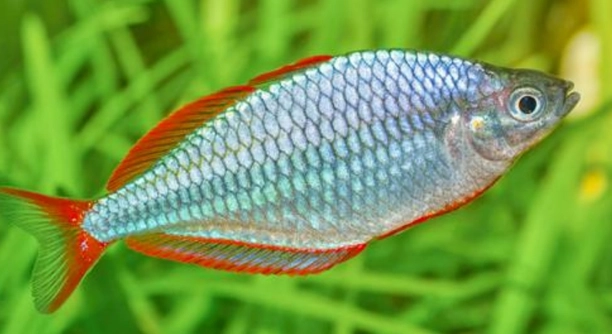
Rainbow fish are often observed swimming in tight groups, creating a captivating spectacle in aquariums. This sudden shift in their behavior can leave fish owners wondering why their usually spread-out fish have become so closely packed together.
The primary reason rainbow fish school tightly is due to a response to stress or environmental factors. Changes in water conditions, presence of predators, or overcrowding can cause them to seek safety in numbers, instinctively forming tighter groups.
Understanding why this happens can help manage their environment better. Proper care and attention to water conditions can alleviate stress and encourage more natural swimming patterns for your rainbow fish.
Why Do Rainbow Fish School Tightly?
Rainbow fish naturally swim in groups, but when they start to school tightly, it often signals changes in their environment. One of the key reasons they may do this is when they feel threatened. Environmental stressors like poor water quality, temperature fluctuations, or the presence of predators can prompt them to gather closely together. This behavior is instinctual, as being in a tight school helps them feel safer. In nature, schools of fish provide protection, allowing individuals to blend in and evade predators more easily.
When rainbow fish school tightly, it’s a sign that something in their habitat is out of balance. Regular monitoring of water parameters such as temperature, pH, and salinity can help prevent such stress-induced behavior. Keeping the tank clean and ensuring that the fish have enough space are essential in minimizing discomfort. Even small changes can make a big difference in their well-being, restoring their natural behavior.
Fish owners should pay close attention to these signals and adjust their aquarium settings to reduce stress. A balanced, calm environment will encourage your rainbow fish to swim more naturally and peacefully.
How Stress Affects Their Behavior
When rainbow fish are under stress, their usual social behaviors can change. Instead of swimming freely, they may cluster closely together. This tight schooling is a form of protection, signaling that they feel vulnerable.
It’s essential to identify the stressors that might be affecting them. Poor water quality or sharp fluctuations in temperature can trigger these responses. Rainbow fish thrive in stable environments, where the water conditions remain consistent. Additionally, overcrowded tanks can add pressure, leading to discomfort and changes in behavior. If you notice your fish schooling more tightly, it’s time to assess their environment. Keeping the tank at the right temperature and ensuring proper filtration can help reduce this stress and restore normal behavior. Regular maintenance, including water changes and ensuring enough space for each fish to swim, is key to supporting their health and well-being.
Tank Space and Overcrowding
A cramped tank can cause stress, leading to tighter schooling behavior. When fish don’t have enough space, they become anxious and often seek comfort in numbers. Overcrowding makes it harder for each fish to establish its territory, adding to their discomfort.
To ensure your rainbow fish are not overcrowded, aim for a tank size that provides enough swimming space for each one. A general guideline is to allow at least 1 inch of fish per gallon of water. Larger tanks are always better for maintaining stable conditions and ensuring the fish feel comfortable. By providing ample room, you reduce stress and allow them to swim freely, which helps prevent tight schooling.
Investing in a larger tank also allows for better filtration, cleaner water, and a more balanced ecosystem, all of which are crucial for the health of your fish. When fish can move around without feeling cramped, they will behave more naturally and display their typical social patterns.
Water Quality and Temperature Fluctuations
Rainbow fish are sensitive to changes in water quality and temperature. Poor water conditions can cause them to feel unsafe, prompting them to school tightly as a protective mechanism. Regular water testing is essential to ensure their environment remains stable.
Maintaining clean, well-filtered water is the first step in avoiding stress. This includes checking the pH, ammonia, nitrites, and nitrates regularly. If any levels are off, they can cause discomfort, making your fish more likely to seek the security of a tight group. Temperature fluctuations are another common issue. Rainbow fish do best in water that stays between 75°F and 80°F. Any significant drop or rise in temperature can cause stress, prompting them to huddle together for warmth or protection.
To avoid temperature shifts, use a reliable heater with a thermostat. Regularly check the tank’s temperature, especially if you live in an area with seasonal changes, to keep the water conditions stable.
Predators and External Threats
The presence of predators can cause rainbow fish to school tightly. Whether it’s a larger fish in the tank or a sudden movement outside the aquarium, any perceived threat triggers their instinct to gather for protection.
When there’s a potential threat, rainbow fish instinctively come together to form a group. This behavior reduces their individual exposure to predators, making it harder for the threat to single out one fish. If your fish are schooling tightly, it might indicate that they sense a predator nearby, even if it’s not immediately obvious.
Tank Mates and Social Dynamics
Rainbow fish are peaceful but can be affected by aggressive or territorial tank mates. If certain fish are picking on them, it can cause stress, resulting in tighter schooling behavior. It’s important to select compatible tank mates that won’t disrupt their social patterns.
Fish that are too aggressive can create a tense environment, prompting rainbow fish to group together for safety. If you notice this behavior, consider removing or rehoming the aggressive fish. Choosing the right tank mates and monitoring interactions will help maintain peace, allowing your rainbow fish to swim freely without stress.
Water Movement and Tank Design
Strong currents in the tank can make rainbow fish feel unsettled. They prefer areas with mild water movement, where they can swim comfortably without fighting the current. If there’s too much flow, they may school tightly to conserve energy and avoid being swept away.
To keep your rainbow fish relaxed, reduce the water flow in areas where they frequent. Use a gentle filter or position the tank’s outflow so it doesn’t create harsh currents. Providing hiding spots and plants also allows them to seek shelter if they feel overwhelmed by the movement in the tank.
FAQ
Why do rainbow fish school tightly?
Rainbow fish school tightly mainly due to stress or changes in their environment. This behavior is a natural response when they feel threatened or insecure. Stress factors can include poor water quality, temperature fluctuations, or overcrowding in the tank. They instinctively gather in tighter groups as a way to protect themselves from potential dangers. When conditions are stable, rainbow fish tend to spread out more and swim freely, showing more natural social behaviors.
How can I reduce the stress that causes tight schooling in rainbow fish?
To reduce stress in rainbow fish, ensure the water quality remains stable. Regularly test the water for pH, ammonia, nitrites, and nitrates. Keeping these levels within the ideal range will prevent discomfort. Maintaining a consistent water temperature is equally important, as fluctuations can trigger stress. Avoid overcrowding the tank and provide enough space for each fish to swim freely. A peaceful environment, with compatible tank mates, also minimizes stress. Additionally, ensuring the tank has proper filtration and is regularly cleaned can help maintain a calm atmosphere for your fish.
What is the ideal water temperature for rainbow fish?
Rainbow fish thrive in temperatures between 75°F and 80°F (24°C to 27°C). Keeping the water within this range helps maintain their health and encourages natural behaviors. Temperature fluctuations can cause stress and lead to tightly packed schools. A reliable aquarium heater and thermometer will help regulate the temperature to ensure it stays consistent. Monitoring these levels regularly is crucial to avoid any sudden changes that could disrupt the fish’s well-being.
Can aggressive tank mates cause rainbow fish to school tightly?
Yes, aggressive or territorial fish can cause rainbow fish to school tightly. If certain tank mates are bullying or harassing them, the rainbow fish will naturally seek safety in numbers. It’s essential to choose peaceful, compatible tank mates to ensure that the environment remains calm. If aggression is noticed, it may be necessary to separate the aggressive fish or rearrange the tank to reduce stress. Ensuring the aquarium is filled with peaceful species allows rainbow fish to swim naturally and comfortably.
How do water currents affect rainbow fish behavior?
Rainbow fish prefer mild water movement and can feel stressed if the current is too strong. Excessive water flow can make them fight the current, leading to exhaustion and tight schooling. To avoid this, reduce the water flow by adjusting the filter or positioning the outflow in a way that doesn’t disturb the fish. Providing areas with calm water, like plant-covered sections or corners with less flow, will give them places to rest and swim comfortably. Ensuring the water movement is gentle encourages natural swimming patterns and reduces stress.
Do rainbow fish school more tightly during breeding?
Yes, rainbow fish may school more tightly during the breeding season. While breeding, they might become more sensitive to their environment and other fish. However, this behavior is typically different from the stress-induced tight schooling. During this time, they may gather to form more structured groups, often for mating or territorial purposes. Providing them with plenty of space, plants, and hiding areas during breeding can help reduce unnecessary stress. Ensuring the water conditions are optimal will also support their reproductive behavior without causing excessive stress.
What are the signs that rainbow fish are stressed?
Common signs of stress in rainbow fish include tight schooling, erratic swimming, hiding, or rubbing against objects in the tank. Stress can also lead to a loss of appetite and a change in coloration. If rainbow fish are consistently schooling tightly, it’s important to check the water quality, temperature, and tank environment. Ensuring that no aggressive tank mates are present, and that the fish have enough space, will help reduce stress. Paying attention to these behavioral changes is key to maintaining their health and happiness.
Can tight schooling affect the health of rainbow fish?
While tight schooling itself does not directly harm rainbow fish, the stress that causes it can lead to health problems. Prolonged exposure to poor water quality, overcrowding, or aggression can weaken the immune system, making the fish more susceptible to diseases. Tight schooling is often a sign that the fish are feeling vulnerable or unsafe, which can affect their overall well-being. By addressing the root cause of the stress, you can prevent potential health issues and help the fish maintain a strong immune system.
Is there a way to stop rainbow fish from schooling too tightly?
To stop rainbow fish from schooling too tightly, ensure they have a stable, stress-free environment. Regular water changes, proper filtration, and consistent water temperature are essential for keeping the fish calm. Providing ample space, avoiding overcrowding, and ensuring compatible tank mates will also help. If the fish are schooling tightly due to a predator or aggression, removing the threat will allow the fish to feel secure and resume their natural swimming behavior. Monitoring their behavior and environment regularly will help prevent this behavior from becoming a recurring issue.
Can rainbow fish feel the presence of predators even if they aren’t visible?
Yes, rainbow fish can sense the presence of predators even if they aren’t immediately visible. Fish are highly sensitive to vibrations, changes in water flow, and other environmental cues that signal potential danger. This sensitivity causes them to react instinctively by schooling tightly for protection. Even small changes in their surroundings, like a shadow passing near the tank or the movement of a larger fish, can cause them to perceive a threat. Ensuring a safe and calm environment, free from external stressors, is crucial for reducing such behavior.
What tank size is best for rainbow fish to avoid tight schooling?
A tank size of at least 30 gallons is recommended for a small group of rainbow fish. Larger tanks provide more space for the fish to spread out and swim freely. Overcrowding a tank can lead to stress and trigger tight schooling behavior. When the fish have enough space, they are more likely to exhibit their natural social patterns, swimming in more relaxed and loose groups. A larger tank also ensures better water quality, which helps maintain a stress-free environment for the fish.
Final Thoughts
Rainbow fish are naturally peaceful and social creatures. When they school tightly, it is often a sign that something is off in their environment. The primary causes of tight schooling include stress from factors like poor water quality, aggressive tank mates, and strong water currents. Addressing these issues can help reduce their anxiety and allow them to swim in a more relaxed, natural way. Keeping a balanced and stress-free environment is essential for the overall health and well-being of rainbow fish. Ensuring proper water conditions, tank setup, and compatible tank mates will reduce the likelihood of tight schooling.
Tight schooling does not always indicate a serious problem. It is a natural response to stress or perceived danger. However, understanding why this behavior occurs can help prevent long-term health issues. When rainbow fish are exposed to chronic stress, their immune system can weaken, making them more susceptible to diseases. This makes it crucial to monitor their behavior closely and take action if the tight schooling becomes a recurring issue. Regular maintenance, like water changes and checking tank temperature, can go a long way in reducing the risk of stress-related behaviors.
By paying attention to the signs of stress and making necessary adjustments, you can ensure your rainbow fish remain happy and healthy. Providing enough space, maintaining stable water conditions, and choosing compatible tank mates will allow them to thrive. Understanding their needs and responding to their behaviors will not only improve their comfort but also enhance their overall quality of life. As long as their environment is optimal, rainbow fish will display their natural, peaceful schooling behavior, creating a vibrant and serene aquarium.

Hello,
If you enjoy the content that we create, please consider saying a "Thank You!" by leaving a tip.
Every little bit helps us continue crafting quality advice that supports the health, happiness, and well-being of pets around the world, for pets of all shapes, sizes, and species.
We really appreciate the kindness and support that you show us!