
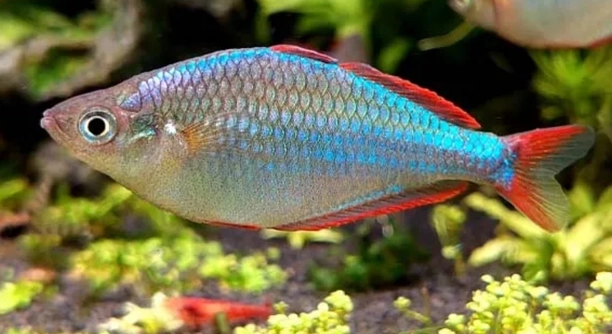
Rainbow fish are known for their striking appearance and active behavior, but you may notice they suddenly avoid the top of the tank. This change can be puzzling for aquarium owners, but there are reasons behind it.
Fish often avoid the surface due to environmental stressors such as water quality, temperature fluctuations, or the presence of predators. Poor water conditions can lead to discomfort, causing fish to seek lower, more secure areas within the tank.
Understanding these factors can help improve your tank setup and address your fish’s behavior. By adjusting the environment, you can encourage your rainbow fish to feel more comfortable at the surface again.
Water Quality and Its Impact on Behavior
When rainbow fish avoid the surface, the water quality might be the issue. Fish are sensitive to their surroundings, and even small changes in water parameters can make them uncomfortable. Poor water quality, such as high levels of ammonia, nitrates, or nitrites, can stress the fish, leading them to seek shelter away from the top. Regular water changes and proper filtration are essential to maintain a healthy environment for your fish. It’s also important to test the water regularly to ensure it meets the ideal levels for rainbow fish.
Poor water conditions can have a significant impact on fish behavior. Ammonia spikes or low oxygen levels are common issues that make fish avoid certain areas. Keeping your water clean and well-balanced will encourage rainbow fish to return to their normal behavior.
If you find that water quality is the main concern, it’s essential to take immediate action. Regular water changes, investing in good filtration, and controlling the tank’s stocking density can help maintain a balanced aquatic environment, leading to happier, healthier fish.
Tank Temperature and Its Effects
Rainbow fish are particularly sensitive to temperature changes. If the water is too warm or too cold, they may avoid the surface. These fish thrive in stable environments, and temperature fluctuations can cause stress, making them seek lower, more comfortable areas. Using a reliable aquarium heater can help maintain a constant temperature.
Fluctuating temperatures can stress rainbow fish, especially if the water is too warm. In warmer conditions, oxygen levels can drop, making it harder for them to breathe. Maintaining a consistent temperature between 74-80°F is crucial for their health and well-being.
A thermometer is a useful tool to monitor the water temperature. If you notice that the temperature is constantly shifting, it’s important to check your heater for malfunction. Ensuring the temperature remains steady will encourage rainbow fish to stay at all levels of the tank and improve their overall behavior.
Tank Mates and Their Impact
Aggressive or overly active tank mates can make rainbow fish feel threatened. If your fish are constantly being chased or stressed by others, they may avoid the surface to hide. It’s important to choose tank mates that are peaceful and not overly territorial.
Avoid overcrowding your tank. Overcrowded environments lead to increased aggression and competition for space, making it harder for rainbow fish to feel safe. Make sure the fish species you choose are compatible and can coexist peacefully.
Water Surface Disruptions
Excessive water movement can also cause rainbow fish to avoid the surface. If your filter or aerator creates strong currents, they may find it uncomfortable to swim near the top. This can lead to them staying in the lower areas of the tank to escape the disturbances.
Fish need calm areas to swim in. By adjusting the flow rate on your filter or relocating the aerator, you can reduce strong currents. This helps create a more balanced environment where your rainbow fish can feel comfortable at all levels of the tank.
FAQ
Why are my rainbow fish avoiding the top of the tank?
Rainbow fish avoid the top of the tank for several reasons, mainly related to environmental stress. Poor water quality, temperature fluctuations, and tank mates can cause discomfort, leading fish to seek the lower parts of the tank. To resolve this, test water parameters regularly and maintain consistent conditions. Also, ensure that your tank is not overcrowded and that your fish have peaceful companions. These factors can help restore your fish’s normal behavior.
How can I improve water quality for my rainbow fish?
To improve water quality, perform regular water changes, typically 25-30% every two weeks. Invest in a good filter that can handle the size of your tank and test water parameters regularly. Ammonia, nitrites, and nitrates should all be kept at safe levels. Consider adding live plants, as they can help absorb excess nutrients, contributing to cleaner water.
What temperature should I keep the tank for rainbow fish?
Rainbow fish thrive in water temperatures between 74-80°F (23-27°C). Temperature fluctuations can cause stress, so it’s essential to maintain a consistent environment. A reliable aquarium heater will help keep the temperature stable. Ensure the water temperature is suitable for all tank inhabitants to avoid stress and health issues.
Can tank mates affect rainbow fish behavior?
Yes, aggressive or overly active tank mates can cause rainbow fish to avoid the surface. If your rainbow fish are being chased or harassed, they may seek shelter in lower parts of the tank. Choose peaceful, non-territorial species to create a balanced community. Avoid overcrowding to prevent aggression.
How do I reduce water movement in the tank?
Excessive water movement can make rainbow fish uncomfortable, causing them to avoid the surface. If your filter or aerator is creating strong currents, try adjusting the flow rate or moving the equipment to a less disruptive spot in the tank. A calmer water surface will help your rainbow fish feel more at ease.
Why do rainbow fish need calm water?
Rainbow fish prefer calm water because it allows them to swim comfortably without struggling against strong currents. Fast-moving water can stress them, leading to behavioral changes like avoiding the surface. By providing a calm environment, you can ensure your fish feel safe and comfortable, which supports their overall well-being.
Should I be concerned if my rainbow fish suddenly stop eating?
If your rainbow fish suddenly stop eating, it could indicate stress or illness. Stress from poor water quality, temperature changes, or aggressive tank mates can affect their appetite. Check the water parameters and ensure your fish are in a peaceful environment. If the issue persists, consider consulting a vet specializing in fish care.
How can I tell if my rainbow fish are stressed?
Signs of stress in rainbow fish include hiding, reduced activity, loss of appetite, and erratic swimming. If your fish are spending more time near the bottom or avoiding the surface, it could be a sign that they are stressed. Regularly check water quality and ensure the tank environment is stable.
Is it normal for rainbow fish to swim in schools?
Yes, rainbow fish are naturally schooling fish. They feel more secure when swimming with others of their kind. If you have a small number of rainbow fish, they may seem more skittish and hide more often. It’s recommended to keep them in groups of at least six to encourage natural behavior.
Can water changes affect my rainbow fish?
Sudden or large water changes can stress rainbow fish. It’s essential to perform gradual water changes, around 25-30% every two weeks. Always ensure that the new water matches the temperature and pH of the tank. Abrupt changes can shock the fish, causing them to avoid the surface or display other signs of stress.
How often should I feed rainbow fish?
Feed your rainbow fish small amounts twice a day. It’s better to give them multiple small meals than one large feeding, as it helps prevent water contamination and digestive issues. Be sure not to overfeed, as uneaten food can affect water quality, leading to further stress and behavioral changes.
Do rainbow fish need a lot of space in the tank?
Rainbow fish do need a decent amount of space to thrive. A minimum of a 30-gallon tank is recommended for a small group of rainbow fish. More space allows for natural swimming patterns and reduces stress. Providing enough room for them to move freely will help keep them healthy and happy.
Can rainbow fish live with other species?
Rainbow fish are generally peaceful and can live with many other species. However, it’s essential to select tank mates that are not overly aggressive. Species that occupy similar water levels, such as peaceful tetras or barbs, are great options. Avoid keeping them with fin-nipping or territorial species that could stress the rainbow fish.
What should I do if my rainbow fish are showing signs of illness?
If your rainbow fish are displaying signs of illness, such as faded colors, unusual swimming behavior, or lesions, isolate them from other tank mates and assess the water quality. Test the water parameters and make any necessary adjustments. If the condition persists, consult a fish vet for advice on treatment.
Are rainbow fish sensitive to changes in lighting?
Yes, rainbow fish are sensitive to lighting changes. Too much light can stress them, while too little can affect their activity levels and feeding. It’s essential to provide a consistent light cycle, ideally 10-12 hours a day. Use aquarium lights that simulate natural daylight to support their health and natural behaviors.
How do I maintain a healthy environment for rainbow fish?
To maintain a healthy environment, regularly check water parameters such as pH, ammonia, nitrites, and nitrates. Perform routine water changes, avoid overcrowding, and provide peaceful tank mates. Keep the tank clean and ensure there are plenty of hiding spots and plants for your rainbow fish to feel secure.
Final Thoughts
Rainbow fish are active and vibrant creatures that make a beautiful addition to any aquarium. However, if they are avoiding the surface, it’s essential to identify the underlying cause. Whether it’s stress from temperature fluctuations, poor water quality, or the behavior of tank mates, understanding what might be affecting their behavior is key to resolving the issue. Keeping the water quality stable and ensuring the tank environment is peaceful are two critical factors in supporting the well-being of these fish.
By paying attention to the temperature, ensuring there are no aggressive or overly active tank mates, and reducing water movement, you can create a more comfortable environment for your rainbow fish. Regular water changes and the use of a good filter will also improve the overall health of the tank, reducing the likelihood of stress that could cause your fish to seek shelter in the lower areas of the tank. Maintaining a consistent and peaceful environment is crucial for helping them feel secure and promoting healthy behavior.
Taking these steps will not only help restore the natural behavior of your rainbow fish but will also ensure they thrive in their aquatic home. Whether you’re a new aquarium owner or have experience with fish care, it’s important to keep monitoring their environment regularly. Over time, your rainbow fish will adjust, and you’ll be able to enjoy watching them swim freely again. Keeping a watchful eye on their habits and environment will go a long way in promoting their happiness and health.

Hello,
If you enjoy the content that we create, please consider saying a "Thank You!" by leaving a tip.
Every little bit helps us continue crafting quality advice that supports the health, happiness, and well-being of pets around the world, for pets of all shapes, sizes, and species.
We really appreciate the kindness and support that you show us!