
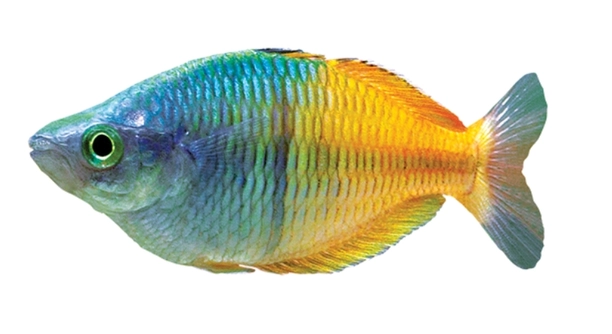
Rainbow fish are beautiful and active creatures, often seen swimming freely in their tanks. However, there are times when they seem to rest on filter pipes, which may raise some concerns among their owners.
Rainbow fish sometimes rest on filter pipes due to their need for rest and to regulate their oxygen intake. The water movement from the filter can also provide a stable spot for them to maintain balance or reduce stress.
Understanding why your rainbow fish rest on filter pipes can help you create a more comfortable and healthy environment for them.
Why Do Rainbow Fish Rest on Filter Pipes?
Rainbow fish are active swimmers, but they occasionally rest on filter pipes. This behavior is not unusual, and it may seem odd at first. Fish have different ways of resting compared to land animals. They need spots in the tank where they can stay still and conserve energy. Resting on a filter pipe provides them with a stable, secure surface, offering a reprieve from constant swimming. Additionally, the water flow from the filter can be soothing, especially for species that prefer steady water movement. If your rainbow fish are resting on these pipes, they are simply taking a break, which is normal.
It’s essential to observe if the behavior happens too frequently. While resting on a filter pipe occasionally is typical, constant reliance on it may signal a problem. Fish require proper water quality, and a lack of movement could be a sign that something in the environment isn’t ideal.
Tank conditions, such as water quality, temperature, and filter strength, all affect how your rainbow fish behave. If your water is not circulating properly, the fish may resort to resting more often. It’s a good idea to check if the filter’s flow rate is too strong or weak for your fish. Keep the water clean and stable to maintain a healthy environment for your fish. Proper water changes and tank maintenance go a long way in helping your rainbow fish feel comfortable and active.
When Is It a Concern?
If your fish seem overly reliant on filter pipes, it’s time to assess their habitat. Rainbow fish should not spend most of their time resting in one spot.
Sometimes, excessive resting can be a sign of stress or an underlying health issue. If your rainbow fish are constantly resting on filter pipes, it might be due to poor water quality or a malfunctioning filter. A stagnant tank can cause stress, making the fish seek comfort by staying in one place. On the other hand, if the filter flow is too strong, it can tire them out, forcing them to rest more often. Test your tank’s water conditions to ensure everything is optimal.
Filter Strength and Flow Rate
The strength and flow rate of your tank’s filter can affect how your rainbow fish behave. If the current is too strong, they may avoid swimming and seek a place to rest. Conversely, if it’s too weak, the water circulation might not be sufficient for their needs.
Rainbow fish prefer a gentle to moderate water flow. A filter that creates a strong current might make them feel stressed or fatigued, pushing them to rest more frequently. If your fish spend too much time resting on the filter pipe, consider adjusting the filter’s flow rate. Some filters come with adjustable settings, allowing you to customize the flow. You may also want to add decorations or plants that help break up the current, giving your fish places to hide and rest comfortably. Ensuring a steady, moderate flow can help encourage your fish to swim more.
Fish that spend time resting against filter pipes due to a strong current can suffer from poor health. Prolonged stress from unfavorable tank conditions can lead to weakened immune systems and increased susceptibility to illness. If your rainbow fish seem tired or lethargic, check the filter and adjust it to maintain balance. Overly powerful filters can also create too much turbulence, which disrupts your fish’s ability to swim and breathe efficiently. A stable environment promotes active behavior and overall well-being.
Water Quality and Tank Maintenance
Maintaining clean water is crucial for keeping rainbow fish healthy. Poor water quality is one of the primary reasons they may rest more often. High levels of ammonia, nitrites, or nitrates in the tank can stress fish and cause them to become sluggish.
Regular water changes help maintain water quality and provide a healthier environment for your fish. Test the water periodically to check for toxins and ensure proper levels of pH, hardness, and temperature. Filtration is vital for removing waste and keeping water clear. However, it’s essential to monitor the filter to ensure it’s not overworked or malfunctioning. Even with good filtration, waste can build up quickly, especially in a crowded tank. Regular tank maintenance is key to preventing this. Make sure your filter is working correctly and that the tank is free from debris. Clean water will encourage your rainbow fish to swim freely and rest less.
Water changes should be a routine part of tank care, with 25-30% of the water replaced every 1-2 weeks. Consistent cleaning helps maintain healthy water parameters. In addition, make sure the substrate is kept clean, as leftover food and waste can affect water quality. A stable environment will make your rainbow fish feel more secure, leading to healthier and more active behavior.
Tank Size and Space
Tank size plays a significant role in your rainbow fish’s comfort. If the tank is too small, they might feel cramped and stressed, leading them to rest more often. Adequate space allows them to swim freely and reduces the need to rest on filter pipes.
A larger tank provides room for more swimming and exploring. Rainbow fish are active swimmers, and smaller tanks can feel restrictive. When they don’t have enough space, they might choose a stationary spot like a filter pipe to conserve energy. Ensure your fish have plenty of space to move around. A 30-gallon tank is a good minimum for a small group of rainbow fish.
Fish Health and Diet
A balanced diet is essential for the well-being of your rainbow fish. Poor nutrition can make them weak, leading to less activity and more resting. Ensure you’re feeding a variety of high-quality foods to keep your fish healthy.
Regularly offer a mix of flakes, pellets, and live or frozen foods. Rich in nutrients, a varied diet supports your fish’s energy levels and keeps them active. Avoid overfeeding, as leftover food can pollute the tank and harm the water quality. A healthy, well-fed fish is more likely to explore and swim than rest in one place.
Stress and Environment
Stress is a leading cause of inactivity in fish. Loud noises, rapid temperature fluctuations, or aggressive tankmates can trigger stress in rainbow fish, making them more likely to rest on filter pipes.
Maintaining a calm environment in the tank helps prevent stress. Keep noise levels down, regulate the water temperature, and ensure that your fish aren’t overcrowded. Providing hiding spots with plants or decorations can give them a sense of security. Keeping stress to a minimum ensures that your rainbow fish stay active and healthy.
FAQ
Why do rainbow fish sometimes rest on the bottom of the tank?
Rainbow fish might rest on the bottom of the tank due to several factors, such as water quality, filter strength, or simply needing a break. If the tank’s water quality isn’t ideal, it could cause stress, making the fish seek calmer areas to rest. Also, if the filter’s current is too strong, they might rest at the bottom to escape the flow. Keep the water clean and ensure the tank is properly maintained to avoid these issues.
Can rainbow fish rest on filter pipes for long periods?
Rainbow fish may rest on filter pipes for extended periods if they feel safe or if conditions are not ideal. However, if this behavior becomes frequent, it could be a sign of poor water quality or an issue with the filter’s flow rate. Adjust the tank’s environment to ensure the fish are comfortable, active, and not overly reliant on resting spots like the filter pipes.
Is it normal for rainbow fish to spend time on filter pipes?
Yes, it is normal for rainbow fish to rest on filter pipes occasionally. They may use the pipes as a stable spot, especially if the filter provides a steady current. However, if they are spending too much time there, check the filter strength and the overall tank conditions to ensure your fish aren’t stressed or uncomfortable.
How can I make my rainbow fish more active?
To keep rainbow fish active, make sure the tank has proper water flow and quality. Regularly clean the tank, replace the water, and check the filter’s performance. Offering a varied diet can also keep them energized. Additionally, avoid overcrowding the tank, as too many fish can create stress and lead to less activity.
How do I know if my rainbow fish are stressed?
Stressed rainbow fish might exhibit unusual behavior such as hiding more often, excessive resting, or staying in one spot like the filter pipes. They might also have reduced appetite, erratic swimming, or faded colors. If you notice these signs, check the water quality, temperature, and ensure the tank conditions are ideal. Stress can often be triggered by poor water conditions, aggressive tankmates, or a noisy environment.
Can I adjust the filter flow to help my rainbow fish?
Yes, adjusting the filter flow can help your rainbow fish feel more comfortable. If the water flow is too strong, it could cause stress, making them rest more often. Many filters come with adjustable settings, so reducing the current can help your fish swim more freely and feel less overwhelmed.
How often should I clean my tank for optimal rainbow fish health?
To maintain optimal health for your rainbow fish, clean the tank regularly. A good rule of thumb is to perform a 25-30% water change every 1-2 weeks. Clean the substrate and check the filter to ensure it is not clogged. Regular cleaning helps maintain water quality, which keeps your fish active and healthy.
What type of tank is best for rainbow fish?
Rainbow fish thrive in well-maintained tanks that are at least 30 gallons in size. Larger tanks provide more space for swimming and reduce stress. Make sure the tank is equipped with proper filtration and temperature control. Also, adding plants and hiding spots can create a more natural and secure environment for your fish.
Can poor water quality cause rainbow fish to rest more?
Yes, poor water quality is one of the main reasons rainbow fish may rest more often. Elevated levels of ammonia, nitrites, or nitrates can cause stress, prompting your fish to stay in one place. Regular water testing and maintenance can help prevent these issues and encourage more active behavior in your rainbow fish.
Do rainbow fish need companions, or can they be kept alone?
Rainbow fish are social animals and generally prefer to be kept in groups. They feel safer and more secure in the company of other rainbow fish. Keeping them alone may cause them to become stressed, leading to less activity. If possible, keep them in small schools to ensure they stay healthy and active.
Can temperature fluctuations affect my rainbow fish’s behavior?
Yes, temperature fluctuations can cause stress in rainbow fish. Sudden drops or increases in water temperature can make them feel uncomfortable, leading to less activity or more time resting. Maintain a stable water temperature between 72°F and 79°F (22°C-26°C) to keep your rainbow fish healthy and active.
Should I adjust the lighting in the tank?
Lighting can affect the behavior of rainbow fish. Too much light can stress them, while too little may prevent them from displaying their vibrant colors. A good balance is key. Aim for 10-12 hours of light per day using a gentle light source, and provide shaded areas in the tank with plants or decorations. This will help your fish feel secure and active.
What signs indicate that my rainbow fish might be sick?
Sick rainbow fish may exhibit a range of symptoms, including lethargy, loss of appetite, faded colors, or abnormal swimming behavior. They might also show signs like clamped fins or abnormal gill movement. If you notice these symptoms, it’s important to check the water quality and isolate the fish if necessary.
Final Thoughts
Rainbow fish are generally active and healthy fish, but their tendency to rest on filter pipes can indicate a few different issues. Most commonly, it could be related to the tank environment, such as water quality or temperature. If your fish are spending more time resting than swimming, it’s worth considering whether the current is too strong or if the space is too cramped for them to move freely. These fish need a balance of good water flow, proper tank size, and a comfortable environment to thrive.
To keep rainbow fish active and healthy, maintain a stable tank environment. Regular water changes, proper filtration, and a balanced diet are all key to ensuring your fish feel comfortable and have enough energy to swim. If you notice your fish resting too much, check the water parameters. Ammonia, nitrate, or nitrite imbalances can stress them out, making them less likely to explore the tank. It’s important to also make sure that your fish are not overcrowded and have enough space to swim. These small adjustments can make a big difference in your fish’s behavior and overall health.
Finally, remember that fish behavior is often a reflection of their environment. Rainbow fish are sensitive to changes, so maintaining their tank conditions is essential for keeping them active. By observing their behavior and making minor adjustments to their environment, you can help them stay happy and healthy. If resting on filter pipes becomes a consistent issue, don’t hesitate to assess their living conditions and make the necessary changes to improve their well-being. With the right care, your rainbow fish will continue to thrive and bring vibrant energy to your tank.

Hello,
If you enjoy the content that we create, please consider saying a "Thank You!" by leaving a tip.
Every little bit helps us continue crafting quality advice that supports the health, happiness, and well-being of pets around the world, for pets of all shapes, sizes, and species.
We really appreciate the kindness and support that you show us!