
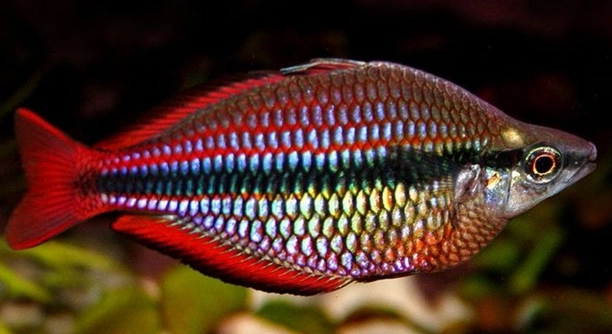
Rainbow fish are colorful and energetic additions to many aquariums. However, they sometimes exhibit an unusual behavior by biting tank plants. Understanding why this happens can help you ensure a healthy and balanced environment for your fish.
Rainbow fish bite plants for various reasons, including their instinct to nibble on algae or to relieve stress. They may also mistake certain plants for food or be exploring their environment, as this behavior is natural to many species.
This behavior can be managed by choosing the right plants and making changes to the tank environment. Continue reading to learn more about what triggers this behavior and how you can prevent it from affecting your aquarium.
Why Rainbow Fish Bite Tank Plants
Rainbow fish often bite plants as part of their natural behavior. They might not always be eating them, but are exploring their surroundings. Fish have a strong instinct to nibble on various objects in their environment, which includes plants. These fish, especially when young, can be very curious. They may also bite plants due to a lack of other things to nibble on, or even to relieve stress. When kept in a tank without enough stimulation, they may resort to biting plants for entertainment or as a coping mechanism.
Providing a variety of tank decor and plants can help alleviate this behavior. Choosing sturdy plants, like anubias or java ferns, that can handle some nibbling is a good start. Also, making sure the fish have enough space to swim and enough hiding spots can reduce stress, lowering the chances of them biting plants. Regular water changes and maintaining a stable environment can help avoid unnecessary stress.
A balanced diet is also key to preventing plant biting. Rainbow fish are known for their varied diet. If they are not getting enough nutrients from their food, they may turn to the plants for additional food sources. Providing high-quality flake or pellet food along with live or frozen options like brine shrimp can keep them well-fed.
Plant-Choosing Tips to Prevent Nibbling
Choosing the right plants for your aquarium can make a huge difference in preventing rainbow fish from biting them. It’s essential to select hardy plants that won’t be destroyed easily.
Hardy plants like anubias or java fern are great for aquariums with rainbow fish. These plants are slow-growing, strong, and can withstand light nibbling without getting damaged. You can also consider adding plants that grow well with some natural wear and tear, such as duckweed or hornwort. These plants help maintain the aesthetic of your tank while still being able to handle some damage from curious fish. However, avoid plants like soft-leaved species that easily break apart under nibbling.
If you want to reduce plant nibbling, you can also introduce other tank decorations, such as rocks, driftwood, and various forms of aquarium moss. This not only provides variety but also gives the fish plenty of areas to explore, reducing their reliance on plants for stimulation.
Why Stress Leads to Plant Biting
Stress is a significant factor that can make rainbow fish more likely to bite plants. When fish feel unsafe or threatened, they may turn to behaviors like nibbling on plants to cope. This can happen if the tank environment is unstable, or if there are too many fish in one space.
Fish may also bite plants as a response to sudden changes in water quality, temperature, or even lighting. It’s essential to maintain a stable environment for them to prevent stress. Regular water changes, proper filtration, and maintaining consistent temperature levels can help create a more peaceful setting. Adding plants that can help absorb excess nutrients may also improve water quality, reducing stress triggers.
Keeping rainbow fish in a tank that mimics their natural habitat will also reduce stress. Including hiding spots, calm areas, and space to swim freely encourages relaxation. The fewer stressors present in the tank, the less likely your rainbow fish will engage in destructive behaviors, such as plant nibbling.
Feeding Habits That Help Prevent Nibbling
Rainbow fish are known for their diverse diet, and feeding them correctly can help reduce plant nibbling. Offering a mix of high-quality flakes, pellets, and live food ensures that their nutritional needs are met and discourages them from seeking other food sources, like plants.
Regular feeding routines can also play a role in reducing plant nibbling. Overfeeding or underfeeding can lead to dissatisfaction and changes in behavior. By feeding your rainbow fish small, controlled portions throughout the day, you can reduce the chances of them turning to plants. It’s important to ensure that the food is specifically designed for their species, as this prevents them from becoming bored and looking for other food sources in the tank.
In addition to food, enriching the tank with natural elements can keep your rainbow fish engaged and prevent them from nibbling on plants. Consider introducing things like live foods or even floating plants they can graze on instead of damaging other plants. This makes the fish feel more naturally fed and prevents destructive behaviors.
Tank Size and Space
Providing enough space for rainbow fish is crucial to keeping them from biting plants. Overcrowded tanks cause stress, which can lead to nibbling behaviors. A spacious tank allows the fish to explore, swim freely, and reduces stress triggers.
A minimum of 30 gallons is recommended for a group of rainbow fish. This gives them room to move without feeling confined. A larger tank also allows for better water circulation and filtration, further contributing to a stable and healthy environment. A well-spaced tank prevents territorial issues and promotes healthier fish behavior overall.
Lighting Considerations
The lighting in your tank can impact your rainbow fish’s behavior. Bright, harsh lighting may make them feel stressed or disoriented, encouraging them to nibble on plants for comfort.
Consider using softer, more natural lighting to create a calming atmosphere. Dimmer lighting, especially during the evening, can reduce anxiety and help your fish relax. Using a timer for consistent light cycles can help simulate day and night, promoting a healthy routine for the fish. If possible, choose lights that mimic the conditions of their natural habitat.
Regular Maintenance
Regular maintenance plays a key role in preventing plant damage. Keeping your tank clean, with appropriate filtration and water changes, reduces the chances of fish turning to plants for food. Clean tanks encourage healthier fish.
Scheduled water changes are essential for keeping toxins at bay and maintaining water quality. Regularly check the condition of your plants, replacing or trimming damaged parts. Proper maintenance ensures that your rainbow fish remain healthy, happy, and less likely to nibble on plants.
FAQ
Why do rainbow fish bite plants?
Rainbow fish bite plants primarily out of curiosity or stress. They might nibble on plants while exploring their tank or due to a lack of other food sources. Stress, overcrowded tanks, and poor water quality can also encourage this behavior. Some rainbow fish species, especially younger ones, may bite plants because they are instinctively inclined to explore their environment with their mouths.
How can I stop my rainbow fish from biting plants?
To stop rainbow fish from biting plants, focus on reducing stress factors. Ensure the tank is not overcrowded, provide a variety of tank decorations, and maintain good water quality. Regular feeding with a balanced diet is essential to keep them from seeking other food sources like plants. Adding plants that are more durable and can handle light nibbling can also reduce damage.
What plants are best for a tank with rainbow fish?
Hardy plants such as Java Fern, Anubias, and Amazon Sword are ideal for a tank with rainbow fish. These plants can withstand some nibbling without being destroyed. Avoid soft-leaved plants, which can easily break apart under nibbling. Sturdy plants with broad leaves are the best choice for a balanced aquarium environment.
Can plant biting harm my rainbow fish?
Plant biting itself doesn’t usually harm rainbow fish, but it can indicate stress or poor tank conditions. If they’re constantly nibbling, it might be a sign that the fish are not receiving adequate nutrition, stimulation, or comfort. It’s important to monitor their behavior and adjust the tank setup as needed.
What type of food should I give my rainbow fish to prevent plant nibbling?
Rainbow fish should be fed a varied diet consisting of high-quality flakes or pellets, as well as live or frozen foods like brine shrimp or bloodworms. Offering a mix ensures they receive all the necessary nutrients. Regular feeding reduces the chances of them seeking alternative food sources, such as plants.
Is it okay if rainbow fish occasionally nibble on plants?
Occasional nibbling on plants is generally harmless, especially if it’s light or sporadic. However, if it becomes a frequent behavior or the plants are being damaged, it’s a good idea to evaluate the tank’s environment. Consider adding more decorations, changing the type of plants, or adjusting the fish’s diet to meet their needs.
How much space do rainbow fish need to prevent plant biting?
Rainbow fish need a minimum of 30 gallons of tank space to thrive. Providing adequate space for swimming and exploring helps reduce stress, which can reduce plant nibbling. A larger tank also promotes better water circulation and helps maintain a stable environment, which is crucial for fish health.
Can too much lighting make rainbow fish bite plants?
Yes, excessive lighting can cause stress in rainbow fish. Bright, harsh lights can make the fish feel exposed or disoriented, prompting them to nibble on plants for comfort. Using softer lighting and adjusting the light cycle can help prevent stress and plant damage.
Are rainbow fish aggressive towards plants or other fish?
Rainbow fish are generally peaceful and not aggressive towards plants or other fish. However, if they feel stressed or confined, they may display some territorial behavior. Providing enough space, hiding spots, and keeping the tank environment stable can help avoid aggression.
Do rainbow fish need to be in groups to stop biting plants?
Yes, rainbow fish prefer to be in groups. Keeping them in schools can reduce stress and prevent plant biting. When kept alone or in small numbers, they may become more anxious and more likely to nibble on plants. A school of 5-6 rainbow fish is typically recommended.
Is it better to use live plants or plastic plants with rainbow fish?
Live plants are generally the better option for a tank with rainbow fish. They provide a more natural environment and help maintain water quality. While plastic plants won’t get eaten, they do not offer the same benefits to water chemistry. If using plastic plants, make sure they are smooth to avoid injury to the fish.
What can I do if my rainbow fish won’t stop nibbling on plants?
If your rainbow fish won’t stop nibbling on plants, try adjusting their environment. Add more tank decorations, provide a varied diet, and ensure the tank isn’t overcrowded. Regular water changes and maintaining a stable environment can help reduce stress, which often causes this behavior. If the issue persists, consider consulting a fish care expert.
Are rainbow fish more likely to bite plants if they are hungry?
Yes, rainbow fish may bite plants if they’re not getting enough to eat. A balanced diet with adequate portions helps prevent this. Make sure to feed them high-quality food and provide a variety of options, including live or frozen foods, to keep them satisfied and prevent them from seeking other food sources.
Final Thoughts
Rainbow fish are beautiful and active aquarium residents, but their tendency to bite plants can sometimes be a concern for aquarium owners. This behavior is often caused by stress, hunger, or a lack of stimulation. Understanding the reasons behind this behavior can help you create a more suitable environment for your fish, reducing the chances of plant damage. Keeping your fish well-fed, providing them with a spacious tank, and maintaining a stable environment are key steps in preventing plant nibbling.
By selecting hardy plants and ensuring your rainbow fish are not stressed or overcrowded, you can minimize the risk of damage. Providing a balanced diet and a variety of foods will also discourage them from seeking out plants as an alternative food source. It’s important to remember that some nibbling is natural for many fish species, and occasional bites may not cause harm. However, if this behavior becomes excessive or leads to plant destruction, it’s time to reassess the tank setup and make necessary adjustments.
In conclusion, while rainbow fish may occasionally nibble on plants, proper care and tank management can significantly reduce this behavior. Monitoring their environment, diet, and overall health is essential for ensuring your rainbow fish stay happy and healthy. With the right care, you can create a thriving aquarium where both your plants and fish can coexist peacefully. By taking the time to understand their needs, you can enjoy the beauty and vitality that rainbow fish bring to your tank without worrying about plant damage.

Hello,
If you enjoy the content that we create, please consider saying a "Thank You!" by leaving a tip.
Every little bit helps us continue crafting quality advice that supports the health, happiness, and well-being of pets around the world, for pets of all shapes, sizes, and species.
We really appreciate the kindness and support that you show us!