
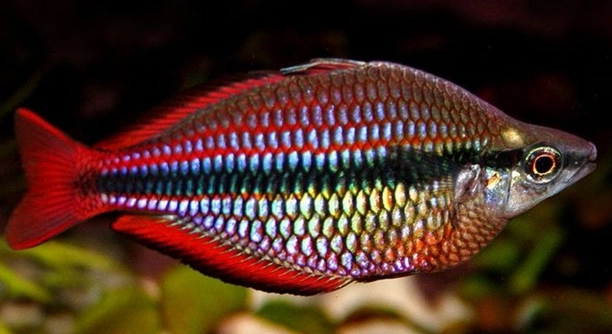
Rainbow fish are known for their vibrant colors and unique swimming behavior. One curious trait is how they seem to “hover” in place within the tank, often leaving us wondering what causes this behavior.
This hovering behavior is typically a result of the fish’s natural swimming technique, where they use their fins to maintain stability and position in the water column. Rainbow fish have specialized muscles that allow them to hover without needing to constantly swim forward.
Understanding why rainbow fish hover will help you care for them more effectively and ensure they thrive in their aquatic environment.
The Natural Instincts of Rainbow Fish
Rainbow fish are known to be excellent swimmers, but their hovering behavior is a result of their unique body structure and instinctual movements. These fish have a streamlined body that helps them maintain balance in the water with little effort. The main reason they hover is their ability to control their buoyancy using their fins. By making small, controlled adjustments, they can stay in one spot for a considerable time. In the wild, this behavior is essential for them to remain still while observing their surroundings or hunting for food. Unlike other fish that constantly swim to stay in motion, rainbow fish have evolved this hovering technique to conserve energy and adapt to their environment.
This behavior is an instinctual part of their daily routine. In a tank, you’ll notice they often hover near plants, decorations, or other structures. Their fins help them maintain position in the water, almost as if they are resting in place.
In captivity, it’s essential to ensure your tank provides enough space and natural elements to support this behavior. Rainbow fish prefer environments that mimic their natural habitat, such as areas with plants and hiding spots where they can hover safely.
Why Hovering Matters for Their Health
Hovering allows rainbow fish to remain stable in the water without wasting energy. This helps them avoid exhaustion and maintain a healthy balance. It’s also crucial for their safety, allowing them to observe predators and interact with other fish.
Understanding how rainbow fish hover can lead to better care for your tank setup. A balanced aquarium environment with proper water flow and plenty of plant coverage supports their natural behavior. When fish can hover comfortably, they are less stressed, healthier, and more likely to thrive in your care.
Tank Environment and Hovering Behavior
A well-maintained tank is key to supporting rainbow fish’s hovering behavior. These fish are more likely to hover comfortably if their environment mimics natural conditions. Providing adequate space and elements like plants or rocks helps maintain their natural swimming posture.
Proper tank setup allows rainbow fish to engage in their natural behavior. Including hiding spots and plant coverage will make them feel secure and encourage hovering. Additionally, water flow is another factor to consider. Too much current can disturb their stability, while gentle movement will let them hover freely without resistance. It’s all about balance.
Maintaining water quality is also essential. Clean, well-filtered water ensures that your fish stay healthy, giving them the energy they need to hover naturally. In a polluted or poorly maintained tank, rainbow fish may become stressed and may stop displaying their typical hovering behavior. A little attention to their habitat can make a significant difference in their comfort and well-being.
Water Temperature and Hovering
Rainbow fish thrive in warm water, and temperature plays a crucial role in their hovering behavior. If the water is too cold, they may become lethargic, reducing their energy levels and making it harder to hover.
Setting your aquarium’s temperature between 75°F and 80°F (24°C to 27°C) will help rainbow fish stay active and comfortable. This ensures they can hover efficiently without using excessive energy. A stable temperature is just as important as warmth. Fluctuating temperatures can stress the fish, disrupting their natural hovering patterns.
Inconsistent water temperature can also lead to health problems, such as reduced immunity or digestive issues. Providing a reliable heater with a thermometer will ensure your fish remain in optimal conditions for hovering and general health. A stable, warm environment lets them display their most natural behaviors.
Tank Size and Fish Behavior
Rainbow fish need space to swim and hover comfortably. A cramped tank can cause stress, disrupting their natural behaviors like hovering. Ensuring your tank is large enough for your fish will give them room to maintain their balance without feeling confined.
A 30-gallon tank is generally recommended for a small group of rainbow fish. This provides ample swimming space, allowing them to hover and explore freely. A larger tank also helps maintain better water quality and temperature stability, both essential for their well-being.
Tankmates and Social Interaction
Rainbow fish are social creatures and prefer to swim in groups. Being around others of their kind encourages natural behaviors, such as hovering and schooling. Tankmates can play a role in their comfort and overall health.
When choosing tankmates, consider peaceful species that won’t stress or disturb the rainbow fish. Aggressive or overly active fish might prevent rainbow fish from relaxing enough to hover. Smaller fish like tetras or livebearers work well in a community tank, promoting a more harmonious environment for hovering.
Feeding and Hovering
Rainbow fish are typically peaceful and can hover while feeding, especially if they are given small amounts of food. This behavior is a sign they are comfortable and confident in their environment.
FAQ
Why do rainbow fish hover in place?
Rainbow fish hover due to their unique fin structure, which allows them to maintain their position in the water without constant swimming. Their pectoral and pelvic fins work together to provide stability, making it possible for them to stay still for extended periods. This ability is an adaptation to their natural environment, where hovering helps them conserve energy and keep an eye on their surroundings.
Is hovering harmful to rainbow fish?
No, hovering is not harmful to rainbow fish. In fact, it is a natural behavior that indicates they are comfortable in their environment. If they are hovering frequently and seem healthy, it’s a sign they are thriving. However, if they are hovering excessively or seem stressed, it may be a sign that something is wrong with their tank conditions, such as poor water quality or inadequate space.
Can poor water quality affect their hovering?
Yes, poor water quality can affect the behavior of rainbow fish, including their hovering. High levels of toxins like ammonia or nitrites, or poor filtration, can cause stress, making it harder for fish to hover. It’s important to keep the water clean and properly filtered to ensure they can maintain natural behaviors, including hovering.
How can I help my rainbow fish hover more comfortably?
To help your rainbow fish hover more comfortably, ensure they have enough space in the tank and maintain proper water parameters. Make sure the water temperature is between 75°F and 80°F, the water is well-filtered, and there are enough plants or structures for them to hover around. A peaceful environment with minimal disturbances from other fish will also encourage this behavior.
Should I add more fish to the tank to encourage hovering?
Adding more rainbow fish can encourage natural schooling behavior, which may promote more comfortable hovering. Rainbow fish are social creatures, and being with others of their species can help them feel secure enough to display natural behaviors like hovering. However, make sure not to overcrowd the tank, as this can lead to stress and disrupt their behavior.
Can rainbow fish hover in a tank with strong water current?
Rainbow fish are not as comfortable hovering in strong water currents. Excessive water movement can disturb their balance and make it harder for them to maintain a stationary position. If your tank has strong water flow, consider adjusting the filter or adding a flow diffuser to reduce the current and provide a calmer environment for your fish.
What’s the ideal tank size for rainbow fish to hover comfortably?
Rainbow fish need ample space to swim and hover. A tank of at least 30 gallons is recommended for a small group of rainbow fish. A larger tank will not only give them more room to swim and hover but also help maintain stable water conditions. A bigger tank is also easier to balance in terms of temperature, filtration, and water quality.
Do rainbow fish hover all the time?
Rainbow fish don’t hover all the time. They typically hover when they are feeling comfortable and secure in their environment. However, they will swim freely when they are actively exploring, feeding, or interacting with tankmates. The amount of time spent hovering depends on their surroundings and their mood.
What are the signs that my rainbow fish are stressed and not hovering naturally?
If your rainbow fish are stressed, they may not hover as much or at all. Other signs of stress include erratic swimming, hiding, loss of color, or clamped fins. If you notice these behaviors, check your water quality, temperature, and the tankmates to ensure that your fish aren’t being disturbed or harmed by environmental factors.
Can rainbow fish hover in a tank with other species?
Yes, rainbow fish can hover in a tank with other species, as long as the tankmates are peaceful and do not disturb them. Avoid keeping them with aggressive fish or species that are too active, as these may cause stress and prevent the rainbow fish from hovering comfortably. Peaceful tankmates like tetras or small catfish are ideal for creating a harmonious environment.
Are there any specific plants or decorations that help rainbow fish hover?
Rainbow fish enjoy tanks with plants and decorations that allow them to navigate and hover easily. Tall plants like java ferns or moss balls provide structure, allowing the fish to hover while feeling secure. Driftwood or rocks can also create natural resting places where they can hover and observe their surroundings. Ensure the decorations don’t block too much of the tank space, as open water is essential for their hovering behavior.
Can rainbow fish hover if the water temperature is too high or too low?
Rainbow fish may struggle to hover if the water temperature is too high or too low. Temperatures that are outside the ideal range of 75°F to 80°F (24°C to 27°C) can stress the fish and reduce their energy levels, making it harder for them to hover. Maintaining a stable, warm water temperature is key to ensuring that they can hover comfortably and stay healthy.
Final Thoughts
Rainbow fish are fascinating creatures, and their ability to hover in place is one of the most intriguing behaviors they exhibit. This natural behavior is a sign of a healthy and secure environment. When rainbow fish hover, it indicates that they feel comfortable and have access to the right conditions, such as proper water temperature, clean water, and enough space to move around freely. Ensuring that their tank meets these needs is essential for encouraging this behavior.
However, hovering should not be the only indicator of your rainbow fish’s well-being. Other factors like their activity levels, feeding habits, and social interactions play a role in their overall health. It’s important to monitor their behavior regularly to ensure they are thriving in your tank. If you notice that they are not hovering as much or displaying other unusual behaviors, it may be time to check the tank’s conditions, such as water quality or the presence of aggressive tankmates.
Creating a peaceful and suitable environment for rainbow fish involves understanding their natural instincts and behaviors. When their habitat supports their needs, you’ll likely see them hover with ease and show other healthy behaviors. By maintaining a stable environment and ensuring they have the right companions, your rainbow fish will enjoy a long and healthy life, full of natural behaviors like hovering.

Hello,
If you enjoy the content that we create, please consider saying a "Thank You!" by leaving a tip.
Every little bit helps us continue crafting quality advice that supports the health, happiness, and well-being of pets around the world, for pets of all shapes, sizes, and species.
We really appreciate the kindness and support that you show us!