
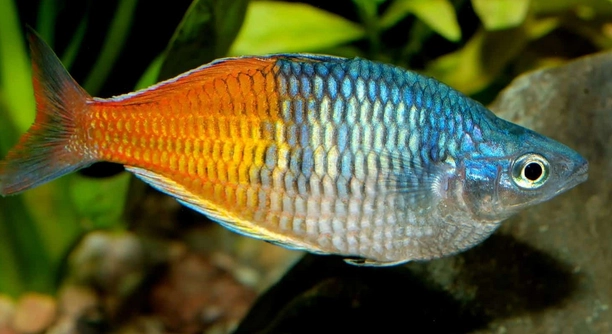
Rainbow fish are known for their vibrant colors and playful nature, but some owners notice that these fish seem to avoid bubbles in their tanks. Understanding why this happens can shed light on their behavior and how we care for them.
The main reason rainbow fish fear the bubbler is due to their sensitivity to rapid water movement. Strong currents and bubbles can be stressful, causing them to seek calmer areas in the tank. Fish like a stable, peaceful environment.
These insights into rainbow fish behavior will help you better understand your fish and provide the ideal environment for them to thrive.
Why Rainbow Fish Are Sensitive to Water Movement
Rainbow fish are naturally drawn to calm, gentle waters in the wild. In their native environments, they typically swim in slow-moving rivers or streams, where the water is not turbulent. This preference for calm water makes sudden changes in water flow, like bubbles or currents from a bubbler, feel alarming and stressful. Even though aquarium bubbler systems are designed to simulate movement, they can be too intense for rainbow fish to feel comfortable.
Too much water movement can disrupt their sense of security, making them feel exposed. This is why many rainbow fish will avoid areas with heavy bubbling, often retreating to corners or spots where the water is less disturbed. Fish like these need an environment that mimics their natural habitat to stay healthy and stress-free.
It’s important to observe your rainbow fish closely. If they are consistently avoiding the bubbler, it could be a sign that the water flow is too strong for them. Adjusting the intensity or placing the bubbler in a less invasive area of the tank can help make them feel more at ease.
How to Create a Peaceful Environment
To ensure your rainbow fish remain comfortable, it’s crucial to manage water flow and minimize stress factors. You can adjust the bubbler’s air pump to a lower setting or reposition the bubbler so the bubbles disperse in less busy areas of the tank.
Additionally, using plants, rocks, or decorations to create sheltered spots can give your fish safe spaces to retreat to when they feel overwhelmed. These natural barriers can also help block the intensity of bubbles, allowing the fish to swim freely in calmer water. By making these changes, you’ll be able to keep your fish happier and healthier, with less chance of them feeling stressed or fearful of the bubbler.
Effects of Strong Water Flow on Fish
Rainbow fish are particularly sensitive to any abrupt changes in water flow. If the water is too turbulent due to a strong bubbler or filter, it can make them feel unsafe. They may exhibit signs of stress, such as hiding more often or avoiding certain areas of the tank.
This stress can lead to physical symptoms over time, including reduced appetite, erratic swimming patterns, and even weakened immune systems. It’s essential to maintain a gentle water flow in their tank to avoid these problems. By keeping the water calm, you help them stay active, healthy, and comfortable in their environment.
In contrast, fish species that are more accustomed to strong currents, like those found in fast-moving rivers, will thrive in more intense water conditions. Rainbow fish, however, need a balance—enough movement to mimic their natural habitat, but not too much that it causes discomfort.
Adjusting the Bubbler for Better Comfort
To adjust the bubbler, you may need to experiment with the air pump’s settings. Start by lowering the intensity and observe your fish’s behavior. If they seem less stressed and swim more freely, you’ve likely found a more suitable setting.
Another effective method is to place the bubbler in a corner of the tank where the current won’t be as pronounced. This will still allow for some water movement without overwhelming the fish. Using plants or decorations near the bubbler can help diffuse the bubbles, reducing their impact on the surrounding water.
These simple adjustments will help create a more peaceful environment where your rainbow fish can swim at ease without the constant stress of strong water flow.
The Role of Tank Size in Water Movement
A larger tank allows for better control of water flow. In a bigger space, bubbles and currents are more likely to disperse and not disturb your fish as much. Smaller tanks can make even the slightest current feel overwhelming for rainbow fish.
In smaller tanks, strong water flow can quickly create turbulence, which is harder for fish to escape. Ensuring there’s enough space for your rainbow fish will help them feel more secure, as they can retreat to quieter areas of the tank. The size of the tank plays a big role in how water movement affects your fish.
The Importance of Tank Decorations
Tank decorations can create sheltered spots for your rainbow fish to find refuge. Rocks, plants, and driftwood act as natural barriers that reduce the intensity of water movement. These additions give your fish places to hide when they need a break from the bubbles or currents.
FAQ
Why do rainbow fish seem to fear the bubbler?
Rainbow fish are sensitive to rapid water movement. In their natural habitats, they live in calm waters, so sudden changes in water flow, like those caused by a bubbler, can cause them stress. When faced with strong currents or bubbles, they may swim away or avoid certain areas to feel more secure.
How can I tell if my rainbow fish is stressed by the bubbler?
Signs of stress in rainbow fish include erratic swimming, hiding, or staying near the tank’s corners. They may also stop eating or seem more inactive. If your rainbow fish avoids the area with the bubbler or appears to be constantly struggling against the current, it’s a clear sign the water movement is too much for them.
Can too much water movement make my rainbow fish sick?
Yes, if the water movement is too intense for extended periods, it can weaken your rainbow fish’s immune system. Constant stress from strong currents can make them more susceptible to diseases. It’s important to create a peaceful environment so that your fish can thrive without the added pressure of turbulent water.
Can I reduce the bubbler’s intensity to help my fish?
Yes, lowering the intensity of the bubbler can make a big difference. If the air pump is too strong, adjusting it to a lower setting may reduce the amount of water movement and create a more comfortable environment for your rainbow fish. This helps mimic the calmer conditions they are used to in the wild.
Where should I place the bubbler in the tank?
Placing the bubbler in a corner of the tank, where the water flow won’t disrupt the entire area, is a good idea. This will help ensure that the bubbles don’t create a strong current in the tank, allowing your fish to avoid it. Consider positioning decorations or plants around the bubbler to help diffuse the bubbles further.
How can I create a calm environment for my rainbow fish?
To create a calm environment, minimize strong currents by adjusting the bubbler and filter settings. You can also add plants, rocks, or other decorations to break up water flow and create sheltered areas where your fish can feel safe. A calm environment will help reduce stress and improve your fish’s well-being.
Do rainbow fish like plant-covered tanks?
Yes, rainbow fish enjoy tanks with plants and decorations. These elements provide them with natural hiding spots and break up strong water movement, which can make the fish feel safer and less stressed. Plants also help maintain the water quality and can contribute to a healthier tank overall.
What size tank is ideal for rainbow fish?
Rainbow fish do best in tanks that are at least 30 gallons or larger. A larger tank offers enough space for them to swim freely and reduces the chances of strong water movement affecting them. Smaller tanks can quickly become cramped and more prone to turbulence from bubblers or filters.
Is a filter necessary in a rainbow fish tank?
A filter is essential for maintaining water quality in any aquarium, including those with rainbow fish. It helps keep the water clean by removing debris and toxins. However, make sure the filter’s flow isn’t too strong. A gentle filter will ensure that your fish have clean water without the added stress of a powerful current.
Can rainbow fish live in tanks with other species?
Rainbow fish are generally peaceful and can coexist with other fish species that are not overly aggressive. However, it’s important to avoid fish that prefer strong currents, as this can stress your rainbow fish out. Make sure the tank mates are compatible with your rainbow fish’s needs for calm water.
How do I know if my rainbow fish is happy?
A happy rainbow fish will swim freely, interact with other fish, and explore the tank. They should have a healthy appetite and swim actively throughout the tank. If they appear sluggish, hide frequently, or stop eating, it may indicate stress or illness. Healthy rainbow fish typically have bright, vibrant colors and show normal swimming behavior.
Can water temperature affect rainbow fish behavior?
Yes, water temperature plays a significant role in the behavior and health of rainbow fish. These fish thrive in water temperatures between 72°F and 78°F (22°C – 25°C). If the water is too cold or too warm, it can cause stress and make them less active. Maintaining a stable temperature is key to their well-being.
Should I keep rainbow fish in a group?
Rainbow fish are social creatures, and they prefer being in groups. Keeping them in schools of at least five or more will help them feel secure and reduce stress. A group allows them to interact and behave naturally, which promotes better health and happiness in the tank.
Are rainbow fish suitable for beginners?
Yes, rainbow fish are a good choice for beginner aquarium owners. They are relatively hardy and easy to care for, as long as their tank conditions are appropriate. Ensuring proper water quality, temperature, and space will help them thrive, even for those new to fishkeeping.
What other factors can cause stress in rainbow fish?
Besides strong water movement, rainbow fish can also become stressed due to poor water quality, overcrowding, improper tank mates, or sudden changes in their environment. Maintaining a stable, clean tank with appropriate conditions is crucial for keeping them healthy and stress-free.
How can I improve water quality for rainbow fish?
Regular water changes, using a good filter, and testing water parameters like pH, ammonia, nitrite, and nitrate levels are essential for maintaining good water quality. Keeping these parameters in the ideal range will ensure that your rainbow fish stay healthy and avoid stress caused by poor water conditions.
Final Thoughts
Rainbow fish are beautiful, vibrant creatures that can make a wonderful addition to any aquarium. However, understanding their natural behavior and the environment they thrive in is essential to keeping them healthy and happy. One of the key aspects to consider is the water movement in their tank. These fish are naturally drawn to calm, slow-moving waters, so strong currents created by bubblers or filters can cause them stress. If your rainbow fish are avoiding the bubbler or showing signs of stress, it’s likely due to the current being too strong for them.
Adjusting the water flow in your tank can make a significant difference. Lowering the intensity of the bubbler or repositioning it to a corner of the tank can create a calmer environment for your fish. Adding decorations, such as plants and rocks, can also help diffuse the current and provide shelter for your fish. These changes will not only make your rainbow fish feel more comfortable but also reduce the chances of stress-related health issues. Remember, the goal is to mimic their natural environment as closely as possible, ensuring they feel safe and secure.
Creating the right environment for your rainbow fish is a continuous process of observation and adjustment. Pay attention to how they respond to changes in water flow and tank conditions. By keeping their environment stable and comfortable, you’ll encourage their well-being and allow them to thrive. Whether you’re adjusting the bubbler, changing tank decorations, or making sure the water temperature and quality are optimal, small adjustments can make a big difference in your fish’s happiness and health. With the right care, your rainbow fish can enjoy a long, healthy life in your tank.

Hello,
If you enjoy the content that we create, please consider saying a "Thank You!" by leaving a tip.
Every little bit helps us continue crafting quality advice that supports the health, happiness, and well-being of pets around the world, for pets of all shapes, sizes, and species.
We really appreciate the kindness and support that you show us!