
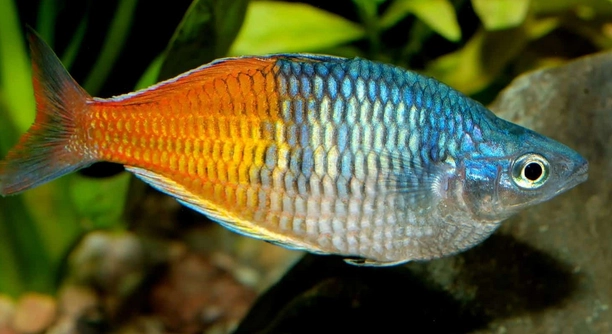
Rainbow fish are fascinating creatures, known for their bright colors and lively behavior. However, on rainy days, you might notice they seem less active than usual. This change in behavior can be puzzling, but there’s a reason behind it.
The primary reason rainbow fish appear less active on rainy days is due to changes in water conditions. Rainfall affects factors such as water temperature, oxygen levels, and water flow, which can influence the fish’s activity and behavior.
Understanding how rainfall impacts your fish’s environment can help you create the best habitat for them. Factors like water temperature and oxygenation will be explored further, giving you insights into keeping your rainbow fish comfortable.
How Rainfall Affects Water Temperature
When it rains, the temperature of the water in your aquarium can change. Rainwater tends to be cooler than the water inside your tank, so it can slightly drop the overall temperature. This drop may not be huge, but it can make your rainbow fish feel sluggish or less active. Fish, like many animals, rely on a stable temperature to stay active and healthy. If the water becomes too cold, they may retreat to calmer areas or rest more than usual.
Even small changes in temperature can impact fish behavior. The cooler water might make the rainbow fish less likely to swim around or explore the tank. If you notice a drop in activity during rainy weather, it’s likely due to these slight changes in water temperature, which can cause your fish to slow down.
In nature, rain can bring sudden changes to the environment, and aquarium fish can feel these shifts too. While they may not show obvious signs of stress, the drop in temperature is enough to make them less energetic. Over time, consistent temperature changes can affect their overall health.
Oxygen Levels During Rain
Rain can also affect the oxygen levels in the water. When rainwater mixes with the tank water, it can introduce more oxygen, but this effect might be short-lived. Rainbow fish rely on adequate oxygen to stay active, and if the oxygen level is too low, they may swim less or hide. It’s essential to monitor oxygen levels and ensure your aquarium’s filtration system works properly, even on rainy days.
On days with heavy rainfall, fish may spend more time near the surface or in areas where the water movement is gentler. This is a natural response to changes in oxygen levels. However, it’s important not to assume that rainwater always brings in enough oxygen to keep your fish active. If you’re concerned about oxygen levels, adding an air pump can help.
Changes in Water Flow
Rain can change the flow of water in your tank. If you have an aquarium setup that mimics natural water conditions, the introduction of rainwater can lead to shifts in how water moves. Your fish might not be as active when these changes occur.
Changes in water flow can confuse fish, especially if it’s different from what they’re used to. For rainbow fish, which enjoy swimming in steady currents, a sudden change in water flow can make them less active. It may be harder for them to find their rhythm when the flow isn’t consistent. They might retreat to corners or areas with calmer waters until things stabilize.
If your aquarium has a filter or water pump, check if they are working properly during rainy weather. Ensure that the water flow isn’t too strong or weak. Maintaining the right water flow is crucial for keeping your fish comfortable and active.
Lighting and Rainy Days
Cloud cover and the dimmer light during rainy days can affect how your rainbow fish behave. Since these fish are used to natural daylight patterns, any change in lighting can influence their activity.
Rainbow fish are sensitive to light, and on overcast days, the lack of bright sunlight may make them less active. They may spend more time near the bottom of the tank or in hiding spots. Fish rely on a regular light schedule to maintain a sense of day and night. When light levels drop unexpectedly, it can disrupt their usual routine and cause them to slow down.
To keep them comfortable during these changes, try to maintain consistent lighting in your aquarium. If possible, use a light timer to help regulate the light cycle, which will give your fish the best chance to stay active despite rainy weather.
Stress from Environmental Changes
Rainbow fish can become stressed during sudden environmental changes, such as shifts in temperature, oxygen levels, or water flow caused by rain. Stress can make them less active or cause them to hide more than usual.
Even if these changes are small, fish can sense them and respond by reducing their activity. Rainbow fish are sensitive to their surroundings, and any disruption to their normal habitat, like changes brought by rain, can create stress. Stress can weaken their immune system over time and affect their overall health.
Natural Behavior Patterns
During rainy weather, fish often reduce their activity as part of their natural behavior. In the wild, rain can signal a change in the environment, and fish may adjust accordingly.
In an aquarium, your rainbow fish may respond similarly by slowing down and resting more. This is a natural instinct, as fish often take shelter during rainfall in the wild to avoid predators or changes in water conditions. The instinct to slow down can kick in even in a controlled tank environment.
Rain and Tank Maintenance
Rain can also affect the water quality in your aquarium. If you’re using tap water for water changes, the increased rainwater runoff may introduce impurities into your tank.
Be mindful of water changes after heavy rainfall, especially if you’re in an area where the water quality fluctuates due to weather. Monitoring water parameters, like pH and nitrate levels, can help maintain a stable environment for your fish. Rain might bring in fresh water, but it could also carry contaminants that affect your fish’s health.
FAQ
Why do rainbow fish become less active on rainy days?
Rainbow fish tend to become less active on rainy days due to changes in water conditions, such as temperature, oxygen levels, and water flow. Rain can cause the temperature to drop, and if the water gets too cold, the fish will slow down. Additionally, changes in water flow or oxygenation can make the fish less inclined to swim or explore. Fish, like rainbow fish, are sensitive to their environment, and sudden shifts can make them feel less energetic. It’s a natural response to environmental stressors, and often they will return to normal activity when conditions stabilize.
Can I prevent my rainbow fish from becoming less active during rain?
While you can’t completely control weather conditions, there are steps you can take to ensure your fish remain comfortable. Keeping the water temperature stable is key, so using a heater or adjusting the temperature of the water can help. Additionally, maintaining proper water flow through your filter or pump ensures a consistent environment. If you’re worried about oxygen levels, adding an air pump or adjusting the filter can help provide adequate oxygen for the fish, which may keep them more active during rainy periods. Monitoring water quality is also essential to ensure the fish don’t experience stress due to poor water conditions.
Should I be worried if my rainbow fish stay still for long periods?
It’s common for rainbow fish to stay still or rest more during rainy weather, but if it becomes a frequent or prolonged behavior, it could be a sign of stress. If your fish remain still for too long or appear lethargic even when the weather improves, it might be worth investigating further. Check the water quality, temperature, and oxygen levels to ensure there are no issues with the tank’s environment. Prolonged inactivity could also indicate that your fish are not feeling well, so if the behavior persists, consulting with an aquarium specialist might be a good idea.
How can I tell if the rain has affected my rainbow fish’s health?
If your rainbow fish are sluggish or inactive during rainy days, they might just be responding to temporary changes in their environment. However, if they seem unresponsive, are spending more time near the surface, or are showing signs of abnormal behavior, it could indicate a health issue. Watch for signs such as discoloration, rapid breathing, or loss of appetite, which might suggest that something more serious is affecting the fish. If you notice these signs, check water parameters like pH, ammonia levels, and temperature. It’s also important to monitor the general behavior of the fish for any signs of illness.
Is it safe to add new fish to my tank during rainy weather?
While it is generally safe to add new fish to your tank during rainy weather, it’s important to ensure that the tank conditions are stable before introducing newcomers. Rain can cause slight fluctuations in temperature and water flow, which may add stress to new fish as they adjust. It’s a good idea to wait until the water has stabilized and the rainbow fish are showing normal behavior again. Introducing new fish during periods of stability will reduce stress for both the new arrivals and the existing fish.
Can I use rainwater in my aquarium?
Using rainwater in your aquarium can be beneficial, but it requires careful monitoring. Rainwater can have a lower pH and may contain pollutants or contaminants, depending on where you live. If you want to use rainwater, make sure it is filtered and tested before adding it to your tank. It’s important to ensure that the water’s temperature and oxygen levels are appropriate for your fish. Many aquarium owners prefer using rainwater for water changes in areas with clean air, but caution is necessary to avoid introducing harmful substances that could affect your rainbow fish.
What can I do to keep my rainbow fish active during rainy weather?
To keep your rainbow fish active during rainy weather, maintaining a stable tank environment is essential. Ensure that the water temperature remains consistent, as temperature fluctuations can cause inactivity. Adding an air pump or adjusting your filter can help maintain proper oxygen levels. If the rain brings in cooler water, you can increase the temperature slightly using a reliable aquarium heater. Providing hiding spots in the tank can also make your fish feel secure and help reduce stress. Keeping the lighting consistent, using a timer for the aquarium light, can help signal to the fish that it’s still “daytime” even on cloudy or rainy days.
Are rainbow fish more sensitive to rain than other types of fish?
Rainbow fish are not necessarily more sensitive to rain than other species, but they are more sensitive to environmental changes. Many freshwater fish are affected by fluctuations in temperature, oxygen, and water flow, which can occur during rainy weather. However, rainbow fish are often kept in tanks with more controlled environments, which can make them more noticeable when changes happen. Keeping their tank stable and ensuring they have a consistent environment will help minimize the effects of weather changes on their behavior.
Can rain affect the breeding behavior of rainbow fish?
Rain can sometimes influence the breeding behavior of rainbow fish. In their natural environment, rain can signal the start of the breeding season, as it often brings about changes in water conditions such as temperature and flow. While this doesn’t always apply to aquarium settings, the rain’s influence on water temperature and flow might encourage rainbow fish to breed if conditions are right. If you’re hoping for breeding in your tank, make sure that the water quality is optimal and the fish feel comfortable with their environment. Adjusting the water temperature and creating a calm, stable environment can also help stimulate breeding behavior.
Final Thoughts
Rainbow fish are beautiful and active creatures, but their behavior can change depending on various environmental factors. One of the key influences on their activity is the weather, particularly rainy days. As rain affects the water temperature, oxygen levels, and water flow, these changes can make rainbow fish less active than usual. While this is a natural response, it’s important to understand why it happens and how to help keep your fish comfortable. By maintaining a stable environment, you can ensure that your fish remain healthy and active, even when the weather shifts.
There are several ways you can make your rainbow fish feel more comfortable during rainy weather. Keeping the water temperature steady with a heater is crucial, as sudden drops can make fish feel sluggish. Regularly checking your tank’s oxygen levels and water flow will also help ensure that the conditions stay right for your fish. If necessary, adjusting the filter or adding an air pump can keep the oxygen levels consistent. Additionally, using a light timer to control the lighting schedule can help prevent confusion for your fish, as changes in light levels can affect their activity. By paying attention to these factors, you can minimize any stress caused by rainy weather.
Ultimately, rainbow fish are resilient, and their behavior will often return to normal once the environmental factors stabilize. However, it’s essential to be proactive in monitoring their conditions to ensure they don’t become stressed or unwell. Understanding how rain affects their environment can help you make the necessary adjustments, so they stay healthy. Keep in mind that fish, like all pets, require care and attention to maintain their well-being, and even small changes in the environment can have an impact. By creating a stable, supportive environment, you’ll be able to enjoy watching your rainbow fish thrive, rain or shine.

Hello,
If you enjoy the content that we create, please consider saying a "Thank You!" by leaving a tip.
Every little bit helps us continue crafting quality advice that supports the health, happiness, and well-being of pets around the world, for pets of all shapes, sizes, and species.
We really appreciate the kindness and support that you show us!