
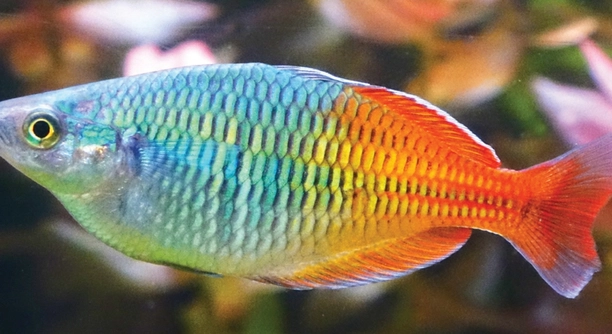
Rainbow fish are known for their vibrant colors and lively behavior, but what happens when they refuse to sleep at night? Their sleeping patterns can sometimes seem puzzling. This article will explore why this occurs and what it means.
Rainbow fish tend to refuse sleep at night because they are naturally nocturnal or have adapted to specific environmental factors. Their behavior may also be influenced by the conditions in their habitat, including water temperature, lighting, and tank environment.
Understanding their natural instincts and the factors affecting them can help provide insight into their nocturnal tendencies. It’s important to look at how these factors may affect your fish’s overall health and well-being.
Why Do Rainbow Fish Stay Active at Night?
Rainbow fish are generally more active during the night than during the day. In the wild, they often swim and hunt in low-light conditions, which is part of their natural behavior. In an aquarium, this could mean they stay awake longer, especially if the lighting isn’t adjusted properly. Fish are creatures of habit, and their sleep patterns reflect their environment and natural instincts. It’s also important to note that some species of rainbow fish are naturally more active at night due to the ecosystem they come from, where it’s darker and quieter.
Changing their sleep patterns could indicate something is off with their surroundings. If you notice that your rainbow fish are more active at night, it could be due to lighting, water quality, or temperature changes. It’s key to create a balance in their habitat to help them feel at ease.
Rainbow fish can be sensitive to changes in their environment, especially when it comes to artificial lighting. If the lights in your tank stay on for too long, it can disrupt their natural circadian rhythm, causing them to stay awake. Adding a timer to control the lights is a simple way to avoid overstimulation. Additionally, if the water temperature is too warm, they may feel more active during the night, as warmer temperatures increase metabolic rates. Adjusting these factors will help provide the rainbow fish with the rest they need.
Adjusting Light and Temperature
Setting the right light schedule is crucial for rainbow fish. Try turning off the aquarium lights for a few hours every night to simulate natural conditions. This helps regulate their internal clock.
Maintaining a stable water temperature between 72-78°F (22-26°C) also plays a big role in their sleep patterns. Temperature fluctuations can lead to more restlessness.
Tank Environment and Space
Crowded tanks can stress rainbow fish out, leading to disrupted sleep patterns. If there’s not enough space to swim freely, they may stay active for longer periods, even during the night. Overcrowding can cause anxiety, making it harder for them to settle down.
The layout of your tank can also impact their rest. Rainbow fish need room to explore and swim freely. If the tank is too cramped or there are too many decorations blocking their paths, it can stress them out. Consider adding plants or hiding spots to create a more comfortable environment, allowing them to feel secure. A well-structured tank can help them rest during the night.
Adding sufficient filtration and ensuring clean water can improve their overall well-being. Stagnant water or poor filtration may make them restless and active for longer hours, especially at night. Regular water changes and good filtration will help maintain a healthy environment that encourages peaceful rest for your rainbow fish.
Diet and Feeding Schedules
Overfeeding or irregular feeding schedules can impact sleep. If you feed your fish too close to bedtime, they may remain active due to a full stomach. Try to feed them earlier in the day to prevent this.
Rainbow fish thrive on a balanced diet that is given at the right times. It’s essential to stick to a consistent feeding schedule. Overfeeding not only affects their rest but can also lead to health issues, like poor water quality, which further disrupts their sleep. By feeding them smaller portions at regular intervals, you’ll support their natural sleep cycle and promote better overall health.
Stress and Anxiety
Stress can prevent rainbow fish from settling down at night. Changes in their environment, like new tank mates or loud noises, can cause anxiety. Fish that feel threatened often remain active to keep themselves safe.
If your rainbow fish are experiencing stress, their activity levels will increase, especially at night when they feel most vulnerable. Small adjustments, like reducing noise around the tank or offering hiding spots, can help them feel more secure. Creating a calm environment will encourage them to rest during the nighttime. Reducing stress is key to managing their sleep patterns.
Tank Mates
Rainbow fish may also be affected by the presence of aggressive tank mates. If they are constantly chased or intimidated by other fish, it can keep them active and prevent sleep.
Consider the temperament of the other fish in the tank. Choosing peaceful tank mates will help reduce unnecessary stress. If you notice that certain fish are bothering the rainbow fish, try rearranging the tank or separating them. A peaceful community tank is essential for their rest.
Light Sensitivity
Rainbow fish can be sensitive to sudden light changes. If the lighting in the tank is too bright or inconsistent, it can disturb their natural sleeping patterns. It’s best to use low, gentle lighting during the night.
Gradually adjusting the light intensity will help acclimate them to a more stable routine. Avoid abrupt changes in lighting, as this can lead to confusion and cause your rainbow fish to remain active longer than usual. A consistent, dim light cycle is ideal for their rest.
FAQ
Why do my rainbow fish stay active at night?
Rainbow fish tend to stay active at night due to their natural behavior. Many species of rainbow fish are nocturnal, meaning they are more active during low-light hours. If their tank’s light cycle is not properly regulated or if the environment is too stimulating, they may continue swimming throughout the night. It’s important to mimic natural conditions by adjusting the lighting and creating a calm atmosphere in the tank. Environmental stressors like poor water quality or overcrowding can also make them more restless at night.
How can I help my rainbow fish sleep better?
To help rainbow fish sleep better, it’s important to maintain a stable environment. First, regulate the lighting by using a timer to ensure that the tank lights are off for a set period, mimicking a natural day-night cycle. Next, make sure the water temperature is within the recommended range for the species you own, as fluctuating temperatures can disrupt their sleep. Additionally, reduce any sources of stress by keeping the tank calm, ensuring there are no aggressive tank mates, and providing plenty of hiding spots or plants for them to retreat to.
Do rainbow fish need a dark tank to sleep?
Rainbow fish do not need complete darkness, but they do require low light conditions to rest properly. Bright lighting, especially at night, can disrupt their natural sleep cycle. A dim light or no light at all during the night is ideal for most species. You can use a low-intensity aquarium light or have the lights off entirely, depending on the fish’s needs. Ensuring that the tank has a consistent light schedule will help your rainbow fish follow a more natural rhythm.
Is it normal for rainbow fish to sleep during the day?
Yes, it is normal for rainbow fish to sleep during the day, especially if they are nocturnal by nature. Many species of rainbow fish are more active at night, and during the day, they may seek shelter or rest in calm areas of the tank. They tend to sleep in a way that is similar to other fish species, often hiding among plants or decor when they are not active. However, if they are constantly lethargic during the day and not swimming around, this may signal an underlying health issue.
How can I reduce stress for my rainbow fish?
Stress can affect the sleep and overall well-being of rainbow fish. To reduce stress, start by ensuring that your fish have plenty of space to swim freely. Overcrowding the tank can make them feel threatened. Keep water quality high by performing regular water changes and maintaining proper filtration. Avoid sudden changes in their environment, including fluctuating water temperatures or light conditions. Also, be mindful of their tank mates; avoid placing aggressive or territorial fish with rainbow fish to prevent unnecessary stress.
What should I do if my rainbow fish are always swimming around at night?
If your rainbow fish are consistently swimming around at night, check their tank environment. The lighting may be too bright or remain on for too long, disturbing their natural sleep cycle. It’s a good idea to install a timer for the lights so that they are on for only 10-12 hours during the day. Additionally, assess water temperature and quality, as warm or poor water conditions can make them more active. Consider providing hiding spots in the tank where they can rest safely and feel secure.
Can I add plants to my tank to help my rainbow fish sleep?
Yes, adding plants can help create a more natural and calming environment for rainbow fish. Plants offer hiding spots where they can retreat during periods of rest, and they also help improve water quality by absorbing excess nutrients. The plants provide both physical security and an area for the fish to feel less exposed, reducing overall stress. Additionally, plants can mimic the natural habitats of rainbow fish, which are often found in densely vegetated areas in the wild.
Do rainbow fish sleep on the bottom of the tank?
Rainbow fish can sometimes sleep near the bottom of the tank, especially if they feel secure there. However, they may also rest in the middle or top layers of the tank, depending on the species. When they are at rest, they may stay still or find a secluded spot among plants or decorations. It’s normal for them to rest in different areas of the tank, as long as they are not showing signs of distress or illness, such as staying motionless for long periods or swimming in erratic patterns.
How long do rainbow fish sleep each night?
Rainbow fish sleep for varying lengths of time depending on their species and environmental conditions. On average, they may sleep anywhere from 8 to 12 hours a night. Their sleep cycles are often aligned with the light and dark cycles in their environment. If the lighting is consistent, rainbow fish will typically rest when the lights are off and become more active when the lights come on. The amount of rest they need also depends on their age, health, and activity level during the day.
Are rainbow fish active during the day?
Rainbow fish are usually more active during dawn and dusk, especially in the wild, where they feed during these times. In captivity, they may still show bursts of activity during the day, but they are often less active than at night. Many species of rainbow fish have adapted to being more active when it’s darker and quieter, so they may spend most of the daytime resting or swimming slowly around the tank. However, if your rainbow fish are unusually sluggish during the day, this could indicate an issue with their health or environment.
Final Thoughts
Rainbow fish are fascinating creatures, but understanding their sleep patterns can sometimes be tricky. They have natural instincts that drive them to stay more active at night, often because they are nocturnal by nature. This behavior is influenced by various factors like lighting, water temperature, and tank conditions. Ensuring that their environment mimics their natural habitat as closely as possible can help regulate their sleep cycle. When their surroundings are stable and comfortable, rainbow fish are more likely to follow a healthy sleep pattern.
A few adjustments in their care routine can go a long way in helping rainbow fish get the rest they need. Maintaining a consistent light schedule is one of the simplest but most effective ways to ensure they follow their natural rhythm. Using a timer for the tank lights to create a day-night cycle and keeping the lighting dim at night can encourage better rest. In addition, providing plenty of hiding spots and reducing stress in the tank will give your rainbow fish a safe space where they can retreat and sleep peacefully. All these factors contribute to a balanced environment that supports their well-being.
Remember, while rainbow fish may naturally resist sleep at night, creating the right conditions will help them thrive. Monitor their water quality, temperature, and stress levels to ensure they’re in the best possible environment. If you continue to notice irregular sleep patterns, it may be helpful to reassess their tank setup or check for underlying health issues. By being mindful of these factors, you’ll not only encourage healthy sleep habits but also promote a happy and thriving aquarium for your rainbow fish.

Hello,
If you enjoy the content that we create, please consider saying a "Thank You!" by leaving a tip.
Every little bit helps us continue crafting quality advice that supports the health, happiness, and well-being of pets around the world, for pets of all shapes, sizes, and species.
We really appreciate the kindness and support that you show us!