
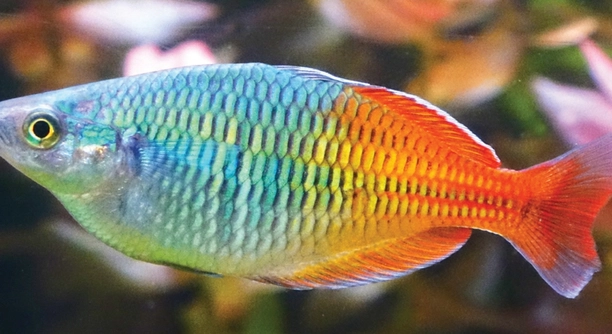
Do you ever find yourself watching your rainbow fish and noticing they always seem to favor one side of the tank? Their behavior can seem puzzling at first, but it often has a simple explanation rooted in their environment.
Rainbow fish typically prefer one side of the tank due to factors like lighting, water flow, temperature differences, and available shelter. Variations in these environmental elements create areas where the fish feel more comfortable, secure, and less stressed.
Understanding the reasons behind this preference can help you create a healthier, more balanced environment for your colorful companions.
Common Reasons Rainbow Fish Favor One Side
Rainbow fish are sensitive to their environment, and even small changes can influence their behavior. Light intensity often varies across the tank, making one side feel safer or more familiar. Warmer water near a heater or cooler spots near a filter can also make one side more comfortable. Water flow plays a big role too; if one side has stronger currents, your rainbow fish might seek out the calmer side. Decorations, plants, and hiding spots naturally draw fish toward one area, giving them a place to feel secure. Stress from overcrowding or other fish interactions may also push them to pick a side where they feel less threatened. Observing these factors can help explain why your rainbow fish act the way they do without needing to make big changes to your tank.
Small environmental changes often lead to big differences in behavior, especially when it comes to your rainbow fish feeling comfortable and safe.
Even the smallest detail can make one side of the tank feel more inviting. Paying attention to lighting, water temperature, and tank decorations can help balance their environment and encourage even swimming throughout the tank.
How to Help Your Rainbow Fish Use the Entire Tank
Creating a balanced environment helps rainbow fish feel comfortable exploring the entire tank rather than sticking to one side.
Start by adjusting your tank’s lighting. Make sure it is evenly distributed so no side is too bright or too dark. Check the water flow by observing how objects move in the tank. If one side has stronger currents, consider repositioning the filter or adding plants to buffer the flow. Keeping the tank temperature stable throughout also encourages rainbow fish to move freely. Adding more hiding spots like plants or small caves can make the whole tank feel safer. Avoid overcrowding the tank, as too many fish can create stress and territorial behavior. Regularly monitor water parameters to ensure optimal conditions, and rearrange decorations occasionally to keep their environment engaging. These small adjustments help your rainbow fish feel at ease across the entire tank, supporting their natural behaviors and making their colors shine even brighter.
Environmental Factors That Influence Behavior
Lighting, water flow, and temperature can easily cause your rainbow fish to favor one side of the tank. A strong current or an uneven light source makes one area feel safer or calmer, guiding their natural movement patterns without you even realizing it.
If one side of the tank gets more natural light during the day, your rainbow fish might find it either too bright or just right, depending on their comfort. Strong water flow from a filter can also push them toward calmer areas where swimming is easier. Heating elements can create warmer spots that attract them, especially if temperatures vary across the tank. Even the colors of the decorations or tank background can subtly influence their preference. Understanding these details helps create a tank environment that feels consistent, encouraging your rainbow fish to swim throughout the space rather than staying in one small section.
Stress can also cause your rainbow fish to stick to one side. Overcrowding, aggressive tank mates, or sudden changes in water quality all create an environment where fish retreat to a spot that feels safer. Keeping water conditions stable, choosing compatible tank mates, and maintaining a calm environment can ease their stress. Avoid making big changes all at once, as even simple adjustments can feel overwhelming for sensitive fish. Gradual improvements are better for helping them adjust. Paying close attention to their behavior gives you early clues about what might be causing discomfort. These small shifts in their comfort levels can strongly impact their movement and overall happiness in the tank.
Behavioral Patterns to Watch For
If your rainbow fish swim rapidly back and forth on one side or hover in one area without exploring, it could point to an environmental imbalance. Some behaviors, like hiding more than usual, signal that something needs to be adjusted in the tank setup.
Constant hovering near a heater or filter might mean your rainbow fish are seeking a more comfortable temperature or calmer water. Watch how they interact with each other too. Aggressive behavior can drive more timid fish into smaller areas, while friendly schooling should show even movement across the tank. If their colors become duller while sticking to one side, it may also suggest stress or discomfort. Over time, these small signs can turn into bigger health problems if left unaddressed. Providing balanced water conditions, offering plenty of hiding spaces, and reducing stress factors support healthier behaviors and encourage full-tank exploration, helping your rainbow fish live more comfortably.
Simple Changes You Can Make
Start by adjusting the placement of your decorations and plants. Spreading them evenly throughout the tank can encourage your rainbow fish to explore more. A balanced layout creates a safer feeling environment and reduces the need to stick to just one side.
Keep an eye on your lighting setup too. Try using lights that distribute brightness more evenly across the tank. Shadows or bright spots can push fish into areas they feel more comfortable in. A soft, consistent lighting arrangement helps your rainbow fish feel secure throughout the entire tank space.
When to Be Concerned
If your rainbow fish refuse to leave one side of the tank for several days, even after small adjustments, it could be a sign of illness or water quality problems. Watch for additional symptoms like clamped fins, pale coloring, or loss of appetite. Testing the water and checking for signs of illness can help prevent bigger problems. Catching these early signs is important for keeping your rainbow fish healthy and active. Staying consistent with regular maintenance, clean water changes, and careful observation creates a healthier space where they can thrive comfortably across the whole tank.
Final Thoughts
Small changes in lighting, water flow, and tank setup make a big difference in how your rainbow fish behave and feel.
FAQ
Why do rainbow fish prefer one side of the tank?
Rainbow fish prefer one side of the tank due to various factors such as lighting, water temperature, and water flow. If one side has warmer water, softer lighting, or a slower current, they may naturally gravitate toward it. In some cases, plants or decorations might also create a sense of security on one side, prompting them to stay there. Pay attention to how your tank is set up, and try adjusting these factors to encourage more even movement throughout the tank.
How can I encourage my rainbow fish to explore the entire tank?
To encourage your rainbow fish to use the entire tank, ensure that the lighting is evenly distributed and that there are no extreme temperature variations. Check the water flow and adjust if one side has stronger currents. Adding plants and hiding spots throughout the tank will give them more areas to explore and feel safe. By gradually adjusting these factors, you can create a more balanced and engaging environment that encourages movement across the whole tank.
Should I be concerned if my rainbow fish stay on one side all the time?
If your rainbow fish consistently stay on one side of the tank, it might indicate stress or discomfort. This could be due to environmental factors like poor water quality, lighting issues, or an unbalanced tank setup. In some cases, it might also be a sign of illness or aggressive behavior from other tank mates. Watch for other symptoms, such as changes in behavior, pale colors, or loss of appetite. If these persist, it’s important to test the water and check for signs of health problems.
How can I improve water quality to make my rainbow fish feel more comfortable?
Maintaining good water quality is crucial for the health and comfort of your rainbow fish. Regular water changes are key to keeping the tank environment stable. Test the water regularly for ammonia, nitrites, and nitrates, and ensure the pH level is suitable for rainbow fish (typically between 6.5 and 7.5). Keep the tank clean by removing any debris or excess food. A proper filtration system will also help maintain water quality by keeping the water clear and removing toxins that could stress the fish.
How do I know if the water temperature is too high or too low for rainbow fish?
Rainbow fish generally prefer water temperatures between 72°F and 78°F (22°C to 26°C). Temperatures outside this range can cause stress, leading them to seek refuge on one side of the tank. If the water is too cold, rainbow fish may become sluggish and less active, while water that’s too warm can cause them to become more lethargic. Investing in a reliable thermometer and heater can help you maintain a stable and comfortable environment for your fish.
Can other fish in the tank affect the behavior of rainbow fish?
Yes, other fish can affect the behavior of rainbow fish. Aggressive or territorial fish may cause your rainbow fish to retreat to one side of the tank where they feel safer. If other fish are constantly chasing or harassing them, rainbow fish may avoid certain areas of the tank. Keeping peaceful and compatible species in the same tank helps create a calm environment where all fish can move freely. Monitoring tank dynamics and making adjustments as needed can ensure everyone stays comfortable.
Why are my rainbow fish displaying dull colors?
Dull colors in rainbow fish can be a sign of stress or poor health. This may be caused by inadequate water conditions, such as high ammonia levels, improper temperature, or insufficient lighting. Stress from overcrowding or aggression from other fish can also cause rainbow fish to lose their vibrancy. Make sure their environment is stable, with clean water, proper temperature, and enough space. If the problem persists, it might be worth checking for signs of illness and consulting with an expert.
How often should I feed my rainbow fish?
Rainbow fish should be fed once or twice a day, depending on their age and size. Offering small amounts of food that they can consume within a few minutes helps prevent overfeeding, which can pollute the water. A varied diet of high-quality flake food, pellets, and occasional live or frozen food, such as brine shrimp or daphnia, keeps them healthy. Ensure the food is appropriate for rainbow fish and avoid offering too much, as leftover food can quickly degrade water quality.
How can I tell if my rainbow fish are stressed?
Stressed rainbow fish may exhibit a variety of symptoms. They might hide more frequently, swim erratically, or hover near the bottom or top of the tank. Loss of color, clamped fins, and reduced activity are also common signs of stress. Environmental stressors such as poor water quality, incompatible tank mates, or insufficient hiding spots can contribute to this behavior. If you notice any of these signs, assess the tank conditions and make necessary adjustments to reduce stress factors.
Do rainbow fish need a specific type of tank setup?
Rainbow fish thrive in well-planted tanks with plenty of open swimming space. They enjoy calm environments with moderate water flow and prefer stable water conditions. Providing them with hiding spots, such as plants or caves, helps them feel secure. Ensure your tank has adequate filtration, and keep the lighting moderate, as bright light may stress them out. A suitable tank setup encourages natural behaviors and ensures the health of your fish.
Final Thoughts
Rainbow fish are beautiful and active creatures that can thrive in a well-maintained tank. Their preference for one side of the tank can be influenced by several factors, including water temperature, lighting, and water flow. By making small adjustments to these variables, you can help your rainbow fish feel more comfortable and encourage them to explore the entire tank. Regular monitoring of water conditions and providing an environment that mimics their natural habitat will go a long way in promoting their well-being.
It is important to pay attention to any signs of stress or illness. If your rainbow fish are staying on one side of the tank for extended periods, it could be a sign of discomfort. In this case, reviewing the tank setup and ensuring there are no underlying issues with water quality or tank mates is essential. A consistent routine of water testing, cleaning, and adjusting the tank environment will help prevent these issues from becoming a long-term problem. Healthy fish are more likely to move around the tank freely, and being proactive can make a significant difference in their behavior.
Lastly, creating a balanced tank environment is key to keeping rainbow fish happy and healthy. They thrive in spaces with adequate swimming room, plants, and hiding spots. By maintaining stable water quality and keeping their tank free of stressors, you are ensuring that your rainbow fish have the best chance to thrive. Regularly assessing the tank conditions and making adjustments as needed will not only benefit your rainbow fish but also help create a peaceful and enjoyable aquarium for all inhabitants.

Hello,
If you enjoy the content that we create, please consider saying a "Thank You!" by leaving a tip.
Every little bit helps us continue crafting quality advice that supports the health, happiness, and well-being of pets around the world, for pets of all shapes, sizes, and species.
We really appreciate the kindness and support that you show us!