
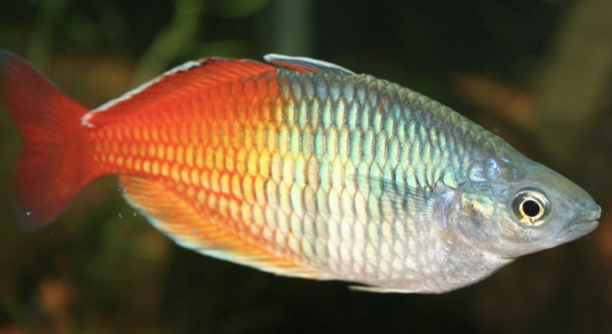
Rainbow fish are known for their colorful beauty and active behavior. However, these fish also exhibit unique habits, such as seeking dark hiding corners. Understanding why they prefer these spaces can provide important insights into their behavior and overall well-being.
Rainbow fish prefer dark hiding corners for several reasons, primarily due to their natural instinct for safety. These areas offer protection from potential threats and provide a sense of security. Darkness allows these fish to feel hidden and less stressed.
This preference for dark spaces is rooted in their natural instincts and behaviors. Understanding these habits can help improve the living conditions and well-being of rainbow fish in your care.
Why Rainbow Fish Seek Out Dark Spaces
Rainbow fish, like many other species, have a natural instinct to seek refuge in dark areas. These hiding spots give them a sense of safety, helping them avoid potential predators. In the wild, these fish would naturally swim into shaded or deeper areas to reduce the risk of being seen. Their vivid colors make them stand out in well-lit spaces, which can be dangerous. Dark corners, whether in their natural habitat or in an aquarium, offer a sense of protection and reduce stress.
They are also sensitive to changes in light, so they instinctively retreat to darker spaces when feeling threatened or when the lighting becomes too harsh. This behavior helps them manage stress, maintain comfort, and preserve their well-being. Over time, rainbow fish learn which spots in their environment make them feel secure. Whether it’s a dark cave, a shaded plant, or a corner of the aquarium, these areas become their retreat.
A key point to consider when setting up an aquarium for rainbow fish is to replicate their natural environment. This involves providing places where they can feel hidden and safe. Offering such areas can help reduce anxiety and improve their quality of life.
The Role of Light in Their Behavior
Light plays a significant role in how rainbow fish behave in captivity. It affects their activity levels, stress responses, and overall comfort. Too much light can cause them to feel exposed and anxious, while too little can lead to lethargy. In nature, these fish are accustomed to fluctuating light patterns, so having areas of shade in an aquarium replicates these natural cycles.
In their natural habitats, rainbow fish experience varying light levels throughout the day. They often swim between different depths, where light intensity differs. This behavior is often linked to finding food, avoiding predators, or seeking comfort. It’s crucial to create an aquarium setup that includes both well-lit areas and shaded spaces. Doing so helps mimic the conditions they are most comfortable with. With the right balance of light and dark, rainbow fish are likely to thrive in your aquarium, enjoying both active moments and time spent resting in secure, dark spaces.
How Dark Corners Reduce Stress for Rainbow Fish
Dark corners offer rainbow fish a place to escape from any threats they might feel in the aquarium. When fish are exposed to constant light or too much activity in the tank, it can lead to stress. These dark spaces provide a retreat where they can relax and feel safe.
Stress in fish can negatively impact their health, leading to issues like decreased appetite, poor immune function, or even shortened lifespans. By adding dark hiding spaces in their environment, you give them an opportunity to reduce stress and feel more secure. This allows them to engage in normal behaviors without constantly feeling threatened. Providing these areas makes a noticeable difference in their overall well-being.
Aquarium setups with plenty of hiding spots or shaded areas offer rainbow fish the chance to feel protected. When these spaces are available, fish can retreat when needed, resulting in a calmer and healthier environment for them. This simple adjustment helps ensure your fish’s comfort and happiness.
The Importance of Hiding Spots for Fish Health
Hiding spots also play an essential role in the social behavior of rainbow fish. In the wild, these fish are not solitary creatures. They tend to swim in groups but still need space where they can rest and feel undisturbed. Without places to hide, rainbow fish might experience more anxiety and even become more aggressive toward other tankmates.
In an aquarium, providing a variety of hiding spots can help maintain harmony among multiple fish. This gives them opportunities to retreat without feeling cornered or stressed. These hiding spaces don’t just keep the fish calm; they also mimic the natural environment where they would normally seek shelter. It’s important to consider the need for these spots when setting up a tank to help rainbow fish thrive in a more balanced, stress-free environment.
Creating the Right Environment for Rainbow Fish
Setting up the right environment in your tank is crucial for rainbow fish. Include plants, rocks, or structures where they can hide. These elements create areas that offer both shade and protection, which helps them feel secure. Proper tank conditions lead to happier, healthier fish.
Don’t forget to balance light in the aquarium. Avoid keeping your tank in direct sunlight for long periods. Intense lighting can stress the fish, making them feel exposed. Incorporating areas of low light with decorations will allow the fish to rest comfortably while keeping the rest of the tank well-lit for viewing.
The Connection Between Hiding and Natural Behavior
Rainbow fish, like many other species, are drawn to environments that mirror their natural habitats. In the wild, they are constantly moving between different areas of light and shade. These variations help them maintain balance and avoid becoming prey. By providing these natural hiding spots, you give them the opportunity to behave more naturally, reducing stress and promoting well-being.
Benefits of Creating Safe Zones
Safe zones allow rainbow fish to feel more at ease in your tank. These areas help them establish territories and provide refuge from any potential stressors. When fish feel secure, they are less likely to hide all the time and more likely to show their natural behaviors.
FAQ
Why do rainbow fish prefer dark hiding corners?
Rainbow fish prefer dark hiding corners because they provide a sense of security. These fish are naturally drawn to areas with less light, where they can feel protected from predators. In the wild, this instinct helps them avoid becoming visible to potential threats. When kept in an aquarium, providing dark hiding spots helps replicate their natural environment, making them feel safe and reducing stress.
Can rainbow fish live in brightly lit tanks?
While rainbow fish can live in brightly lit tanks, they may experience stress if there are no shaded areas for them to retreat. Constant exposure to bright light can make them feel exposed, especially since their vibrant colors attract attention. Including darker corners in their environment allows them to feel secure when they need to rest or escape from any perceived threats.
How do hiding spots affect the behavior of rainbow fish?
Hiding spots offer rainbow fish a sense of privacy and reduce anxiety. They are naturally curious but also cautious, and having access to hiding spots allows them to explore without constantly feeling exposed. These areas promote healthier behavior, as fish can hide when they need to rest or escape from more dominant tankmates.
Do rainbow fish need to be in groups to feel comfortable?
Yes, rainbow fish are social creatures and prefer to be kept in groups. In the wild, they swim in schools for safety and companionship. Keeping them in groups in an aquarium helps reduce stress and promotes natural behavior. Without the company of other rainbow fish, they might become more anxious and exhibit unusual behaviors.
What are the best types of hiding spots for rainbow fish?
The best hiding spots for rainbow fish are natural-looking structures that mimic their wild habitat. Live plants, rocks, caves, or driftwood all work well. These provide shade and a feeling of security, while also offering places for them to explore. Artificial decorations can also serve as hiding spots if they are placed strategically.
How can I reduce stress for rainbow fish in my aquarium?
To reduce stress for rainbow fish, provide plenty of hiding spots, ensure the tank is not in direct sunlight, and maintain a stable water temperature. Avoid sudden changes in the environment, as this can be stressful. Regular water changes, good filtration, and a peaceful atmosphere can help keep them calm.
Do rainbow fish get stressed easily?
Rainbow fish are not typically overly sensitive to stress but can become stressed if their environment is not ideal. Poor water quality, improper lighting, overcrowding, or the absence of hiding spots can cause stress. These fish thrive in peaceful tanks with appropriate lighting and plenty of hiding places.
What kind of tank mates are best for rainbow fish?
Rainbow fish are peaceful and do well with other non-aggressive species. They can coexist with other small to medium-sized fish, such as tetras, barbs, and guppies. Avoid housing them with overly aggressive or territorial fish that might disrupt their calm demeanor. A balanced tank with similar temperament species is ideal.
How much space do rainbow fish need in an aquarium?
Rainbow fish require a tank with plenty of swimming space. A minimum of 20 gallons is recommended for a small group, but larger tanks are better. They are active swimmers and need room to explore. A tank that is too small can increase stress and lead to aggressive behavior.
Can rainbow fish tolerate temperature changes?
Rainbow fish prefer stable temperatures, ideally between 72°F and 78°F (22°C to 25°C). Rapid temperature changes can stress them out and weaken their immune system. It’s important to keep the water temperature consistent and avoid fluctuations that could lead to health problems.
Do rainbow fish require special care?
Rainbow fish don’t require any special care beyond what’s needed for most freshwater species. Maintaining water quality, keeping the tank clean, and providing a balanced diet is key. The most important consideration is ensuring they have a peaceful environment with plenty of hiding spots and appropriate tank mates.
What should I feed my rainbow fish?
Rainbow fish are omnivores and should be fed a balanced diet that includes both protein and plant matter. High-quality flake food, frozen or live foods like brine shrimp and daphnia, and occasional vegetable matter like algae wafers or spinach will meet their nutritional needs. Feeding them a varied diet ensures they stay healthy and active.
Are rainbow fish easy to breed in an aquarium?
Breeding rainbow fish in an aquarium is possible but can be a bit challenging. To breed them successfully, provide a separate breeding tank with clean water, gentle filtration, and plants for hiding. Males will court females, and once spawning occurs, the eggs will hatch in a few days. Breeding rainbow fish requires attention to water conditions and careful monitoring of the fry.
How long do rainbow fish live?
Rainbow fish have a lifespan of around 5 to 8 years when kept in optimal conditions. Factors such as water quality, diet, tank mates, and overall care can influence their longevity. Providing a stable and peaceful environment will help your rainbow fish live a longer, healthier life.
Do rainbow fish require any special water conditions?
Rainbow fish prefer soft to moderately hard water with a slightly acidic to neutral pH (around 6.5 to 7.5). Maintaining stable water parameters is crucial for their health. Regular water changes, good filtration, and testing for ammonia, nitrites, and nitrates will help ensure the water conditions are safe for your fish.
Can rainbow fish live with other species?
Rainbow fish can live harmoniously with a variety of peaceful species. They are non-aggressive and typically coexist well with other small to medium-sized community fish. When choosing tank mates, it’s important to select species that won’t compete aggressively for space or food.
Why is my rainbow fish hiding all the time?
If your rainbow fish is hiding frequently, it may be stressed or not feeling secure. This could be due to environmental factors like poor water quality, excessive light, or a lack of hiding spots. It could also be due to bullying from other tankmates. Check your tank setup and make sure it’s providing the right conditions for your fish to feel safe.
How do I keep my rainbow fish active?
To keep rainbow fish active, provide them with a spacious tank, suitable tank mates, and a varied diet. Regular water changes and maintaining a clean tank will also promote healthy activity. Ensure they have enough space to swim and explore, as these fish are naturally active and curious.
Final Thoughts
Rainbow fish are fascinating creatures that thrive in environments that resemble their natural habitats. By creating spaces with darker corners and plenty of hiding spots, you can make your tank feel more like their natural surroundings, which will help reduce stress and promote healthier behavior. Providing proper lighting and giving them places to retreat when needed ensures that they feel secure and relaxed. The key to keeping rainbow fish happy and healthy lies in creating a balanced, peaceful tank environment where they can act naturally.
Caring for rainbow fish doesn’t require a lot of special attention, but it does involve understanding their needs. Ensuring that they have enough space, a proper diet, and peaceful tank mates will go a long way in keeping them stress-free. Additionally, paying attention to water quality, temperature, and lighting will help maintain their well-being. By providing these basic necessities, you can enjoy watching your rainbow fish live in harmony with their surroundings and other tank mates.
In conclusion, rainbow fish are low-maintenance but sensitive to their environment. They rely on natural hiding spots to feel safe and need proper care to stay healthy. Whether you are a beginner or experienced aquarist, creating a stress-free and secure environment will ensure that your rainbow fish thrive in your tank. By paying attention to their behavior and adjusting the tank conditions when necessary, you can enjoy watching these colorful, lively fish for years to come.

Hello,
If you enjoy the content that we create, please consider saying a "Thank You!" by leaving a tip.
Every little bit helps us continue crafting quality advice that supports the health, happiness, and well-being of pets around the world, for pets of all shapes, sizes, and species.
We really appreciate the kindness and support that you show us!