
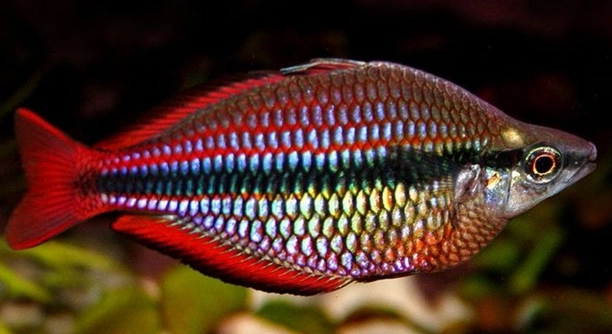
Rainbow fish are known for their vibrant colors and peaceful nature, but what they choose to swim around is just as important. The plants in their environment play a significant role in their comfort and well-being.
Rainbow fish prefer certain plants due to their natural habitat and the benefits these plants offer. Plants provide hiding spots, suitable breeding areas, and help maintain water quality, which is essential for their health and happiness.
Understanding why rainbow fish are drawn to particular plants can help you create a suitable environment for them. This knowledge will ensure your fish thrive and feel safe in their tank.
Why Plants Matter to Rainbow Fish
Rainbow fish thrive in environments where plants mimic their natural habitat. In the wild, these fish are often found in lush, plant-filled waters. The plants provide them with shade, safety, and a sense of security. These areas are important for their overall well-being. Plants also play a role in keeping the water clean, which is essential for maintaining a healthy aquatic environment. In a tank, the right plants can help replicate these conditions, offering the fish similar benefits.
Plants act as natural filters by absorbing excess nutrients and preventing algae growth. They also provide oxygen, which is necessary for the health of all fish. Additionally, plants help reduce stress in rainbow fish by offering hiding spots and space to explore. This is especially important for young fish, which need a secure place to hide from larger fish.
For tank owners, choosing the right plants can significantly improve the health of their rainbow fish. Knowing what plants work best will help create a comfortable, safe environment for them.
Types of Plants Rainbow Fish Prefer
Not all plants are equal when it comes to rainbow fish care. Floating plants like water lettuce and duckweed provide shade and cover, mimicking the fish’s natural environment. They also help keep the water surface calm and provide protection.
Plants like Java fern, Anubias, and Vallisneria are excellent choices for rainbow fish tanks. These plants are hardy, easy to maintain, and can thrive in various water conditions. These plants not only enhance the tank’s beauty but also provide hiding spots and shelter for the fish. As the plants grow, they create a safe and secure space for the fish to swim and rest, which helps reduce stress.
By incorporating these plants, you can create an environment that promotes the health and happiness of your rainbow fish. A well-planted tank also reduces the need for constant cleaning and ensures the water remains clear and healthy.
How Plants Impact Water Quality
Plants are key to maintaining water quality in a rainbow fish tank. They absorb harmful substances like ammonia, nitrites, and nitrates, helping to prevent the build-up of toxins. This natural filtration process reduces the need for frequent water changes.
Plants also help oxygenate the water, which is essential for fish health. As they grow, plants release oxygen into the tank, benefiting both the fish and other aquatic life. A healthy oxygen level supports fish metabolism and boosts their immune system. With the right plants, you’ll have a cleaner, healthier environment, and your rainbow fish will thrive.
Additionally, the plants can create a stable ecosystem where the fish feel at ease. The plants help maintain balance by keeping the water clean and reducing harmful fluctuations. When combined with regular maintenance, plants ensure a stable, low-maintenance tank that promotes the well-being of your fish.
Plants as Hiding Spots and Breeding Grounds
Rainbow fish, like many species, need hiding spots to feel safe. Plants offer perfect spots for them to escape from stress and find shelter. Tall plants with dense leaves, such as Java fern, are particularly popular among fish who need a place to retreat.
Plants are also essential for breeding. In the wild, rainbow fish lay their eggs in the nooks and crannies of plants. By providing similar environments in a tank, you create ideal conditions for spawning. The leaves of certain plants offer a secure place where eggs can be laid and protected from other fish. This encourages natural breeding behavior, making it easier for your fish to breed.
Having plants in your tank also promotes natural behaviors like exploring and foraging, which are beneficial for the fish’s mental and physical health. The plants not only provide security but also encourage a more active and content life for your rainbow fish.
Easy-to-Care-for Plants for Rainbow Fish
Rainbow fish do well with plants that are low-maintenance and hardy. Java fern, Anubias, and Cryptocoryne are great choices because they require little light and can thrive in various water conditions. These plants can grow well in most tanks, making them ideal for beginner fishkeepers.
These plants are also less likely to be eaten by rainbow fish, which prefer to swim among them rather than nibble on them. The leaves of Java fern and Anubias are tough and not very appealing to most fish. This ensures that the plants remain healthy and continue to provide the necessary benefits.
For a colorful tank, you can combine these plants with easier-to-care-for species like moss balls or Amazon swords. These plants not only improve the aesthetic appeal but also create a balanced environment for your rainbow fish.
Plant Placement in the Tank
Where you place plants in your tank can impact the fish’s behavior. Rainbow fish prefer a mix of open swimming space and dense plant coverage. Placing plants along the back or side of the tank provides them with areas to hide and relax, while leaving the center open allows for swimming.
The best placement will depend on the size and shape of your tank. If you have a larger tank, you can create a more natural, sprawling arrangement. For smaller tanks, you may want to keep plants grouped in one corner to maximize swimming space for the fish.
Proper placement encourages healthy interactions between the fish and their environment. It also gives your rainbow fish the freedom to swim, breed, and explore without feeling confined.
Impact of Lighting on Plant Growth
Lighting is crucial for plant health. Rainbow fish thrive in tanks with moderate lighting, as it helps plants grow properly. Too much light can encourage algae growth, while too little can cause plants to become weak and unhealthy. Aim for a balanced light cycle to keep both your plants and fish happy.
FAQ
What type of plants are best for rainbow fish?
Rainbow fish thrive in tanks with hardy plants that mimic their natural habitat. Some of the best choices include Java fern, Anubias, Cryptocoryne, and Vallisneria. These plants are not only durable but also provide hiding spots and breeding areas. They are easy to care for, making them ideal for both beginner and experienced aquarium owners.
How do plants help maintain water quality?
Plants play a significant role in improving water quality. They absorb excess nutrients such as nitrates and phosphates, which helps reduce algae growth. Additionally, plants release oxygen into the water during photosynthesis, which is crucial for the fish’s health. This creates a cleaner, healthier environment, making maintenance easier.
Can I use artificial plants instead of real ones?
Artificial plants can be an alternative, but they do not provide the same benefits as live plants. They won’t improve water quality, release oxygen, or offer the natural hiding spots that rainbow fish need. However, if you’re looking for a low-maintenance option, artificial plants can still add beauty to your tank.
How much light do plants need in a rainbow fish tank?
Plants in a rainbow fish tank require moderate light to grow well. Too much light can encourage algae growth, while too little light can prevent plants from thriving. Aim for about 8-10 hours of light per day, depending on the type of plants you have. A balanced light cycle will help your plants stay healthy without causing algae issues.
Should I add CO2 to my tank for plants?
Adding CO2 can enhance plant growth, but it’s not strictly necessary for most plants in a rainbow fish tank. Plants like Java fern and Anubias do well with low CO2 levels. If you want to encourage faster growth or have more delicate plants, a CO2 system might help, but it’s generally not required for success.
Do rainbow fish eat plants?
Rainbow fish are not typically plant-eaters, but some may nibble on soft plants like moss. They prefer to swim among the plants rather than munching on them. Hardy plants with tougher leaves, like Anubias and Java fern, are less likely to be eaten by the fish and can thrive without being damaged.
How do plants affect rainbow fish breeding?
Plants play a crucial role in rainbow fish breeding. They provide safe spaces for the fish to lay eggs, protecting them from other fish in the tank. Floating plants or dense plants with broad leaves are ideal for spawning. These plants create a safe environment where eggs can develop without being eaten.
Can plants reduce stress for rainbow fish?
Yes, plants help reduce stress for rainbow fish. By providing hiding spots and areas to explore, plants create a more comfortable environment. This allows the fish to feel secure, as they can retreat into the plants if they feel threatened or need rest. A well-planted tank encourages natural behaviors and improves overall fish health.
How often should I change the water in a planted tank?
Even with plants, regular water changes are important to maintain a healthy environment. Aim to change about 20-25% of the water every 2-4 weeks. Plants help maintain water quality, but they can’t eliminate the need for water changes. Regular changes ensure that your fish and plants continue to thrive.
Can I use aquarium fertilizer for plants?
Yes, aquarium fertilizers can help your plants grow stronger and healthier. Liquid fertilizers or slow-release tabs provide essential nutrients like potassium, phosphorus, and nitrogen. However, use them sparingly, as over-fertilizing can lead to algae blooms. Stick to recommended dosages and monitor your tank’s nutrient levels.
Are there any plants that are toxic to rainbow fish?
Most common aquarium plants are safe for rainbow fish. However, some plants can be toxic if consumed in large quantities. For instance, the Dieffenbachia plant, also known as “dumb cane,” can cause harm if ingested by fish. Always ensure the plants you introduce to your tank are safe for your fish.
Can I add plants to a tank with rainbow fish immediately?
You can add plants to your tank immediately, but make sure to do so gradually. Adding too many plants at once can disrupt the tank’s balance, especially if you’re also introducing new fish. Allow the plants to acclimate before introducing additional species or making changes to your tank’s setup.
Do I need special equipment for growing plants in a rainbow fish tank?
For most low-maintenance plants like Java fern and Anubias, you won’t need special equipment. A standard aquarium light and moderate filtration will suffice. However, if you’re growing more demanding plants, you may need to invest in CO2 systems, additional lighting, or special fertilizers to promote growth.
What temperature is best for plants in a rainbow fish tank?
Rainbow fish thrive in temperatures between 75-80°F (24-27°C), which is also ideal for most aquarium plants. However, some plants may prefer slightly cooler or warmer temperatures. Be sure to choose plants that can tolerate the specific temperature range of your tank for optimal growth.
How do I prune plants in my rainbow fish tank?
Pruning plants is important to keep them healthy and prevent them from overtaking your tank. Regularly trim dead or overgrown leaves, and remove any decaying plant material. Use sharp scissors or aquarium trimming tools to cut back plants without damaging them. Pruning will also encourage new growth and improve water circulation.
How can I prevent algae growth with plants?
Plants help prevent algae growth by competing for nutrients. By absorbing excess nutrients from the water, plants reduce the food available for algae. To prevent algae from thriving, maintain a balanced light cycle, and avoid overfeeding your fish. A few plants, along with proper tank care, will help keep algae in check.
Final Thoughts
Rainbow fish thrive in environments where they have access to both open swimming space and dense plant coverage. The right plants not only enhance the aesthetic of the tank but also create a healthier, more natural environment for the fish. Plants like Java fern, Anubias, and Cryptocoryne are excellent choices because they are hardy, easy to care for, and provide shelter without being eaten by the fish. These plants can help reduce stress for your rainbow fish by offering them areas to hide and rest when needed.
Choosing the right plants for your rainbow fish tank is about balancing beauty and function. The plants you select should not only look good but also support the overall health of the tank. Plants help filter the water, absorb excess nutrients, and provide oxygen, which is beneficial to both the fish and the plants themselves. They also create a more natural habitat for the rainbow fish, allowing them to engage in instinctual behaviors like hiding and exploring. It’s important to make sure the plants you choose can thrive in the conditions you’re able to provide, such as the tank’s temperature, lighting, and water quality.
Taking care of your plants is just as important as taking care of your fish. Regular maintenance, such as pruning, monitoring light levels, and ensuring water quality, will keep both your plants and rainbow fish healthy. By providing the right conditions for plants to grow and flourish, you’re not only improving the visual appeal of your aquarium but also supporting a thriving ecosystem. With the right plants and proper care, your rainbow fish will enjoy a beautiful, vibrant home.

Hello,
If you enjoy the content that we create, please consider saying a "Thank You!" by leaving a tip.
Every little bit helps us continue crafting quality advice that supports the health, happiness, and well-being of pets around the world, for pets of all shapes, sizes, and species.
We really appreciate the kindness and support that you show us!