
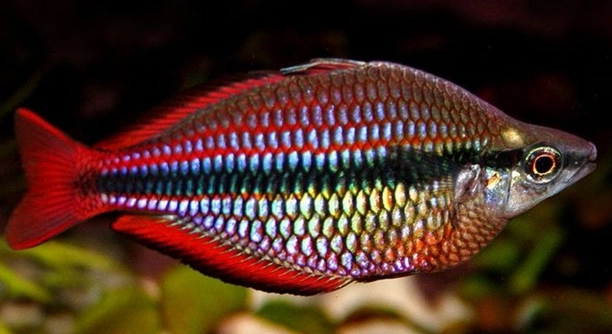
Rainbowfish are known for their peaceful nature, but their gentle nudging behavior toward tank mates often sparks curiosity. Understanding why they do this can help aquarium owners maintain a balanced environment for all fish involved.
Rainbowfish nudge their tank mates gently as a way of establishing social interactions or displaying mild dominance. This behavior is typical among fish species and helps to manage space and resources within the tank. It is non-aggressive.
This behavior is a key part of their social structure and offers insight into how different species interact in confined spaces. Understanding it will help you create a harmonious environment for your aquatic community.
Why Do Rainbowfish Nudge Tank Mates?
Rainbowfish nudge their tank mates as a social behavior. This can occur when they want to interact, claim space, or signal to other fish. It is part of their way of establishing their position within the tank. These gentle nudges aren’t meant to harm; rather, they help fish navigate their environment without aggressive confrontations. In a shared tank, fish of different species can communicate with each other through these subtle interactions, keeping things peaceful. Observing the nudging behavior is a good sign that your rainbowfish feel comfortable enough to express themselves.
Fish in a tank can engage in these nudging behaviors more frequently if they are stressed, overcrowded, or competing for food. It is important to keep the tank environment clean and spacious to avoid these triggers. Properly balancing the fish population can reduce the likelihood of any potential discomfort that may arise from excessive nudging.
In general, the behavior is natural and not a cause for concern. It helps keep the social hierarchy intact and ensures that all fish can thrive. While it may seem odd at first, this interaction is quite normal among fish species, allowing them to coexist peacefully in shared spaces.
Understanding the Reasons Behind Gentle Nudging
The gentle nudging is usually a harmless behavior. It is simply how rainbowfish communicate with one another. Fish in social environments use this method to establish who is where in the tank.
Nudging is often seen when there is food to be claimed or territory to defend. However, it is rarely aggressive. Rainbowfish, like many other species, have a pecking order that becomes clear through subtle behaviors like nudging. It helps reduce conflict between tank mates by allowing them to signal each other without resorting to aggression. This ensures harmony in the tank, especially if the fish are from the same group or share similar characteristics.
It’s essential to observe the frequency and intensity of the nudging. If the behavior escalates into something more serious, such as biting or chasing, then there may be an issue with overcrowding, food availability, or incompatible species living together. This would need to be addressed to keep the environment calm. Otherwise, gentle nudging is simply a way for your rainbowfish to communicate without causing any harm.
The Role of Rainbowfish in a Tank’s Social Structure
Rainbowfish nudging tank mates plays a role in maintaining a balanced social structure. These fish naturally have a pecking order, where gentle nudging signals their position within the group. This helps reduce any disputes over territory or food.
In a group of rainbowfish, each individual plays a role in maintaining peace within the tank. The nudging behavior is one way they subtly communicate their status and intentions to other fish. By nudging, they avoid aggressive confrontations, keeping the tank environment calm and stable. This behavior ensures that no fish is overly dominant or at risk of being bullied.
Over time, rainbowfish develop a sense of hierarchy. The nudges become part of their routine behavior, signaling acceptance of one another’s roles. It is a way of creating mutual respect without causing harm. Tank owners can benefit from this natural behavior by ensuring proper space and resources for all fish. This promotes harmony and reduces stress in the aquarium.
Managing Tank Size and Population
Proper tank size is essential in managing rainbowfish behavior. If the tank is too small, fish may become stressed, leading to more frequent nudging. The fish may feel crowded, which can disrupt their social behavior.
A larger tank offers more space for fish to establish their territories, reducing the need for constant nudging. By having enough room, fish are less likely to compete for food or space, which can lead to more peaceful interactions. A well-sized tank encourages natural behavior and improves the overall health of all fish in the environment.
Maintaining an appropriate population is just as important. If there are too many fish in a tank, overcrowding can cause stress. This stress often leads to increased nudging, as fish try to assert themselves in the limited space. Keeping a balanced number of fish allows each one to feel more secure and reduces the chances of aggressive behavior. Ensuring that your tank size and population are appropriate will help rainbowfish coexist peacefully with one another.
How Rainbowfish Nudge During Feeding
When rainbowfish nudge each other, it often occurs during feeding times. They may gently push their tank mates aside to reach food. This behavior is natural and not a sign of aggression, but rather a way to ensure they get their share of food.
Feeding time can be a competitive moment in the tank. While rainbowfish are generally peaceful, they are still motivated by hunger. Nudging other fish ensures that they can reach the food without conflict. As long as there is enough food for all fish, this behavior is typically harmless. It simply reflects the natural instinct to feed.
In a healthy, well-maintained tank, rainbowfish will exhibit this behavior without aggression. If nudging becomes more forceful, it may signal that food is scarce or there are too many fish competing for resources. Ensuring an appropriate feeding schedule and enough food for all will keep nudging behavior mild.
When to Be Concerned About Aggressive Nudging
If rainbowfish nudging turns into chasing or biting, it’s time to take action. This is usually a sign that something is off in the tank.
Stress, overcrowding, or competition for resources can lead to aggressive nudging. This type of behavior can be harmful to other fish and disrupt the tank’s balance. You should observe the interactions closely and adjust the tank environment accordingly. Reducing the number of fish or adding more hiding spaces might help.
It’s crucial to monitor these changes to prevent escalation. Aggressive behavior from rainbowfish is uncommon but not impossible if they feel threatened or crowded. Acting quickly can restore harmony in the tank and ensure the well-being of all fish.
The Importance of Tank Maintenance
Keeping your tank clean plays a key role in managing rainbowfish behavior. Dirty water can cause stress, leading to more frequent nudging and aggression.
Regular water changes and filtration ensure that your fish are in the best possible environment. When water conditions are stable and clean, rainbowfish are less likely to feel the need to assert dominance or fight for space. A clean tank promotes peaceful behavior and reduces overall stress, benefiting both the fish and the tank owner.
FAQ
Why do rainbowfish nudge each other?
Rainbowfish nudge each other as part of their social behavior. This gentle pushing helps them communicate their position within the group, establish boundaries, and claim space or food. It’s a normal, non-aggressive behavior used to maintain peace and avoid conflict. In a shared tank, these nudges help create a stable environment where fish can interact without resorting to violence. It’s a subtle way of showing dominance or asserting themselves, but it rarely leads to harm unless the fish are stressed or overcrowded.
Is rainbowfish nudging a sign of aggression?
Generally, rainbowfish nudging is not a sign of aggression. It’s a mild interaction, usually related to social ranking, food access, or territoriality. Aggressive behavior like chasing or biting would indicate a problem. If nudging becomes too frequent or forceful, it might be a sign of stress or overcrowding in the tank, but in most cases, it is harmless. Rainbowfish are known for their peaceful nature, and their nudging behavior is usually a way of keeping things calm rather than escalating into aggression.
How can I reduce nudging behavior in my tank?
If nudging becomes problematic, consider making changes to your tank environment. Increasing tank size can provide more space for your fish to spread out and establish their territories, which reduces the need for frequent nudging. Additionally, ensure there are enough hiding spots or plants where the fish can retreat if they feel threatened. You can also reduce the fish population to avoid overcrowding. If the nudging is associated with feeding, try providing enough food for each fish and feeding them at different spots in the tank.
Do rainbowfish need to be kept in schools to reduce nudging?
Yes, rainbowfish are social creatures that thrive when kept in groups. Keeping them in schools can help prevent excessive nudging. In a group, fish are more likely to exhibit natural social behaviors and communicate peacefully with one another. Having a school of rainbowfish can also reduce stress, as they are less likely to feel threatened or need to fight for dominance. It’s best to keep at least five or six rainbowfish together, as smaller groups may not foster the same level of social interaction.
What signs indicate that rainbowfish nudging has become aggressive?
Nudging behavior becomes concerning when it leads to more aggressive actions, such as chasing, biting, or displaying signs of stress like hiding or constant fin clamping. If the nudging turns into physical damage to the fish, such as torn fins or bites, then it’s no longer just a gentle social interaction. At this point, it may be necessary to reassess the tank’s environment and consider solutions like rearranging the décor, reducing the fish population, or adding more hiding spots.
How can I tell if my rainbowfish are stressed?
Rainbowfish will show signs of stress through behaviors like erratic swimming, hiding, loss of appetite, or faded colors. Stress can also manifest as increased aggression or excessive nudging. If your rainbowfish are nudging more frequently and displaying other unusual behaviors, it’s worth checking water quality, tank size, and fish compatibility. Poor water conditions, such as high ammonia or nitrite levels, can stress fish and make them more prone to these behaviors. Regular water changes and testing will help maintain a healthy tank environment.
Is it okay to keep rainbowfish with other species in the same tank?
Rainbowfish generally get along well with peaceful species, especially those of similar size and temperament. However, it’s important to ensure that any other species in the tank do not compete excessively for food or space, as this could cause stress and increase nudging behavior. Avoid aggressive species that might bully the rainbowfish or cause them to feel threatened. Some fish, like tetras, guppies, or peaceful barbs, make good tank mates for rainbowfish. Just be mindful of tank size, population, and compatibility.
Can I prevent nudging by keeping only one rainbowfish in the tank?
While keeping a single rainbowfish may reduce nudging among a group, it is not ideal for the fish’s well-being. Rainbowfish are social animals that thrive in groups. A lone rainbowfish can become stressed and may exhibit other signs of distress. The best approach is to maintain a small school of rainbowfish. This will allow them to express natural social behaviors without the pressure of competing for food or space. If you prefer a tank with minimal nudging, ensure your tank is spacious enough and provide plenty of resources.
Does the size of the rainbowfish affect their nudging behavior?
Larger rainbowfish might nudge more aggressively than smaller ones, especially if they are trying to assert dominance or claim a larger space in the tank. However, the size of the fish is not the sole factor determining nudging behavior. The overall environment, including tank size, water quality, and the presence of other fish, plays a bigger role. Larger fish may also have different feeding habits and may nudge more during meals, but this doesn’t necessarily indicate aggression.
Can rainbowfish nudge each other during breeding?
Yes, rainbowfish may nudge each other during breeding. This behavior is part of the courtship process, where males may nudge females to show interest. This can also be seen when rainbowfish establish their territories before spawning. While it might seem like aggression, it’s actually a normal part of their reproductive behavior. If there are multiple males, they might also nudge each other in competition for female attention. However, these nudges are usually gentle and don’t lead to harm unless other factors, like stress or overcrowding, are present.
Final Thoughts
Rainbowfish are generally peaceful and social creatures. Nudging each other is a natural part of their behavior and is usually not a cause for concern. It’s a way for them to communicate with one another and navigate their environment. While it can seem like a form of aggression, it’s often just a gentle push to claim food or space. As long as the nudging does not lead to chasing or physical damage, it is generally harmless. These fish thrive in schools, and nudging is just a part of maintaining social harmony within their group.
However, if you notice that the nudging becomes more forceful or frequent, it’s important to look at the overall tank environment. Overcrowding, poor water quality, and stress can increase these behaviors. In such cases, you might need to reassess the tank setup, ensure there is enough space for all the fish, and check that food is being distributed properly. If the nudging turns into aggressive behavior, it’s a sign that adjustments should be made to keep your rainbowfish healthy and happy.
Maintaining a balanced tank with the right number of fish, proper water conditions, and enough resources for everyone will help prevent any negative impacts from nudging. Rainbowfish do best when kept in schools, as this helps them feel secure and reduces stress. By keeping an eye on their interactions and making necessary adjustments, you can ensure that your tank remains a peaceful and thriving environment for all of your fish. Proper care will not only keep your rainbowfish happy but will also contribute to the overall health of the entire aquarium.

Hello,
If you enjoy the content that we create, please consider saying a "Thank You!" by leaving a tip.
Every little bit helps us continue crafting quality advice that supports the health, happiness, and well-being of pets around the world, for pets of all shapes, sizes, and species.
We really appreciate the kindness and support that you show us!