
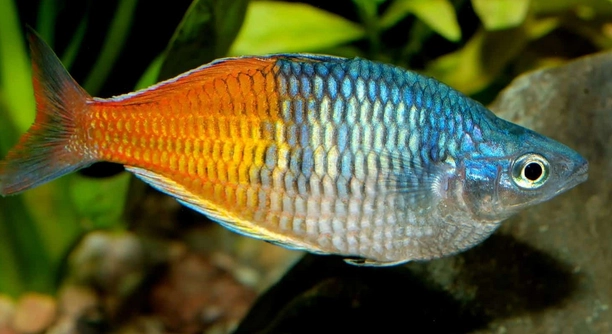
Rainbow fish are a vibrant and captivating addition to any aquarium. Their playful movements often catch the eye, especially when they swim in unique patterns. One of the most interesting behaviors they exhibit is their zig-zag swimming style.
The zig-zag swimming pattern of rainbow fish is likely a result of environmental factors, predatory avoidance, and hunting strategies. This movement allows them to navigate through complex environments and avoid being an easy target for predators.
Understanding the reason behind these zig-zag motions can help you better appreciate their behavior. It’s fascinating how small adjustments in their environment can have such a big impact on how they move and interact.
Why Do Rainbow Fish Swim in Zig-Zags?
Rainbow fish are known for their beautiful and vibrant colors, but their movement is just as interesting. Their zig-zag swimming pattern can be quite captivating, especially when seen in a well-maintained aquarium. This type of swimming is not random; it serves several purposes in their natural environment. For these fish, zig-zagging through the water can help them avoid predators. It also enables them to quickly maneuver around obstacles and find food. This behavior is often seen when they are feeling threatened or when they are actively hunting. The way they swim creates an unpredictable pattern, making it harder for predators to catch them.
While zig-zag swimming is a defense mechanism, it’s also part of their hunting behavior. In their natural habitats, rainbow fish often have to navigate through dense aquatic plants and structures. The ability to swim in a zig-zag pattern helps them move quickly and efficiently in these spaces.
Their ability to switch directions quickly might also help with their ability to chase down food. It’s a unique trait that serves multiple purposes, allowing them to both evade danger and hunt for food effectively.
Factors That Influence Swimming Patterns
Several environmental factors contribute to rainbow fish swimming in zig-zags. Water flow, lighting, and space availability all play a role in shaping this behavior. If the water current is strong, they may swim this way to stabilize themselves and avoid being swept away. Lighting can also affect their movements. For instance, dimmer light conditions may encourage more erratic swimming patterns.
The size and structure of the tank are also crucial. In larger aquariums, rainbow fish have more freedom to move around, which could lead to more complex swimming patterns. Smaller tanks or tanks with too many decorations might limit their movement, leading them to adapt with quicker, sharper turns.
A lack of space can also make them feel stressed, which in turn may lead to erratic swimming behavior. Understanding these factors can help you create a more comfortable environment for your rainbow fish.
In addition to environmental factors, the fish’s health also impacts their movement. Healthy rainbow fish are more likely to swim actively and in patterns that include zig-zag movements. On the other hand, stress, illness, or poor water quality can affect their behavior and make them appear sluggish or disoriented. Therefore, keeping your fish in optimal conditions can help maintain the natural and fluid swimming behavior they are known for.
Ensuring your fish are healthy and in a well-maintained environment is essential for their well-being. Regular water changes and maintaining proper tank conditions will encourage them to exhibit their most natural swimming behaviors.
Conclusion
The zig-zag swimming pattern of rainbow fish is both an adaptive behavior and a natural part of their routine. By understanding the factors that influence their movement, aquarium owners can better cater to their needs and help keep them healthy and happy.
How to Encourage Healthy Swimming Patterns
Providing a proper tank environment helps rainbow fish display their natural swimming behaviors. Ensuring there is enough space for them to move around freely is essential. If the tank is too crowded or cluttered, they may not be able to swim as they would in the wild.
You should also consider the water quality. Proper filtration, regular water changes, and maintaining correct temperature levels will keep the fish comfortable and encourage natural movements. A healthy tank environment promotes active and smooth swimming patterns. Keeping plants and decorations to a reasonable amount helps provide both shelter and open space for them to move freely.
Lighting plays a role as well. While rainbow fish are not nocturnal, they thrive in well-lit environments, which can help them feel secure. However, avoid overly bright or intense lighting, which might cause stress. A balanced light source ensures they are able to swim confidently without feeling threatened or disoriented.
The Importance of Space and Tank Size
The size of the aquarium is key for the well-being of rainbow fish. These fish are active swimmers and need enough space to exhibit their natural swimming patterns. A tank that is too small can restrict their movement, leading to stressed fish that might not swim as they would in a larger tank.
In addition to size, the shape of the tank also matters. Long tanks provide more horizontal space, encouraging rainbow fish to swim freely. Tall tanks, while offering vertical space, might not offer the same benefits. The more room they have, the better their swimming behavior and overall health will be.
It’s also important to consider the number of fish in the tank. Overcrowding can increase stress levels, making it harder for the fish to swim naturally. A comfortable number of fish will allow each to claim their own space, reducing stress and encouraging more natural, erratic swimming patterns.
Tank Decorations and Their Impact
Tank decorations can have a positive or negative effect on rainbow fish’s swimming patterns. Objects like rocks and plants provide hiding spots but should not overcrowd the space. Too many decorations can limit the room they have to swim freely, disrupting their natural movement.
It’s important to balance decoration and open space. Adding plants that are not too dense or using rocks in strategic locations can create an environment where the fish feel safe but still have plenty of room to swim. The right amount of décor allows them to exhibit their zig-zag swimming pattern while exploring their space.
Feeding and Its Effect on Swimming
Feeding can also impact swimming behavior. If rainbow fish are overfed, they may become sluggish and not move as actively. Providing the right amount of food ensures they stay healthy and energetic. Too much food can cause them to lose interest in swimming or cause bloating.
Keeping a regular feeding schedule can maintain their activity levels. This routine helps them stay engaged, which encourages more natural swimming. Fish that are well-fed but not overfed will display their typical movement, whether it’s zig-zagging for food or navigating around obstacles in the tank.
Tank Lighting and Fish Behavior
The lighting in your tank affects how rainbow fish behave. Too much light can make them stressed, while too little can cause them to become less active. It’s best to have consistent lighting with a moderate intensity. This keeps the environment comfortable without overwhelming the fish.
FAQ
Why do rainbow fish swim in a zig-zag pattern?
Rainbow fish swim in a zig-zag pattern mainly to avoid predators and to help them catch prey. This erratic movement makes them harder to target, and it helps them stay agile in their environment. Additionally, it may also be a response to water currents and obstacles in their habitat, allowing them to navigate more efficiently. In their natural environment, this swimming behavior is a useful defense mechanism, and it can also be a part of their hunting strategy.
Is it normal for rainbow fish to swim erratically?
Yes, erratic swimming is completely normal for rainbow fish, especially when they are startled or when they feel threatened. These fish often swim in unpredictable patterns to confuse predators and avoid capture. They may also exhibit erratic movements when they are actively hunting or when exploring new areas in their environment. If your rainbow fish are swimming erratically all the time, it may be due to stress or water quality issues, but occasional erratic behavior is typical.
How can I tell if my rainbow fish are stressed?
Stressed rainbow fish might display unusual swimming patterns, including erratic or slow movements. They might hide more often or appear to be more lethargic than usual. Changes in their coloration, such as dulling or fading of vibrant colors, are also a sign of stress. If you notice these signs, it’s essential to check water parameters such as temperature, pH, and ammonia levels, as poor water conditions can lead to stress. Overcrowding or incompatible tankmates can also contribute to stress in rainbow fish.
How do water quality and tank conditions affect their swimming?
Water quality has a significant impact on the health and behavior of rainbow fish. Poor water quality, such as high levels of ammonia or nitrate, can make the fish feel uncomfortable and stressed, which may lead to abnormal swimming patterns. Consistently clean water, with stable temperature and pH, will help rainbow fish feel secure and allow them to swim naturally. Keeping the water clean and filtered also ensures they have enough oxygen, which is essential for their energy levels and movement.
Do rainbow fish need a specific water temperature?
Rainbow fish thrive in a temperature range of 74-80°F (23-27°C). Water that is too cold or too hot can stress the fish and make them less active. A stable temperature is crucial, as fluctuations can disrupt their swimming patterns and overall health. Make sure to use a reliable heater and thermometer to maintain a consistent temperature in the tank. If the water temperature is outside this range, rainbow fish may become sluggish, and their behavior may change, including altered swimming patterns.
What is the ideal tank size for rainbow fish?
Rainbow fish are active swimmers and need space to swim freely. A tank size of at least 30 gallons is recommended for a small group of rainbow fish. This allows them enough room to exhibit their natural behavior without feeling crowded. Larger tanks provide more space for them to explore and interact, which can reduce stress and encourage healthier swimming. Be sure to consider the number of fish you have, as overcrowding can lead to poor water quality and stress.
Can I keep rainbow fish with other species?
Yes, rainbow fish are generally peaceful and can be kept with other non-aggressive species. They tend to do well with other fish that share similar water conditions and swimming habits. However, you should avoid keeping them with overly aggressive fish that may stress them or compete for food. Always research tankmate compatibility before introducing new fish to ensure a peaceful environment for all inhabitants. Rainbow fish tend to do best in a community tank with other calm species.
Do rainbow fish prefer plants in their tank?
Rainbow fish appreciate plants in their tank because plants provide hiding spots and make them feel more secure. However, the plants should not overcrowd the tank, as the fish need space to swim. Live plants can also help maintain water quality by absorbing excess nutrients. You can use plants like java fern, Amazon sword, or Anubias, which are low-maintenance and fish-friendly. Ensure that there are enough open areas in the tank for your rainbow fish to swim freely, even with plants present.
What do rainbow fish eat?
Rainbow fish are omnivores and will eat a variety of foods, including high-quality flake food, pellets, and frozen or live foods like brine shrimp and daphnia. It’s important to offer a balanced diet that includes both plant and animal matter to ensure their overall health. In their natural habitat, rainbow fish feed on small insects, algae, and tiny crustaceans. In an aquarium setting, you can supplement their diet with vegetables like spinach or zucchini to mimic their natural food sources.
Can rainbow fish change their color?
Rainbow fish are known for their vibrant colors, but these colors can change depending on factors like mood, age, and environmental conditions. They are more likely to display their brightest colors when they feel safe and healthy. Male rainbow fish, in particular, often show brighter colors when trying to attract a mate. Stress, poor water quality, or illness can cause their colors to dull. If you notice your rainbow fish losing color, it could be a sign of discomfort or health issues.
Are rainbow fish active all day?
Rainbow fish are diurnal, meaning they are most active during the day. They swim around, explore, and interact with other fish in the tank. At night, they tend to rest or sleep in sheltered areas. If your rainbow fish seem inactive during the day, it could indicate poor water quality, stress, or health problems. Ensuring they have a well-lit tank during the day and a peaceful, dark environment at night will help them maintain their natural activity levels.
Final Thoughts
Rainbow fish are beautiful and fascinating creatures, and their swimming patterns are an important part of what makes them so interesting to observe. Their zig-zag movements help them stay safe from predators, navigate through their environment, and even hunt for food. By understanding why they move in these ways, you can better appreciate their behavior and create a more comfortable and natural environment for them. Whether it’s due to instinct or their need to explore, the way rainbow fish swim is something that adds to their charm and uniqueness.
Taking care of rainbow fish involves paying attention to their environment. Providing enough space for them to swim, maintaining good water quality, and ensuring they are fed the right amount of food are all key factors in encouraging healthy swimming behavior. When the tank conditions are right, rainbow fish will thrive and exhibit their natural, active swimming patterns. This helps ensure they stay happy and healthy, and you’ll get to see them move in the fascinating zig-zag ways that make them stand out.
Ultimately, keeping rainbow fish requires a bit of attention to detail, but the rewards are worth it. These fish are relatively easy to care for and can bring a lot of color and movement to an aquarium. By focusing on their needs, such as a clean tank, proper lighting, and a balanced diet, you can support their health and natural behaviors. Whether you’re a new fish keeper or an experienced one, understanding the reasons behind their unique swimming habits can help you provide the best possible care for your rainbow fish.

Hello,
If you enjoy the content that we create, please consider saying a "Thank You!" by leaving a tip.
Every little bit helps us continue crafting quality advice that supports the health, happiness, and well-being of pets around the world, for pets of all shapes, sizes, and species.
We really appreciate the kindness and support that you show us!