
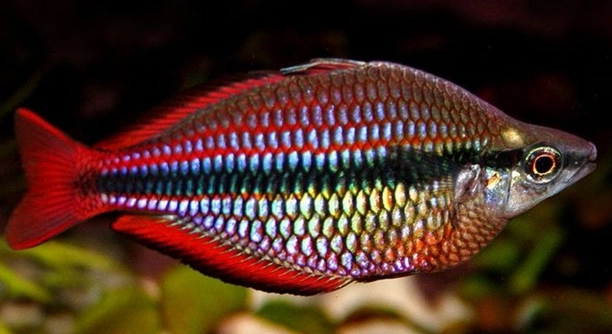
Rainbow fish are known for their vibrant colors and swift movements in aquatic environments. Many wonder why these fish sometimes swim against the flow of water in their natural habitats.
Rainbow fish swim against the current to establish and defend territories, as well as to ensure better access to oxygen-rich water. This behavior also helps them find food more easily, taking advantage of the water’s natural movement.
Understanding why rainbow fish engage in this unique behavior reveals how they interact with their environment. Learning more can offer insights into their lifestyle and survival strategies in the wild.
The Science Behind Swimming Against the Flow
Rainbow fish swim against the current for reasons that are not only related to their daily survival but also to their overall behavior. In their natural habitats, these fish thrive in environments with flowing water, such as rivers and streams. The constant movement helps them stay in optimal conditions. By swimming against the flow, they maintain their position and access better food resources. Additionally, this resistance against the water stream allows rainbow fish to exercise, keeping them physically fit and agile. This behavior isn’t random, but a necessity in the wild, helping them to conserve energy and stay safe from predators.
It’s important to note that swimming against the current is a natural adaptation for rainbow fish, ensuring they remain in ideal locations. Their muscles are built to handle such challenges without expending excessive energy.
This type of swimming also helps with oxygen intake. Water flowing against the gills brings in fresh oxygen, allowing the fish to breathe easier. The stronger the flow, the more oxygen they can access, which is crucial for their survival. Fish like rainbow fish, living in flowing waters, have evolved to take full advantage of this. It also allows them to locate prime feeding grounds where the flow brings in insects and small organisms they can eat. By staying positioned against the current, they can take in the maximum amount of food and oxygen while exerting minimal energy.
Territorial Behavior and Current Preferences
Rainbow fish also swim against the flow to claim and defend their territory.
In their environments, the flow of water creates natural boundaries, with faster currents often marking areas that are harder for other fish to reach. By positioning themselves against the current, rainbow fish can establish control over a patch of water that suits their needs. This allows them to protect vital resources such as food and space, making it less likely for other fish to invade their area. Additionally, the current helps them sense any approaching predators or competitors, giving them an edge in defense. This territorial behavior plays a critical role in their survival. It’s not just about the fight for space but also about finding a spot where they can thrive. By swimming against the current, rainbow fish can avoid competition, defend their habitat, and ensure their long-term well-being. It’s a smart survival strategy that keeps them in a favorable spot without using excessive energy or risking exposure to predators.
Energy Conservation While Swimming Against the Flow
Rainbow fish swim against the current as an energy-efficient strategy.
Although it may seem like swimming against the current requires more energy, it actually helps rainbow fish conserve resources in the long run. By holding their position in the current, they can reduce the effort needed to move forward. The flow assists them in staying in place while they focus on other important tasks, such as searching for food or protecting their territory. This natural advantage ensures they don’t waste too much energy.
Their streamlined bodies are built to make this behavior possible without draining their resources. The muscle structure in rainbow fish allows them to maintain a steady, low-effort resistance against the flow. This enables them to use the current to their advantage, helping them save energy for essential activities like feeding or mating. By allowing the current to do some of the work, rainbow fish can stay active throughout the day without exhausting themselves.
Role in Finding Food
Rainbow fish are drawn to areas where the flow brings in food.
As the water flows, it carries small food particles like plankton, insects, and algae. By swimming against the current, rainbow fish can remain in prime feeding areas and take full advantage of this steady supply. They position themselves where the current brings in food, making it easier to catch small organisms as they pass by. This is an efficient way to find nourishment without having to chase after it.
Because the flow brings in a constant stream of potential food sources, rainbow fish don’t have to expend as much energy searching for their next meal. Instead, they can simply stay in the right spot, ready to catch whatever floats their way. This feeding strategy is not only energy-efficient but ensures they get the nutrients they need to stay healthy. In areas with fast-moving water, the abundance of food particles allows them to feed constantly, helping them grow and thrive in their environment.
Stress and Safety
Swimming against the current can provide rainbow fish with a sense of safety.
When rainbow fish swim against the flow, they can better sense potential threats or changes in their environment. The strong current helps them remain alert to predators or other disturbances, giving them time to react. This provides a safer space to swim, reducing the risk of surprise attacks.
By facing the current, rainbow fish can better monitor their surroundings. The flow gives them a sensory advantage, allowing them to detect shifts in water pressure or changes in the environment, like the approach of larger fish or underwater objects. The resistance of the current helps them stay in a protective position.
Reproduction and Current
The flow plays a role in reproductive behavior in rainbow fish.
In many species of rainbow fish, the flow of water helps trigger reproductive behavior. The strong current can encourage them to spawn in specific areas, where eggs are less likely to be disturbed. The moving water also ensures the eggs remain oxygenated, which is critical for their development.
Adaptability to Different Habitats
Rainbow fish are able to adapt to varying currents.
Rainbow fish are capable of adjusting to different levels of current in various habitats. From slow-moving streams to fast rivers, they can adapt their swimming techniques to match the environment. This ability allows them to thrive in a wide range of aquatic settings, ensuring their survival even when conditions change.
FAQ
Why do rainbow fish swim against the current?
Rainbow fish swim against the current to stay in the most favorable areas for food, oxygen, and protection. The flow helps them stay in place without wasting energy. Additionally, it allows them to defend their territory more effectively and engage in natural behaviors, such as finding mates and protecting their young. Swimming against the current also helps rainbow fish to maintain a steady supply of food carried by the water.
Does swimming against the current tire rainbow fish?
It may seem like swimming against the current would tire rainbow fish, but it actually conserves their energy. Their streamlined bodies are adapted to handling the flow without expending much effort. By swimming against the current, they can hold a position without needing to swim actively all the time. The current assists them, allowing them to stay in place and rest without drifting away.
How does the current help rainbow fish find food?
The current plays a key role in bringing food to rainbow fish. It carries small organisms, such as plankton and insects, which rainbow fish can catch as they pass by. By swimming against the flow, they can remain in optimal feeding areas where the food is brought to them rather than having to chase after it. This makes it much easier for them to find food.
Do rainbow fish always swim against the current?
No, rainbow fish do not swim against the current all the time. While they prefer to swim against the flow for certain activities like feeding and defending territory, they will also swim with the current when they need to travel to different areas. Their ability to adjust to different water movements allows them to thrive in various environments. However, they generally swim against the current during the most important parts of their daily routines.
How does the current affect rainbow fish reproduction?
The flow of water can impact rainbow fish’s reproductive behavior. The current may help stimulate spawning by providing a natural rhythm and environment for egg-laying. In areas with strong currents, the moving water can also ensure that eggs remain oxygenated, which is crucial for their development. This is one reason why rainbow fish are commonly found in rivers and streams, where the water movement supports their reproductive cycle.
Can rainbow fish survive in still waters?
Rainbow fish are best suited for environments with flowing water, but they can survive in still waters to a degree. In stagnant water, they may struggle to find enough oxygen, which is vital for their health. However, if they are kept in a tank with proper filtration, rainbow fish can adapt to less current. The lack of flow may also limit their natural behaviors, such as swimming against the current to find food or defend territory.
What happens if a rainbow fish can’t swim against the current?
If a rainbow fish cannot swim against the current, it may become stressed or weakened. The inability to maintain its position in the flow can lead to exhaustion, and the fish may have difficulty finding food or avoiding predators. This is why it’s important for rainbow fish to have an environment where they can access water with the right flow, as it is essential for their well-being and survival.
Is swimming against the current a learned behavior?
Swimming against the current is not a learned behavior but rather an instinctive one. Rainbow fish are born with the ability to swim against the flow, as this is crucial for their survival. From a young age, they are naturally inclined to swim in areas where the current is strong enough to provide them with food and protection. Their bodies are specifically designed to handle the physical demands of swimming against the current.
How do rainbow fish handle different current speeds?
Rainbow fish can adjust their swimming technique depending on the speed of the current. In slower-moving waters, they may swim more leisurely, while in faster currents, they may swim with greater intensity to stay in position. Their muscles and streamlined bodies are built to handle a wide range of water speeds, allowing them to thrive in different environments. However, if the current is too strong, they may find it difficult to maintain their position and may need to find a more sheltered area.
Do rainbow fish get tired from swimming against the current all day?
Rainbow fish are adapted to swim against the current without tiring easily. Their muscle structure allows them to resist the flow with minimal effort, which helps conserve energy. They can remain in place for long periods of time, taking advantage of the current to support their natural activities. While they may swim against the current for much of the day, they don’t expend excessive energy because their bodies are perfectly suited for this task.
Can rainbow fish survive without a current?
Rainbow fish can survive without a current for short periods, but they are best suited to flowing waters. Without a current, they may struggle to get enough oxygen, which is vital for their health. While they can adapt to still waters in captivity if necessary, a lack of flow limits their natural behavior and feeding habits. For optimal health and behavior, rainbow fish require an environment that mimics the flowing water of their natural habitats.
Final Thoughts
Rainbow fish have developed unique behaviors that help them survive in their natural habitats. Swimming against the current is one of these behaviors, and it plays a key role in how they thrive. By swimming against the flow, they can stay in places where the water provides them with food, oxygen, and safety. This natural adaptation ensures that they are always in the right spot for feeding, avoiding predators, and defending their territory. The ability to maintain their position in flowing water is a result of their specialized body structure, making it easier for them to conserve energy and stay healthy.
While swimming against the current is crucial for their survival, it is not the only aspect of rainbow fish behavior that helps them adapt. These fish are also able to adjust to different water speeds and environments. In fast-moving rivers or slower streams, rainbow fish will adapt their swimming techniques to match the flow. This adaptability is what allows them to live in a variety of aquatic habitats. It also ensures they can continue to carry out essential behaviors like feeding and reproducing, regardless of the water’s movement. This flexibility makes rainbow fish resilient creatures, able to thrive in many different conditions.
Understanding these behaviors not only gives us insight into the rainbow fish’s natural world but also helps us care for them in captivity. If you are keeping rainbow fish in a tank, it’s important to recreate an environment that supports their natural instincts. This includes providing a gentle flow of water and enough space for them to exhibit behaviors like swimming against the current. When their needs are met, rainbow fish can live long, healthy lives, whether they are in a tank or swimming in their natural stream. By respecting their natural behaviors, we can ensure they continue to flourish.

Hello,
If you enjoy the content that we create, please consider saying a "Thank You!" by leaving a tip.
Every little bit helps us continue crafting quality advice that supports the health, happiness, and well-being of pets around the world, for pets of all shapes, sizes, and species.
We really appreciate the kindness and support that you show us!