
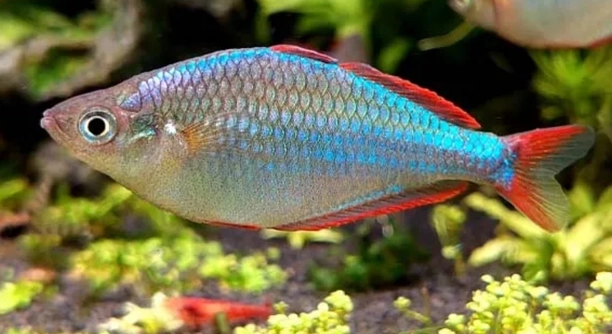
Rainbow fish are beautiful and captivating creatures. Watching them swim can be a peaceful experience, but it can also be worrying when something unusual happens. One common issue owners notice is when their rainbow fish suddenly flip over.
Rainbow fish may flip over due to a variety of reasons such as stress, water quality problems, or underlying health issues. These factors can disrupt their balance or cause them to act out of the ordinary.
Understanding the causes of these flips can help you prevent them from happening and keep your rainbow fish healthy. Knowing how to address these issues is important for maintaining a safe and comfortable environment for them.
Why Rainbow Fish Flip Over
Rainbow fish may flip over when their balance is disrupted, often due to water conditions or stress. It’s important to examine the environment to understand what might be causing this behavior. Poor water quality is a frequent reason for fish to feel unwell or off-balance, which can result in flipping. Another factor could be overfeeding, leading to digestive problems that affect their stability. In some cases, illness or parasites may play a role as well. The good news is, with the right care and adjustments, you can resolve these issues and help your rainbow fish feel better.
Fish are highly sensitive to changes in their environment. Regular water changes, testing the water for harmful chemicals, and maintaining the right temperature are essential in keeping your rainbow fish healthy. If the water conditions are not ideal, your fish may begin to act abnormally, including flipping over.
Diet can also be a factor. Overfeeding or providing inappropriate food can result in digestive issues, making your fish feel uncomfortable or off-balance. It’s important to feed your rainbow fish small portions that they can easily digest to avoid any problems. The type of food you give them can also affect their health. For example, offering varied foods with proper nutrients will keep them strong and healthy.
Stress and Its Effects on Rainbow Fish
Stress is another leading reason why rainbow fish flip over. They are sensitive creatures that can easily become stressed by changes in their surroundings.
A variety of factors contribute to stress, including sudden changes in water temperature, overcrowded tanks, or even noisy surroundings. When rainbow fish are stressed, they may not swim properly or may even flip over. It’s important to create a calm, stable environment for them. Keep the water temperature consistent and ensure the tank is not too crowded. A peaceful atmosphere helps to reduce stress and prevent these flips.
Water Quality and Its Impact
Water quality plays a huge role in the health of your rainbow fish. Poor water conditions can cause them to feel weak or disoriented, which may lead to flipping. Testing your water regularly is crucial to ensure it’s safe for them.
Ammonia, nitrites, and nitrates must be kept at safe levels, as high concentrations of these substances can be toxic. Fish need clean, well-maintained water to thrive. If the levels of these chemicals rise, your fish may show signs of stress, including flipping over. Regular water changes and a reliable filtration system are key to keeping the water healthy.
Temperature is another factor. Rainbow fish require a stable water temperature to stay comfortable. If the temperature fluctuates too much, it can stress the fish, causing abnormal behaviors like flipping. Ensuring the water temperature stays within the appropriate range is vital for their well-being.
Overfeeding and Digestive Problems
Overfeeding can lead to digestive issues in rainbow fish, causing discomfort that might result in flipping over. When fish eat more than they can process, it can cause bloating or other digestive problems. It’s important to feed them the right amount.
If your rainbow fish are flipping over, it could be due to a full stomach or digestive stress. The excess food may not be digested properly, making the fish feel unbalanced. To avoid this, feed them small amounts of food that they can consume in a few minutes. Remove any uneaten food to prevent water contamination and further digestive issues.
It’s also essential to monitor the type of food you are providing. Different fish have different dietary needs, so ensure you’re offering the right nutrition for your rainbow fish. Too much of one food type, especially fatty foods, can lead to digestion problems.
Illness and Parasites
Illness or parasites can cause your rainbow fish to flip over. Infections or parasites affect their balance, making them act strangely. If your fish are showing signs of illness, it’s important to act fast.
Look for unusual symptoms like faded colors, visible lesions, or erratic swimming. These can be indicators of a health issue. Parasites can make your fish feel uncomfortable and uncoordinated, leading to flipping. If you suspect illness or parasites, separate the affected fish and treat them with appropriate medication. A visit to a vet can also help identify the problem.
Tank Conditions and Maintenance
Proper tank maintenance is crucial for rainbow fish health. Regular cleaning ensures a healthy environment, reducing the chance of flips. Make sure to clean the substrate, filter, and any decorations.
Keeping the tank at the right size for your fish helps reduce stress. Overcrowding can cause aggression and poor water quality, both of which may lead to your fish flipping. Proper maintenance, including a regular water change schedule, is essential to prevent these problems. You should also check the filter’s efficiency to make sure the water stays clean and oxygenated.
Temperature Fluctuations
Rainbow fish are sensitive to changes in water temperature. If the temperature fluctuates too much, it can cause stress and lead to flipping. Keep the water within the recommended range to prevent discomfort.
Using a reliable heater and thermometer can help maintain stable conditions. Keep an eye on the water temperature regularly to avoid sudden changes. If you notice a drop or rise in temperature, adjust the heater accordingly. Stable conditions reduce stress and prevent your fish from flipping over due to environmental factors.
FAQ
Why do rainbow fish suddenly flip over?
Rainbow fish can flip over due to several reasons, including poor water quality, stress, overfeeding, or illness. Water conditions like high ammonia levels or fluctuating temperatures can cause the fish to lose their balance. Stressful environments or changes in their habitat also play a role. In some cases, digestive issues caused by overfeeding can affect their coordination. Additionally, illness or parasites can lead to flipping, as they may make the fish feel weak or disoriented.
How can I fix my rainbow fish’s flipping behavior?
To fix your rainbow fish’s flipping behavior, first, ensure the water quality is optimal. Regular water changes, proper filtration, and checking ammonia, nitrite, and nitrate levels can help. Avoid overfeeding by offering small portions that the fish can eat in a few minutes. Make sure their tank is not overcrowded and that they are not exposed to sudden temperature changes. If illness or parasites are suspected, treat your fish with the appropriate medication.
Can overfeeding cause rainbow fish to flip over?
Yes, overfeeding can lead to digestive problems in rainbow fish. When they consume more food than they can digest, it can cause bloating or discomfort, leading to abnormal behavior like flipping. To prevent this, only feed them what they can consume in a short period, usually a few minutes. Remove any uneaten food promptly to keep the water clean and avoid digestive issues.
How often should I change the water for my rainbow fish?
Water changes should be done regularly, ideally every 1-2 weeks. However, the frequency depends on the tank size, the number of fish, and the filtration system. For a healthier environment, change about 25-30% of the water at a time. Make sure to test the water before and after changes to ensure it remains within safe parameters. More frequent changes may be necessary if you have a larger number of fish or if water quality is poor.
What is the ideal water temperature for rainbow fish?
Rainbow fish thrive in water temperatures between 74°F and 80°F (23°C to 27°C). Keeping the water within this range is crucial for their health. Fluctuating temperatures can cause stress and make the fish more prone to illness or flipping. Use a heater to maintain a stable temperature and a thermometer to monitor the water regularly. Sudden changes in temperature should be avoided as they can lead to a shock to the system of your fish.
What are some signs that my rainbow fish are sick?
Common signs of illness in rainbow fish include erratic swimming, loss of color, visible lesions or wounds, and a lack of appetite. They may also spend more time near the surface or hide more than usual. If your fish are flipping over frequently and showing any of these symptoms, it’s best to isolate them and treat them with the appropriate medication. A visit to a vet who specializes in fish health may also help diagnose the issue.
Can rainbow fish live with other species of fish?
Rainbow fish are generally peaceful and can live well with other species, as long as they have similar care requirements. They prefer to be in schools, so it’s recommended to keep them with at least 3-5 others of their species. However, avoid placing them with aggressive or very large fish that might stress them out. Always research the compatibility of different fish species before introducing them to the same tank.
How do I know if my tank is overcrowded?
Overcrowding occurs when there are too many fish in a tank for the available space. A general rule is to have 1 inch of fish per gallon of water. If your tank feels cramped, the fish might be stressed, which can lead to unhealthy behavior like flipping. Overcrowding also worsens water quality, as more fish produce more waste. Keep the tank’s population at a level that allows each fish enough space to swim freely and comfortably.
What should I do if my rainbow fish are stressed?
To reduce stress, make sure your rainbow fish have a peaceful, stable environment. Avoid sudden changes in water conditions, and ensure they have enough space in the tank. Minimize noise and disturbances around the tank, as sudden movements or loud sounds can make them anxious. If there’s aggression from other tank mates, consider rearranging the decorations to break up territories or adding more hiding spots to reduce tension.
How do I treat parasites in rainbow fish?
If you suspect your rainbow fish has parasites, isolating the infected fish is the first step. You can treat the fish with anti-parasitic medications available at pet stores or online. It’s important to follow the instructions carefully to ensure the treatment is effective. Additionally, quarantine any new fish before introducing them to your tank to prevent future outbreaks. Maintaining good water quality and reducing stress in the tank can also help keep parasites at bay.
Can rainbow fish survive in low light tanks?
Rainbow fish can survive in low light conditions, but they thrive best in tanks with moderate to bright lighting. Adequate lighting helps them maintain their vibrant colors and encourages healthy behavior. If the lighting is too dim, it may cause stress or affect their appetite. Providing a light cycle of 10-12 hours a day mimics natural conditions, promoting a healthy environment for your fish.
Final Thoughts
Rainbow fish are beautiful creatures that can bring a lot of joy to any aquarium. However, it can be concerning when they suddenly flip over, as this behavior often signals a problem. Understanding the potential causes, like poor water quality, stress, overfeeding, or illness, is the first step in addressing the issue. By carefully observing the fish and their environment, you can often identify the cause of the problem and make necessary adjustments to help them recover.
Maintaining a healthy aquarium is key to preventing rainbow fish from flipping over. Regular water changes, proper filtration, and monitoring water quality ensure that the tank remains a safe environment for your fish. It’s important to keep the water temperature stable and make sure your fish are not overcrowded. Creating a stress-free environment by reducing noise and adding enough hiding spots can help your rainbow fish feel more secure, reducing the chance of flipping.
If you notice your rainbow fish flipping over regularly, it may be a sign that something needs attention. Don’t hesitate to check their diet, make adjustments to the water conditions, or even seek professional help if illness or parasites are suspected. By taking proactive steps and closely observing their behavior, you can keep your rainbow fish happy, healthy, and flipping no more.

Hello,
If you enjoy the content that we create, please consider saying a "Thank You!" by leaving a tip.
Every little bit helps us continue crafting quality advice that supports the health, happiness, and well-being of pets around the world, for pets of all shapes, sizes, and species.
We really appreciate the kindness and support that you show us!