
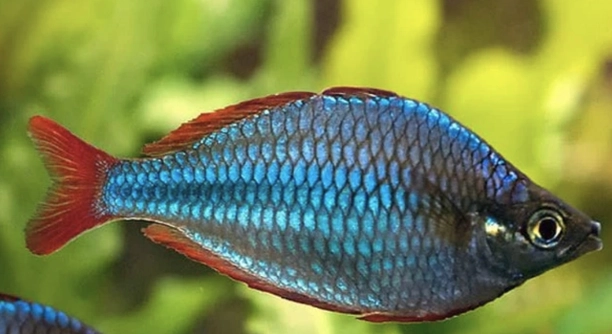
Rainbow fish are known for their vibrant colors and lively swimming patterns. However, if you’ve noticed your rainbow fish suddenly stop swimming, it can be a cause for concern. It’s important to understand why this happens.
The most common reason rainbow fish may stop swimming is poor water quality. Contaminants, low oxygen levels, or improper temperature can affect their health and behavior. Other factors, such as stress or illness, can also lead to inactivity.
Understanding the key factors that influence your rainbow fish’s behavior will help you ensure they stay healthy and active. Proper care can prevent these issues from occurring in the first place.
Poor Water Quality
One of the most common reasons for your rainbow fish stopping their usual swimming behavior is poor water quality. When the water in your aquarium becomes polluted or is not properly maintained, it can harm your fish. Ammonia, nitrites, and nitrates are harmful to them and can lead to stress. Additionally, improper pH levels and fluctuating water temperatures can negatively affect their health. If the water is too warm or cold, your fish may become lethargic and stop swimming. Regular water changes and using a good filtration system can help keep the environment stable and safe for your fish.
The quality of the water directly impacts your fish’s health. If the water is not clear or smells bad, you need to address it immediately. Keep an eye on water parameters like temperature, pH, and ammonia levels.
To ensure proper water quality, test your aquarium regularly. A water test kit will help you keep track of levels like pH, ammonia, and nitrates. If any of these are off, it’s time to clean your tank, change the water, and adjust the temperature. Regular maintenance of the filter will also help keep the water oxygenated and clear. By maintaining a clean, healthy environment, your rainbow fish should start swimming more actively again.
Stress or Illness
Stress can affect your rainbow fish’s behavior, and if they are stressed, they may stop swimming. This can be caused by sudden changes in their environment, overcrowding, or a lack of hiding spots.
Stress can weaken your fish’s immune system, making them more prone to illness. If they seem lethargic and have stopped swimming, it’s important to check for signs of stress and address any issues that might be present.
Common stressors include noisy surroundings, sudden lighting changes, or aggressive tankmates. It’s essential to create a calm, stable environment for your fish. If you’ve recently added new fish or rearranged the tank, give your rainbow fish some time to adjust. Ensure they are not being bullied by other fish. If their behavior doesn’t improve, it may be a sign of illness, and further investigation is needed to determine the cause.
Improper Tank Size
If the tank is too small for your rainbow fish, they may stop swimming. They need space to move around freely. A cramped environment can cause stress and make them inactive.
When fish are housed in tanks that are too small, they might not feel safe or comfortable. The lack of space can lead to stress, poor water circulation, and low oxygen levels. This can all affect their swimming behavior. Rainbow fish need a tank with enough room to swim in groups, as they are social creatures. If your fish stop swimming or are not as active, consider upgrading to a larger tank.
The general recommendation for rainbow fish is a tank of at least 20 gallons. However, a larger tank would provide even more benefits. Proper tank size allows for better water circulation and can help maintain stable water parameters. It also offers plenty of space for rainbow fish to interact with each other. When they have enough room to swim, their stress levels are reduced, and they become more active and healthy.
Water Temperature
Rainbow fish are tropical fish, and they require a consistent temperature to thrive. If the water is too cold or too warm, they may stop swimming.
Temperature fluctuations can make rainbow fish lethargic, especially if they are outside of their preferred range. The ideal water temperature for rainbow fish is between 72°F and 80°F. Anything outside of this range can stress them out and reduce their swimming activity. You should monitor the water temperature regularly with a thermometer to ensure it stays within this optimal range.
Investing in an aquarium heater with a thermostat can help you maintain a stable temperature. Rainbow fish need consistent warmth to stay active and healthy. Sudden drops or rises in temperature can be harmful. To prevent this, check the temperature daily and make adjustments as necessary. By maintaining a steady temperature, your fish will feel more comfortable, which can encourage them to swim and be more active in their tank.
Poor Diet
Rainbow fish need a balanced diet to stay healthy and active. If they aren’t getting enough nutrition, they may stop swimming.
A poor or unbalanced diet can lead to weakness, making your fish less likely to swim. It’s important to feed them a variety of high-quality fish food, including flakes, pellets, and occasional live food like brine shrimp or daphnia.
Feeding your rainbow fish a varied diet not only boosts their energy but also helps maintain their health. Without proper nutrition, they may become lethargic and inactive. Always avoid overfeeding, as uneaten food can pollute the water, which also negatively affects their behavior.
Tank Mates
Aggressive tank mates can cause stress, making your rainbow fish stop swimming. If they feel threatened, they’ll likely become more passive.
Rainbow fish are peaceful and thrive in community tanks. However, if they’re housed with aggressive or overly dominant species, they may feel stressed and hide. Ensure that their tank mates are compatible and not stressing them out.
Choosing the right tank mates is crucial. Species that get along well will allow your rainbow fish to feel more secure. When they’re not being bullied or chased, they’re more likely to swim around freely. Avoid overcrowding, as this can also cause tension among tank mates.
FAQ
Why is my rainbow fish not swimming around?
When your rainbow fish stops swimming, it’s usually a sign of stress or discomfort. Poor water quality, improper tank size, incorrect temperature, and even an inadequate diet can lead to inactivity. Stress from aggressive tank mates or illness can also cause them to stop swimming. It’s essential to first check the water quality and make sure everything is within the proper range. Also, ensure the temperature is suitable and the tank is large enough for your fish to move around freely. Proper care and maintenance will help bring your rainbow fish back to its active self.
How can I tell if my rainbow fish is sick?
Sick rainbow fish may exhibit a variety of symptoms, including staying at the bottom of the tank, rubbing against objects, or showing a lack of interest in food. Changes in their appearance, like faded colors, frayed fins, or swollen bodies, may also indicate illness. Watch for erratic swimming patterns or fish that are hiding more than usual. If you notice any of these signs, it’s important to quarantine the affected fish to prevent the spread of illness and consult a veterinarian or aquarist for advice.
What should I do if my rainbow fish is stressed?
Stress can be caused by several factors, such as poor water quality, overcrowding, sudden changes in the environment, or aggressive tank mates. First, ensure that the water conditions (like pH, temperature, and ammonia levels) are stable and ideal for your rainbow fish. If you recently introduced new tank mates or changed the tank setup, give your fish time to adjust. If aggression from other fish is the cause, consider moving the problematic tank mates. Adding more hiding spots or plants can also help reduce stress.
How often should I clean the tank for my rainbow fish?
You should clean the tank regularly to keep your rainbow fish healthy. Aim to perform a partial water change (about 25-30%) every 1-2 weeks, depending on the size of the tank and the number of fish. Cleaning the substrate, checking the filter, and removing uneaten food will help maintain water quality. If you notice your fish becoming lethargic or inactive, it’s a good idea to check the water parameters and clean the tank more frequently. Regular cleaning ensures a safe and healthy environment for your fish.
What is the best diet for rainbow fish?
Rainbow fish require a varied diet to stay healthy and active. A good mix of high-quality flakes, pellets, and live or frozen foods like brine shrimp, daphnia, or bloodworms will provide the necessary nutrients. It’s essential to avoid overfeeding, as leftover food can pollute the water and cause health issues. Rainbow fish are omnivores, so offering both plant-based and animal-based foods will keep them well-nourished. Try feeding them two or three small meals a day instead of one large feeding to mimic their natural feeding patterns.
Can rainbow fish live with other species?
Yes, rainbow fish are generally peaceful and do well in community tanks. They’re social creatures, so they thrive when kept with other fish of similar temperament. However, they can become stressed if housed with overly aggressive fish. Tank mates like tetras, guppies, and other non-aggressive species are ideal. It’s important to avoid pairing them with fish that might bully or chase them, as this can lead to stress and inactivity. Also, make sure the tank is not overcrowded, which could lead to territorial issues and more stress for your fish.
What temperature should I keep my rainbow fish tank at?
Rainbow fish are tropical fish and thrive in warm water. The ideal water temperature for them is between 72°F and 80°F (22°C and 27°C). Keeping the water within this range will help ensure your fish stay healthy and active. If the temperature drops too low or gets too high, your fish may become lethargic and stop swimming. A good quality aquarium heater with a thermostat will help maintain a stable temperature, preventing fluctuations that could stress your fish. Regularly check the water temperature with a thermometer to keep it in the optimal range.
Can my rainbow fish stop swimming due to boredom?
Yes, boredom can be a factor in your rainbow fish’s inactivity. Rainbow fish are active swimmers, and if their environment is dull or lacks enrichment, they might stop swimming. Adding plants, decorations, and caves can give your fish places to explore, hide, and interact with their environment. Adding more rainbow fish to the tank is also a good idea, as they are social animals and feel more comfortable swimming in groups. A tank with a variety of elements will encourage your fish to swim more and engage in natural behaviors.
Do rainbow fish need a filter in their tank?
Yes, a filter is essential for maintaining good water quality in your rainbow fish tank. A filter helps remove debris, toxins, and excess nutrients from the water, keeping it clean and safe for your fish. Rainbow fish are sensitive to poor water conditions, and a good filtration system helps prevent the buildup of harmful substances. It’s important to choose a filter that’s appropriate for the size of your tank and the number of fish you have. Regularly clean the filter to ensure it works efficiently.
What should I do if my rainbow fish is not eating?
If your rainbow fish is not eating, it could be a sign of stress, illness, or poor water quality. Check the water parameters, including temperature, pH, and ammonia levels, to make sure everything is in the ideal range. If the water is fine, consider offering a variety of foods to see if your fish has a preference. Sometimes, fish may not eat if they are stressed or feeling threatened by other tank mates. If the lack of eating continues for more than a few days, it’s a good idea to consult a veterinarian.
Final Thoughts
When your rainbow fish stops swimming, it’s often a sign that something is off in their environment. The most common reasons for this behavior include poor water quality, incorrect water temperature, improper tank size, or stress from aggressive tank mates. It’s important to regularly check the water quality in your aquarium and maintain the right parameters for your fish. By testing the water for ammonia, pH, and temperature, you can make sure everything is within the proper range. Healthy water is key to your rainbow fish feeling comfortable and staying active.
Diet is also a significant factor in the health of your rainbow fish. Make sure to feed them a balanced diet with a mix of high-quality flakes, pellets, and live or frozen foods. Overfeeding should be avoided because uneaten food can harm the water quality. A varied diet will not only help keep your fish healthy, but it will also give them the energy they need to swim and stay active. You should feed them small amounts two or three times a day, rather than giving them one large meal. This helps mimic their natural feeding patterns and keeps them in good health.
In addition to proper water care and diet, consider the overall environment of your aquarium. Rainbow fish are social creatures, so they do best in groups. If they feel crowded or stressed by other aggressive fish, they may become more inactive. Adding plants, decorations, and hiding spots can help them feel safe. Keeping the tank clean and ensuring there’s enough space will also reduce stress. By paying attention to all aspects of their care, your rainbow fish will be more likely to stay healthy, active, and happy.

Hello,
If you enjoy the content that we create, please consider saying a "Thank You!" by leaving a tip.
Every little bit helps us continue crafting quality advice that supports the health, happiness, and well-being of pets around the world, for pets of all shapes, sizes, and species.
We really appreciate the kindness and support that you show us!