
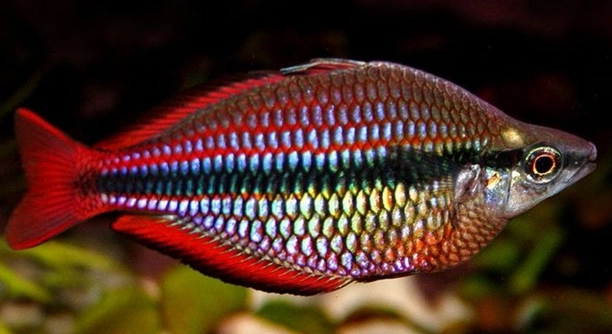
Rainbow fish are known for their beautiful colors, but some of them tend to stay hidden in the shadows. This behavior can be puzzling to many aquarium enthusiasts. Understanding why this happens can help improve your tank’s environment and the well-being of your fish.
Rainbow fish may stay in the shadows due to a variety of factors such as stress, poor water conditions, or competition for resources. These fish prefer calm, stable environments where they feel secure, and stress can drive them into hiding.
By exploring their behavior, you can learn how to create a better habitat for your rainbow fish. Adjusting tank conditions can make all the difference in encouraging them to be more active and visible.
Stress and Overcrowding Can Lead to Hiding
Rainbow fish are sensitive creatures, and stress is one of the main reasons they might retreat to the shadows. Stress can come from various sources: too much noise, sudden changes in temperature, or even aggressive tank mates. Overcrowding is another factor that can make these fish feel anxious. When the tank is too crowded, the fish don’t have enough space to swim freely and might choose to hide in darker areas to feel safe.
Inadequate hiding spaces can also make them uncomfortable. Fish like to have spots to retreat to when they feel threatened or stressed. Without these safe zones, they will often seek out the darkest corners of the tank. It’s important to provide hiding places using plants, rocks, or decorations.
Taking these steps to reduce stress and overcrowding can help rainbow fish feel more secure. When they feel at ease in their environment, they’ll likely become more active and visible, showing off their beautiful colors.
Water Quality and Its Impact
Water quality plays a crucial role in the behavior of rainbow fish. Poor water conditions can lead to fish hiding, as they instinctively seek out areas where they feel safe from potential harm.
Bad water quality often results in the fish becoming stressed, which makes them retreat into darker areas of the tank. Factors like improper pH levels, high ammonia, or a build-up of toxins can make the water unsafe for them. If the water isn’t properly filtered or changed regularly, it can create an unhealthy environment for your fish. This can lead to rainbow fish hiding in the shadows as a survival instinct.
To prevent this, make sure to monitor the water quality and perform regular maintenance. Using a reliable filtration system and checking parameters like pH, ammonia, and nitrate levels will keep your rainbow fish comfortable. Clean, balanced water helps them thrive and encourages natural behaviors like swimming in the open.
Tank Setup and Environment
The setup of your tank can influence rainbow fish behavior. These fish prefer calm and stable environments. A chaotic tank setup can make them feel insecure, causing them to stay hidden.
Ensure your tank has adequate space for swimming and enough hiding spots, like plants or caves. The water flow should be gentle, as strong currents can stress them out. Proper lighting also matters. Too bright of a light can cause stress, while softer lighting makes them feel more comfortable. A well-organized tank gives them a sense of safety and encourages them to explore.
Additionally, the temperature should be kept in a stable range. Fluctuations can cause discomfort, leading them to retreat. Maintaining a natural environment with plants and decorations helps mimic their wild habitat. This reduces stress, allowing them to display more natural behavior and stay active in the open.
Tank Mates and Social Behavior
Tank mates can play a large role in whether rainbow fish feel secure. Aggressive or overly active fish can make them feel threatened and prompt them to hide.
Rainbow fish are peaceful but can become stressed when paired with aggressive species. It’s important to choose tank mates that are calm and non-territorial. Overly competitive fish can lead to territorial disputes, causing your rainbow fish to retreat into darker areas of the tank. Even fish that are simply too active or large can intimidate them.
A peaceful community tank with similarly sized, non-aggressive fish helps reduce stress. Maintaining a peaceful environment gives rainbow fish more freedom to swim and interact with their tank mates without feeling threatened. Choosing compatible species ensures your rainbow fish thrive, both socially and physically.
Overfeeding and Feeding Habits
Overfeeding your rainbow fish can lead to stress, making them retreat into the shadows. Excess food creates poor water quality, which can affect their health.
Fish don’t always recognize when they’ve had enough, so it’s easy to overfeed them. Leftover food decays and can pollute the water, causing an unhealthy environment. This poor water quality often leads rainbow fish to seek refuge in darker, quieter areas. Feeding them smaller portions ensures the water stays cleaner, helping your fish remain more active and visible.
Feeding rainbow fish at regular intervals also helps them feel more secure. Consistent feeding schedules reduce their stress and provide a sense of stability.
Water Temperature and Stability
Rainbow fish are sensitive to temperature changes, and fluctuations can make them uncomfortable. A stable temperature range between 72°F and 79°F (22°C – 26°C) is ideal.
Rapid temperature changes can lead to stress, making rainbow fish retreat to shaded areas. A heater with a reliable thermostat can help maintain this stable environment. Regularly check the temperature and ensure the tank stays within the right range to keep your fish comfortable and prevent hiding behavior.
FAQ
Why do rainbow fish hide all the time?
Rainbow fish hide when they feel stressed, insecure, or uncomfortable. Factors like poor water quality, overcrowding, or aggressive tank mates can cause them to seek refuge in darker parts of the tank. When the tank setup is not ideal, such as having strong currents or harsh lighting, they may also retreat to areas where they feel safer. Ensuring proper water conditions, space, and peaceful tank mates can encourage rainbow fish to be more active and visible.
How can I reduce stress in my rainbow fish?
To reduce stress in your rainbow fish, focus on creating a calm and stable environment. This includes maintaining a consistent water temperature, using gentle filtration, and offering plenty of hiding spots like plants or decorations. Also, avoid overcrowding and ensure that their tank mates are peaceful. Keeping the tank clean by performing regular water changes will also help keep your fish healthy and reduce stress.
What are the best tank mates for rainbow fish?
The best tank mates for rainbow fish are other peaceful, non-territorial species that don’t pose a threat to them. Fish like tetras, corydoras, or other rainbow fish varieties work well together. Avoid aggressive species like cichlids or overly large fish that may bully or intimidate your rainbow fish. A peaceful community tank will allow rainbow fish to thrive.
How often should I feed rainbow fish?
Rainbow fish should be fed small portions 2-3 times a day. It’s important to avoid overfeeding, as leftover food can pollute the water and cause stress. If you’re unsure about how much to feed, give only as much food as your fish can consume in 2-3 minutes. This helps keep the tank clean and prevents the fish from becoming overweight. A varied diet, including high-quality flakes, pellets, and occasional live food, will ensure your rainbow fish stay healthy.
Can rainbow fish tolerate cold water?
Rainbow fish prefer warmer water temperatures between 72°F and 79°F (22°C – 26°C). While some species may tolerate slightly lower temperatures, it’s not ideal for their long-term health. Cold water can cause stress, suppress their immune system, and lead to illness. A heater with a reliable thermostat is essential to maintain a stable and comfortable environment for your rainbow fish.
How do I know if my rainbow fish is sick?
Signs of illness in rainbow fish include changes in swimming patterns, loss of color, visible lesions or spots on their body, or abnormal behavior like staying hidden or lethargic. If your rainbow fish becomes bloated, has difficulty swimming, or displays any unusual behavior, it may indicate a health issue. Keeping the water clean, monitoring their diet, and ensuring stable conditions will help prevent sickness. If you suspect an illness, consult with an aquarium vet for proper diagnosis and treatment.
Can rainbow fish live with other types of fish?
Yes, rainbow fish can live with other types of fish, as long as those species are peaceful and compatible. Rainbow fish are generally friendly and calm but may feel stressed if they’re in a tank with aggressive or territorial species. Make sure all the fish in the tank have similar care needs in terms of temperature, water conditions, and food. A well-balanced community tank with compatible fish ensures everyone can coexist peacefully.
Why are my rainbow fish not showing their colors?
Rainbow fish may lose their bright colors when they feel stressed, ill, or uncomfortable in their environment. Poor water quality, sudden temperature changes, or an overcrowded tank can make them feel insecure, leading them to dull in color. If your fish are hiding too much, it could be a sign they’re not feeling safe. Creating a peaceful environment with proper water conditions, good tank mates, and plenty of space will help them regain their vibrant colors.
How can I encourage my rainbow fish to swim in the open?
Encouraging your rainbow fish to swim in the open involves reducing stress factors. Make sure they have enough space to move around and add decorations that offer hiding spots without creating too much darkness. A stable temperature, gentle filtration, and consistent feeding schedules can also make them feel more comfortable and secure. The more stable and peaceful their environment is, the more likely they will swim freely.
What kind of decorations should I add to my rainbow fish tank?
Decorations like plants, rocks, or caves are great additions to a rainbow fish tank. These provide hiding spots where the fish can retreat if they feel threatened. Soft-leaved plants or branches are ideal, as they mimic their natural environment. Avoid sharp objects that might injure the fish. Just be sure that the decorations don’t overcrowd the tank, as rainbow fish need space to swim comfortably. A well-decorated tank will give them both security and room to move freely.
Final Thoughts
Rainbow fish are beautiful creatures, but they can be sensitive to changes in their environment. If you notice your rainbow fish staying in the shadows, it’s important to consider several factors that might be affecting their behavior. Stress, overcrowding, poor water quality, and even aggressive tank mates can all contribute to them seeking darker, quieter areas of the tank. By paying attention to these factors and adjusting your tank setup, you can help your fish feel more secure and comfortable.
Creating a peaceful and stable environment is key. Make sure the water quality is good, and the temperature stays within the ideal range for rainbow fish. Avoid strong currents and bright lighting that could stress them out. It’s also crucial to keep the tank clean by performing regular water changes and feeding only what your fish can consume in a short amount of time. This will not only improve the water conditions but also reduce the chances of your fish hiding due to discomfort.
When it comes to tank mates, choose species that are peaceful and won’t intimidate or compete aggressively with your rainbow fish. A calm and cooperative community tank will help them feel safer and less stressed. Providing plenty of hiding spots is also essential, as it gives your fish a sense of security while allowing them to venture out when they’re ready. With the right care and environment, rainbow fish will thrive, and their beautiful colors will be on full display.

Hello,
If you enjoy the content that we create, please consider saying a "Thank You!" by leaving a tip.
Every little bit helps us continue crafting quality advice that supports the health, happiness, and well-being of pets around the world, for pets of all shapes, sizes, and species.
We really appreciate the kindness and support that you show us!