
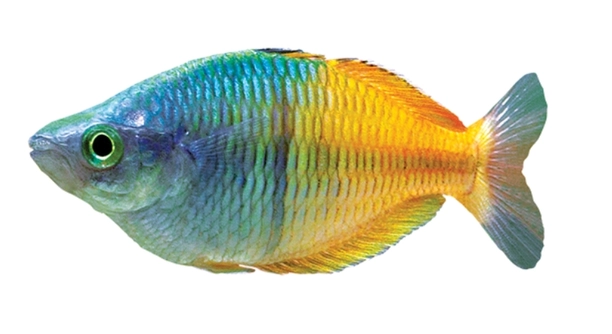
Rainbow fish are a popular choice for many aquariums, captivating with their vibrant colors and unique behaviors. However, you may have noticed that after feeding, these fish sometimes exhibit a shaking motion.
The shaking behavior seen in rainbow fish after feeding can often be attributed to their natural feeding habits. This response is believed to be a way of expelling excess air swallowed during feeding, or it could be related to excitement from eating.
Understanding why this happens can help you create a more comfortable environment for your fish. This behavior is just one of many fascinating aspects of keeping rainbow fish as pets.
Why Do Rainbow Fish Shake After Eating?
Rainbow fish may shake after eating as a way of adjusting to the intake of food. This behavior is natural and usually harmless. It is believed that the shaking helps them expel any excess air they might have swallowed while eating. When rainbow fish feed, they often gulp food quickly, which can lead to some air being swallowed along with their meal. This air needs to be released, and the shaking movement appears to help with that.
While this might seem unusual, it is common for many fish to display similar behaviors after eating. Most of the time, it’s just part of their feeding routine. As long as the shaking doesn’t seem excessive or accompanied by other signs of distress, it shouldn’t be a cause for concern. You may notice your fish shaking a few minutes after they eat, especially if they’ve had a particularly large meal.
Rainbow fish are known for their active nature, and shaking after eating is just another way they interact with their environment. It’s essential to monitor their behavior closely, ensuring they’re not showing signs of stress or illness. Keep an eye on their eating habits and physical condition to ensure they are healthy and thriving.
Is the Shaking Linked to Other Behaviors?
The shaking of rainbow fish may also be connected to their overall temperament. These fish are often energetic, and their movements can be erratic, especially when feeding.
While shaking could be linked to air release, it is not necessarily a sign of discomfort. Rainbow fish are quick feeders, and this behavior might just be a natural part of their feeding process. If shaking happens during or immediately after meals, it is most likely a regular action.
Potential Stress Factors
Stress can sometimes cause unusual behavior in rainbow fish, including shaking. When a fish is stressed, its body reacts differently, and shaking might be one way to cope. Factors such as water quality, tankmates, and environmental changes can all trigger stress.
If the shaking seems more frequent or intense than usual, it’s important to check the water conditions. Poor water quality, high levels of ammonia, or low oxygen can all contribute to stress. Additionally, overcrowding or aggressive tankmates can cause discomfort, leading to visible shaking or other signs of distress. It’s crucial to maintain a stable environment to minimize these stressors.
Sometimes, introducing new fish to the tank or changes in lighting can also make rainbow fish uneasy. Be mindful of their behavior after any alterations to their environment. If they seem to shake more frequently or appear restless, it may be worth evaluating the overall tank setup and making adjustments as needed.
Feeding Habits and Shaking
The shaking behavior could be tied to how quickly or eagerly rainbow fish eat. These fish are known for being fast feeders and often swallow food quickly. This rapid feeding might cause them to ingest air along with their food.
After eating, the shaking motion could be a way to help release any excess air. If the fish are eating too quickly or too much at once, this could lead to more noticeable shaking. Adjusting feeding routines to smaller portions throughout the day could help reduce the occurrence of shaking after meals. Slow-feeding techniques or specialized feeding tools might also promote slower eating habits.
Another factor to consider is the type of food being offered. Flakes or pellets that expand in water can lead to more air being ingested, which may result in shaking afterward. Offering smaller, more manageable portions of food might help minimize this issue, keeping the fish comfortable and reducing excessive shaking.
Health and Shaking
Shaking in rainbow fish might also indicate an underlying health issue. Infections, parasites, or injuries can lead to unusual movements after eating. If the shaking is accompanied by other symptoms like changes in color, lethargy, or loss of appetite, it could signal a health problem.
Keeping an eye on their overall condition can help identify if something is wrong. If you suspect an illness, it’s best to isolate the affected fish to prevent spreading any potential disease. Consulting with a veterinarian or experienced aquarist can provide guidance on treatment options.
Temperature and Shaking
Water temperature can also impact how rainbow fish behave after feeding. These fish thrive in warm water, and any sudden temperature changes can cause stress. A drop or rise in temperature may trigger shaking as a reaction to discomfort.
Maintaining a consistent water temperature within the recommended range (around 72°F to 78°F) helps prevent temperature-related stress. Using a reliable heater and thermometer to monitor the water is essential for their well-being.
FAQ
Why do rainbow fish shake after feeding?
Rainbow fish shake after feeding to expel excess air they may have swallowed while eating. This behavior is often a natural part of their feeding routine, as these fish tend to gulp food quickly. The shaking helps release any air trapped in their bodies, promoting digestion and comfort. If this shaking seems excessive or frequent, it may be worth considering if there are stress factors or feeding habits contributing to the behavior.
Is shaking after feeding harmful to my rainbow fish?
Generally, shaking after feeding is not harmful to rainbow fish. It is a natural response to ingesting air while eating. However, if the shaking is excessive or accompanied by other symptoms like loss of appetite, lethargy, or color changes, it could indicate an underlying health issue. Monitoring their overall condition is key to ensuring their health.
Can stress cause rainbow fish to shake?
Yes, stress can contribute to shaking in rainbow fish. Factors such as poor water quality, overcrowded tanks, sudden changes in environment, or aggressive tankmates can cause stress, leading to visible shaking. Ensuring that your fish have a stable and peaceful environment can reduce stress and minimize this behavior.
How can I reduce shaking in my rainbow fish?
To reduce shaking, consider adjusting the feeding routine. Feeding smaller portions throughout the day can help avoid the rapid intake of food and air. Additionally, slow-feeding techniques or specialized feeding tools can encourage slower eating. Ensuring optimal water quality, a stable temperature, and a stress-free environment will also help reduce shaking.
Does the type of food I give affect the shaking?
Yes, the type of food can play a role in shaking. Flake foods and pellets that expand in water can cause rainbow fish to swallow more air, which might lead to shaking after feeding. Offering smaller, more manageable portions of food and avoiding foods that expand too much in water can help minimize air ingestion.
What should I do if my rainbow fish shakes frequently?
If shaking occurs frequently, it’s important to assess the tank conditions. Check the water quality, ensure proper temperature, and confirm that tankmates are not causing stress. You may also want to reduce the amount of food being given and consider feeding smaller portions. If the shaking continues, it might be worth consulting an aquarist to rule out health issues.
Can water temperature affect shaking behavior?
Yes, water temperature can influence the behavior of rainbow fish. These fish prefer stable, warm water temperatures between 72°F and 78°F. Sudden changes in temperature can cause stress, which might lead to shaking. Maintaining a consistent temperature is crucial for the fish’s well-being and can help prevent temperature-induced stress.
What is the best water quality for rainbow fish?
Rainbow fish require clean, well-filtered water. The ideal pH level should be between 6.5 and 7.5, with soft to moderately hard water. Ammonia and nitrite levels should always be at zero, and nitrate levels should be kept under 20 ppm. Regular water changes and a good filtration system are essential to maintain a healthy environment for your fish.
Could my rainbow fish be sick if it shakes after feeding?
While shaking can be a normal behavior, it’s important to monitor for other signs of illness. If the shaking is accompanied by symptoms like loss of appetite, lethargy, unusual coloration, or visible lesions, your fish could be sick. In such cases, isolating the affected fish and seeking professional advice is recommended.
How often should I feed my rainbow fish to avoid shaking?
Feeding rainbow fish two to three times a day with smaller portions is usually ideal. This approach helps prevent them from eating too quickly and swallowing excess air. If the shaking continues despite adjusting the feeding schedule, consider looking at other environmental factors such as water quality or tankmates that could be causing stress.
Can shaking be a sign of excitement in rainbow fish?
In some cases, the shaking could be a sign of excitement, especially if it occurs right after a meal. Rainbow fish are active and sometimes display shaking as a response to the excitement of feeding. This is generally harmless unless it becomes excessive or is accompanied by other concerning behaviors.
Should I be worried if my rainbow fish shakes only occasionally?
Occasional shaking, particularly after meals, is usually not a cause for concern. It’s often a normal part of their feeding behavior. However, if the shaking becomes more frequent or lasts for extended periods, it’s worth investigating potential stressors, water quality issues, or underlying health problems.
Final Thoughts
Rainbow fish shaking after feeding is generally a natural and harmless behavior. It typically occurs when the fish swallow air along with their food, and the shaking helps them expel that air. This is especially common when the fish are eager eaters and consume their food quickly. In most cases, this behavior does not indicate a serious problem and should not cause alarm. However, it is important to monitor your fish for any other unusual behaviors or signs of stress.
If shaking becomes frequent or is accompanied by other concerning symptoms, such as changes in color, lethargy, or loss of appetite, it may be a sign of an underlying issue. Stress factors, such as poor water quality, overcrowding, or aggressive tankmates, can trigger shaking in rainbow fish. In these situations, adjusting the tank conditions can help improve their health and reduce stress. Maintaining proper water temperature, checking the water’s pH levels, and ensuring the fish are not being disturbed by tankmates can go a long way in providing a more stable environment for them.
Ultimately, regular observation and care are key to keeping your rainbow fish healthy. If shaking continues or worsens, it might be helpful to adjust feeding practices or check the overall health of the tank. Consult an experienced aquarist or a veterinarian if necessary. With the right care and environment, your rainbow fish can thrive without any issues related to shaking, allowing you to enjoy their lively and colorful presence in your tank.

Hello,
If you enjoy the content that we create, please consider saying a "Thank You!" by leaving a tip.
Every little bit helps us continue crafting quality advice that supports the health, happiness, and well-being of pets around the world, for pets of all shapes, sizes, and species.
We really appreciate the kindness and support that you show us!